
Filter Post Type
NewsVideoProductEventLink
Sort:
Most Recent
1–10 of 48

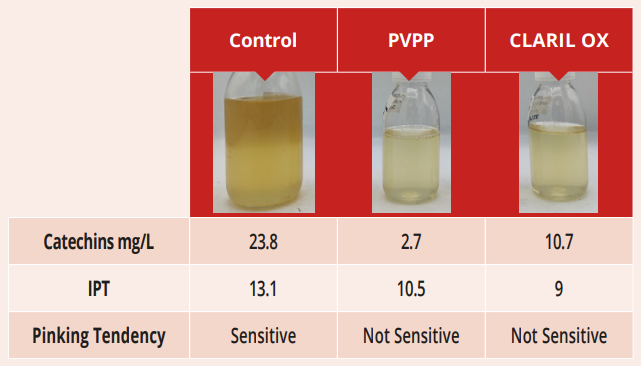
When it comes to fining wine, many traditional fining agents remove a broad spectrum of compounds that can often lead to stripped, less expressive wines. The CLARIL range from Enartis is focused on selective fining, which targets the specific compounds that cause instability and other faults, while preserving the integrity and quality of the wine. The CLARIL range offers precision solutions for an array of issues, including: Preventing and Treating Oxidation – CLARIL OX A natural alternative to PVPP, it acts with exceptional selectivity to target only the compounds responsible for pinking and browning. Its use during fermentation extends shelf-life while preserving color, freshness, and aromatic complexity. Metal Concentration Reduction – CLARIL HM A blend of PVI-PVP and chitosan, CLARIL HM provides antioxidant protection by removing metals that catalyze oxidation reactions such as copper and iron. Smoke Taint and Other Off-Aromas – CLARIL SMK Developed to eliminate
00

Strategies to Keep Whites & Rosés Bright, Stable, and Shelf‑Ready Whether you're looking to retain freshness in tank or in bottle, there are several options beyond SO₂ that can help protect against oxidative damage, preserving color, aromatics, and overall longevity. These options also work well for low-alcohol or alcohol-removed wines. Tannins ESSENTIAL ANTIOXIDANT™ Gallnut tannin that can help to protect delicate aromas and color from oxidative damage. ESSENTIAL PASSION™ A balanced blend of condensed and hydrolyzable tannins that can enhance and protect red fruity aromas. SCOTT'TAN RADIANCE™ Lightly toasted French oak tannin that supports aromatic freshness and contributes subtle structure. Mannoproteins & Chitosan FINAL TOUCH TONIC™ Liquid mannoprotein that protects aroma compounds, stabilizes colloids, and can extend shelf-life in whites and rosés. FINAL TOUCH POP™ Liquid mannoprotein that stabilizes bubble
00

November 13, 2025

Event Type: Webinar
Location: Online
Date: 11/20/2025
As harvest dust settles, it Is time to fine-tune your wines and prepare them for the next stage, ageing. Join us for a focused, 30-minute Lamothe-Abiet webinar designed to help you finalize your 2025 vintage with balance, clarity, and protection in mind. This practical and interactive session will guide you through key technical steps to optimize wine balance, structure, and stability, setting the foundation for high quality and longevity in the cellar. We’ll discuss: How fining agents can harmonize green or harsh tannins and rebalance phenolics Using tannins and barrel alternatives to rebuild structure and stabilize color Managing botrytis impact and glucans early with specific enzymes to enhance filtration and accelerate ageing Protecting your wines before ageing with natural antioxidant and antimicrobial solutions such as glutathione and chitosan Reserve your spot now and receive practical protocols to finish the 2025 vintage with conf
00

Troubleshooting Sluggish and Stuck Fermentations—Can you Get Back on Track without a Restart? There are several factors that affect the success of fermentation, and sometimes a small adjustment can get things back on track without the need for a full restart. Below we outline some common causes of problematic fermentations and advice for next steps. TEMPERATURE STRESS Each yeast strain has an optimal temperature range and anything outside of this range can cause yeast stress. If the temperature was too high or spiked, the yeast may not be viable and a restart may be needed. If it is too low, try slowly warming the wine to 70°F. INADEQUATE MIXING If the tank isn’t mixed, yeast may settle and lose access to nutrients and sugar. This can slow fermentation or cause it to stall. Gentle mixing during fermentation helps keep yeast active and fermentation on track. WINE MIGHT NEED DETOXIFICATION When yeast become stressed, they can produce compounds th
00

Every winemaker knows that fermentation is a delicate dance between art and science. Behind every great wine lies a thriving microbial ecosystem—some organisms we invite, others we need to keep far away. Mastering that balance is what separates clean, stable wines from those plagued by faults, spoilage, or inconsistency. Fermentation: Harnessing the Right Microbes During alcoholic fermentation, controlling microbial populations ensures your chosen yeast strain dominates the process. This helps achieve a complete and predictable transformation of sugars into alcohol and COâ‚‚ without unwanted by-products that can dull aroma or flavor. In malolactic fermentation, Oenococcus oeni converts malic acid to the softer lactic acid, reducing sharpness and enhancing mouthfeel. But MLF is also a vulnerable moment: the wine’s natural defenses are low, and spoilage microbes can easily gain ground. When MLF isn’t desired, those bacteria must be inhibited completely to protect the wi
00

October 1, 2025
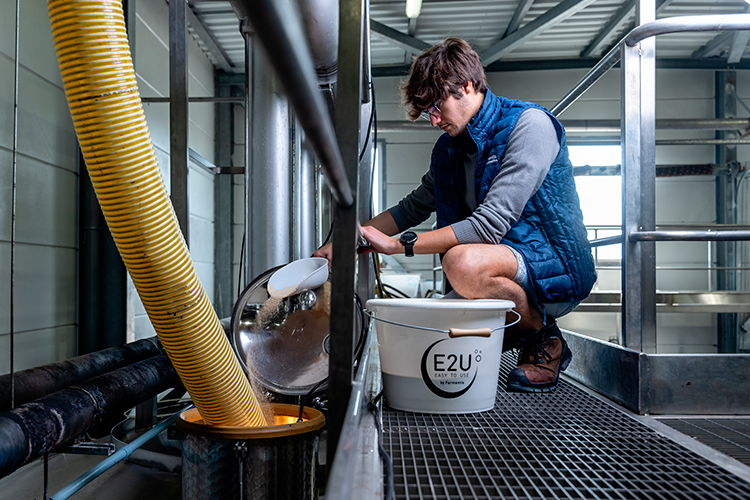
As a wine consumer, if you are looking for qualitative low-to-no-sulfite wines, you know it can be challenging. As a winemaker, if you are trying to craft wines with lower levels of sulfites, you know it is difficult to achieve. It requires a deep understanding of your processes, a solid knowledge of the science behind sulfites mechanisms of action, and continued efforts at all stages of your wine’s life cycle. The reasons why you are working on a low(er) SO2 winemaking program can be very diverse and multiple. You may be producing organic wines or simply trying to follow regulatory limits. You may be targeting to reduce the allergens in your wines or trying to use fewer chemicals in general. You may be worried about the negative effect that SO2 can have on your wines’ organoleptic qualities, or you are simply targeting to follow the overall health trend. In any case, Fermentis has solutions for you. As a global leader in the research and development of fermentation s
00
September 29, 2025
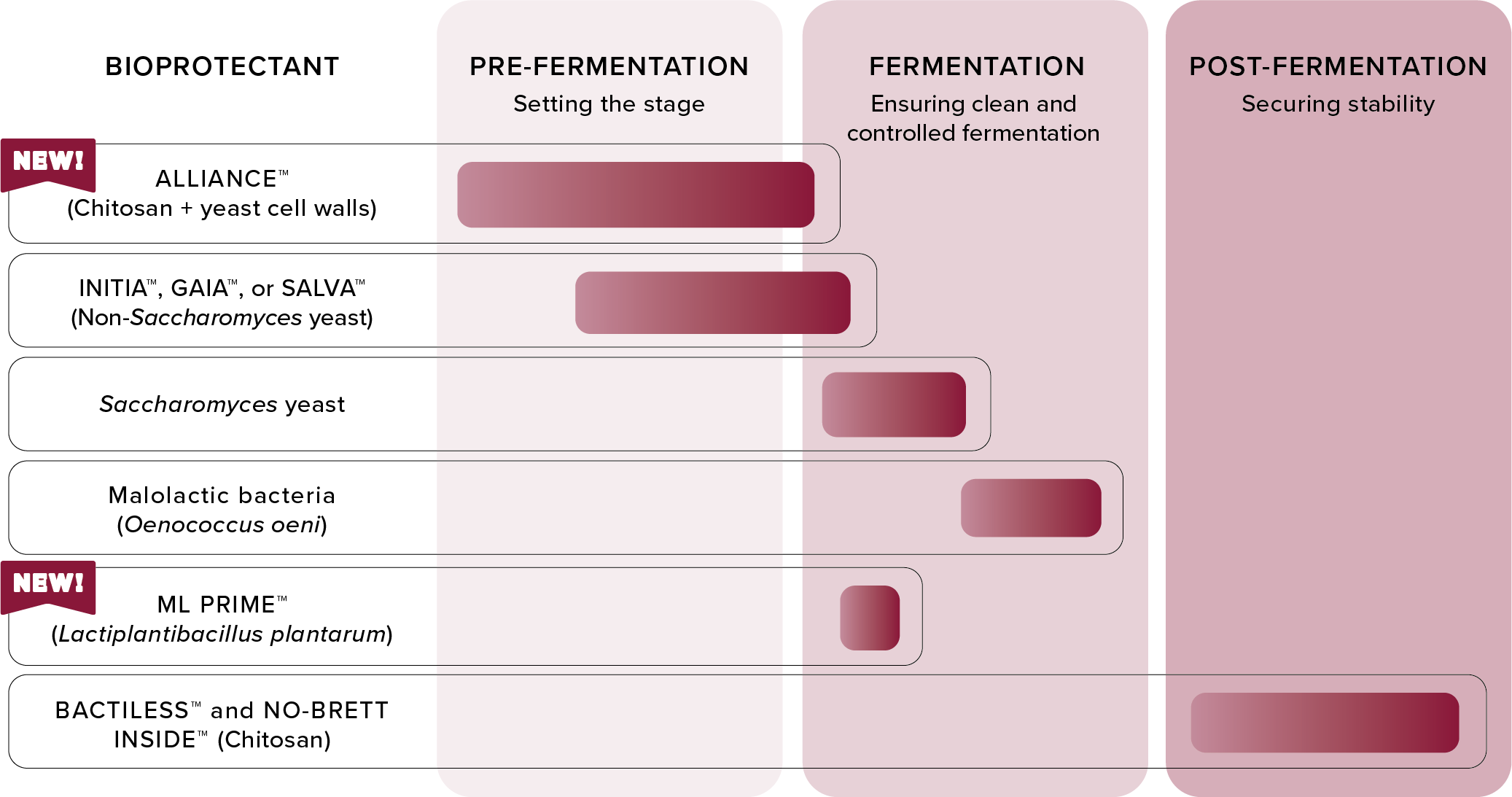
Pre-fermentation bioprotection tools can help control unwanted yeast and bacteria, limiting off-odors and flavors, and setting the stage for a clean fermentation. With so many options available, choosing the right tool for your winemaking style isn't always as straightforward. Basic Protection LEVEL2 INITIA™ (for whites and rosés) and IOC GAIA™ (for reds) are broad-spectrum Non-Saccharomyces yeasts that are ideal for protecting healthy fruit. They help control spoilage microbes and support a clean start to fermentation. Advanced Protection For damaged fruit or higher microbial pressure, stronger tools are needed. LEVEL2 SALVA™ (Suhomyces pyralidae) helps guard against Brettanomyces pre-fermentation. ALLIANCE™ (chitosan + yeast cell wall blend) is ideal when rot is present and spoilage organisms are unknown. Check out our entire portfolio of bioprotection tools and see how they may fit into your winemaking approach. Learn More
00
August 18, 2025
After a wet winter and a slow start to spring, California is now experiencing an unusually cool summer. While the extended hang time may sound ideal at first glance, many winemakers are concerned, and for good reason. Persistent cool, damp weather during the growing season brings with it an entirely different set of vineyard and cellar challenges, from disease pressure to delays in ripening. If you haven’t already, it’s time to start thinking about how this season’s cooler conditions may affect your fruit, and how to plan ahead to protect your wine’s quality. What’s the Problem with a Cool Summer? Cooler-than-average temperatures, especially when paired with humidity or late rains, can lead to several problematic outcomes in the vineyard: Delayed Ripening: Grapes take longer to reach phenolic maturity, and sugar accumulation may lag behind flavor development. This can result in unbalanced fruit and longer hang time on the vines. Increased Disease Pressure:
00

New Yeasts, Yeast Derivatives, and More Innovation doesn’t hit pause, and it doesn't always wait for the Handbook! We’re excited to introduce a few new products that weren’t quite ready for the handbook, but are here just in time for harvest. LEVEL2 SALVA™ Non-Saccharomyces Yeast Specific bioprotection against Brettanomyces, including SOâ‚‚-resistant strains. LALVIN ICV MILADY™ Yeast Balance and varietal fruit expression in red wines. CAUDALYS™ Yeast Derivative Nutrient Enhances minerality and lengthens finish in white and rosé wines. QI FINE™ Fining Agent Clarifies and removes astringent and oxidized phenolic compounds; non-animal alternative to PVPP. All New Winemaking Products Download our full New Products Brochure to explore all the latest additions this year. Download PDF
00

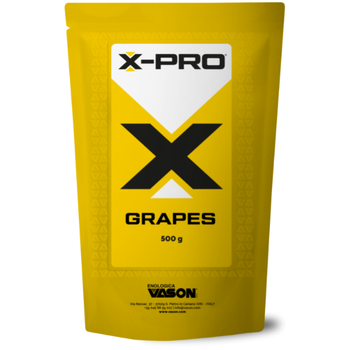
X-PRO® GRAPES Natural Redox Protection for White & Rosé Juices X-PRO® GRAPES is a unique solution for redox balance and natural stabilization in white and rosé juices. Developed with the innovative X-PRO® process, this product combines specific inactivated yeast (LIS) with a special plant-based chitosan to provide clean, aromatic, and well-balanced wines - with significantly reduced sulfite use. DISCOVER X-PRO® GRAPES WHAT IS IT? Inactivated yeast obtained via X-PRO® technology Enriched with active chitosan from Aspergillus niger Presented in aggregated form (flakes) Easily soluble, ideal for early-stage treatment of juice WHY USE IT? X-PRO® GRAPES provides targeted antioxidant protection and supports clean fermentations by reducing suspended solids and microbiota. Key benefits: Improved redox stability from pressing to finished wine Faster clarification and better yield Preservation of varietal aromas over time Ideal for o
00