
Filter Post Type
NewsVideoProductEventLink
Sort:
Most Recent
1–10 of 29

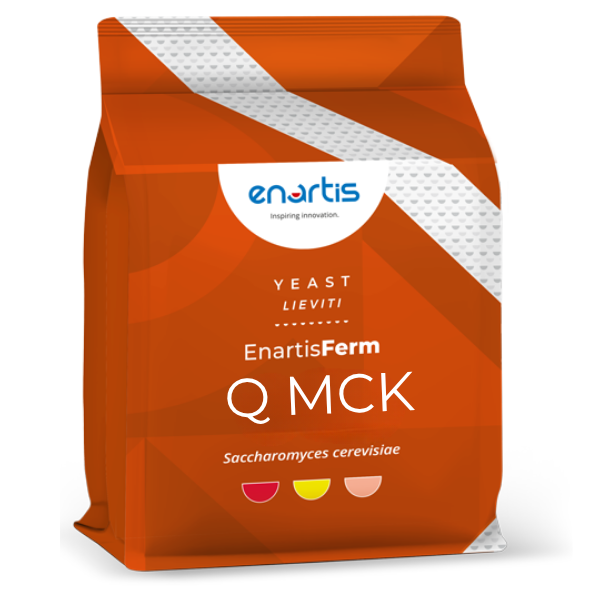
EnartisFerm Q MCK is a non-saccharomyces yeast (Metschnikowia pulcherrima) that was specially selected by the Centre of Excellence for Research in Microbiology (CERM) for its strong antimicrobial properties. CERM, established in 2024, specializes in research and development in the field of enological biotechnology. Its mission is to provide winemakers with reliable tools to improve their production processes through a tailored, scientific approach. EnartisFerm Q MCK is a natural alternative to SO2, and helps prevent quality loss caused by contaminating microbes and preserves aromatics. A non-fermentative yeast, its ability to quickly proliferate in juice and must even at cold temperatures makes it the ideal strain for bioprotection during pre-fermentation processing. Learn more about EnartisFerm Q MCK here! Questions? Contact your local technical sales representative or call (707) 838-6312.
00

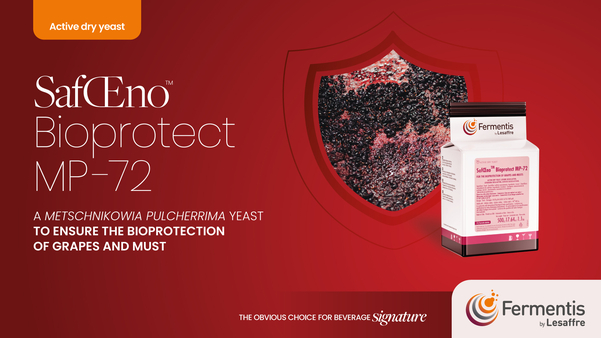
Selected for its very low fermentation capacity, SafŒno™ Bioprotect MP-72 is particularly suitable for the bioprotection of musts and grapes. SafŒno™ Bioprotect MP-72 is recommended for pre-fermentation phases on white and rosé musts (cold settling and stabulation) and on red grapes during cold soak/cold maceration. Read more here
00
SafŒno™ BioProtect MP-72 was isolated in a Loire Valley vineyard in France through a program carried out in partnership with the French Institute of Vine and Wine (IFV). Selected for its very low fermentation capacity, SafŒno™ Bioprotect MP-72 is particularly suitable for the bioprotection of musts and grapes. More information: Bioprotection for Grapes & Fruits | SafŒno™ Bioprotect MP-72
00

Reducing ethanol removes one of wine and beer’s natural protective barriers, increasing susceptibility to spoilage bacteria, refermentation and instability. Key challenges producers face: • Higher microbial pressure • Reduced SO₂ tolerance • Shorter shelf-life expectations Smart microbial control is essential, combining robust fermentation, bioprotection and precision processing to maintain quality without compromising flavour or clean-label goals. As low & no-alcohol demand grows, bacterial management becomes a quality differentiator, not just a safeguard. How are you managing microbial stability in low-alcohol products?
00
.jpg)
November 20, 2025
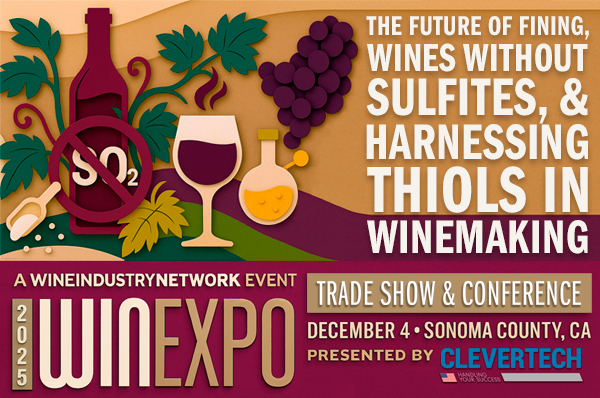
Explore the Science, Strategy, and Sensory Experience of Winemaking at WIN Expo Three forward-thinking sessions. One essential destination for winemakers. Today’s winemakers are navigating a new era of production - where innovation, precision, and consumer-driven values are shaping the future of the cellar. At this year’s WIN Expo, the Winemaking Conference Sessions, sponsored by Enartis, explore next-generation techniques and tools through a dynamic mix of expert insights, real-world case studies, and guided tastings. From alternative fining agents and sulfite-free protocols to thiol management and aromatic expression, each session is designed to equip you with practical knowledge to meet evolving challenges and craft wines with purpose and precision. Clarifying the Future of Fining: Comparing Plant-Based and Traditional Fining Agents in Winemaking With growing pressure to produce wines that are both sustainable and allergen-conscious, the use of plant-based fining agent
00
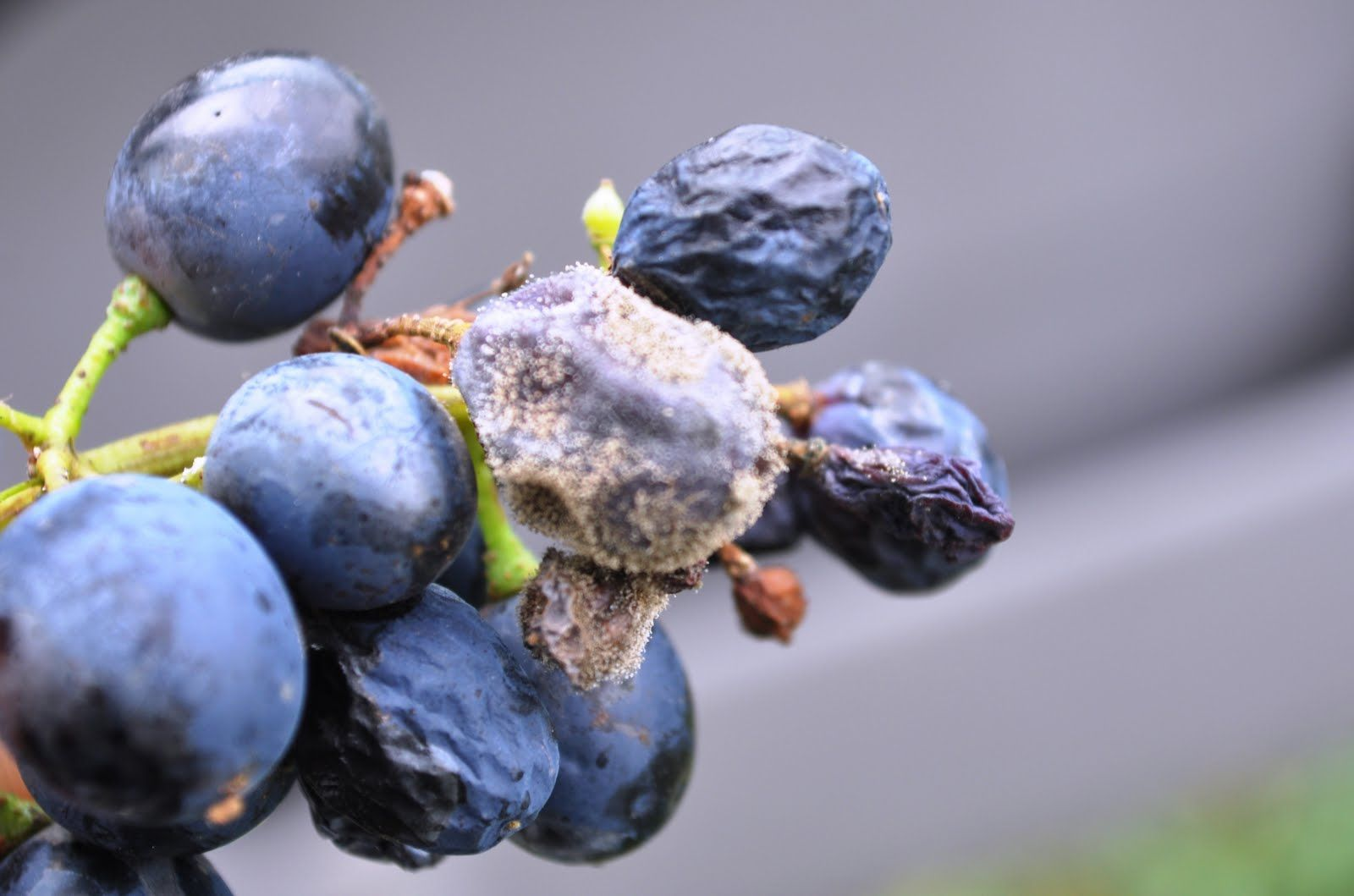
Myriad challenges keep winemakers up at night. Don't let rot-affected fruit be one of them. While daunting, rot doesn't have to define your wine. With proactive management and LAFFORT's targeted Rot Protocol, you can protect your wine's quality from vineyard to bottle. Our targeted approach: Vineyard/Crush: Bioprotection with EGIDE to safeguard fruit quality. Fermentation: Protective tannins & enzymes for clean extraction. Aging: EXTRALYSE to break down glucans for stability and clarity. Rot is a challenge, but it doesn't have to be a deal-breaker. Let's discuss a strategy for your cellar. Tap the link for our full Rot Protocol. Contact us - we're here to help.
00
October 1, 2025
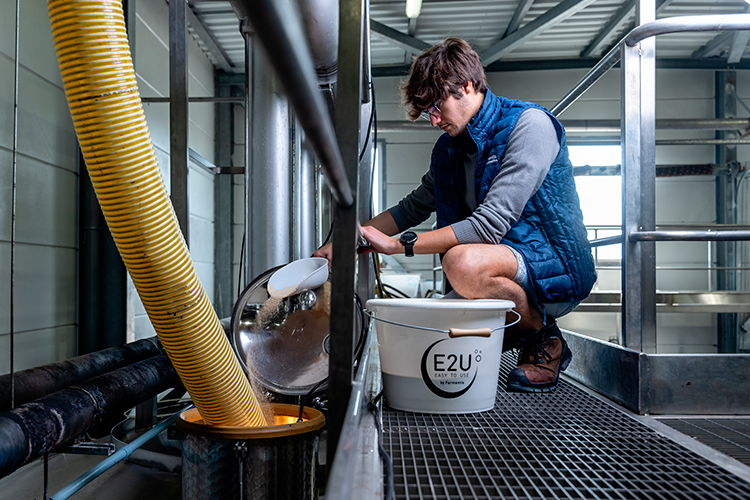
As a wine consumer, if you are looking for qualitative low-to-no-sulfite wines, you know it can be challenging. As a winemaker, if you are trying to craft wines with lower levels of sulfites, you know it is difficult to achieve. It requires a deep understanding of your processes, a solid knowledge of the science behind sulfites mechanisms of action, and continued efforts at all stages of your wine’s life cycle. The reasons why you are working on a low(er) SO2 winemaking program can be very diverse and multiple. You may be producing organic wines or simply trying to follow regulatory limits. You may be targeting to reduce the allergens in your wines or trying to use fewer chemicals in general. You may be worried about the negative effect that SO2 can have on your wines’ organoleptic qualities, or you are simply targeting to follow the overall health trend. In any case, Fermentis has solutions for you. As a global leader in the research and development of fermentation s
00

September 29, 2025
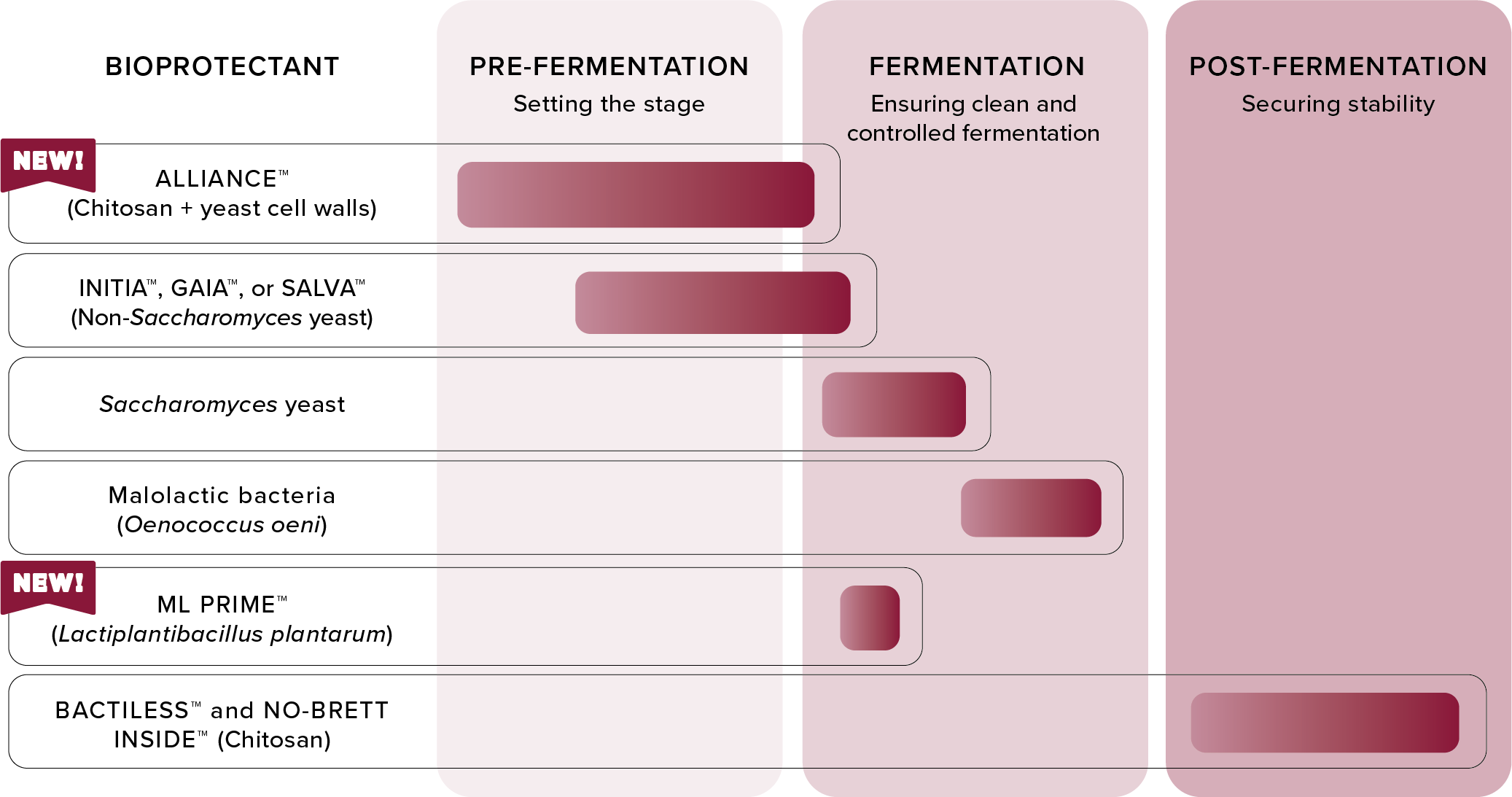
Pre-fermentation bioprotection tools can help control unwanted yeast and bacteria, limiting off-odors and flavors, and setting the stage for a clean fermentation. With so many options available, choosing the right tool for your winemaking style isn't always as straightforward. Basic Protection LEVEL2 INITIA™ (for whites and rosés) and IOC GAIA™ (for reds) are broad-spectrum Non-Saccharomyces yeasts that are ideal for protecting healthy fruit. They help control spoilage microbes and support a clean start to fermentation. Advanced Protection For damaged fruit or higher microbial pressure, stronger tools are needed. LEVEL2 SALVA™ (Suhomyces pyralidae) helps guard against Brettanomyces pre-fermentation. ALLIANCE™ (chitosan + yeast cell wall blend) is ideal when rot is present and spoilage organisms are unknown. Check out our entire portfolio of bioprotection tools and see how they may fit into your winemaking approach. Learn More
00

August 18, 2025
After a wet winter and a slow start to spring, California is now experiencing an unusually cool summer. While the extended hang time may sound ideal at first glance, many winemakers are concerned, and for good reason. Persistent cool, damp weather during the growing season brings with it an entirely different set of vineyard and cellar challenges, from disease pressure to delays in ripening. If you haven’t already, it’s time to start thinking about how this season’s cooler conditions may affect your fruit, and how to plan ahead to protect your wine’s quality. What’s the Problem with a Cool Summer? Cooler-than-average temperatures, especially when paired with humidity or late rains, can lead to several problematic outcomes in the vineyard: Delayed Ripening: Grapes take longer to reach phenolic maturity, and sugar accumulation may lag behind flavor development. This can result in unbalanced fruit and longer hang time on the vines. Increased Disease Pressure:
00

New Yeasts, Yeast Derivatives, and More Innovation doesn’t hit pause, and it doesn't always wait for the Handbook! We’re excited to introduce a few new products that weren’t quite ready for the handbook, but are here just in time for harvest. LEVEL2 SALVA™ Non-Saccharomyces Yeast Specific bioprotection against Brettanomyces, including SOâ‚‚-resistant strains. LALVIN ICV MILADY™ Yeast Balance and varietal fruit expression in red wines. CAUDALYS™ Yeast Derivative Nutrient Enhances minerality and lengthens finish in white and rosé wines. QI FINE™ Fining Agent Clarifies and removes astringent and oxidized phenolic compounds; non-animal alternative to PVPP. All New Winemaking Products Download our full New Products Brochure to explore all the latest additions this year. Download PDF
00