
Filter Post Type
NewsVideoProductEventLink
Sort:
Most Recent
1–10 of 11

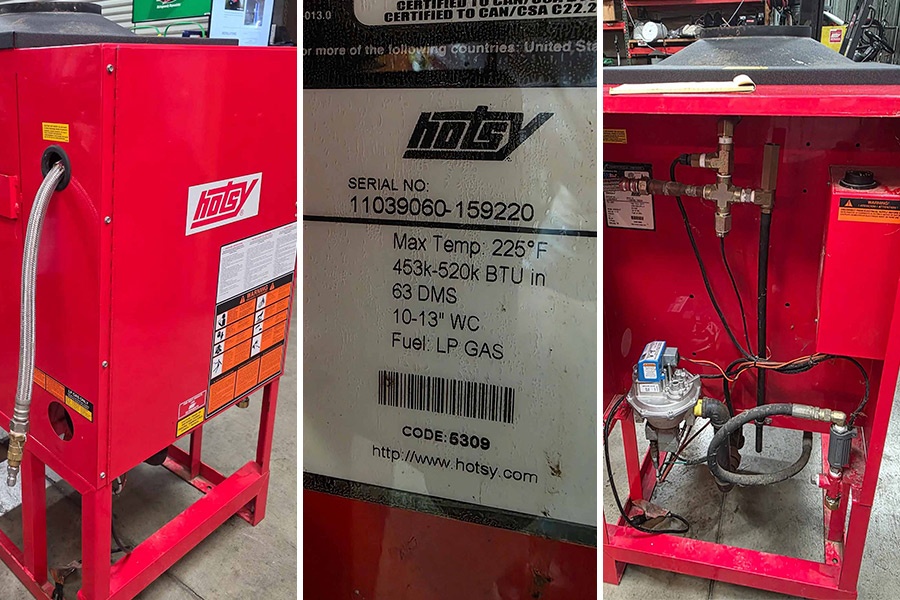
Upgrade Your Cleaning Game Now available: Used Hotsy 9452 Hot Water Heater (9400 Series, LP Fired) — a practical solution for wineries looking to improve sanitation efficiency and cleaning performance in the cellar. The Hotsy 9400 Series is designed to convert cold water systems into high-performance hot water cleaning setups, making it significantly more effective at removing tartrates, residues, and buildup in tanks, lines, and production areas. With high output capability and industrial-grade durability, systems like this are a valuable addition for wineries focused on maintaining quality and operational efficiency. View Listing The WIN Marketplace is built to connect buyers and sellers across the wine industry, and equipment listings like this Used Hotsy 9452 Hot Water Heater highlight how the platform helps wineries access practical tools that support efficient cellar operations. Designed to convert cold water systems into high-performance hot water cleaning solutio
00

March 14, 2023
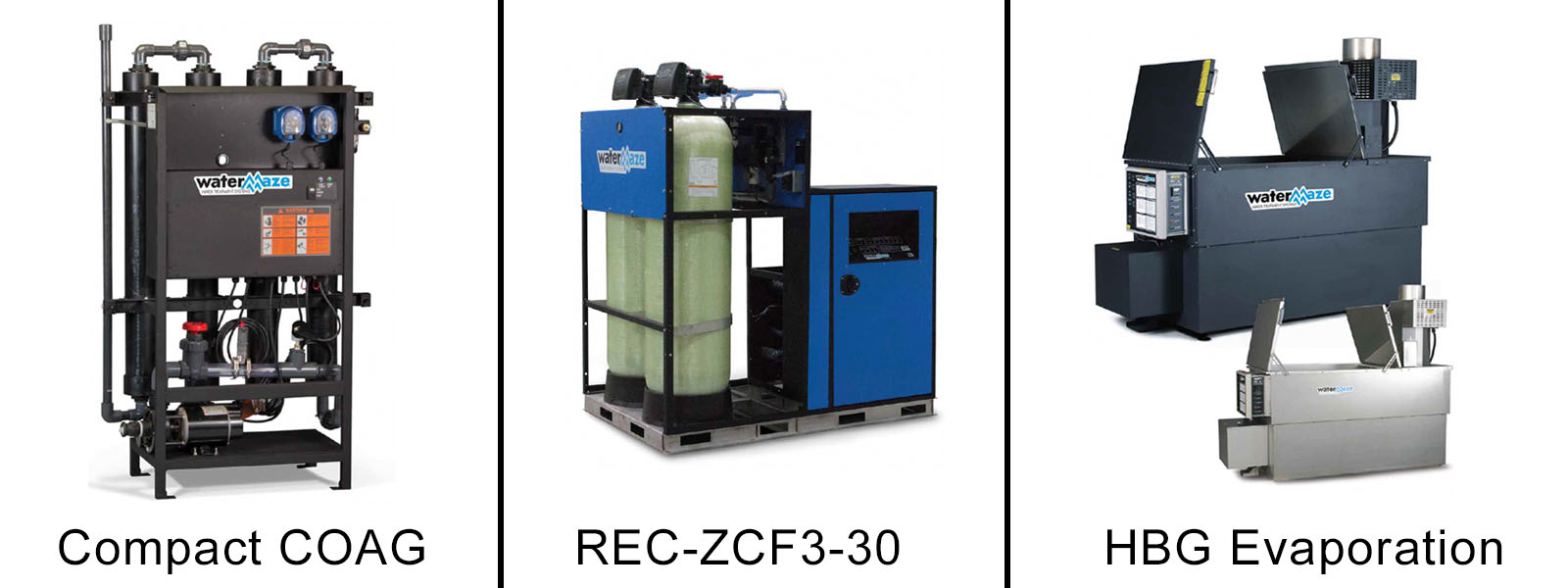
California is in a severe drought, and the lack of water affects everyone, from farmers to consumers. With agriculture accounting for the lion's share of water usage, government regulations on growers and producers are tightening, and consumers are increasingly expecting farmers, wineries, and other food and beverage producers to take action to reduce their water consumption. Sean Ring, the Vice President at NorthBay Equipment Service and Sales, has gained hands-on knowledge of this critical issue from listening to the many winery owners and managers who have come to him seeking better solutions for water usage. "Wineries use about 7 to 16 liters of water per liter of wine," says Ring, quoting from a study in the Journal of Water Science & Technology. "Vineyards gulp a lot of water, but the wine production process uses considerable amounts at other stages, too, largely to clean the production facility. Our company has focused on water consciousness for years beca
00

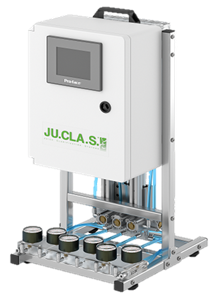
MicrOdue® Plus Dispensing system developed and patented by JU.CLA.S. is extremely accurate: oxygen is dispensed by means of delicate volumetric pumping. JU.CLA.S. was the first company in Italy that applied the micro-oxygenation technology using its own patent and now, after over 15 years, is proud to offer MicrOdue® Plus, the computer-based version of the most popular micro-oxygenation device used in wine cellars. Precise volumetric dispensing 6 independent dispensing points The dispensing scale can be set for each point in mL/L/hour, mL/L/day, mL/L/month The duration of dispensing can be preset independently for each single point Possibility to carry out micro and macro-oxygenation in small tanks (Continue Reading) MasterMind Remove Plus The system is designed for the management of dissolved gases in wine and the removal of other masking compounds. The system can be installed downstream to the bottling line to control the concentration of gases in the finished product
00
August 29, 2022
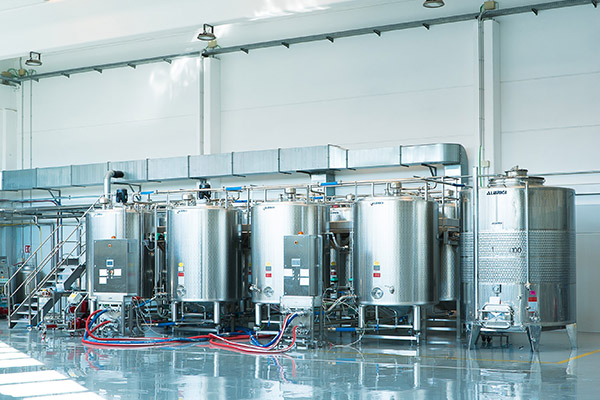
Color is one of the consumer’s primary considerations when tasting wine, especially red wine. Whether a beginner or a wine connoisseur, consumers consciously or unconsciously pick up on color cues when tasting and buying wines. Where the hue sits in the red-violet-blue range can reflect the wine’s acidity, the degree of opacity can indicate tannin level, and color intensity can suggest age. A pet peeve for many winemakers is seeing the color they spent so much time and money creating disappear as the wine ages. Producing an appealing and true-to-type color begins in the vineyard, where the varietal, soil, temperature, canopy, and other factors work together to yield the wine’s color. Climate change has added unpredictability to the mix, disrupting tried and true vineyard management techniques. After harvest, winemakers begin extracting color at crush, where temperature, use of whole-cluster fermentation or cold-soaking, and added compounds all impact the color
00

December 23, 2021
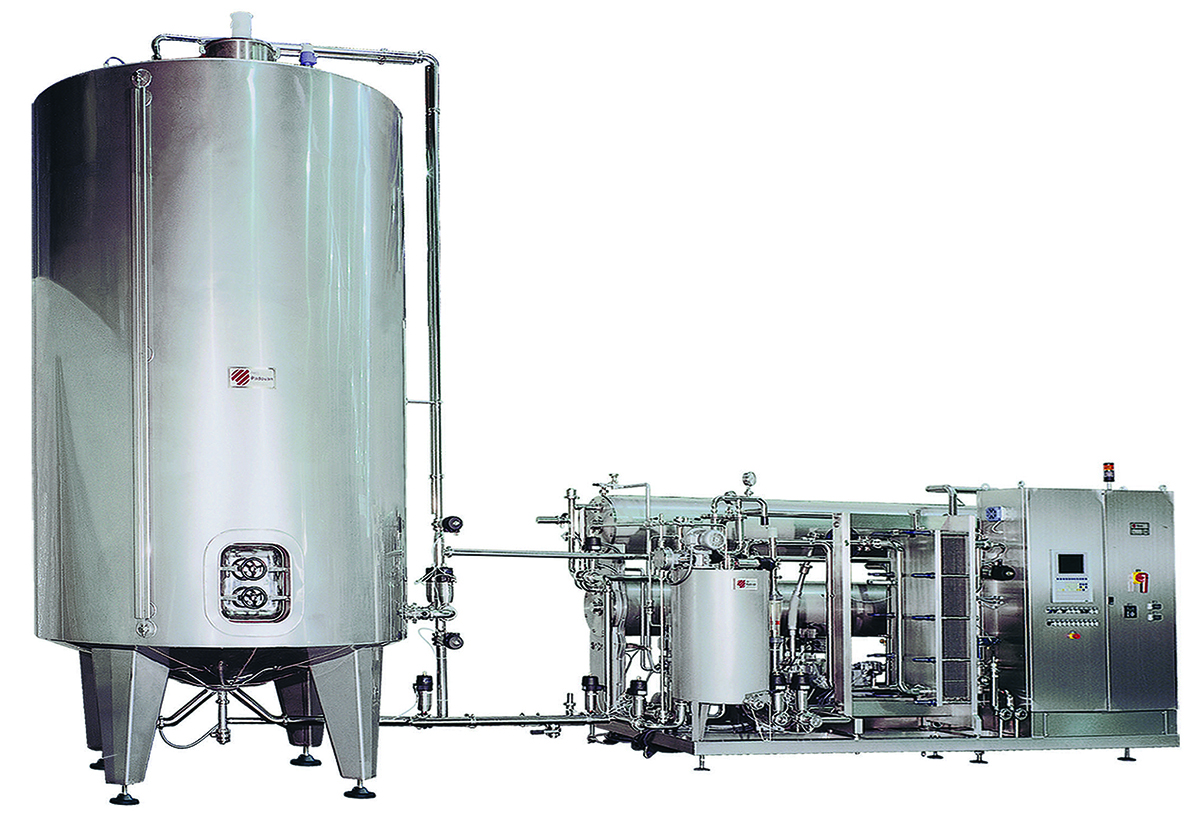
Sustainability has escalated into a top concern for consumers, governments and businesses worldwide. Consumer goods manufacturers have developed complex zero-waste water and energy conservation and other initiatives with goals set for 2030 or 2040. In the wine business, these practices are simply practical day-to-day decisions, especially where long-term drought, more frequent wildfires and increasingly early frosts impact each vintage. Viticulture is often the area wineries focus on when considering sustainability, but decisions about the winemaking process and equipment can also significantly impact a winery’s sustainability as well as its bottom line. The industry’s suppliers understand the rising importance of these concerns and have developed innovative solutions that deliver energy and water usage efficiency along with other benefits. A more sustainable winemaking process An example of sustainable winemaking equipment is the TMCI Padovan Kristalstop Cold Stabilizer,
00
Today's video is about our line of inactivated yeast: XPRO. With 5 different products, this line of adjuvants can complement any wine in the most natural way. In fact, the patented extraction and dehydration process preserves the antioxidant, sterols and fatty acids compounds that yeast cells are rich in, giving the product a very distinctive flake form and sweet and creamy-like aroma. 3x the concentration of antioxidant compounds Reduces vegetal and green flavors Contribution to the stabilization of tartrates in white wines Stabilization of color in red wines Balances RedOx, resulting in better preservation of aromas and organoleptic in time Reduced use of preservatives Check the video out and contact us today!
00
June 14, 2021
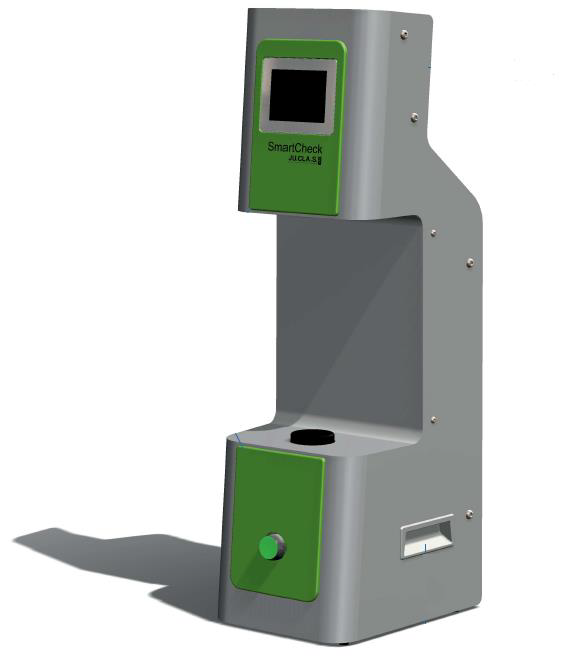
New laboratory instrumentation, intuitive and versatile, to obtain results about the tartaric stability of the wines. It interfaces with other company systems in compliance with the 4.0 industry guidelines for interconnectivity, equipment dialogue, and automation. The assessment done with SmartCheck® can be carried out at 5 possible temperatures for the time decided by the operator; This makes it a “direct” tool, that can be used either for scientific research investigations or to control the production stages by obtaining a parameter that is certain and consistent. The results can be seen in real-time on an intuitive display of screen pages, where the test can be followed through five parameters: temperature, initial, instantaneous, differential conductivity, and minutes remaining before the end of the assessment. The tool can be connected either to a smartphone that controls the test or to a connected PC interacting online. Features of the SmartCheck® • Test
00
Tartrate stabilization is a complex process used to avoid the formation of tartrate crystals (“wine diamonds”) in wine. The most common method employed today is cooling the wine to intentionally form crystals that are then filtered out. Even though this method is widely accepted, it can be unpredictable, and extended hold times at low temperature may negatively impact the aromatics and flavor of the wine. ATPGroup, in partnership with TMCI Padovan, offers winemakers two innovative options to traditional cold stabilization. The Ambra ion-exchange plant stabilizes tartrates using cation resins instead of low temperatures, thereby removing the chilling requirement. This treatment can be used on wine and juice and has no impact on the colloidal makeup or the color of the wines being treated. In addition, the Ambra is effective in treating wines with high calcium, magnesium or iron salts which can make traditional cold stabilization difficult. The Ambra systems offer reduced sta
10

July 21, 2020
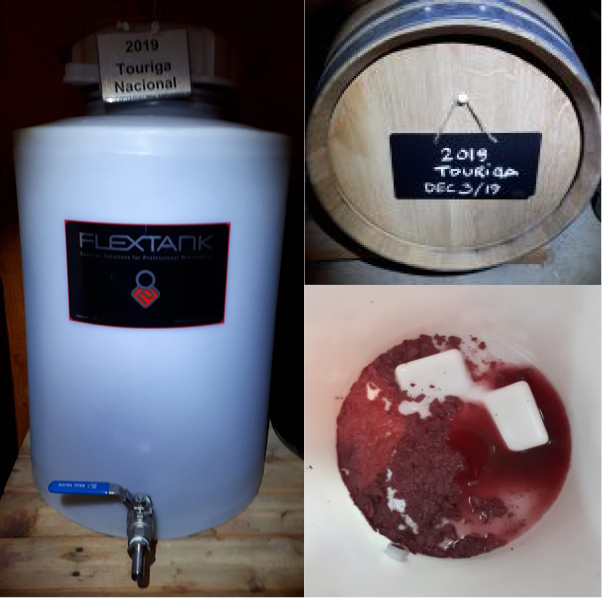
Daniel Pambianchi, creator of Techniques in Home Winemaking, and author of books including Kit Winemaking: The Illustrated Beginner's Guide to Making Wine from Concentrate, Techniques in Home Winemaking: The Comprehensive Guide to Making Chateau-Style Wines, and Wine Myths, Facts & Snobberies, states he set an objective for a personal study to compare the performance of a Flextank vessel to that of a second-year barrel, both equipped with an oak adjunct. 6 months into his study, Daniel writes that the goal was to assess performance on both quantitatively by measuring and analyzing pertinent enological parameters and qualitatively by tasting and evaluating the wine. Some exciting findings... The barrel-aged and Flextank wines have very similar chemistries except for some small analytical but imperceptible differences that do not all translate to sensory differences yet. Both wines have very similar sensory profiles with the Flextank being just a little bit smoother owning to t
00
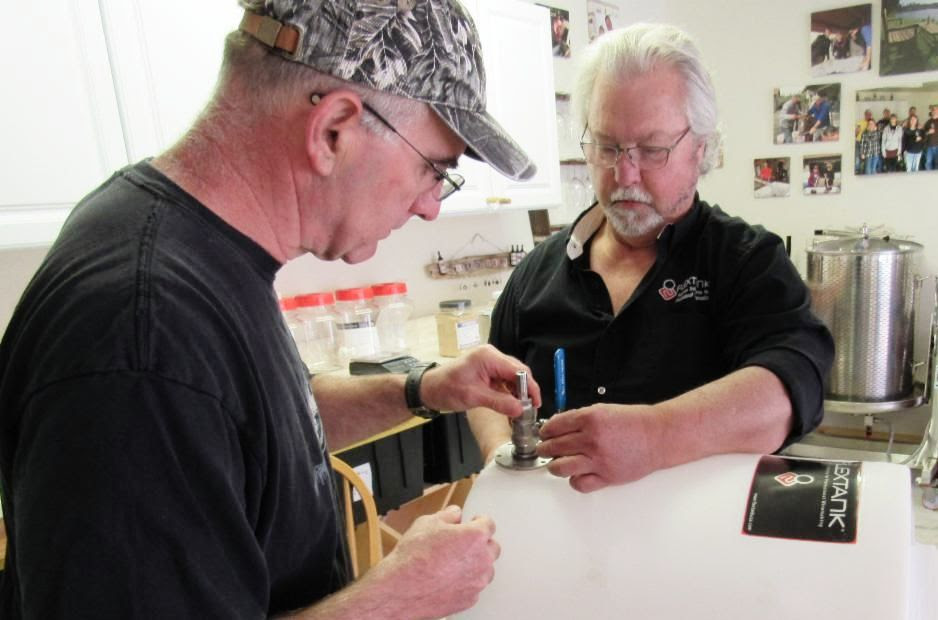
It is vital to the quality of your finished product to thoroughly clean and sanitize your tanks between batches and before storing. Lack of proper cleaning can cause many undesirable effects including staining, etching, pitting, corrosion, and microbes to form in the tank which will negatively affect the final product. Here are the steps we recommend for properly cleaning and sanitizing your Flextank to maintain the impeccable quality of your product and preserve your tanks' life for years to come. Below are quick-start steps. Step 1: Prep the Tank The first step in the cleaning process is to remove the lid assembly and verify that any drain or sample valves are in a closed position. Step 2: Hot Water Soak Next fill your tank with warm or hot (140 degrees F is the optimal recommended temperature) non-chlorinated water to dissolve any tartrates or deposits. Step 3: Disassemble & Soak Lid While the tank is soaking, disassemble and soak the lid, cap, and gasket in a small tub of
00