
Filter Post Type
NewsVideoProductEventLink
Sort:
Most Recent
1–8 of 8

December 1, 2025
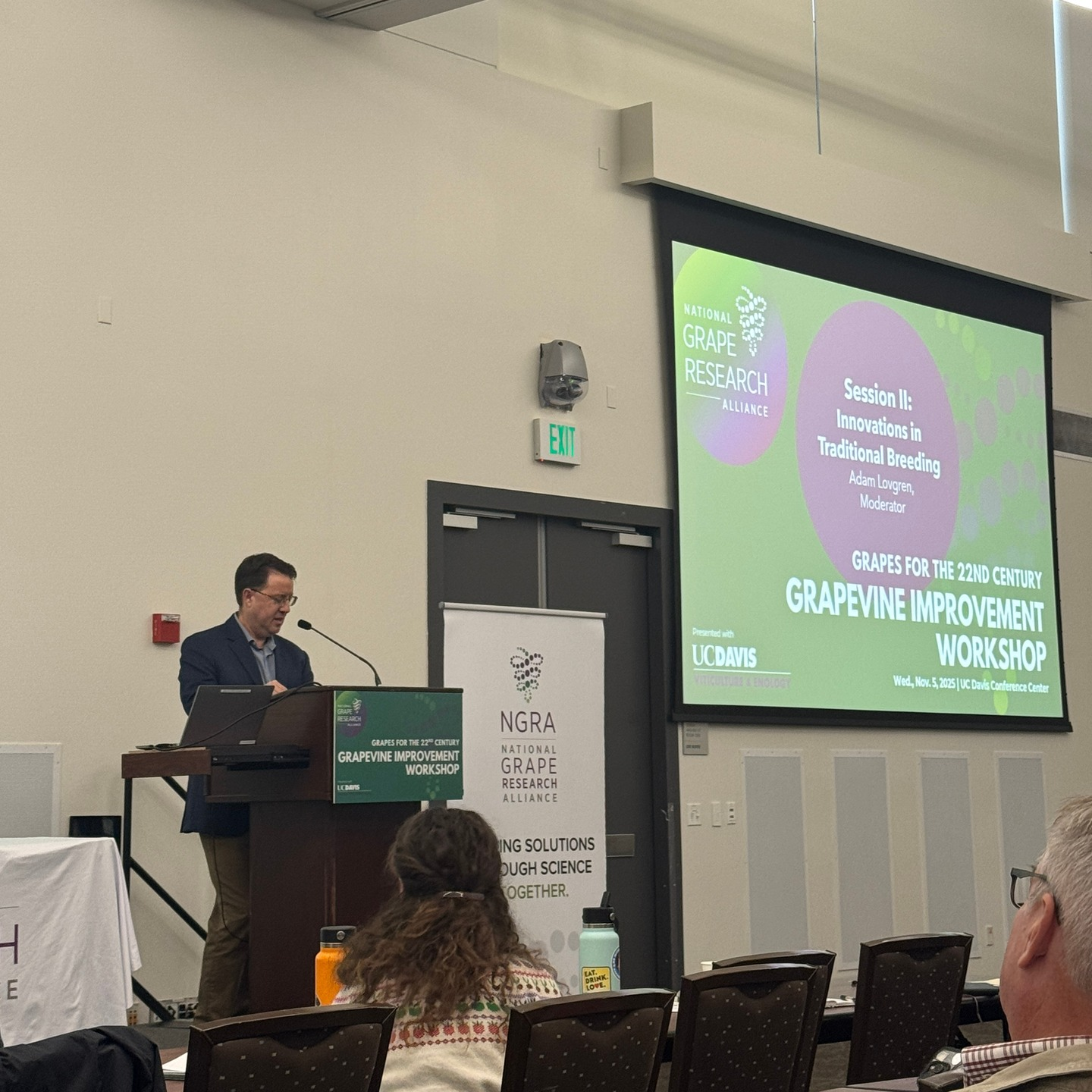
Sunridge Nurseries' VP of Operations, Adam Lovgren, participated on behalf of the California Grape Rootstock Research Foundation as moderator for Session II: Innovations in Traditional Breeding at the recent NGRA/UC Davis Grapevine Improvement Workshop. The session highlighted advancements in climate-resilient rootstocks, improved fruit and cultivar quality, resistance breeding, and the integration of modern genomic and phenomic tools, with presentations from Dr. Luis Diaz-Garcia, Dr. Margaret Worthington, Professor Dr. Oliver Trapp, and Dr. Maddy Oravec. The full conference offered valuable insights into how the future of grapevine breeding and genomics can expand varietal options for growers, helping address evolving challenges in disease and pest resistance, climate impacts, and the development of improved cultivars.
00

Event Type: Seminar
Location: Niner Wine Estates, 2400 CA-46, Paso Robles, CA
Date: 1/1/1970
There are a lot of things to consider when you are developing a vineyard site. Walk a recently developed vineyard at SIP Certified Niner Wine Estates and learn how veteran growers: Choose a site Consider soil types Select rootstocks Design trellis systems Determine ideal plant material Incorporate soil amendments Care for young vines Speakers: Craig Macmillan, Niner Wine Estates Lucas Pope, Coastal Vineyard Services Jon Winsted, Vineyard Professional Services Fritz Helzer, Mesa Vineyard Management When & Where: Wednesday, May 15, 9:00-11:00 am Niner Wine Estates, 2400 CA-46, Paso Robles, CA REGISTER
00

There are a lot of things to consider when you are developing a vineyard site. Walk a recently developed vineyard at SIP Certified Niner Wine Estates and learn how veteran growers: Choose a site Consider soil types Select rootstocks Design trellis systems Determine ideal plant material Incorporate soil amendments Care for young vines Speakers: Craig Macmillan, Niner Wine Estates Lucas Pope, Coastal Vineyard Services Jon Winsted, Vineyard Professional Services Fritz Helzer, Mesa Vineyard Management When & Where: Wednesday, May 15, 9:00-11:00 am Niner Wine Estates, 2400 CA-46, Paso Robles, CA REGISTER
00

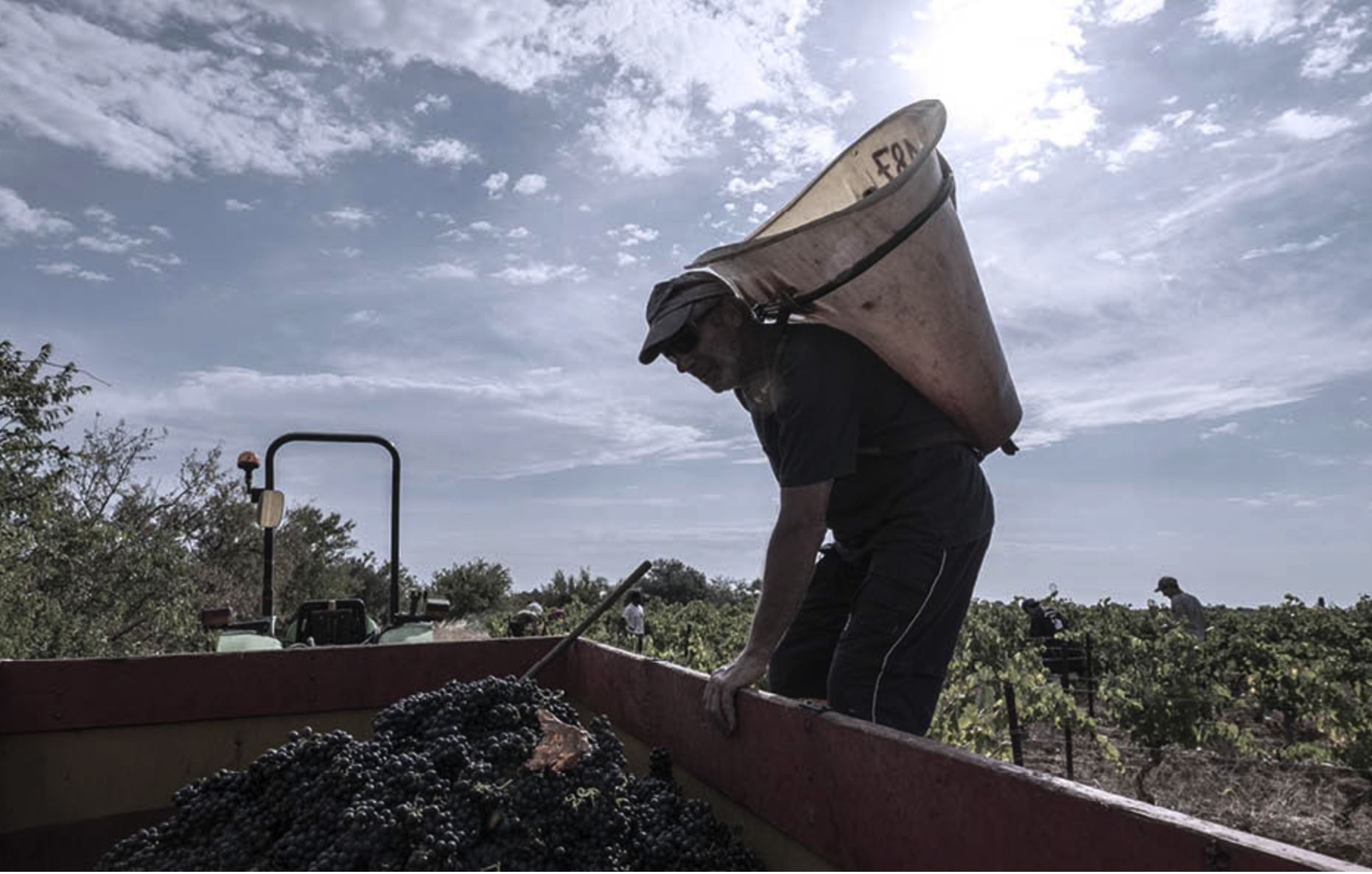
Unstable weather is making it increasingly hard to decide picking dates for grapes. We caught up with leading winemakers from Australia, France and the UK to find out how earlier harvests are impacting on grape quality. Having always been at the mercy of Mother Nature, winemakers are acutely aware of the impact climate change is having on their livelihoods. Temperatures aren’t only rising, weather patterns are becoming increasingly erratic and extreme, and incidents of devastating wildfires, floods, droughts and late spring frosts are becoming more commonplace in the world’s leading wine-growing regions. In 2021, France was besieged by a cocktail of climate catastrophes, from destructive spring frosts and raging wildfires to violent hail storms. The April frosts across swathes of French vineyard land were particularly brutal, resulting in losses of up to EUR 2 billion. Yields across France hit historic lows in 2021, down 30% on average, though losses were far worse in many
00
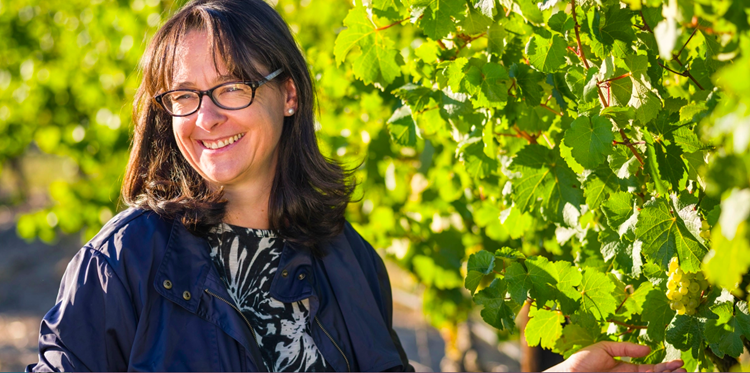
During her 20-year career at Yalumba, Louisa Rose has become one of the world’s most respected winemakers, challenging perceptions of Barossa Valley Shiraz and helping to put Australian Viognier on the world wine map. We caught up with her to find out how the 2022 vintage is shaping up, and the changes she’s making in the vineyard to safeguard the estate against global warming. How are things going at Yalumba – what’s new for 2022? All is well – Australian wine in general has had a few headwinds in the commercial red space on the back of the Chinese tariffs, and we’re working to balance our supply and demand. Things are generally looking strong as we have a well-balanced portfolio. What have you been focusing your efforts on recently? Sustainability is a big focus at the moment. We’ve been measuring our carbon footprint for decades, but all of a sudden people want to hear about it. We wouldn’t still be here if we hadn’t made i
00


As the vineyard moves from winter pruning through bud break to veraison and harvest, a vineyard manager and his team continuously work their way through the canopy, tending vines and grapes to ensure they yield the highest quality wine possible.
As the vineyard moves from winter pruning through bud break to veraison and harvest, a vineyard manager and his team continuously work their way through the canopy, tending vines and grapes to ensure they yield the highest quality wine possible. At each stage in the process, the team takes measurements: logging hours worked, recording the amount of water, fertilizer and pesticides applied, counting the flowers and grape bunches on each vine, measuring Brix levels, and noting the date they captured each metric. Viticulturists must synthesize all this information to assess the health of the vines, progress of the grapes, the efficiency of the work, and make decisions about all parts of the vineyard’s management.
Process2Wine® softwar
00

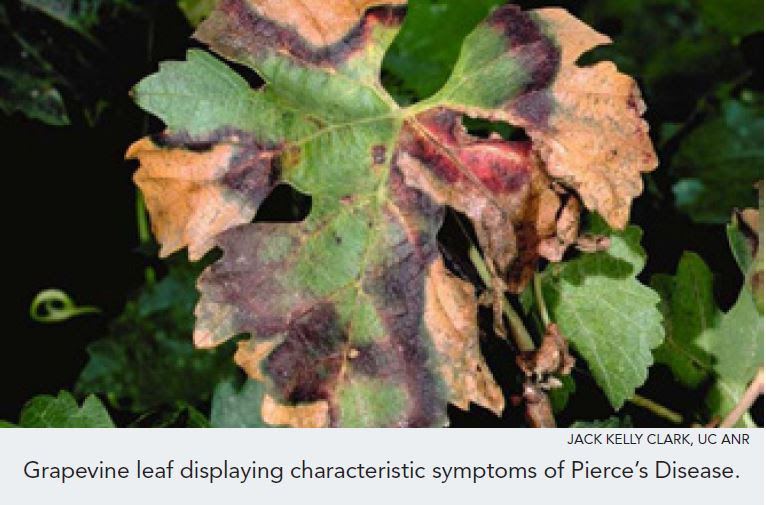
Pierce's Disease has been a scourge of vineyards for well over a century. It was discovered near the end of the 19th century by Newton Pierce, so the disease took on his name after originally being given the name Anaheim Disease (having been discovered in that area’s vineyards well before Disney and all that pavement moved in). Pierce’s Disease (PD) is a nasty disease caused by the bacterium Xylella fastidiosa, which is vectored by several different sharpshooter insects, including blue-green, red-headed and glassy-winged. The bacteria colonize the xylem vascular tissue. The bacterial colonies, along with gums that are exuded by the vine itself, clog the vessels and effectively choke off the vine’s water transport system. The disease is catastrophic in that it cannot usually be surgically removed from the vine and will most often quickly reduce both its fruit production and fruit quality before finishing off the job and killing the vine after a few years.
It is n
00

February 10, 2020
Casa Cristal Nursery opened in 1990 with a commitment to growing relationships as well as vines. The company has been partnering with growers for three decades, providing healthy, true-to-type grapevines and rootstock backed by quality assurance and exceptional service unparalleled in the industry. “We go to great lengths to deliver a high standard of product and service that meets or exceeds grower expectation,” asserts Casa Cristal’s General Manager Justin Jackson. “Our commitment to customers is service, reliability and exceptional quality of vines.” Casa Cristal Nursery offers dormant bare root grapevines as well as green growing potted vines. All of their rootstock increase blocks are on raised trellises to minimize soil contact. This improves sanitation and limits contamination risk from soil-borne bacterial and fungal pathogens. Casa Cristal continues to expand its greenhouse facilities, investing in infrastructure, automation
00