
Filter Post Type
NewsVideoProductEventLink
Sort:
Most Recent
1–10 of 16

February 11, 2026

Most wineries don’t have a promotion volume problem. They have a promotion design problem. When you look closely at wineries delivering strong margins alongside steady consumer sales growth, patterns start to appear. Not because those promotions are trendy or copied from competitors, but because they are intentionally designed to drive revenue while protecting long-term customer behavior and brand value. Modern promotion strategy is not about running more campaigns. It is about structuring incentives that influence how, when, and why customers buy. Across the strongest performing wineries, promotions are increasingly treated as part of the revenue model rather than just part of the marketing calendar. They shape demand, influence order composition, and support long-term customer value. Why Promotion Strategy Is Really Revenue Strategy Promotions are no longer just marketing tactics. They are one of the most controllable levers inside a winery’s DTC P&L. For most wineri
10
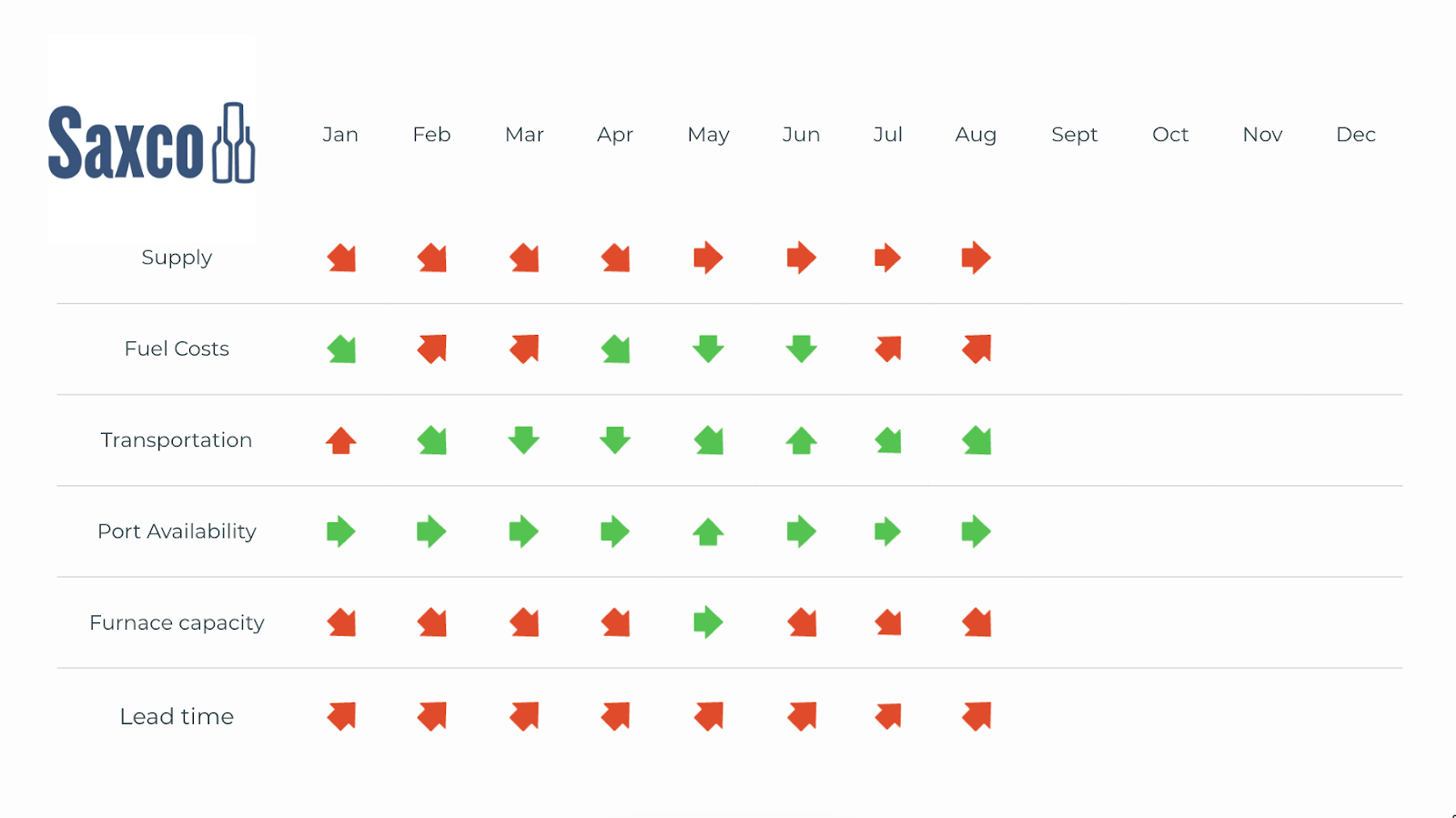
July's supply chain landscape feels deceptively calm, but the undercurrents are shifting. Fuel costs ticked upward again – $3.599 to $3.779 per gallon – putting quiet pressure on logistics, even as transportation costs eased with the surprising disappearance of peak season surcharges. That dip is a welcome but likely temporary reprieve. On the production side, capacity continues to tighten: OI’s Portland plant has officially closed, and two additional furnaces are scheduled to go offline, which continues to raise concerns about domestic supply heading into the back half of the year. Lead times have not budged from June’s elevated levels, but with fewer furnaces online, we are likely to see that stress compound by fall. Ports remain neutral, and overall supply feels steady – but for now, it is a still surface over increasingly strained infrastructure. Tariff watch: The rules are changing The new US tariff rates announced on July 31 mark a signifi
00

July 22, 2025
As the dust settles from recent shifts in California distribution—particularly for suppliers who were formerly working with RNDC—it’s decision time. Your next move is critical, especially in a market as complex and competitive as California. Before signing with a new distributor, it’s important to take a step back and strategically evaluate your options. While some opportunities may look promising on the surface, the details matter. Here's what every small to mid-sized supplier should be thinking about: 1. The Big Distributors Are Focused Elsewhere The top three distributors recently took on dozens of $50M+ brands, marking a seismic shift in portfolio priorities. Here’s what that means for you: Attention is limited. Smaller suppliers (think sub-$5M in revenue) are unlikely to get airtime with portfolio managers or sales reps. Placements may be at risk. If your product isn’t a top-tier revenue driver, it could be deprioritized or even replac
00
July 24, 2024
What is PAGA? Since 2004, California’s Private Attorneys General Act (“PAGA”) has allowed an individual employee to “stand in the shoes of” the State to recover civil penalties from an employer for Labor Code violations—not only for violations against the single employee bringing suit, but for violations against all aggrieved employees. In this way, a PAGA lawsuit is a representative action like a class action. However, PAGA actions do not play by the same rules as class actions. How is PAGA different from a Class Action? Because an employee bringing a PAGA action is (in theory) acting as a private attorneys general to enforce State laws, PAGA actions are not treated like traditional civil lawsuits. Instead, they are treated as administrative enforcement actions brought by the State. For this reason, many of the limitations on class action lawsuits do not apply to PAGA actions. For example, PAGA actions cannot be waived, worker class certification an
00

March 29, 2024

EPDM vs. Butyl: which is best for your next hose? A few years ago the common thinking was that Butyl was the clear choice for a modern winery or brewery. EPDM hose is thought to be “old school”. But, as always, we've learned some interesting lessons from our customers on this one. After all, they have boots on the ground and hose in the hand. Some customers have given us some great reasons why EPDM shouldn't be counted out, and may be preferred in some instances. Let's go over the reasons. EPDM vs. Butyl: The History First, a little history: Between EPDM and Butyl, EPDM hoses were the most commonly used hoses in wineries and breweries around the world for many years. In general, EPDM is a very safe choice for common rubber items in a brewery (think tri clamp gaskets or valve seats. They're usually EPDM). In the USA, Butyl started to take over in popularity from EPDM hoses some 10-15 years ago. Particularly once GlideTech introduced their hoses with a n
00
March 19, 2024
A recent $5.5 million settlement payment from one of the country’s largest alcoholic beverage wholesalers serves as a good reminder that California law restricts the amount of late fees and interest that can be charged in connection with the purchase and sale of alcoholic beverages to retailers. Cal. Bus. & Prof. Code § 25509 provides that various alcoholic beverage manufacturers and wholesalers who sell and deliver alcoholic beverages to a retailer and who did not receive payment for such alcoholic beverages within 42 days of delivery shall charge the retailer 1% of the unpaid balance on the 43rd day and an additional 1% for each 30 days thereafter. In 2014, a Los Angeles-based retailer, Wiseman Park, LLC (“Wiseman”), brought an action against Southern Glazer’s Wine and Spirits, LLC (“Southern”) in connection with Southern’s attempt to collect not only the Section 25509 statutory late payment penalty, but also a 1% per month “ca
00
February 12, 2024
Employment laws in California are always changing, and it is important for employers in California to keep up with these changes to ensure their policies and practices are compliant. This blog post provides key updates to the California employment laws that all employers should know for this year. Minimum Wage Increase Beginning January 1, 2024, the state minimum wage for all employers has been increased to $16.00 per hour. This rate reflects a 3.5% increase from this year’s minimum wage based on the law’s provision that allows this increase if the national Consumer Price Index (“CPI”) is over 7%. All employers must post the current minimum wage rate in a common area where employees can easily view it. With this new rate of $16.00/hour, the minimum salary for exempt employees in 2024 has also increased to $66,560.00/year. Note that the minimum salary is tied to the state minimum wage rate, not individual municipalities. Employers should also check if there
00

Starting January 1, 2024, wine and distilled spirits products will be added to the California Beverage Container Recycling Program (BCRP). The Bottle Bill will require beverage containers to have a California Redemption Value (CRV) ranging from $0.05 to $0.25. Beginning July 1, 2025, producers will be required to include “CA Redemption Value,” “California Redemption Value,” “CA Cash Refund,” “California Cash Refund,” or “CA CRV” on all beverage containers sold or offered for sale in California. The new regulations are being touted as the largest change to the California Wine Industry since the end of prohibition. And It is set to affect nearly 50% of wine producers in America – 4,400 CA wineries and 1,100 CA Type 82 Licensees (CA direct shipping license). Despite numerous webinars hosted by CalRecycling and others, many are unaware of this significant change. Even prominent producers are being
00
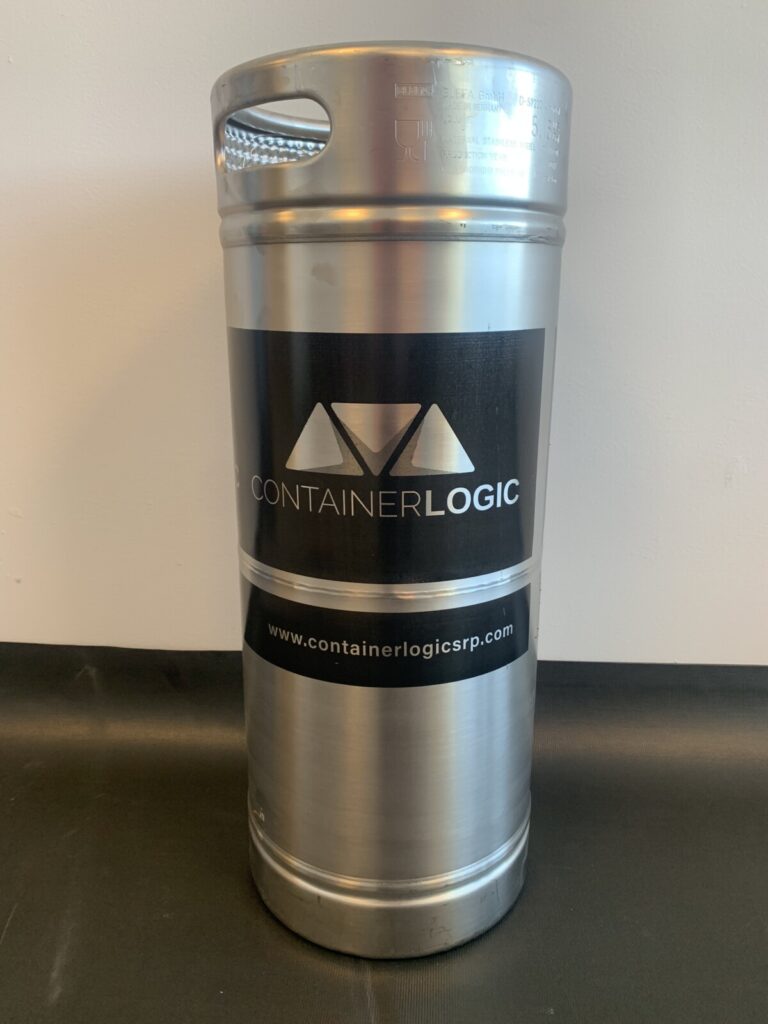
See how we can help you grow without straining your cash flow. At Container Logic, we have your bottom line and growth in mind. From production to packaging to serving vessels, we offer several sizes and styles of containers with the versatility you have been looking for. Our world class containers and kegs are ready to ship at budget friendly rental terms. Want to own your equipment without the capital expense? Our containers are available at standard and custom rent-to-own terms with no early buyout penalty. Have any questions? Email Us: wine@containerlogicsrp.com Call Us: (317)-522-1014 Visit Our Website: www.containerlogicsrp.com
00
June 12, 2023
In September of 2022, California Governor Gavin Newsom signed into law Senate Bill 1162, also known as SB 1162, the Pay Transparency Act, which went into effect on January 1 of this year. This new pay transparency law adds new requirements for payroll, hiring, and recruiting in the state of California. SB 1162 sets new expectations for businesses operating and hiring in the state of California regarding pay scale and pay data reporting, making adherence to the new requirements especially important for payroll, hiring, and recruiting. This new development highlights the ever-changing nature of the landscape of California employment law and the importance of having HR support specialists who focus on these California requirements on your side. How California Expands Pay Transparency Requirements In an earlier blog post, we looked into the key points from SB 1162, namely its new requirements for pay scale and pay data reporting. For hiring and recruiting personnel, the former is most pert
00