
Filter Post Type
NewsVideoProductEventLink
Sort:
Most Recent
1–10 of 18


Four 2026 Napa Valley Grape Listings from One Source This month’s featured grape offerings bring together four red varietals from the same seller, giving wineries a focused opportunity to explore multiple lots through one point of contact. From the bold color and structure of Petite Sirah and Petite Verdot to the depth, lift, and blending flexibility of Cabernet Sauvignon and Cabernet Franc, this collection offers winemakers a practical way to build or refine a 2026 red wine program with intention. Whether you’re sourcing fruit for a standalone bottling, strengthening a Bordeaux-style blend, or planning ahead for the coming harvest, these listings provide a strong starting point for conversations around availability, fit, and program needs. Cabernet Franc An expressive red variety that can bring lift, aromatics, and finesse to blends or standalone bottlings. View Listing Petite Verdot A classic blending variety with color, tannin, and aromatic intensity for Bordeaux-style program
00
April 22, 2026
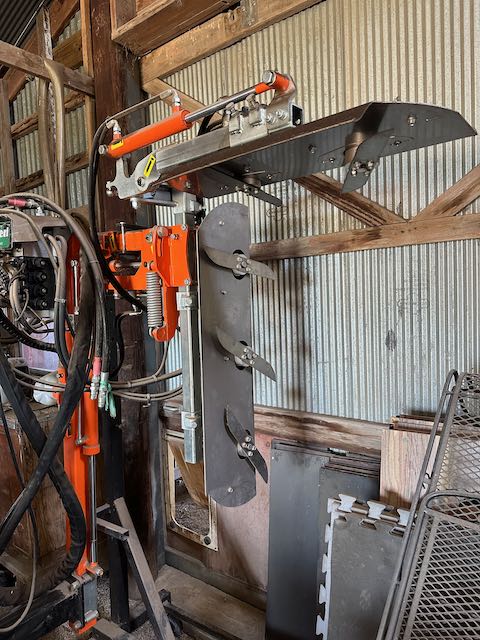
Hedge Faster. Farm Smarter. Now available: Rinieri CRV 132 Vine Hedger — a practical, high-efficiency solution for vineyards preparing for canopy management as the growing season ramps up. As shoots extend and canopy density increases, hedging becomes a critical step in maintaining vine balance, airflow, and sun exposure — all of which directly impact fruit quality and disease pressure. Equipment like the Rinieri CRV 132 helps streamline this process, allowing vineyards to reduce labor demands while maintaining clean, consistent cuts across rows. With canopy work approaching quickly, listings like this offer a timely opportunity to get ahead of the season and improve operational efficiency. View Listing The WIN Marketplace is built to connect buyers and sellers across the wine industry, and equipment listings like this Rinieri CRV 132 Vine Hedger highlight how the platform helps vineyards access the tools needed to manage critical stages of the growing season. As canopy management be
00

October 28, 2025
The California legislature recently amended the California recycling labeling requirements for wine and spirits containers, making it significantly easier for wineries and distilleries to comply. The new law, AB 720, extended the deadlines for complying with the labeling requirements and authorized the use of QR codes for CRV compliance. Here are the specifics: The deadline by when all wine and spirits containers in the marketplace must have CRV labeling has been extended a year, from July 1, 2025 to July 1, 2026. The cut-off date for the permanent exemption of already labeled containers from CRV requirements has been extended 18 months, from January 1, 2024 to July 1, 2025. Now, any containers filled and labeled without CRV markings before July 1, 2025 will not need any additional labeling to be compliant, even if sold after July 1, 2026. Wineries and distilleries may now use half-inch high QR codes for CRV compliance. This creates an important precedent for other states to follow. W
00
February 7, 2024
As mentioned in our recent blog post, Compliance With Bottle Bill Just One Month Away for Wine and Spirits, California law changed on January 1, 2024, to include wine and distilled spirits in California’s Beverage Container Recycling Program. California wineries and distilleries will now need to register with CalRecycle, submit monthly reports, pay certain fees, and make sure their labels include an appropriate recyclability message from July 1, 2025. CalRecycle will host a 2-hour webinar on February 23, 2024 aimed at small wineries to explain how the changes will affect them. The webinar will also include a demonstration on how to use the Division of Recycling Integrated Information System (DORIIS) for monthly reporting and payment of fees. The webinar is limited to 1,000 attendees, so register as soon as possible at https://us02web.zoom.us/meeting/register/tZYkd-6upj4tEtCVEASeUimnDkRGDsY7glXV. The webinar will conclude with a Q&A session. For questions about the
00

February 5, 2024
CalRecycle anticipates bringing 1 billion bottles into the recycling program with the addition of wine and spirits. Amy Cameron, CalRecycle Written by Jeanette Tan | Photo by Shutterstock This new law affects all California wineries and out-of-state wineries shipping directly to customers in California. Just a reminder that I’m not a CPA or a Compliance expert. For the rules and regulations go to CalRecycle CalRecycle YouTube Channel Webinar Recording Register for CalRecycle webinar on December 13th 11/20/23 Update - Turns out (no surprise) some of the rules have been changing. The Sonoma County Vintners held a webinar in Mid-November and discussed these changes: Sonoma County Vintners YouTube Video 11/20/23 Wines bottled and labeled before January 1, 2024 DO NOT need to comply with the label rules, so get your labels for your 2024 botte runs updated now. The winery needs to pay for the CRV for wines sold to Restaurants and DTC (including restaurants is a
00
December 19, 2023
Here’s a timely reminder about the new California recycling requirements going into effect January 1, 2024. Registration with CalRecycle. If you haven’t already done so, it’s time to register with CalRecycle as a beverage manufacturer and/or beverage distributor, and make any changes to your POS and accounting systems needed to keep track of the fees that are your responsibility (described below). You also need to make sure that your POS system calculates the CA sales tax on the total retail price of wine sold, including the CRV fee. CRV fees. If you sell wine or spirits to California consumers and/or retailers, you are considered a “beverage distributor” under CA’s recycling law. Beginning January 1 you must collect CRV fees on all bottle sales to California customers. CRV fees are $0.05/container for containers under 24 fluid ounces, $0.10/container for containers 24 fluid ounces or more, and $0.25 for bladders and boxes of any size. You will re
00
December 1, 2023
COMPLIANCE WITH BOTTLE BILL JUST ONE MONTH AWAY FOR WINE AND SPIRITS On January 1, 2024, California’s container recycling deposit system (referred to often as the “Bottle Bill”) will expand to include wine, spirits, and wine and spirits coolers (regardless of ABV). Below is a brief overview of what wineries, distilleries, importers and wholesalers of wine and spirits need to do to comply! Register with CalRecycle as a Beverage Manufacturer and/or Distributor Register with CalRecycle as soon as possible to prepare for monthly payment and reporting requirements beginning January 1, 2024. California-Based: California wineries and distilleries, and importers of wine or spirits into California, will need to register as a “beverage manufacturer.” They will also need to register as a “distributor” if they sell to retailers (whether on-sale or off-sale), restaurants, bars, or directly to consumers. Out-of-State: Out-of-state wineries and distille
00
October 31, 2023
Amendments to California’s bottle bill became law October 13, 2023. The new legislation (SB 353) made three important changes to the requirements for recycling wine and spirits containers in California that industry members need to know about. The first and most important change is that wine and spirits containers filled and labeled before January 1, 2024 are now permanently exempt from deposit labeling requirements. The earlier legislation (SB 1013), which added wine and spirits containers to California’s recycling program starting next year, required mandatory deposit (CRV) labeling of all wine and spirits containers sold at retail after June 30, 2025. That labeling requirement was a big headache for the wine industry, since it is common practice to age wine after bottling for extended periods of time. Participants at all levels of the industry would have been impacted by the difficulty of adding newly required statements to wine that had been bottled and labeled in th
00


New legislation can be complicated. We've covered the basics on Cal Recycle's newest bill so you can prepare for the changes in the new year. Wine Sold in California Will Be Impacted Next Year The California wine industry is preparing for a significant change set to roll out in January 2024. With sustainability at the forefront of consumer and industry concerns, California has taken a bold step by implementing a new recycling bill that will substantially impact wineries across the state. SB 1013 was approved by Governor Gavin Newsome in 2023. The bill brings wine and distilled spirits into the California Beverage Container Recycling Program (BCRP) starting January 1, 2024. Understanding the New Cal Recycling Bill The primary objective of the Beverage Container Recycling Program is to attain an 80% recycling rate for aluminum, glass, plastic, and bimetal beverage containers sold within California, thereby diminishing the prevalence of littered beverage containers in the state.
00
Starting January 1, 2024, wine and distilled spirits products will be added to the California Beverage Container Recycling Program (BCRP). The Bottle Bill will require beverage containers to have a California Redemption Value (CRV) ranging from $0.05 to $0.25. Beginning July 1, 2025, producers will be required to include “CA Redemption Value,” “California Redemption Value,” “CA Cash Refund,” “California Cash Refund,” or “CA CRV” on all beverage containers sold or offered for sale in California. The new regulations are being touted as the largest change to the California Wine Industry since the end of prohibition. And It is set to affect nearly 50% of wine producers in America – 4,400 CA wineries and 1,100 CA Type 82 Licensees (CA direct shipping license). Despite numerous webinars hosted by CalRecycling and others, many are unaware of this significant change. Even prominent producers are being
00