
Filter Post Type
NewsVideoProductEventLink
Sort:
Most Recent
1–10 of 10

Sustainable farming practices are essential for protecting the environment, improving long-term agricultural productivity, and supporting healthy communities. In fact, many of the methods highlighted today are shared across a variety of certification programs, from sustainable certifications like SIP Certified to regenerative programs like Regenerative Organic Certified (ROC). While each certification has its own specific requirements, the core principles of responsible farming remain consistent. In this week’s Marketing Tip, we’ll take a closer look at three key areas – Water Management, Soil Health, and Habitat Preservation – and how sustainable farmers manage them to ensure future success. Water Management Water is one of agriculture’s most critical resources. Sustainable farmers work carefully to both use water efficiently and protect water quality. Efficient Irrigation Anyone who has struggled to keep a plant alive knows that plants
00
November 25, 2024
More Than 220,000 Acres in California are Enrolled in FFF Program NAPA, Calif. (November 25, 2024) – Thirty-two winegrape growers and wineries from Sonoma, Napa and Mendocino counties have been recognized with the Founders’ Award from the Fish Friendly Farming Certification program for achieving and maintaining certification for more than 20 years. In 1999, the Fish Friendly Farming Certification program was created to protect and enhance the Russian River watershed in Sonoma County. Soon, it was expanded with a specific program tailored for Napa County and other regions. Today, more than 220,000 acres located in thirteen counties in California are enrolled in the innovative program that improves water quality and wildlife habitat. “The Fish Friendly Farming certification has become very popular among winegrowers as a sustainable certification program because it is highly effective in improving water quality and restoring fish and wildlife habitat,&rd
00
Healthy and Vibrant Landscapes Inspire Healthy and Vibrant Lifestyles. Allen Land Design’s philosophy of enhancing the lives of present and future generations through our work is grounded in the concepts of sustainability. We strive to incorporate methods that build healthy-living soils, cleanse and conserve water, and sustain natural resources: Storm-water management features Climate-appropriate plant palettes, including wildlife habitat plants and edible landscapes Landscape designs to enhance passive solar heating and cooling Recycled and sustainable material choices Green building techniques and landscape coordination on LEED and GreenPoint-rated projects Green living roofs and living walls Efficient irrigation systems Organic and bio-dynamic soil and plant-system management To us, sustainability starts with appreciation and respect for the earth and extends to the particular land we are entrusted to design, build and maintain. Beyond that caring, we
00

The 2024 Sustainable Ag Expo is set to take place from November 11-13, 2024. This year’s event promises an unparalleled educational experience, offering over 20 continuing education hours through both online and in-person programs. Attendees will have the opportunity to delve into the latest innovations and research in pest management strategies, automation and mechanization, soil health, and more. The Expo boasts an impressive lineup of speakers from prestigious institutions such as UC Davis, Oregon State University, Cal Poly, and UC Berkeley. These experts will present cutting-edge findings and practices that are shaping the future of sustainable agriculture. Take a Sneak Peak: Monday, November 11, 5:00-6:00 pm Speaker: Fritz Westover, Westover Viticulture Dormant Grapevine Pruning & Vine Training: Are we Slowly Killing our Vines?: Hear from our Expo Headliner about the impact of pruning and training on vine health, the extent of problems caused by diseases versus w
00

This year, 12 new vineyards made the incredible achievement of earning SIP Certified. Thanks to their hard work and dedication, San Benito, San Luis Obispo, and Santa Barbara counties are now home to an additional 2500 acres of sustainably farmed vineyards. Congratulations to both new and renewing SIP Certified members! By implementing the program’s rigorous Standards, these environmentally and socially responsible land stewards protect the people and the planet. If you’re looking to buy or sell SIP Certified grapes or wine, check out the Classifieds.
00

Multiple cockroach species can be found commercial properties, particularly restaurants, food service outlets in malls, airports and entertainment venues, and food processing plants. The most common species found in commercial properties is the German or American cockroach, but the Turkestan cockroach is making its presence known more around commercial properties. While both German and Turkestan cockroaches are pests capable of causing problems for commercial property owners and managers, their differences in size, appearance, habitat preferences and behavior, make them distinct species with unique characteristics. SIZE AND APPEARANCE German cockroaches are smaller in size, typically ranging from 1/2 to 5/8 inch in length. They are light brown to tan in color, with two dark stripes running lengthwise behind their head. Turkestan cockroaches are larger, with adults reaching up to 1 inch in length. They are darker in color compared to German cockroaches, ranging from brown to black, and
00

Event Type: Seminar
Location: Mission Trails Vineyard 8684 Bell Street Los Alamos, CA 93440
Date: 6/12/2024
A sequel to our Regenerative Agriculture Tailgate in 2023: Visit a production vineyard with an ongoing, long-term investigation into the adoption of regenerative practices. This Tailgate picks up on the research shared at the 2023 Tailgate hosted at Jackson Family Wines. REGISTER Bart Haycfraft of Jackson Family Wines will give an update on their long-term regenerative research project including soil health, cover-cropping, and fruit quality. Plus, he will discuss how to measure “improvement” or progress and what tools can be used. Taniell Liepner of Biomemakers will present research to assess the soil microbiome, as well as recent projects to improve soil health. Jo Ann Baumgartner (Wild Farm Alliance) will join in to discuss how to support beneficial birds in the vineyard by evaluating the food, water, cover, and having a nesting habitat present. She will educate attendees about the natural pest management strategies of putting up nest boxes and usin
00
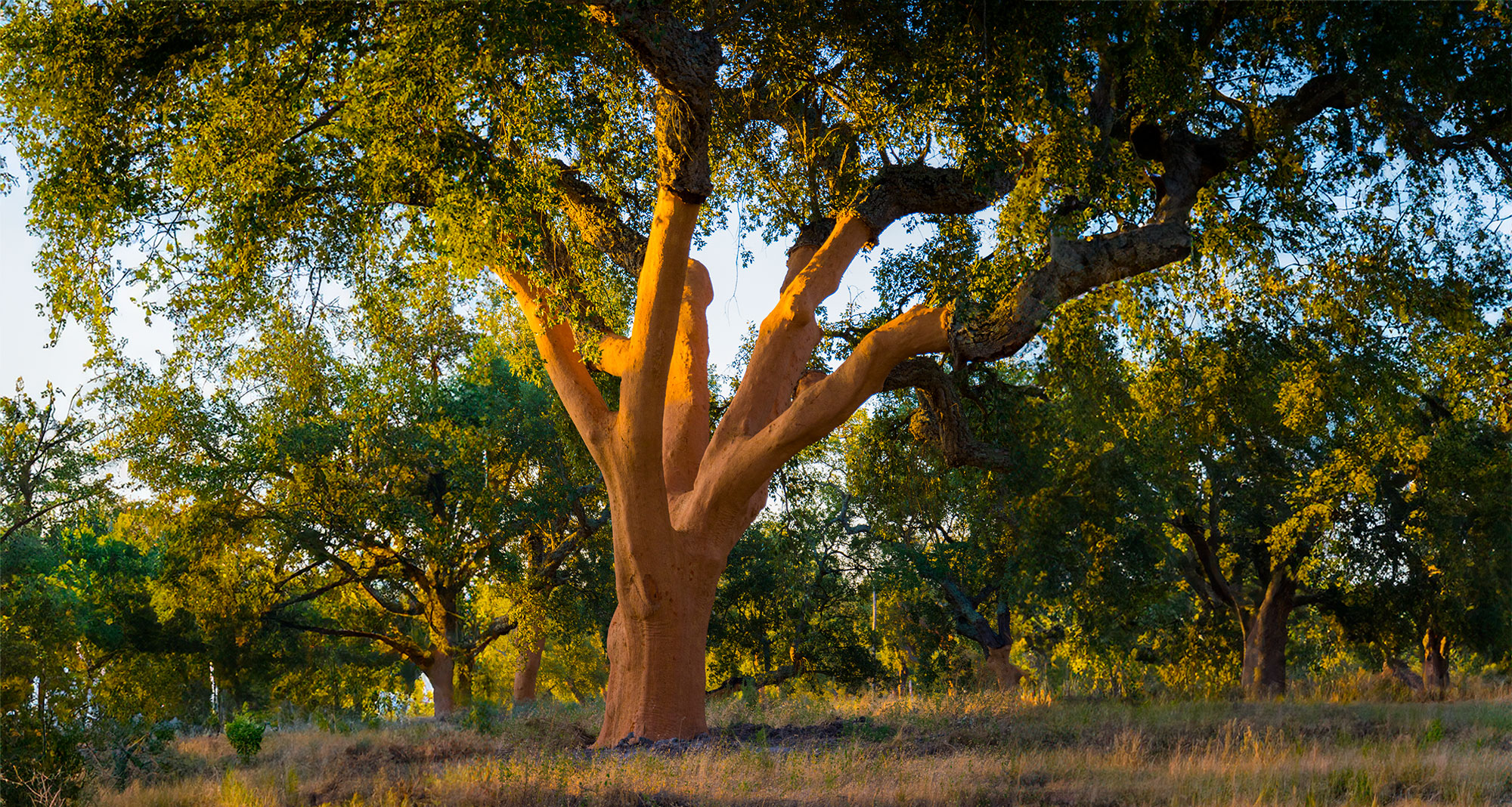
M. A. Silva USA was the first California cork supplier to join the ClimateSmart™ program and receive the Green Business certification. Our beliefs in sustainability are shown through our actions, and are proven through the quality of our cork stoppers, the partnerships we build, and our contribution to an increasingly greener world. M. A. Silva is dedicated to protecting the environment, and helping our customers do the same. We invite you to learn more about the importance of the worlds cork forests and the vital role they play in environmental sustainability. Cork Forests: Guardians of Ecological Balance Cork forests, often overlooked in discussions about the world's ecosystems, play a vital role in maintaining the delicate balance of our planet's ecology. These unique forests, found predominantly in the Mediterranean region, are home to a myriad of species and offer an array of environmental benefits. In this blog, we will explore the importance of cork fore
00

Celebrating 15 Years of SIP Certified Over 47k acres of certified vineyards, 5 wineries, and 60.3m bottles Nearly 30 years ago, a small group of like-minded grape growers started a nonprofit to guide and educate the industry toward sustainability. Today, one of the groups’ award-winning programs, SIP Certified, is recognized as the gold standard program for sustainable winegrowing. In 1996, this group, known as Vineyard Team, wrote the first self-assessment for sustainable vineyard farming: The Positive Points System (PPS). By completing the PPS year after year, growers would evaluate and improve their sustainable practices on every level, from habitat protection to water conservation, soil health to human resources. Consumer demand to understand how their wine was made compelled the group to transform the self-assessment tool into an official certification program. Their goal was to develop a rigorous, third-party verified program so vineyard stewards could be confident t
00
Can You Explain Sustainable Winegrowing? Learn How in 30 Minutes. Vineyard Team recently released Tell Your Sustainable Story, a free, 30-minute online course designed to help hospitality, marketing, and sales staff answer the common question: what exactly makes your wine “sustainable”? Since writing the first self-assessment for sustainable vineyard farming (the Positive Points System - PPS) in 1996, Vineyard Team has worked with national researchers and experienced growers to develop a block to bottle program that sets the gold standard for sustainable winegrowing. Using the PPS as a foundation, industry members came together to launch SIP Certified in 2008. The goal was to develop a rigorous, third-party verified program so customers could trust that the wine in their bottle was made with care for the people and planet. With over 40K acres across three states and 60.3 million SIP Certified bottles of wine, it is clear that farmers and winemakers support sustainable pr
00