
Filter Post Type
NewsVideoProductEventLink
Sort:
Most Recent
1–10 of 32


In this WIN Insiders episode, George interviews Beth Vukmanic, Executive Director of Vineyard Team and manager of the SIP Certified sustainable vineyard and winery certification programs. Beth shares her fascinating journey from professional harpist (and being born in a Volkswagen Rabbit!) to leading one of California’s most important sustainability initiatives. She explains how Vineyard Team, founded in 1994 by progressive growers, promotes sustainable farming through education, collaboration, and the SIP Certified program that emphasizes accountability in social equity, soil health, water efficiency, and habitat preservation. Beth discusses the program’s evolution from a 1996 self-assessment checklist to a comprehensive certification now spanning California, Michigan, and Oregon, plus its growing market value as consumers demand sustainably produced wines. She also shares her passion for fitness through her “Beth Size” brand and highlights the One of Ours Me
00
July 30, 2025
Choosing the right closure for wine bottles is a crucial decision for winemakers, as it directly impacts the quality, aging potential, and environmental footprint of the wine. In recent years, alternative closure materials, such as aluminum and plastic, have emerged alongside traditional cork stoppers. In this article, we will compare cork, aluminum, and plastic as materials for wine closures, examining their sealing ability, production resource use, environmental impact, and other relevant aspects. By understanding the characteristics of each material, we can make informed decisions that balance tradition, innovation, and sustainability in the wine industry. Sealing Ability Cork Cork production is a sustainable process that relies on the careful harvesting of cork oak bark, a process that supports the health and longevity of cork oak forests, which act as valuable ecosystems. Harvesting cork does not require cutting down trees, as the bark regenerates naturally. Furthermore, co
00
Event Type: Seminar
Location: Bar-M Vineyard (Jackson Family Wines),10750 HWY 101, Los Alamos, CA 93117
Date: 6/13/2025
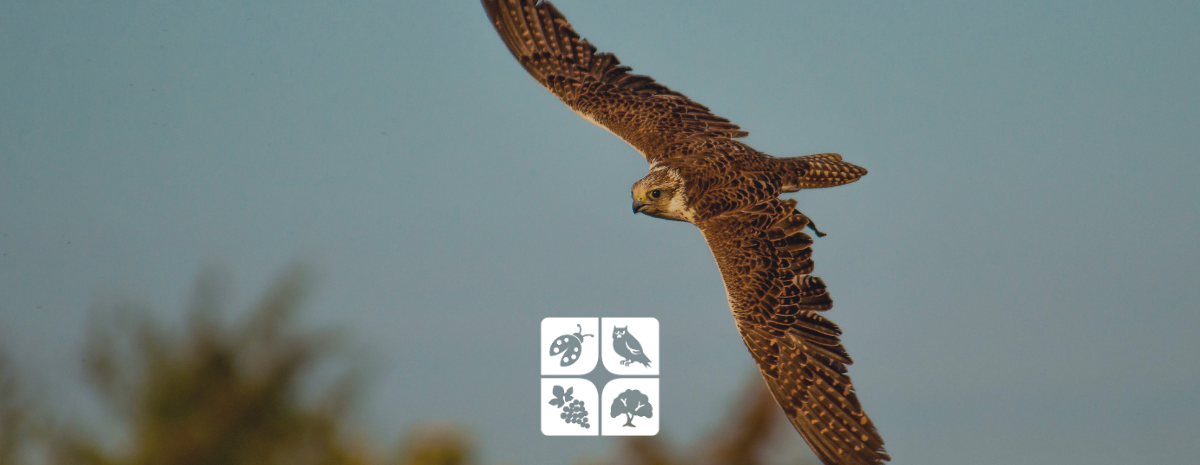
Learn innovative methods for managing bird and vertebrate pests in vineyards. Bart Haycraft (Jackson Family Wines) and falconer Pogerof Scott discuss using falconry to deter birds. Chad Foster (Maverick Farming) shares his use of an autonomous bird laser deterrent. Kevin Garcia Lopez and Sarah Lord (Cal Poly) will present their barn owl research, focusing on nest box occupancy and how changes in vineyard habitat affect foraging behavior. The event will feature a live falconry demonstration and give attendees the opportunity to view a bird laser, including the autonomous bird laser deterrent system. Speakers: Bart Haycraft, Jackson Family Wines Pogerof Scott, Falconer Chad Foster, Maverick Farming Joseph Traut, Cypress Agritech Graham Evans, Cypress Agritech Riley Boylan, Cypress Agritech Kevin Garcia Lopez, Cal Poly Sarah Lord, Cal Poly CE Approved: DPR 2 - O; CCA 2 - IPM
00
May 20, 2025
Sonoma County is home to a remarkable array of native plants, each contributing to the rich tapestry of our local ecosystems. These plants are not only beautiful but also play a critical role in sustaining the health of our environment. From the rugged coastal ranges to the sun-soaked valleys of wine country, Sonoma’s native plants have evolved to thrive in our Mediterranean climate—making them ideal for sustainable and low-maintenance landscaping. Native plants are uniquely adapted to the soil, rainfall, and temperature of their home region. This means they require less water, fewer chemical inputs, and minimal maintenance compared to non-native species. In landscaping, that translates to less work for property owners and more harmony with the environment. Seven Native Plants Ideal for Sonoma County Landscapes 1. California Poppy (Eschscholzia californica) Hearty as they are iconic, our state flower thrives in full sun and well-drained soil. Its bright orange blooms are a
00
You can glean a lot of information about a wine from the label. The next time you walk down a wine aisle, you may notice that you feel comfortable with the common terms and symbols like vintage, place of origin, and percent alcohol, but feel some confusion when you see some of the increasingly present ones like natural, vegan, and organic. In this week’s Marketing Tip, we’re giving you a green wine glossary: 5 common wine designations defined so you’ll wonder no longer. Your Green Wine Glossary Vegan Not every wine fits a vegan lifestyle. During the winemaking process, small particles can cause haziness or unwanted flavor properties. Winemakers can add a fining agent that will bind to these tiny particles and make them large enough to be filtered out. Many fining agents are animal-based – for example: egg whites, casein, and gelatin. Wine that was fined with any of these materials cannot be considered vegan. Vegan wines include those that
00

Sustainable farming practices are essential for protecting the environment, improving long-term agricultural productivity, and supporting healthy communities. In fact, many of the methods highlighted today are shared across a variety of certification programs, from sustainable certifications like SIP Certified to regenerative programs like Regenerative Organic Certified (ROC). While each certification has its own specific requirements, the core principles of responsible farming remain consistent. In this week’s Marketing Tip, we’ll take a closer look at three key areas – Water Management, Soil Health, and Habitat Preservation – and how sustainable farmers manage them to ensure future success. Water Management Water is one of agriculture’s most critical resources. Sustainable farmers work carefully to both use water efficiently and protect water quality. Efficient Irrigation Anyone who has struggled to keep a plant alive knows that plants
00
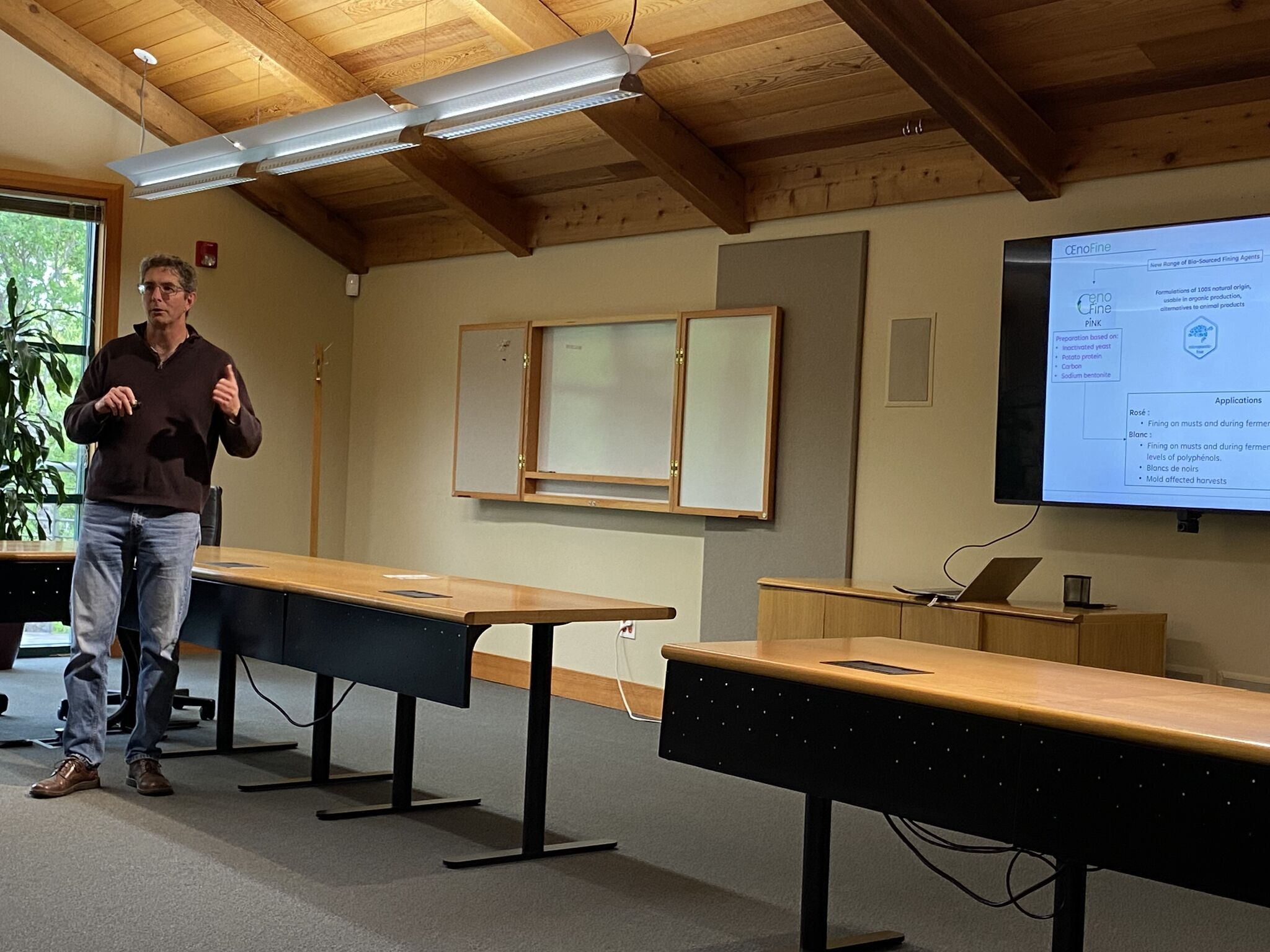
Can you guess a LAFFORT® rep's natural habitat? If you said out in the field connecting with winemakers and diving into all things yeast, fining, nutrition, and more, you'd be right! As the vines leaf out for harvest 2025, we're ready to swap ideas, troubleshoot challenges, and get you prepped for crush. Check out Boyd and Lisa (plus UC Davis Professor Ben Montpetit and Opus One Research Manager Alaina Velasquez), caught live in the Santa Rosa and Napa areas! See you at your winery, technical meeting, or even virtually! Drop us a line or stop by the stores for a chat—we’d love to hear what’s top of mind for you as you plan your next great vintage.
00

January 21, 2025

Wine’s Most Inspiring People 2025: Jen Locke — Steward of 1,000 Acres and the Legacies Among Them
By Laura Ness For Jen Locke, CEO of Crimson Wine Group (CWG), overseeing a portfolio of six fine wine estates across 1,000 acres on the West Coast,
00
November 25, 2024
More Than 220,000 Acres in California are Enrolled in FFF Program NAPA, Calif. (November 25, 2024) – Thirty-two winegrape growers and wineries from Sonoma, Napa and Mendocino counties have been recognized with the Founders’ Award from the Fish Friendly Farming Certification program for achieving and maintaining certification for more than 20 years. In 1999, the Fish Friendly Farming Certification program was created to protect and enhance the Russian River watershed in Sonoma County. Soon, it was expanded with a specific program tailored for Napa County and other regions. Today, more than 220,000 acres located in thirteen counties in California are enrolled in the innovative program that improves water quality and wildlife habitat. “The Fish Friendly Farming certification has become very popular among winegrowers as a sustainable certification program because it is highly effective in improving water quality and restoring fish and wildlife habitat,&rd
00
Healthy and Vibrant Landscapes Inspire Healthy and Vibrant Lifestyles. Allen Land Design’s philosophy of enhancing the lives of present and future generations through our work is grounded in the concepts of sustainability. We strive to incorporate methods that build healthy-living soils, cleanse and conserve water, and sustain natural resources: Storm-water management features Climate-appropriate plant palettes, including wildlife habitat plants and edible landscapes Landscape designs to enhance passive solar heating and cooling Recycled and sustainable material choices Green building techniques and landscape coordination on LEED and GreenPoint-rated projects Green living roofs and living walls Efficient irrigation systems Organic and bio-dynamic soil and plant-system management To us, sustainability starts with appreciation and respect for the earth and extends to the particular land we are entrusted to design, build and maintain. Beyond that caring, we
00