
Filter Post Type
NewsVideoProductEventLink
Sort:
Most Recent
1–10 of 51
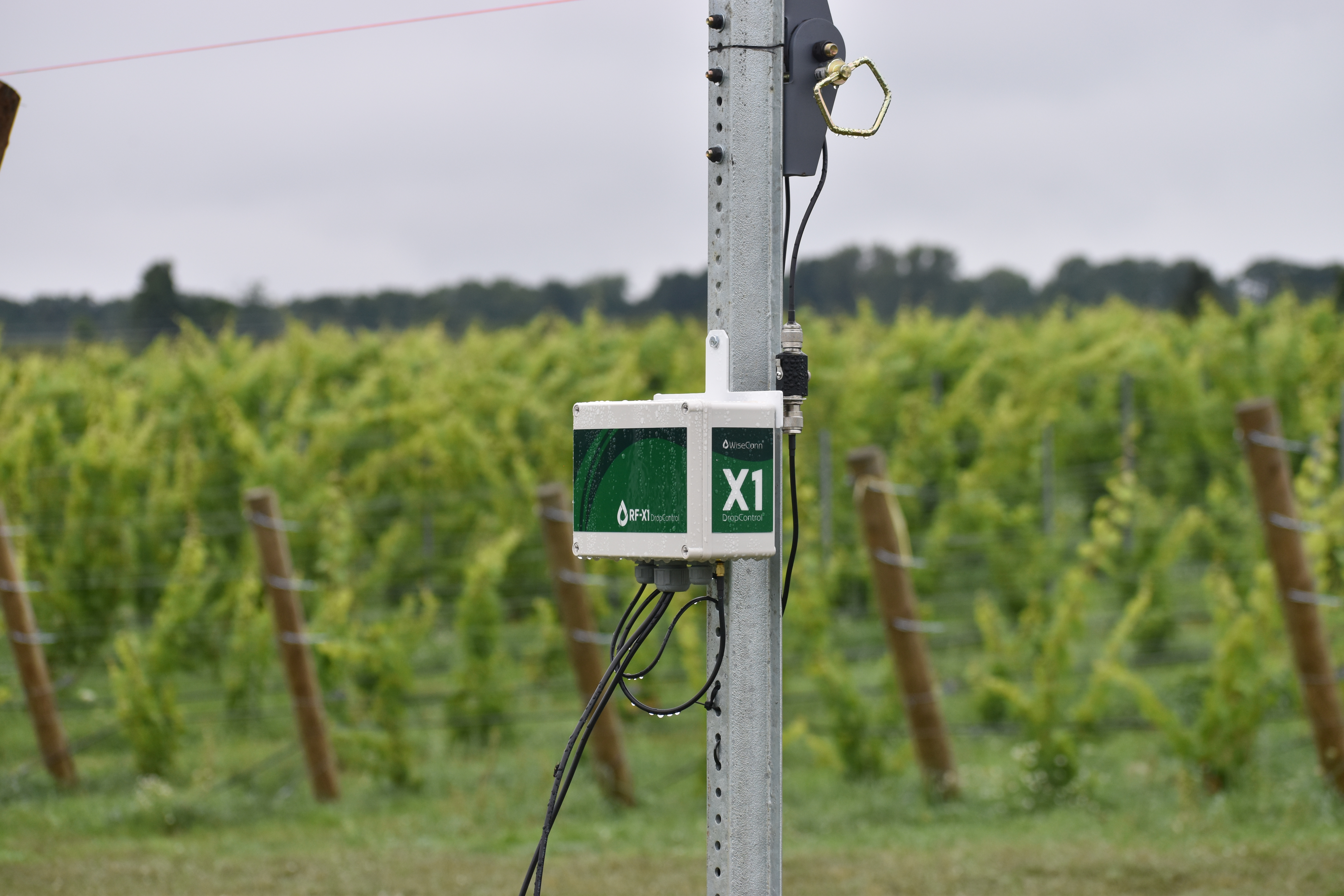
Across California vineyards, soil health is becoming more measurable, shifting the focus from practice alone to understanding how soils actually function and how that impacts water management in the field. Rather than relying only on inputs like cover crops or compost, growers are starting to look more closely at how their soils hold, move, and supply water to the vine throughout the season. Soil health is not a single metric, but a combination of physical, chemical, and biological factors that work together. Indicators like soil organic carbon, mineralizable carbon, and aggregate stability are becoming more widely used because they help explain how well a soil can retain moisture, support microbial activity, and maintain structure under irrigation. These characteristics directly influence how water is stored in the root zone and how consistently it is available to the vine. That variability becomes especially important during irrigation season. Two blocks receiving the same
00
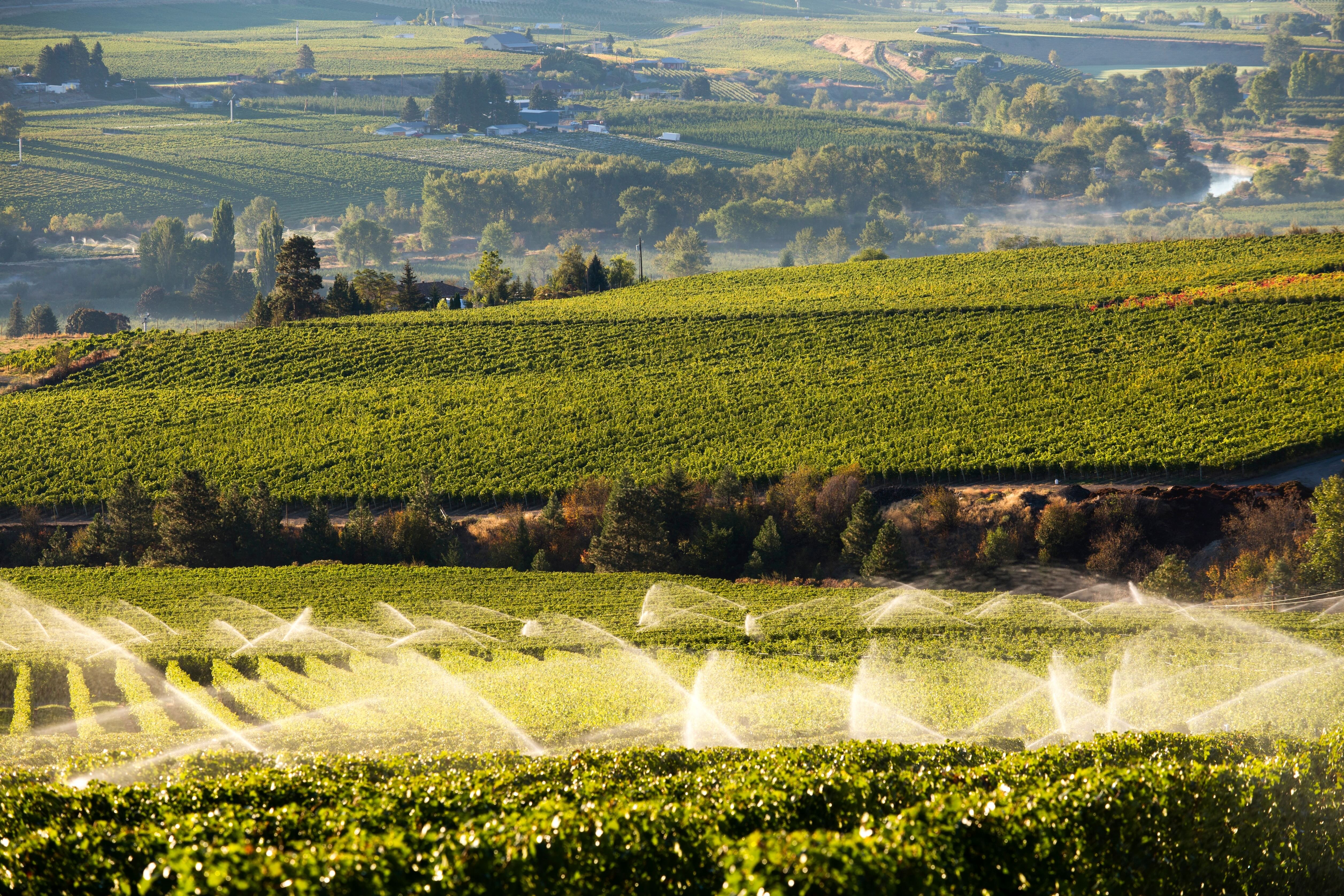
Declining groundwater levels and increasing pressure under the Sustainable Groundwater Management Act are changing how California wine growers think about water. What was once largely an operational concern is now directly tied to long-term viability, regulatory compliance, and sustainability planning. These issues were front and center during a session at the 2025 WIN Expo, where vineyard operators, hydrologists, and county leaders discussed how groundwater management is evolving and what growers can do to stay ahead. Moderated by Val King, Director of Channel Partnerships at Verdi, the session underscored a clear reality. There is no single solution, but there is a shift toward local control, better data, and practical changes in vineyard management. SGMA Was Built to Be Local, Not One-Size-Fits-All Your browser does not support HTML5 video. SGMA is often misunderstood as a rigid, top-down mandate. In reality, it was designed around California’s variability in geology, climate
00
October 7, 2025

Your Current Marketing Won't Work for Younger Wine Drinkers The generational shift in wine consumption is happening faster than most wineries are prepared to handle. According to Wine Intelligence's US Wine Consumer Trends 2025 report, millennials will surpass baby boomers as the largest wine-consuming demographic by value this year. Meanwhile, the oldest members of Gen Z (born 1997-2012) are now turning 28 and developing their own distinctive wine preferences. The problem? Most wineries continue marketing as if their primary audience is still over 55. The messaging, channels, and tactics that worked for boomers actively repel younger buyers. Let's examine what actually works when marketing to these crucial demographics. What Younger Wine Consumers Actually Want Millennial Wine Drinkers (Ages 29-44) Millennials approach wine fundamentally differently than their parents: What They Value: Transparency about production methods and ingredients Sustainable and ethical busines
00

Afternoon Brief: Turning Vineyard Waste into Opportunity, SB 279 Heads to Governor's Desk
SB 279 will make it easier for growers across California to compost agricultural waste on their land without needing a CalRecycle (Department of Resources Recycling and Recovery) permit...
California Association of Winegrape GrowersAcadémie Internationale du VinVineyard TeamSokol Blosser WineryThe Digest of Wine & Spirits LawCome Over October™Star Wine ListJancisRobinson.comTim AtkinHighway 29 CreativeInnovintTCW EquipmentPolymathJordan WineryCastello di AmorosaVinariusamaeaMonvera Glass DecorationVintEdge WineryVinventions USAHope Family WinesOpolo VineyardsAnaba Wines
00
Recycling & Waste Solutions Tanker Hauling Services Wine Rinsate, Storm Water, Sludge, and other Waste Water products suitable for disposal at waste water disposal and recycling facilities. Our fleet includes tankers and vacuum trucks. Roll-Off Boxes Wood, scrap metal, glass, concrete, dirt, rock, plastic, cardboard, and Construction materials are hauled to recycling facilities Compost Our Super Compost consists of 100% recycled organic materials that is generated and collected from local sources. Our Super Compost is OMRI listed, Certified OIM with CDFA, and STA certified with the US Composting Council. Environmental Solutions and Emergency Response Environmental Waste Disposal Services Our nationwide network of treatment, disposal and recycling facilities offers sustainable, safe and compliant solutions for all hazardous and nonhazardous waste streams including All Pesticides, Herbicides, Insecticides. Lab Pack, Field and Industrial Services Republic Se
00
September 5, 2025

Fedrigoni Self-Adhesives will take center stage at Labelexpo 2025, presenting a wide-ranging portfolio of innovative, sustainable and high-performance labeling solutions. Every visitor of our booth will experience a unique, personalized journey through our diverse applications. From wash-off labels designed for Wine, Spirits & Craft Beers to Beverage solutions, from materials for Food, Logistics to Home & Personal Care solutions, such as the advanced monomaterial option semi-rigid wet wipes packaging —recognized by RecyClass— which supports our transition to a more circular economy offering. We will also feature compostable paper and film alternatives, alongside fluorine-free greaseproof materials developed for food applications and solutions which incorporate recycled content, such as post-consumer materials in Wine, Spirits & Craft Beer as well as in food facestocks. Our product Re-Play Tintoretto exemplifies this commitment, offering premium wine labelling
00

The calendar flip from 2024 to 2025 heralded several new packaging regulations, rulemaking updates, and bills with significant implications for consumer packaged goods in North America and Europe. Recent packaging legislation is reshaping packaging requirements for waste reduction, recyclable materials, circularity, and sustainability. However, actions by the Trump Administration may defer regulatory action at the U.S. federal level and shift packaging-related policies. EPR Packaging Laws Five U.S. states—California, Colorado, Oregon, Maine, and Minnesota—have passed extended producer responsibility laws for packaging. While each state's requirements vary, they share common goals of reducing packaging waste, enhancing recycling efforts, and holding producers (e.g., brand owners) accountable for the life cycle of their products. Since the start of the year, nine states have introduced or re-introduced EPR packaging bills. They include Washington, Tennessee, Hawaii
00
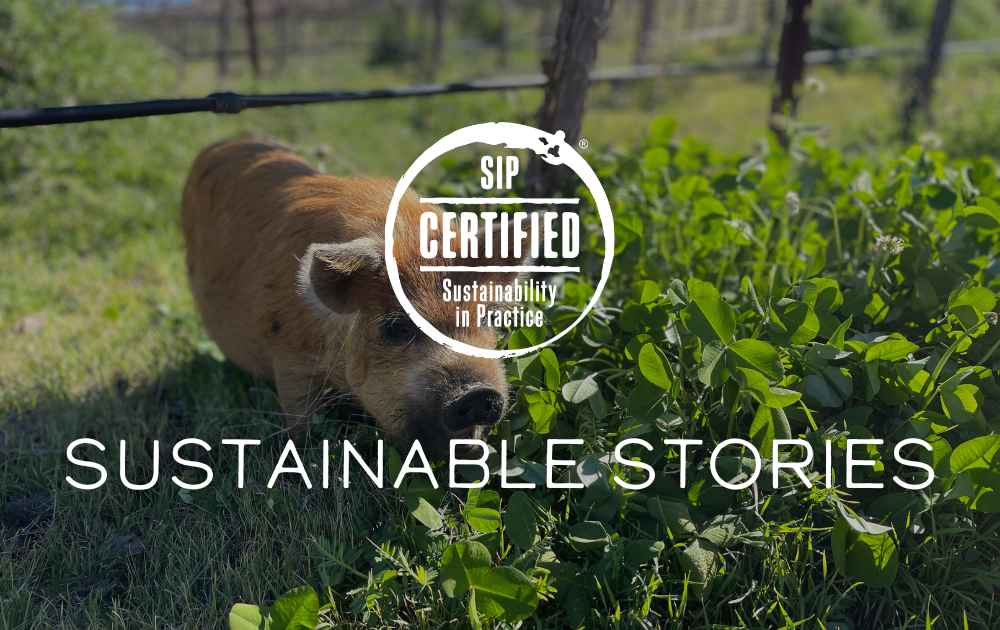
Sustainable Story | Happy, Helping Hooves Weeds challenge farms of all sizes. When Melani Harding, Owner and Winemaker at Bon Niche Cellars, decided to stop using herbicides, weeds got out of hand and she looked for more sustainable control methods. She adopted Nigerian dwarf goats, who promptly began cleaning up the property. But since they’ll gladly eat budding and maturing grapes, they can only free-roam the vineyard between harvest and bud break. Babydoll sheep joined the crew next. They are the perfect height for removing excess vine leaves… which also means they can reach the fruit! They also must leave the vineyard at bud break and are welcome back with the goats after harvest. Melani wanted to achieve year-round weed control. After some research, she found the perfect solution: Kunekune pigs with short stature and a natural inclination for grazing. In 2021, Gilbert the Pig joined the farm and quickly became a local celebrity. Over the years, Melani has established
00
May 14, 2025
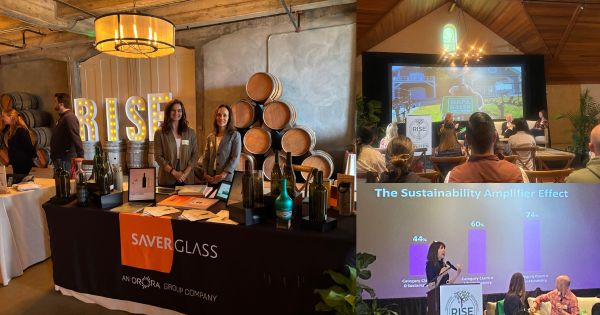
Paving the path for the California wine industry, Napa Green recently wrapped up hosting it's second Napa Rise Symposium where valuable climate change topics were shared and discussed. The Saverglass team attended Day 5: Supply Chain & Waste Prevention On supply chain packaging, the headline topics included the CO2 impact of DtC shipping ground vs air freight as well as a new boxed option, the use of recyclable plastic liners for label rolls and the benefits of choosing a lighter weight bottle. Attendees were encouraged to talk to their suppliers about how they have validated their roadmap that will propel them to their carbon neutral goal and to engage them with the question of, ‘what else should I know?'. Applying the new tools introduced in the education sessions, attendees engaged with the Saverglass team to learn more about our road to Carbon Neutrality and inquired about our sustainable efforts that extend beyond providing our customers with more lightweight opt
00

Reuse and refill systems, materials science and circularity are driving growth and differentiation Sustainability in packaging is no longer “nice-to-have” — it’s a core expectation for businesses and consumers alike. As global regulations tighten, supply chains evolve and consumer preferences shift toward responsible products, brands are under pressure to deliver sustainable solutions without compromising performance or aesthetics. At Berlin Packaging, we’ve made it our mission to help brands navigate this complex landscape. Below are some of the most pressing questions about sustainability in packaging and insights into how we’re driving innovation to meet the challenges of today and tomorrow. Q: What sustainability trends are shaping the future of packaging? Several key trends are redefining the landscape. The rise of reuse and refill systems is prominent, particularly in beauty, personal care, home care and even some food sector
00