
Filter Post Type
NewsVideoProductEventLink
Sort:
Most Recent
1–10 of 16
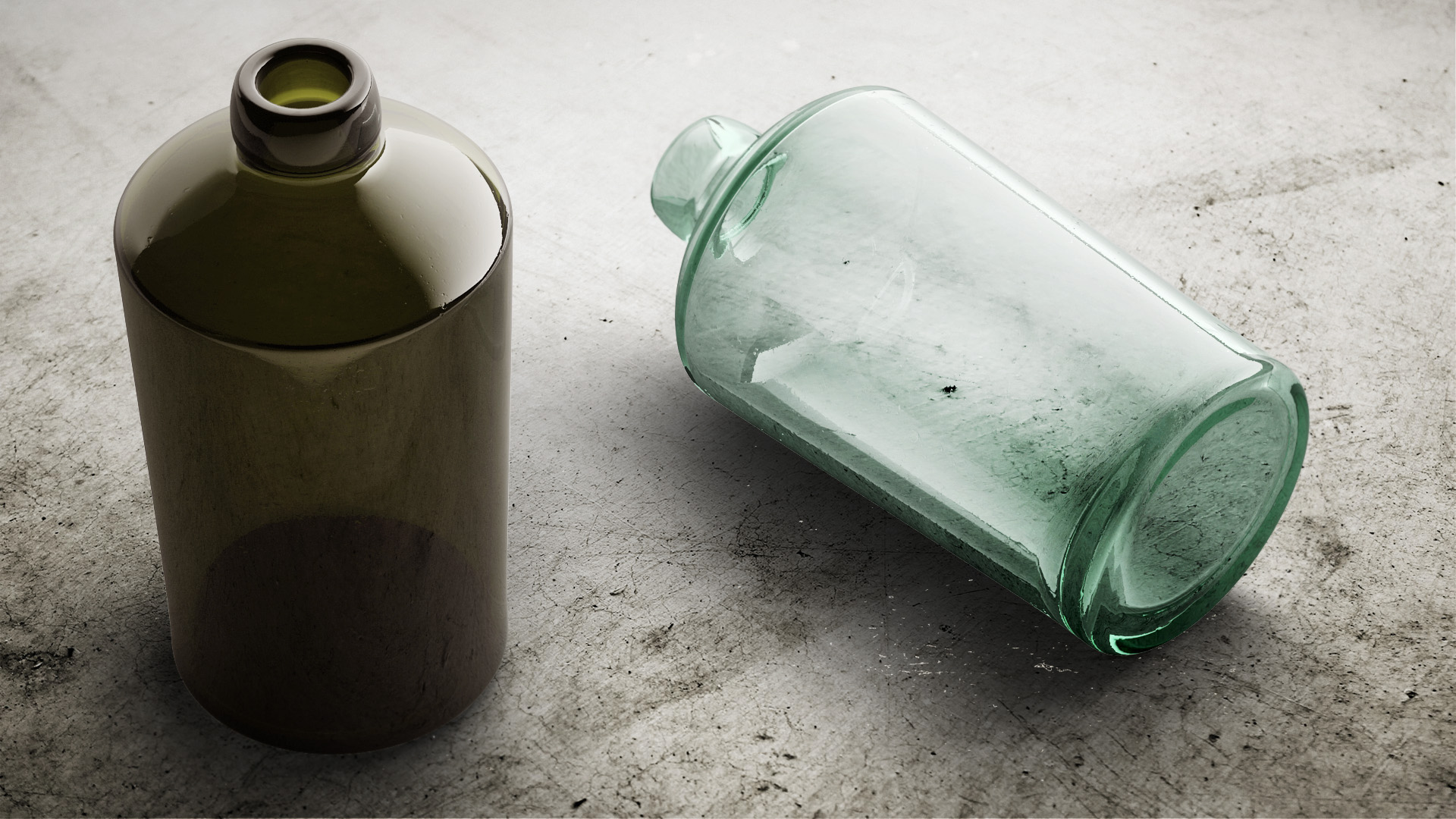
For winemakers and distillers, crafting exceptional beverages is only part of the journey. To ensure your product maintains its premium quality and reaches consumers in perfect condition, the preservation of both its taste and appearance is critical. This is where the often-overlooked factor of glass color comes into play. The color of your bottle can have a profound impact on the longevity, flavor stability, and overall appeal of your wine or spirit. By understanding how different glass colors protect against light damage, you can make more informed packaging choices that safeguard your product’s quality and enhance its shelf life. In this article, we’ll explore the science behind glass color and light exposure, explain how traditional and modern glass choices can protect your product, and provide insights into balancing practical preservation needs with aesthetic considerations. Whether you’re crafting aged whiskey or fine wine, the right glass color is more
00
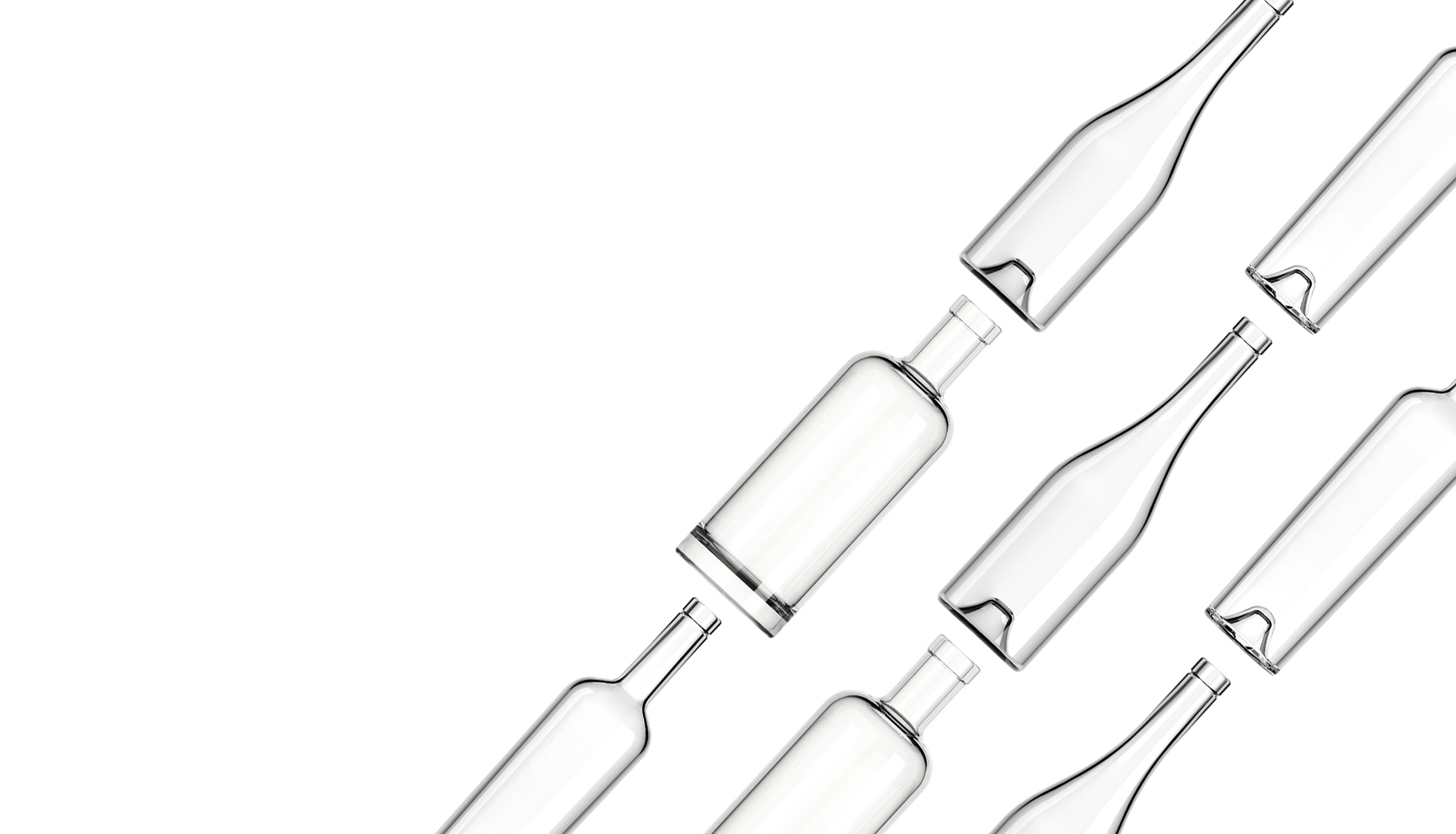
Why is wine packaging important? There are many different practical functions of wine packaging. First and foremost, it protects the wine and acts as a vessel to transport your wine from the winery to the customer. You want to ensure that your wine is of good quality and that the packaging facilitates optimal storage. Wine packaging also acts as a quality cue for consumers. You want the consumer’s eye and hand to be drawn to the bottle on the shelf, choosing your bottle over your competitors. “Shelf appeal” is one of the most important considerations when choosing packaging for your next project. 5 Ways to Improve Your Wine Packaging 1. Different sized wine bottles You are most likely familiar with the standard 750mL wine bottle. They are excellent for dinner parties and social gatherings where they can be shared and enjoyed with your friends and family. However, our society is drinking less – 18% less than in 2004. With many people choosing to drink less, there
00
May 14, 2025
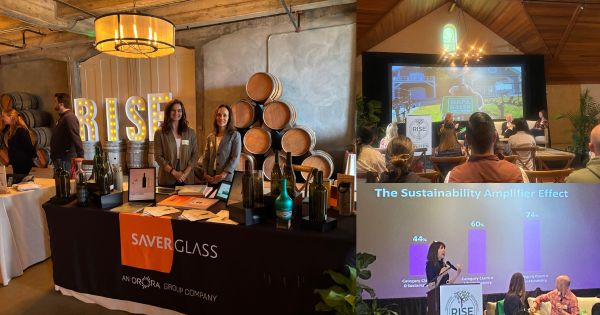
Paving the path for the California wine industry, Napa Green recently wrapped up hosting it's second Napa Rise Symposium where valuable climate change topics were shared and discussed. The Saverglass team attended Day 5: Supply Chain & Waste Prevention On supply chain packaging, the headline topics included the CO2 impact of DtC shipping ground vs air freight as well as a new boxed option, the use of recyclable plastic liners for label rolls and the benefits of choosing a lighter weight bottle. Attendees were encouraged to talk to their suppliers about how they have validated their roadmap that will propel them to their carbon neutral goal and to engage them with the question of, ‘what else should I know?'. Applying the new tools introduced in the education sessions, attendees engaged with the Saverglass team to learn more about our road to Carbon Neutrality and inquired about our sustainable efforts that extend beyond providing our customers with more lightweight opt
00
April 23, 2025
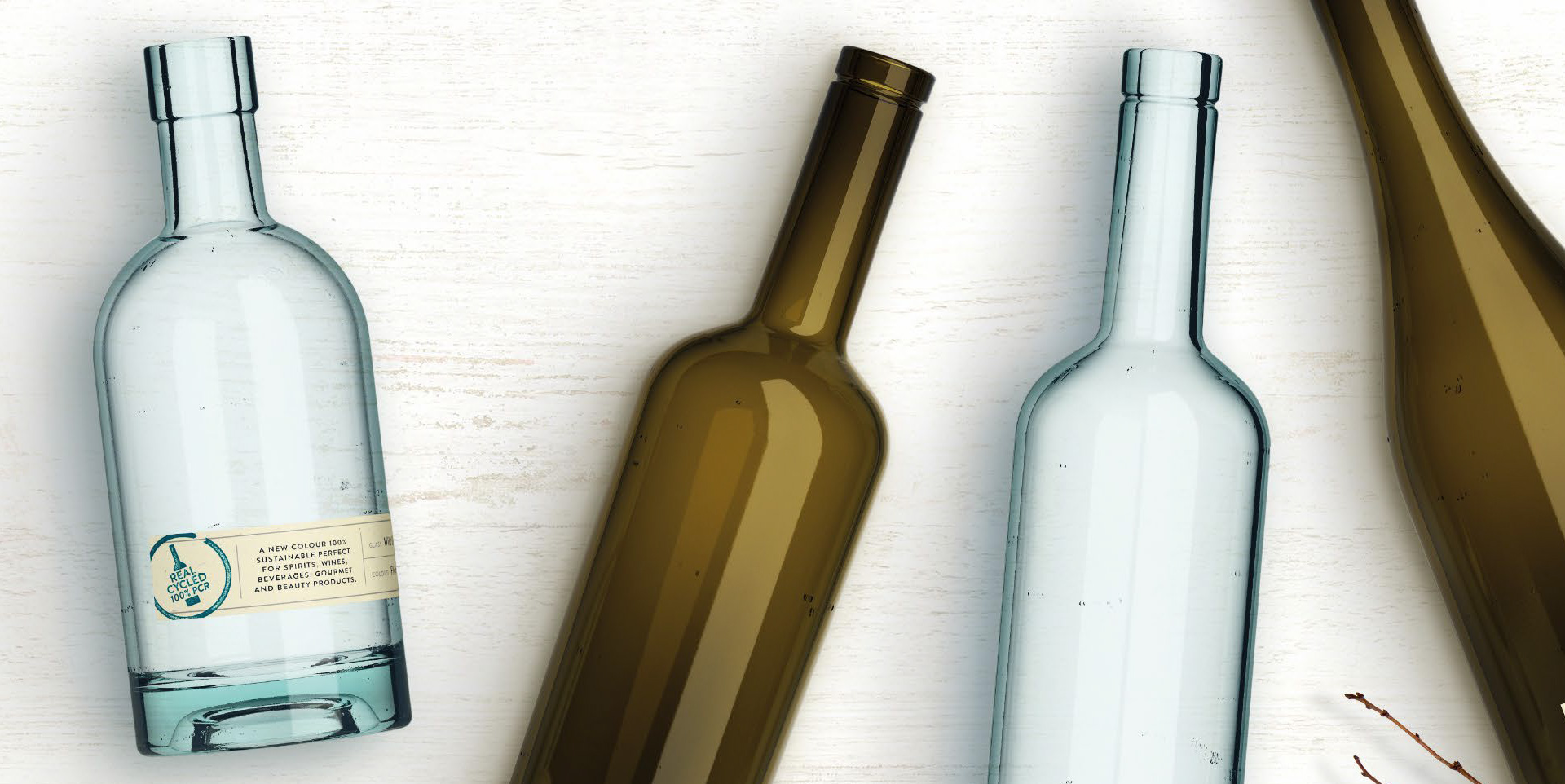
Study after study has proved that consumers prefer glass over other packaging materials for several reasons: Because it is aesthetically pleasing, is virtually inert and doesn’t interact with the food or beverage it holds, and because it is recyclable. Global Package has a long tradition of promoting glass in the wine and spirits industries for these very reasons. Our latest collection of Wild Glass, produced by Estal Packaging, is 100% sustainable “real cycled” and boasts a production process that is both efficient and ecologically sustainable. It utilizes only post-consumer recycled glass collected from municipalities and its production method uses lower fuel consumption, resulting in a reduction of CO2 as well as less extraction of virgin material. Importantly, glass addresses the sustainability issue that today’s consumers are demanding. According to an article in Chemical & Engineering News: “Glass can be recycled endlessly by crushing, blending
00
April 13, 2025
Behind every vision, there’s a spark. Behind every achievement, a story. Join us for a few minutes as we take you on a cinematic tour through our glass and decoration factory at night. Welcome to the Saverglass factory where dreams are formed and the possibilities are endless. About Saverglass Saverglass, a world leader in the design, production, customization, and decoration of high-end glass bottles for the premium and ultra-premium spirits and wine markets, is a privileged partner of the world's leading spirits and wine brands, as well as emerging brands committed to the quality and exclusivity of their packaging. From its seven glass plants and four decoration units benefiting from leading-edge technologies, and thanks to its employees' professionalism, ongoing training, and passion for excellence, Saverglass is committed to its longstanding sustainable development strategy with the objective of reducing its carbon footprint by 50% by 2035. Abou
00
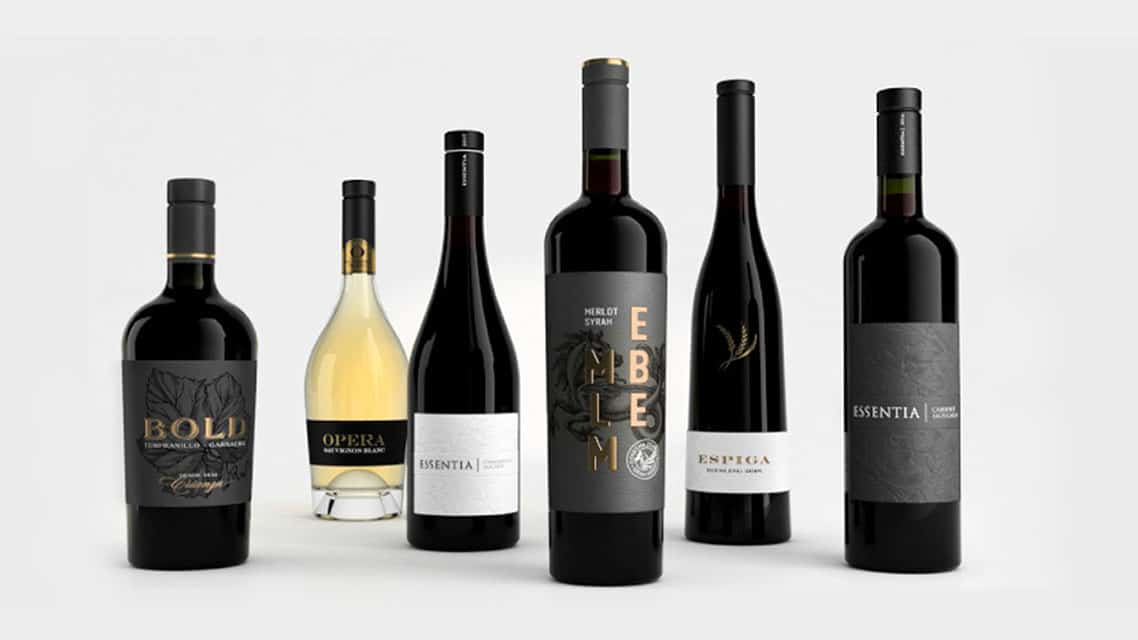
According to Global Package LLC President and CEO, Erica Harrop, there are good reasons to consider developing your own bottle mold. First, the international shipping chaos continues and, in some instances, is getting worse as the backlog of orders and shipping containers remains unabated. While Global Package has a ready supply of in-stock bottles available to customers to meet demand this season, the logjam is certainly limiting choice. “So, depending on your brand’s needs and budget, now may the perfect time to consider a new look with a new mold,” says Harrop. Global Package has many partners with whom they work on behalf of customers to design and engineer custom bottle molds that will elevate a brand’s presence on the retail shelf and in restaurant settings. Beginning with a thorough understanding of a company’s brand marketing strategy, Global Package’s experts help to determine projected volume and price/cost ratios. From there, they will w
00

November 13, 2024
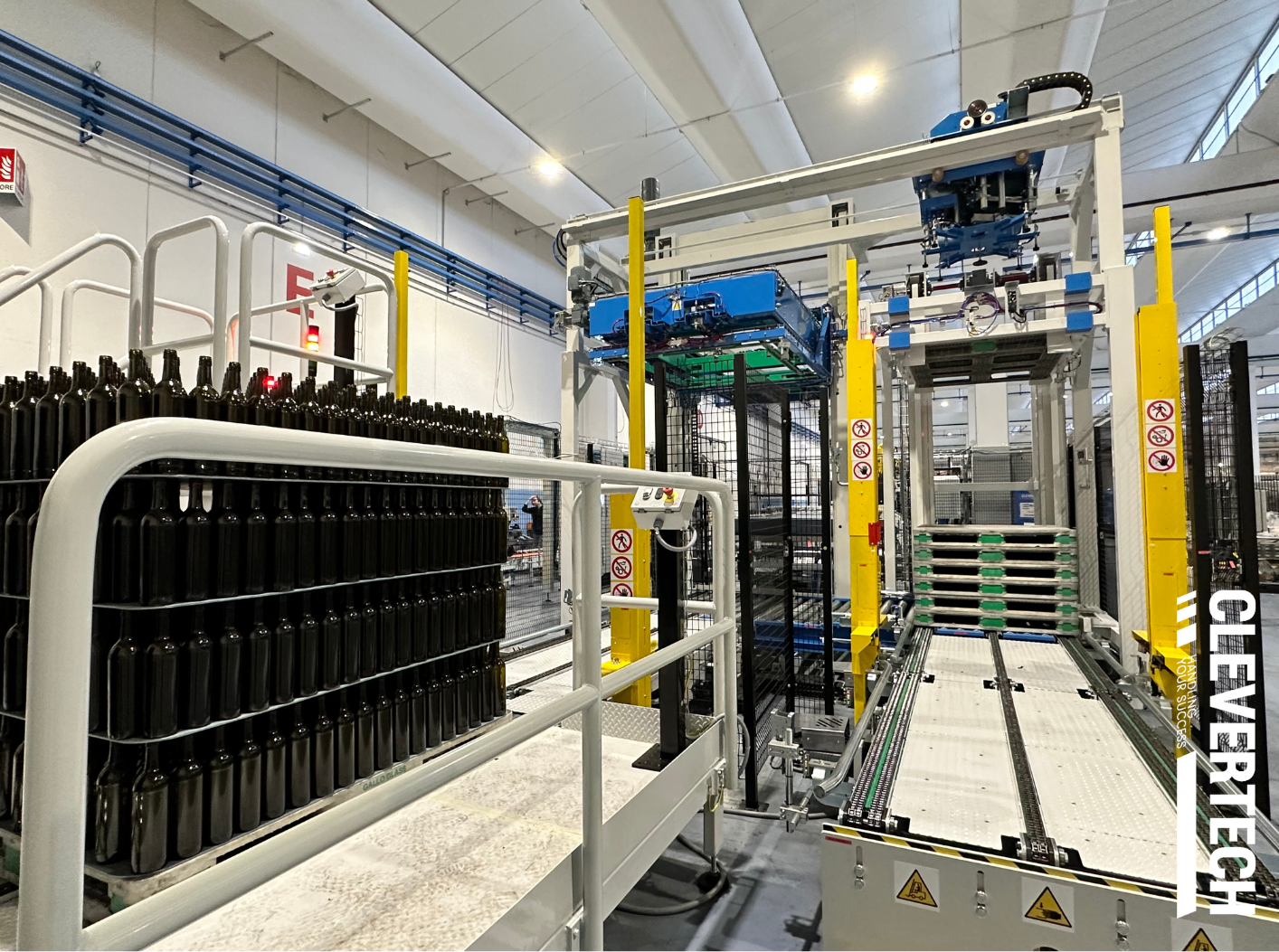
CLEVERTECH is the presenting sponsor of the 2024 North Coast Wine Industry Expo - WINExpo, we proudly invite wine and spirits professionals to join us in Booth #220 on December 5th, at the Sonoma County Fairgrounds, in Santa Rosa, CA. Clevertech: Shaping the Future of Wine & Spirits Packaging As a trusted partner in fully integrated front and end-of-line packaging solutions, CLEVERTECH brings decades of expertise to the wine industry. Our solutions cater to the unique requirements of wine production and packaging, from depalletizing to case packing to palletizing and much more. With innovations in customization, efficiency, and integration, we’re here to support wine producers in achieving operational excellence and optimizing their packaging lines to maintain quality. What to Expect from Clevertech at WIN Expo 2024 Visitors to our booth will learn how CLEVERTECH's technology can streamline the wine packaging process and achieve their capex goals with cutting-edge front
00
November 6, 2024

In a groundbreaking development towards sustainability in the wine and spirits industry, the world’s largest wind-powered cargo ship, Anemos, has successfully completed its first transatlantic journey, transporting premium wines, champagnes, and cognacs from France to New York. This innovative approach to shipping is expected to revolutionize sustainable transportation practices within wine and spirit supply chains, presenting a compelling opportunity for brands to minimize their carbon footprint while satisfying consumers’ increasing demand for environmentally conscious solutions. The Future of Eco-Friendly Shipping in the Wine and Spirits Industry Designed by the French startup TOWT (TransOceanic Wind Transport), Anemos represents a shift back to sailing vessels for commercial transport, leveraging the abundant and renewable resource of wind power. With significantly larger sails made from lightweight carbon fiber, Anemos can harness more wind than traditional vess
00
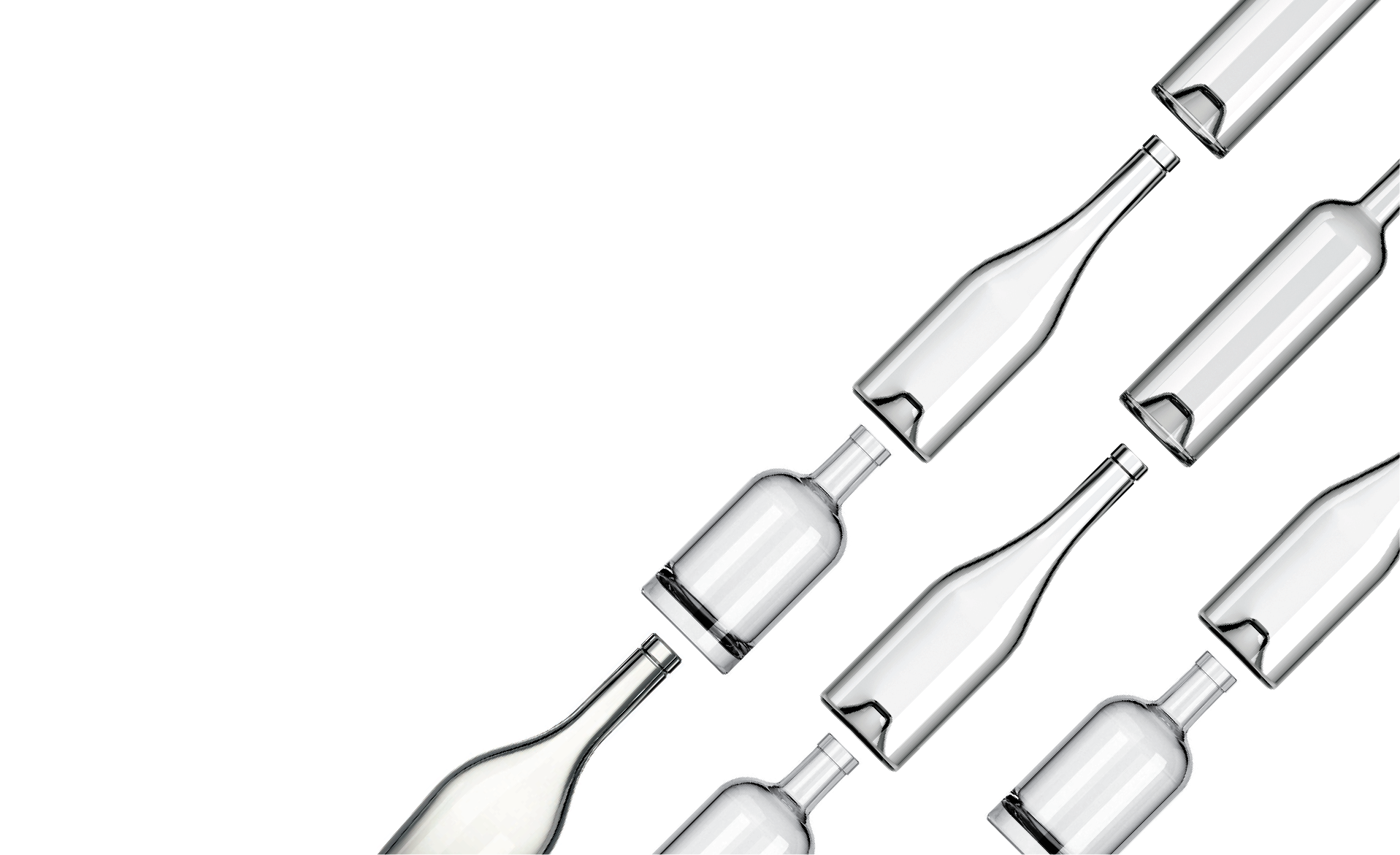
Glass packaging trends in the wine industry are always changing, but remain grounded in tradition. As leaders of the US domestic market in glass packaging, and decades of experience in the industry, Global Package have been creating these trends as much as utilizing them. Global Package has strategic alliances with innovative suppliers, designers and marketing collaborators both domestically and internationally. These strategic alliances allow us to keep up to date with trends globally from various spheres including material, design, market behavior, and digital behavior. As they allow our business to evolve, we are able to develop exciting new lines to assist our clients (you) launch and market your brands to a continually developing audience as your business evolves along with it. In this article, we’ve collected and compiled a breakdown of current trends and traditional conventions to assist in your choice of glass packaging for your wine label. Global Package wil
00
June 17, 2024
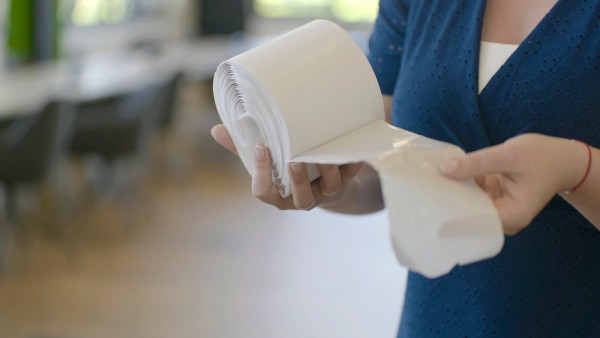
The wine industry is evolving toward a circular economy. Pioneers in this movement include viticulturists who began the transition to regenerative agriculture and wineries leading the move to renewable energy like solar fields or more sustainable materials, such as lightweight bottles and post-consumer recycled labels. Efforts are spreading from these innovators to the broader industry as the impacts of climate change increase the urgency and neighbors see the effectiveness of these solutions. “While every industry is subject to trends, it is especially true for wine,” says Michael Garretson, who manages the RafCycle program at UPM Raflatac. “That could be because these companies are close neighbors. Driving along Highway 29 through Napa Valley, you see one winery after another. The same is true in Sonoma or Santa Barbara. They know each other; they’re members of the same organizations, attend the same conferences and events, and talk to each other. Even for a g
00