
Filter Post Type
NewsVideoProductEventLink
Sort:
Most Recent
1–9 of 9


Here is a comparison of three of the most common accounting solutions for mid-size companies. Below we’ll share the pros and cons and which accounting software that will benefit you the most. QuickBooks Best for small to mid-size companies. Having been around since the early 1980’s QuickBooks is the most popular accounting software package today. It is intuitive, robust and user friendly. It’s QB Online prices make it an excellent entry-level software that allows you scalability. Pros: Desktop and Cloud Versions Available Proven software with millions of users Low cost solution for small businesses Integration via WGits QB with winery eCommerce platforms: Commerce7, eCELLAR, WineDirect, VinSUITE, WithWine, Other eCommerce platforms that have built their own solutions: AMS, CompleteDTC and others. Cons: Limited customization capability No direct line for live customer support Sage Best for mid-size companies and up. Sage Intacct is a stand-alone acco
00
Why Activ8 Commerce? You're probably exporting data and passing it off to another system, risking accuracy and wasting your precious time. Not with Activ8 Commerce! Activ8 Commerce will print labels on thermal printers directly from the shipping report. No Export. No Uploading. Crack. Peel. Stick. Done
00

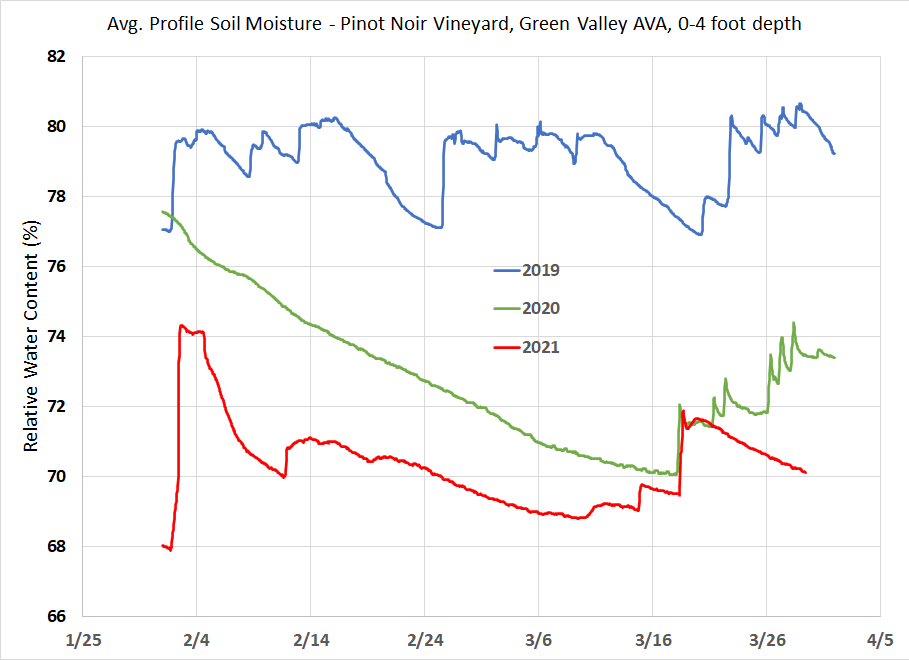
The following is an excerpt from a recent blogpost. Read the full article here. Happy budbreak! Actually “budburst”, as I’m told that is the more accurate term. Or perhaps you’re in the Southern hemisphere and are celebrating the end of harvest…good for you, mates. Archive the crap out of this post. For the rest of us though, a toasty winter has brought an early start to the season. Grape growers everywhere are wringing their hands over frost, but they may be overlooking an equally important vineyard activity that could make or break the season: irrigation. We write A LOT about irrigation. It’s kind of our thing. For good reason though. Controlling water stress is a great way to improve the quality of your grapes. Too much stress too early however, can severely limit canopy development and/or yield. We wrote about the possible need to do a winter irrigation here, but that was a few months ago and frankly we were hoping for more rain. Most place
00
February 5, 2021
Join Moss Adams and Bank of Marin as wine industry financial professionals discuss the issues and opportunities impacting the market. We’ll take questions from the audience and cover topics including: The current status and implications of Small Business Administration (SBA) Paycheck Protection Program (PPP) loans 2020 fires impact on the market Smoke taint-related tax credits and federal, state, and local tax considerations Free webinar: February 11, 2021 11:00 AM PST - 1 hour Register Here Speakers Marshall Graves, SVP, Sonoma County & Central Coast Commercial Banking Regional Manager, Bank of Marin Marshall is focused on growing the Bank’s customer base by building lasting banking relationships with local commercial and wine-related businesses. Leading an experienced lending team, he directs business development activities and oversees loan structuring and underwriting. Prior to this role, Marshall was a Senior Commercial Banking Manager and Wine Industry
00

January 27, 2021
The $900 billion COVID-19 relief bill, passed by Congress and signed into law on Dec. 27, includes a number of provisions that affect employers and their workers in terms of paid sick leave and Emergency Family and Medical Leave Act provisions. The legislation also boosts unemployment benefits to out-of-work Americans, as well as reopening and expanding the Paycheck Protection Program that was introduced in March as part of the Coronavirus Aid, Relief, and Economic Security (CARES) Act. Paid sick and family medical leave The new law did not extend the obligation for employers to provide emergency paid sick leave and expanded family and medical leave beyond Dec. 31, 2020, instead making it voluntary after that date. From Jan. 1, employers can continue receiving tax credits if they provide emergency paid sick leave (EPSL) and emergency family medical leave (EFML) to employees for COVID19-related purposes through March 31. Here are the caveats: Tax credits will be available for leave gran
00
This week the Senate returns from a two week, COVID-19 forced recess. The Senate Judiciary Committee has been in session working on the Supreme Court nomination hearings, but the full Senate has been out since the end of September. Senate Majority Leader McConnell (R-KY) has indicated that he intends to bring a smaller, $500 billion relief package up for a vote on the Senate floor. The package includes unemployment assistance, more money for schools and health care, and new funding for the Paycheck Protection Program for small businesses. The smaller measure will also contain liability protections so businesses, schools and health care providers that follow the appropriate health precautions can't be sued if people get sick. The bill is not expected to become law.
At the same time, Speaker Pelosi (D-CA) has continued negotiations with Treasury Secretary Mnuchin on a larger relief package. The President has expressed his willingness to sign another large relief package, but the ne
00
The terms of the usage of PPP loans were just substantially relaxed by the Paycheck Protection Program Flexibility Act of 2020 – H.R. 7010. PPP recipients now have 24 weeks (the “covered period”), to use the loan proceeds instead of the original eight weeks and still receive forgiveness of the loan amounts. However, recipients of already issued loans can elect to still use the original 8 week period for purposes of their forgiveness application calculations if that is more favorable.
The PPP Flexibility Act also provides significant relief involving the provisions that reduce loan forgiveness amounts where staffing levels have declined. It adds additional time to cure cuts in staffing or compensation levels that reduce forgiveness amounts, extending the deadline from June 30 to December 31, 2020. It also adds a provision that allows two exceptions to the forgiveness penalties for staffing reduction. Where the loan recipient can document that it was unable to rehire staff because t
00
April 27, 2020
On April 24, H.R. 266, the Paycheck Protection Program and Health Care Enhancement Act, was signed into law. In addition to providing significant funding for health care providers ($75 billion) and testing ($25 billion), the stimulus package revives the CARES Act’s Paycheck Protection Program (PPP) with an additional $310 billion in funding for forgivable loans. This expanded stimulus and relief package sets aside a portion of that funding for smaller lenders. The additional funding does not change the limits on the availability of the PPP’s forgivable loans, nor change the priority of borrowers in obtaining those loans.
However, in reaction to various reports on public companies obtaining PPP loans, the Treasury Department updated its PPP FAQs and this morning, April 24, issued additional proposed rules regarding the required certification that the “current economic uncertainty makes this loan request necessary,” and provided a safe harbor for entities that may have certified this
00
April 1, 2020
The U.S. Department of the Treasury announced today, March 31, that the SBA and the Treasury expect the CARES Act programs to be up and running by this Friday, April 3, 2020. You can find resources related to the CARES Act programs on Treasury’s website here, which is updated often and currently includes an application for borrowers for the Paycheck Protection Program (PPP). Additionally, the SBA has a resource page for small business that can be accessed here.
Significantly, the SBA is now indicating that 75% of PPP loan amounts will need to be spent on payroll as opposed to other allowed uses in order to qualify for loan forgiveness. It has also provided details on the loans, which will have relatively short, two year terms for the balance that is not forgiven, but with very low interest rates of 1%.
The Treasury and the IRS also have posted resources regarding the Employee Retention Tax Credit. But note that you cannot receive the payroll tax credit if you receive a PPP loan. A
00