
Filter Post Type
NewsVideoProductEventLink
Sort:
Most Recent
1–10 of 119

April 29, 2026

The wine industry has been contracting for years. Tasting room traffic is down. Wine clubs are stalling. Wineries are closing. If your financial system isn't built for this, here's what to fix first. You probably know at least one winery that has closed in the last year or two. Maybe more than one. That's not a coincidence. That's a contracting industry — and the wineries that are surviving are the ones that can see their numbers clearly enough to make fast, smart decisions when it counts. So here's the question: can you actually trust your financial numbers? Not "do you have reports." Everyone has reports. The question is whether your reports are telling you something real — something you can act on. Or whether you open QuickBooks, look at the screen, and feel a vague sense of unease because something feels off but you can't quite put your finger on it. If it's the latter, this is not a "you" problem. It's a system problem. Winery bookkeeping isn't like normal bookkeeping. You're mana
00

For most wineries, marketing still follows a familiar path: email campaigns, wine clubs, tasting room experiences, and social media. These channels continue to drive direct-to-consumer sales, but they are also becoming increasingly saturated. Reaching new customers often requires more content, more spend, and more competition for the same audience. At the same time, another force is shaping consumer behavior at scale—film and television. A single streaming series can influence travel, dining, fashion, and brand awareness almost overnight. Within those moments, wine is already present. It appears in dinner scenes, celebrations, restaurants, and quiet evenings at home, serving as a natural extension of lifestyle and hospitality. Historically, however, the bottles used on screen have rarely represented real wineries. That is beginning to change. Wine product placement is emerging as a viable and strategic marketing channel for wineries looking to expand beyond traditional touchpoin
00
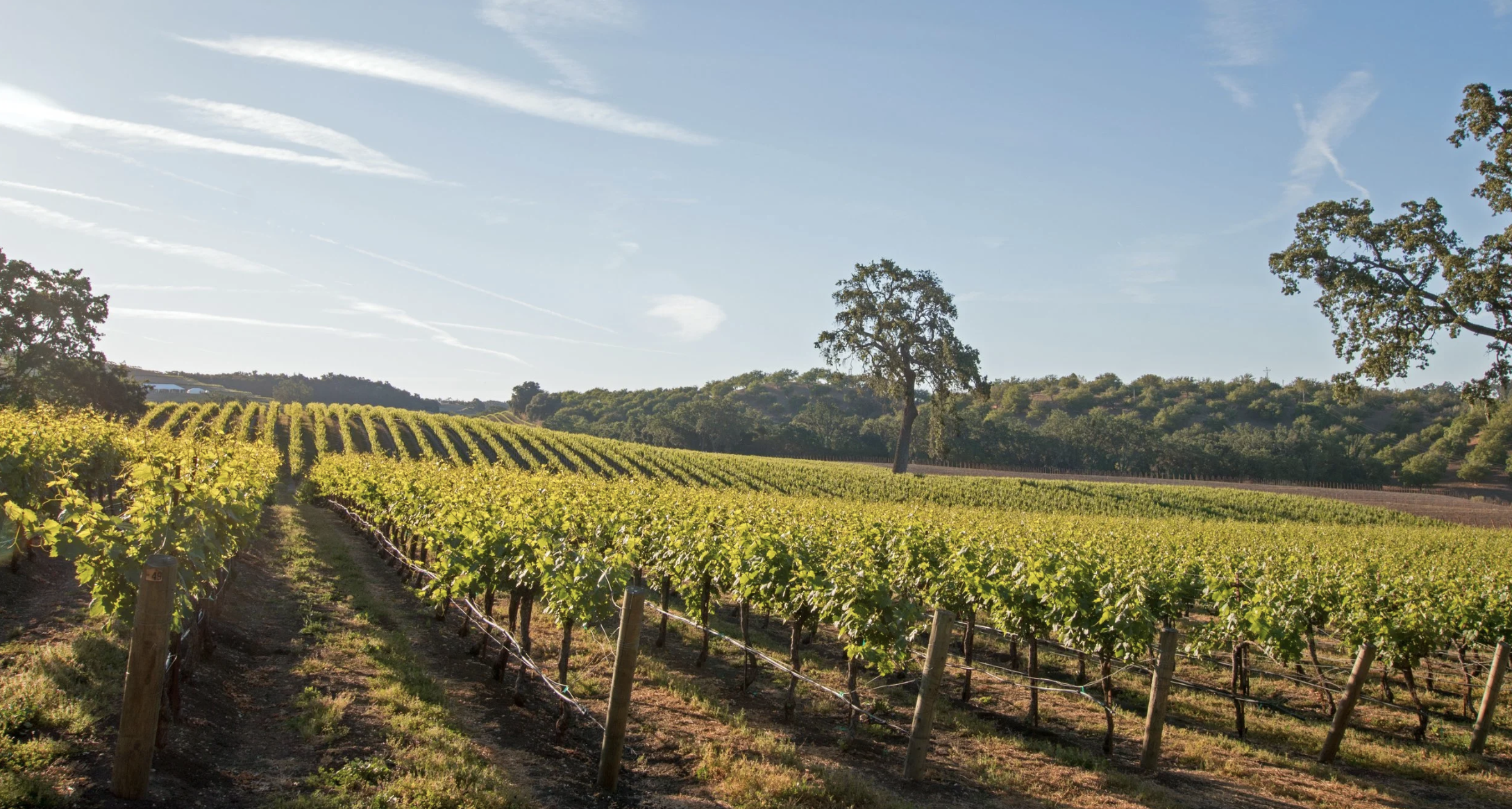
Your next customer will see your winery before they ever taste your wine. They'll see it on Instagram while planning a weekend trip. They'll see it on your website while deciding whether to book a reservation. They'll see it in an email while considering whether your wine club is worth joining. And in every one of those moments, they're making a decision based on what your visuals tell them about who you are. This isn't a trend. It's how people buy now. According to a 2023 study by Cloudinary and Harris Poll, 75% of online shoppers say product photos are the most influential factor in their purchase decisions. That number holds across categories, and it holds in wine. The difference is that wineries aren't just selling a product. They're selling an experience, a place, a feeling. Which means your visual content has to do more work than a product shot on a white background. It has to make someone want to be there. Most wineries know this on some level. Fe
00

Generous. That's the very best word I can think of, to describe last week's Outbound Sales webinar. The panelists were generous with their time and content, and all participants were generous with their conversation. Here is the link to the webinar, in case you missed it or if you'd like to revisit. And here were some top takeaways: An Outbound Sales team is like a "Swiss army knife" of a winery. They field calls and questions from all directions, from phone sales to tracking orders to relationship building. The Average Order Value (AOV) of Outbound Sales is almost always higher than the AOV of a Tasting Room sale. Key skills needed in an Outbound Salesperson include persistence, objection handling, methodical note taking, long-term commitment, and an ability to trust the process. Chris created this highlight reel of Enolytics' Outbound Sales toolkit, including the Sell More Now! module and AI summary feature. Looking ahead, we'd like to share our
00

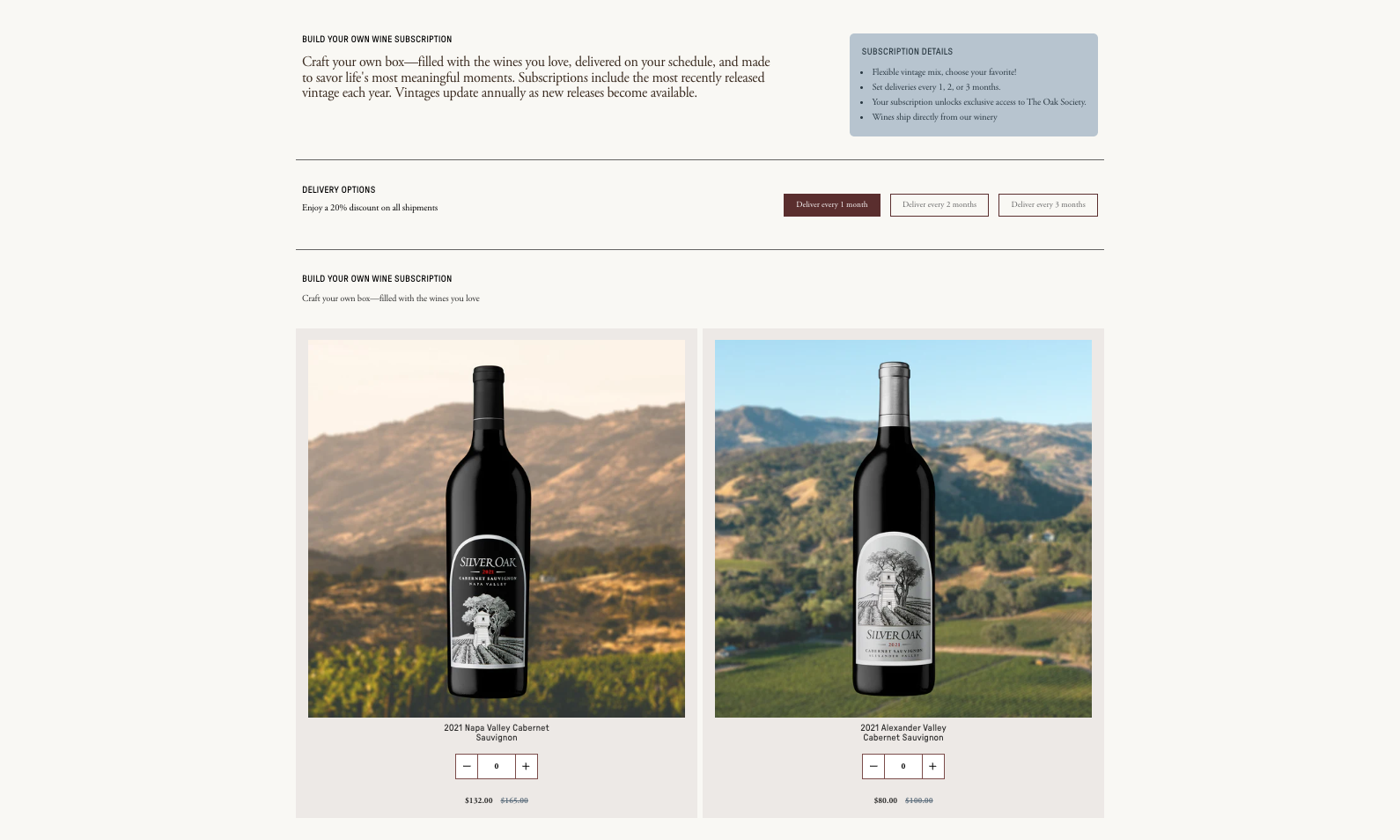
Five years ago, running a winery on Shopify meant duct-taping a lot of things together. Great for e-commerce. Okay for DTC. Difficult for wine clubs. Not really designed for tasting rooms. That's changed. The combination of Shopify's platform investments and a handful of wine-specific apps has created something genuinely new: a single operational stack that connects your tasting room, your wine club, your online store, and your loyalty program under one customer record. That convergence has real operational consequences — and it's why an increasing number of wineries are consolidating everything onto Shopify. Here's what's actually different. Your Card on File, Finally Done Right One very frustrating limitation of running a winery business on Shopify used to be simple: Shopify didn't let you vault a customer's payment card and charge it later for anything other than a subscription — not from your POS or your back office or sales team for one-tim
00

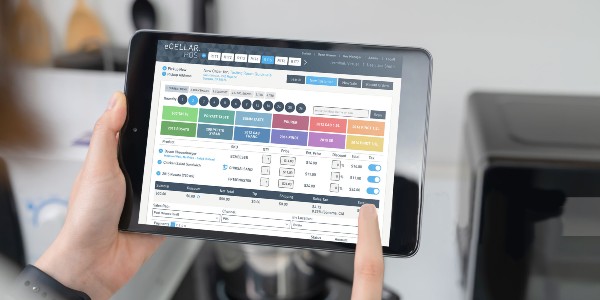
As wineries navigate shifting consumer behavior, rising costs, and increasing compliance complexity, one thing is clear. The gap between average and top performing direct to consumer programs is widening. At eCELLAR, we see this play out every day across our winery clients. The difference is not just better wine or stronger brand recognition. It is operational. Top performing wineries are taking a more intentional approach to customer relationships, internal workflows, and conversion. Increasingly, success comes down to how well technology supports those efforts behind the scenes 1. They Personalize the Club Purchase Experience Wine clubs continue to be one of the most important drivers of long-term revenue. Managing them effectively requires more than basic functionality. Wineries seeing the most success are: Offering more flexible club structures Automating recurring processes Creating a seamless member experience across channels As club models evolve, the systems supporting them ne
00

March 10, 2026

Online gifting is one of the fastest-growing ecommerce categories, and wine is right at the top. The truth is, the brands winning in this space aren't just riding the trend. They're building dedicated gifting infrastructure to squeeze every last drop from tis big opportunity. Wineries and beverage brands that invest in purpose-built gifting tools like Zest typically see significant gift sale growth in their very first holiday season. And those that scale over multiple years are seeing 30–75% year-over-year growth through channels like concierge gifting and self-service corporate gifting. Clif Family Winery is one brand that made the shift (and hasn't looked back). "Gifting orders were pretty much always high-touch and handled over the course of several calls and emails. Now, we can sell gifts while we sleep, which we see happen all the time!" — Katie Taylor, Gifting & Subscriptions Sales Manager, Clif Family Winery Curious why wine keeps sh
00

When a Washington winery transitions to Shopify POS, the visible experience in the tasting room doesn’t change dramatically. Guests are still welcomed. Wine is still poured. Bottles are still sold. What changes is operational structure. For many wineries in WA, POS, ecommerce, wine club management, and event sales have evolved independently over time. The result is often fragmented inventory, duplicate reporting, manual discount adjustments, and reconciliation across multiple systems. A unified POS and ecommerce platform shifts that dynamic. Inventory lives in one environment. Online and in-person sales draw from the same pool. Wine club profiles are accessible at checkout. Member discounts apply automatically. Reporting reflects consolidated channel data instead of stitched-together exports. The impact isn’t cosmetic, it’s operational clarity. In practical terms, wineries typically see: Reduced inventory discrepancies&n
00
March 2, 2026
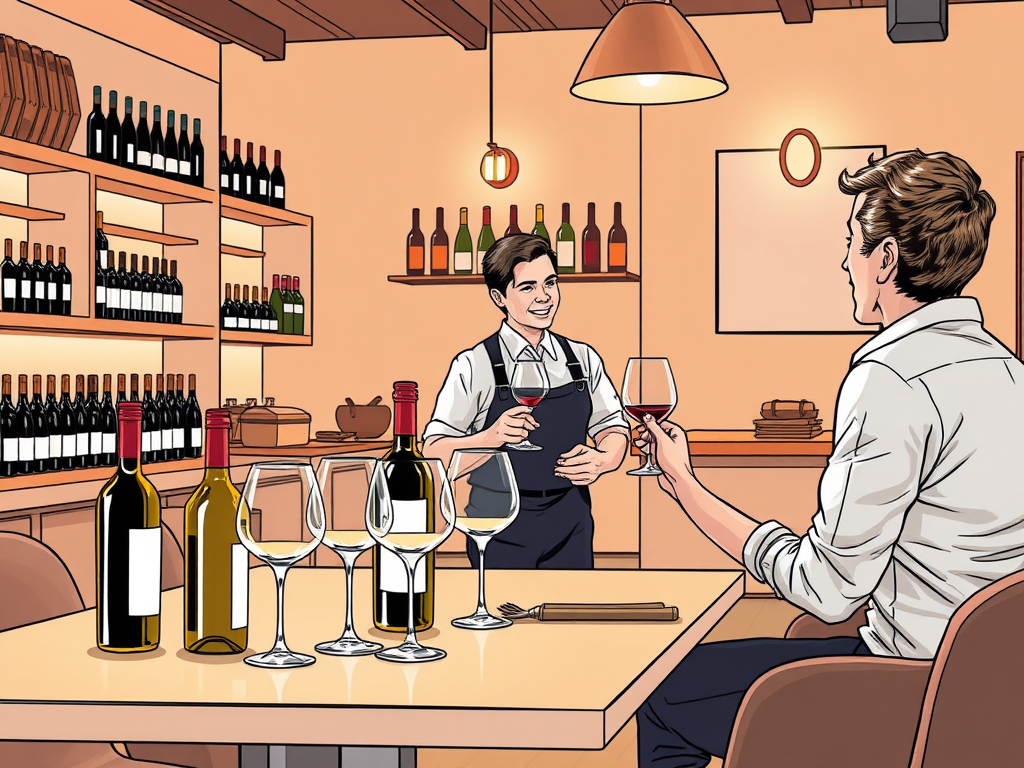
We call it a Tasting Room, when it’s really a Sales Room. Why is that? After the repeal of Prohibition in 1933, wineries re-opened in an environment where the government was highly suspicious of any and all alcohol sales. On-premise consumption was restricted and considered the purview of saloons, which were vilified during the years of Prohibition. So, to comply with laws and distinguish themselves as places of refined moderation, wineries leaned into “tasting,” not drinking. The Tasting Room became the winery’s sales room. Over the decades, tasting rooms have become places of hospitality, education, and increasingly, dinner (or lunch). Along the way, the primary role of the tasting room—to form a connection with the consumer for the purpose of selling wine—got lost. Now, I recognize that I’m being hyperbolic here. In the contracting market we’re living in, too many wineries are focusing only on the hospitality aspect. They need to lean
10
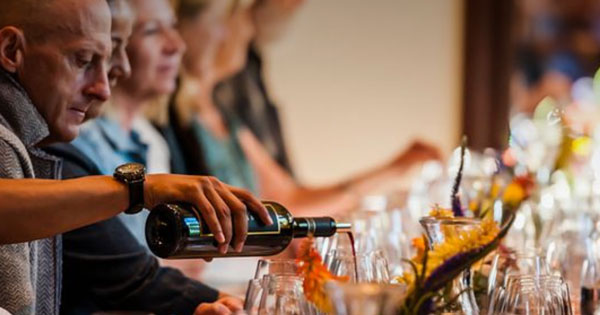
A question I’ve been thinking about lately: Do your tasting room systems actually work together, or do they just coexist? For many small WA wineries, the setup feels fine on the surface. You launch ecommerce. You add a POS. You manage your clubs. You run reports. Sure everything functions. But a few deeper questions tend to reveal where things get… shall we say, murky. Does tasting room purchase history show up cleanly in online customer records? If someone joins your club at the counter, does that status automatically reflect in your segmentation? When inventory changes, does every channel update right away? Can you pull one report that includes tasting room, online, and event sales - and trust it? Or is the answer sometimes… “Well… kind of.” That “kind of” is where small inefficiencies hide - extra exports, reconciliations, double-checking report
00