
Filter Post Type
NewsVideoProductEventLink
Sort:
Most Recent
1–10 of 62

Maintaining wine balance in a changing climate Climate change is reshaping the wine industry. In many wine regions, each year seems to set new records for the hottest or driest growing season, followed by the earliest harvest dates yet. Such accelerated ripening is disrupting grape physiology; phenolic and aromatic development fall out of sync, sugar levels soar, and acidity drops away (1). So how can we adapt and build a more resilient wine sector? The answer to this question is multifaceted. In the vineyards, grape growers are rethinking their management practices, adjusting canopy architecture, introducing shading or optimising irrigation (1,2). Some are reaching for higher altitudes or moving further from the equator in search of cooler conditions (1). Others are trialling alternative heat- and drought-tolerant varieties, from long-forgotten cultivars to newly bred plant material. In the cellars, winemakers may turn to pragmatic solutions such as dilution or blending strategi
00
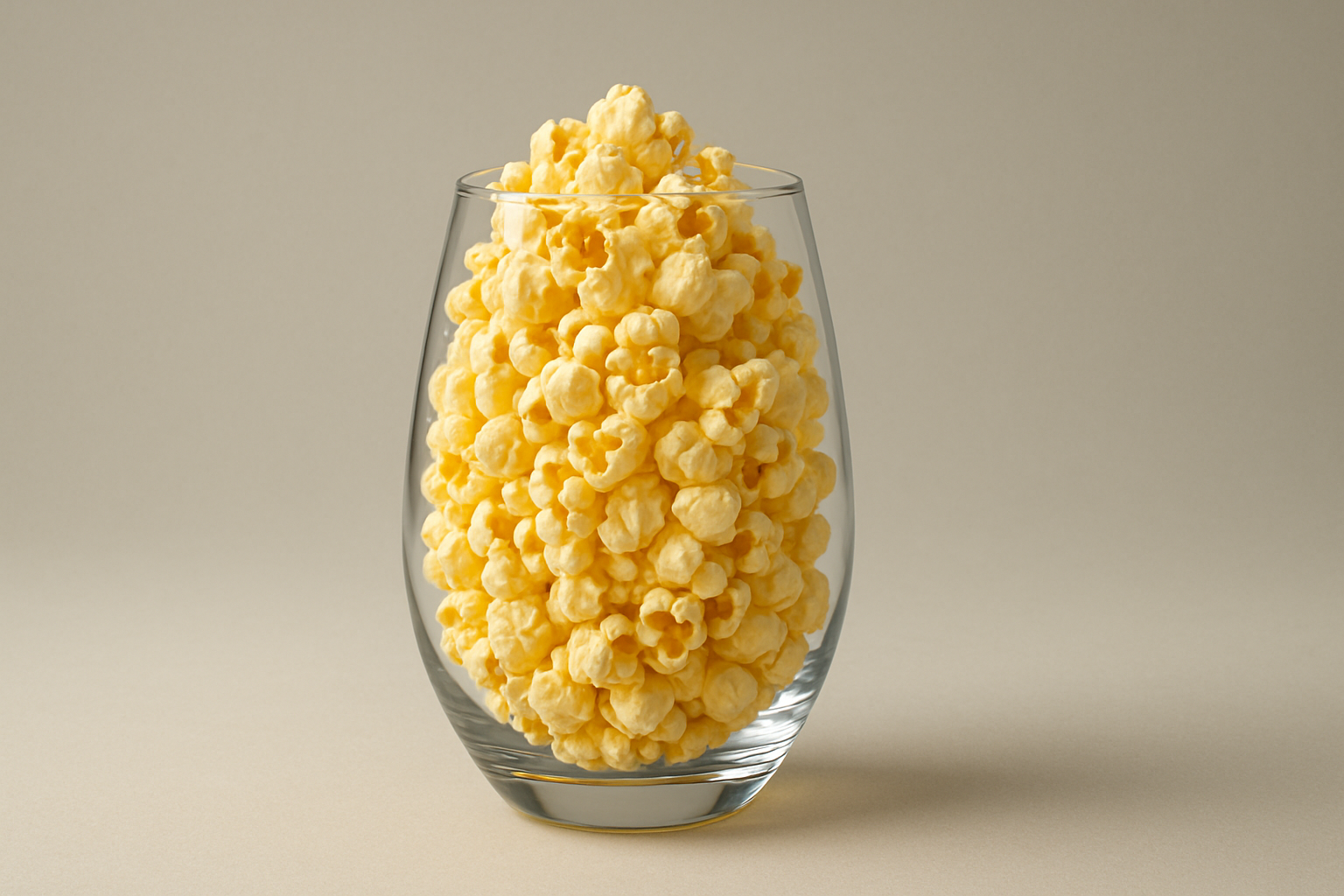
To Butter or Not to Butter... One notable byproduct of malolactic bacteria (other than lactic acid!) is diacetyl, a compound that imparts buttery or popcorn-like aromas. While some aim to promote this character in their wines, others may prefer to minimize it. Read on to learn more about winemaking decisions that influence diacetyl production. Tips for Managing Diacetyl Strain Selection Some ML strains like PN4™and BETA™ produce more diacetyl, while strains like VP41™, O-MEGA™, and ML PRIME™ produce less. Inoculation Timing Co-inoculation of yeast and bacteria minimizes diacetyl, since yeast consumes it as bacteria produce it. Lees Contact Yeast and bacteria in the lees aren't necessarily dead; they can remain alive for months. Lees contact allows for the consumption of diacetyl, decreasing the total amount in the wine. SO2 Management Adding SOâ‚‚ just after MLF protects diacetyl. SOâ‚‚ binds to diacetyl in a reversible reaction. Initiall
00
Troubleshooting Sluggish and Stuck Fermentations—Can you Get Back on Track without a Restart? There are several factors that affect the success of fermentation, and sometimes a small adjustment can get things back on track without the need for a full restart. Below we outline some common causes of problematic fermentations and advice for next steps. TEMPERATURE STRESS Each yeast strain has an optimal temperature range and anything outside of this range can cause yeast stress. If the temperature was too high or spiked, the yeast may not be viable and a restart may be needed. If it is too low, try slowly warming the wine to 70°F. INADEQUATE MIXING If the tank isn’t mixed, yeast may settle and lose access to nutrients and sugar. This can slow fermentation or cause it to stall. Gentle mixing during fermentation helps keep yeast active and fermentation on track. WINE MIGHT NEED DETOXIFICATION When yeast become stressed, they can produce compounds th
00
Every winemaker knows that fermentation is a delicate dance between art and science. Behind every great wine lies a thriving microbial ecosystem—some organisms we invite, others we need to keep far away. Mastering that balance is what separates clean, stable wines from those plagued by faults, spoilage, or inconsistency. Fermentation: Harnessing the Right Microbes During alcoholic fermentation, controlling microbial populations ensures your chosen yeast strain dominates the process. This helps achieve a complete and predictable transformation of sugars into alcohol and COâ‚‚ without unwanted by-products that can dull aroma or flavor. In malolactic fermentation, Oenococcus oeni converts malic acid to the softer lactic acid, reducing sharpness and enhancing mouthfeel. But MLF is also a vulnerable moment: the wine’s natural defenses are low, and spoilage microbes can easily gain ground. When MLF isn’t desired, those bacteria must be inhibited completely to protect the wi
00
That creamy, buttery aroma you sometimes find in a bottle of Chardonnay or other wines is thanks largely to a compound called diacetyl. It's the star player released during malolactic fermentation (MLF), and whether a winemaker wants to emphasize or eliminate it is one of the biggest stylistic choices they make. Diacetyl is a temporary byproduct of the bacteria's metabolism. It is later reduced into less aromatic compounds, which is why winemakers have to move fast to capture the flavor at its peak. To get a wonderfully buttery wine, the goal is simple: make a lot of diacetyl and then immediately halt its degradation. Here are the key strategies winemakers use to ramp up diacetyl production and keep that creamy character in the bottle: Timing is Everything: Inoculate after alcoholic fermentation.Wait until the main alcoholic fermentation is finished or almost finished before adding the bacteria. Why? The yeast that did the primary fermentation and the bacteria themselves are ve
00

August 28, 2025
Looking for reliable solutions to craft your best wines yet? Mays Chemical is your go-to source for AB Biotek Maurivin and Pinnacle winemaking products. Discover our selection: Maurivin and Pinnacle active dry yeasts: Trusted for consistent performance. Mauriferm and Pinnacle yeast nutrients: Designed to prevent stuck fermentations and unlock your wine's full potential. Pinnacle MLF bacteria: Selected for high alcohol tolerance, rapid malolactic fermentation, and resilience in low pH and cold environments. Mauritan range of tannins: Enables wines to show a good balance of fruit, structure, alcohol, and mouthfeel. Maurizym range of enzymes: Developed for ultra-efficient performance in every function. We're stocked with everything you need to create your desired wine profile, ensuring quality from start to finish. Plus, Mays Chemical, a Ravago Company, offers a full line of cellar essentials to keep your operations spotless and your wines exceptional! Connect with us for your har
00
July 21, 2025
Looking for reliable solutions to craft your best wines yet? Mays Chemical is your go-to source for AB Biotek's Maurivin and Pinnacle winemaking products. Discover our selection: Maurivin and Pinnacle active dry yeasts: Trusted for consistent performance. Mauriferm and Pinnacle yeast nutrients: Designed to prevent stuck fermentations and unlock your wine's full potential. Pinnacle MLF bacteria: Selected for high alcohol tolerance, rapid malolactic fermentation, and resilience in low pH and cold environments. Mauritan range of tannins: Enables wines to show a good balance of fruit, structure, alcohol, and mouthfeel. Maurizym range of enzymes: Developed for ultra-efficient performance in every function. We're stocked with everything you need to create your desired wine profile, ensuring quality from start to finish. Plus, Mays Chemical, a Ravago Company, offers a full line of cellar essentials to keep your operations spotless and your wines exceptional! Connect with us for y
00
July 11, 2025
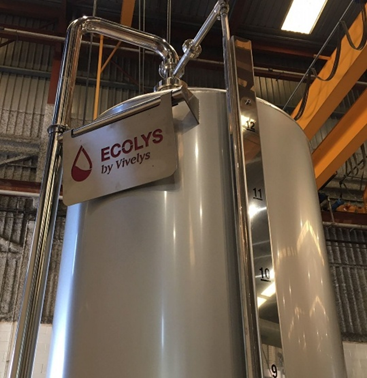
Save time, cut costs, and bring more peace of mind and safety to your daily operations. At Vivelys, we design technology solutions made to simplify your dayly work in the winery. Our mission is to guide you through a useful, concrete digital transformation aligned with the realities of the wine sector. Optimization of fermentation techniques Ecolys® allows for efficient propagation of yeasts and bacteria, resulting in high cell-density starters. Thanks to Ecolys®, you benefit from: Faster microbial implantation, Controlled production costs, Safer, more reliable fermentations. 👉Discover the Ecolys® solution Process automation Ecolys® Injection marks the beginning of a new era in intelligent automation. This automation system adjusts the supply of nutrients, water, juice, or MCR based on the evolution of density and yeast population. • Autonomous remote management, even on weekends, • &
10
It’s hard to imagine a time when malolactic fermentation (MLF) in red wines wasn’t standard practice. However, it was not too long ago that MLF could only be completed via spontaneous lactic acid bacteria which was often unpredictable, slow to initiate, and sometimes failed to complete MLF altogether. The introduction of Oenococcus oeni starter cultures in the 1960s and ’70s marked a turning point, bringing consistency, control, and reliability to the process. These cultures evolved into user-friendly, freeze-dried preparations, transforming MLF and turning it from gamble to a given. But science presses onward and research began exploring the genetic diversity of lactic acid bacteria found in wine. This work led to the discovery and characterization of a unique strain of Lactiplantibacillus plantarum. Now, Scott Laboratories has introduced this strain to the U.S. as ML PRIME™, the first and only non-Oenococcus bacteria currently available for mal
00

It takes all of a winemaker's experience, skill and passion to craft an outstanding and memorable wine that will delight existing customers and attract new ones. Younger consumers, in particular, are looking for new taste experiences, increasing the demand for wines with bold flavors and aromatic complexity — but without negative characteristics. Throughout history, winemakers have been aware of reduced acidity and other undesirable changes in their wine after fermentation. However, it was challenging to control these changes because they didn’t fully understand why they occurred. In the early twentieth century, scientists discovered the lactic acid bacteria responsible for this malolactic fermentation (MLF). AB Biotek continues to pioneer wine yeast product development, drawing on its extensive knowledge of fermentation and production and its mastery of science and technology. The company has now developed an innovative new solution that modifies the malic acid found i
00