
Filter Post Type
Sort:
Most Recent
110 of 13
Aromatic Expression: What Is the Influence of Yeast?
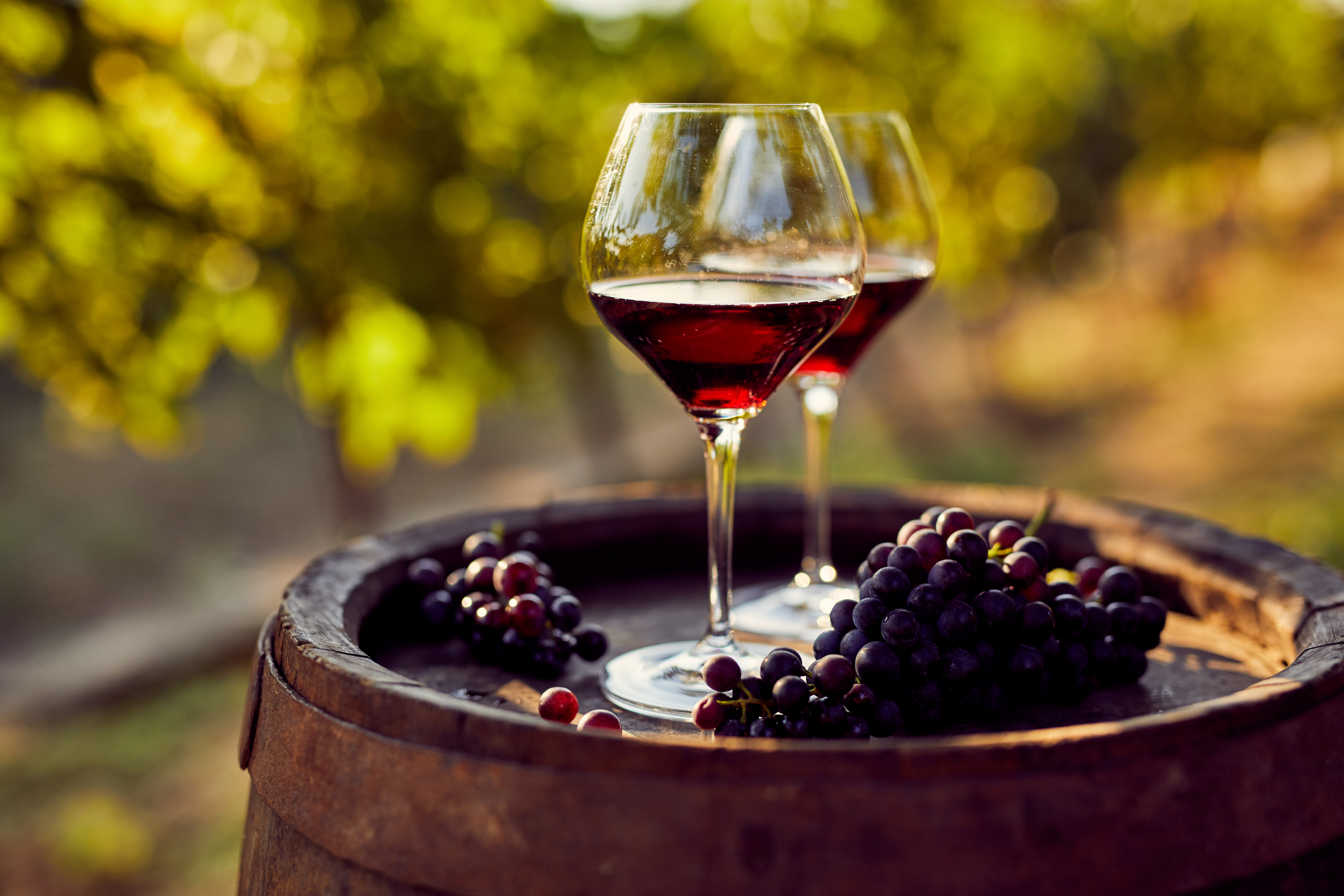
By Nathan Wisniewski How would you define varietal / fermentative aromas? Varietal aromas, sometimes called primary aromas, come from aromatic compounds present in the grapes. These aromas are generally typical of specific grape varieties (thiols in Sauvignon Blanc, Colombard, Petit & Gros Manseng, terpenes in Muscat and Gewürztraminer..). On the other hand, fermentative aromas – also known as secondary aromas – are mainly produced by yeasts during the alcoholic fermentation and can be found in all types of wines. The most common fermentative aromas are esters – like isoamyl acetate responsible for banana flavor – and higher alcohols like 2-phenylethanol characterized by rose notes. What is the influence of yeast on the aromatic profile of the wine? On the aromatic profile of the wine, yeasts have a tremendous impact on the wine aromatic expression: in addition to their direct effect on fermentative aromas, they indirectly take part to the expression of
00
Today's wine business news for wine industry professionals...

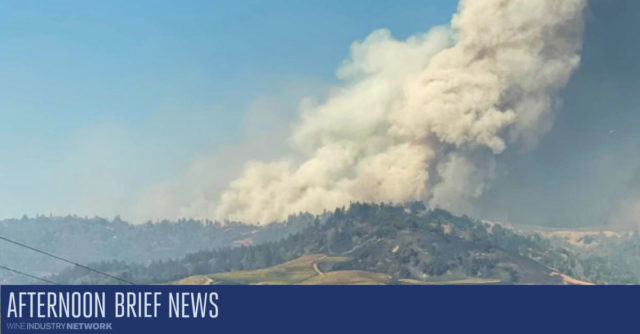
Oregon State Researchers Make Breakthrough in Understanding the Chemistry of Wildfire Smoke in Wine: Oregon State University researchers have discovered a new class of compounds that contributes to the ashy or smoky flavors in wine made with grapes exposed to wildfire smoke...
00
Today's wine business news for wine industry professionals...

Washington Wine Industry Helps Stall Bill to Lower DUI to .05%: Senate Bill 5002 didn’t make it across the finish line this year, but responsible wine consumers should keep in their rearview mirror the idea that a sizeable group of Washington state lawmakers wants to lower the legal limit of blood alcohol content to 0.05%...

00
The History of Yeast (part 1)
In the introductory blog in the Wine Series, we took a look at why it is important to rehydrate yeast properly. In the future, we will talk about and compare and contrast specific strains of yeast. But before we get into what the differences are between specific yeasts, we should take a look at how the yeasts used in winemaking came to be what they are today. Yeast is not new. It didn’t get invented. The fungus occurs naturally and has always been here with us and has changed along with us humans. Sometime, possibly around 5,000 years ago, humans realized yeast could be a tool and domesticated for our own purposes – whether that’s making bread or alcohol. In breadmaking, the yeast gives the bread CO2 bubbles to make the dough rise. Back then, people didn’t know about potassium bitartrate or other chemical means of making dough rise, so all bread was naturally fermented by using yeast and/or sourdough bacteria. In nature, yeast divides and makes a clone of itself
00
Today's wine business news for wine industry professionals...

Champagne Producers Rebel Against Environmental Reverse: Winemakers have fired the first shots in what could be a damaging battle between producers and Champagne's powers-that-be...
00
No French wine-producing region has seen a renaissance quite like Beaujolais...

A conversation with producers on sustainability, authenticity, and their raison dtre. New York, NY, December 12, 2022No French wine-producing region has seen a renaissance quite like Beaujolais. Once synonymous with []
00
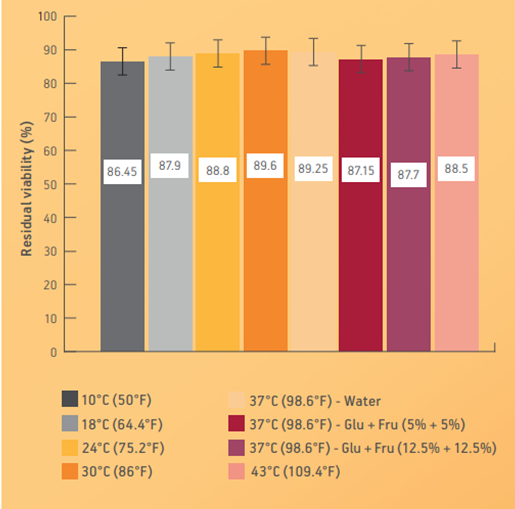
Understand E2Uâ„¢ (Easy To Use), the yeast certification that facilitates fermentation operations
Based the know-how and knowledge of the Lesaffre group, the world's leading yeast producer, Fermentis – the business unit of Lesaffre for beverage fermentation- has developed a specific production and drying process of yeast that confers to them a strong resistance to a wide range of inoculation conditions while preserving their fermentation performances and their aromatic characteristics. Fermentis uses independent laboratories and technical institutions to perform analysis and microvinification trials to certify and label its E2U™ yeasts. To better understand our validation processes, you will find below four examples of technical partnerships realized with SafŒno™ SC GVS107, SafŒno™ CK S102 and SafŒno™ STG S101 and SafŒno™ HD S135, four yeasts with very different technical and aromatic characteristics. These portions of studies are extracted from our global certification programs. The results presented below show t
00
Today's wine business news for wine industry professionals...

Historic Merger in Champagne Creates Giant Group: The largest merger of the 21st century in Champagne was completed yesterday, and sees the creation of a new super cooperative group with the capacity to produce 24 million bottles...

00
Beaujolais has long been a hub of innovation and vision,  a region filled with energetic winemakers, estate owners, and négociants who are unafraid to seek  out new ways to better their land and express it more clearly in the glass...

Explore the new wave of Beaujolais winemakers, estate owners, and négociants who are  setting the course for the region’s exceptional future.  New York, NY, December 16, 2021 — Beaujolais has long been a hub of innovation and vision,  a region filled with energetic winemakers, estate owners, and négociants who are unafraid to seek  out new […]

00