March 1, 2026
WIN Webinar: Yeast Nutrition in Winemaking - Your Most Common Questions Answered
This webinar aims to present to winemakers the state of our research about yeast nutrition in wine fermentations to guide the producers in their nutrition program. With the format of the discussion but also displaying data from multiple trials we will try to answer some common questions related to yeast nutrition.
Speakers


Sponsored by Fermentis
March 1, 2026
E2Uâ„¢ Yeast Derivatives for Winemaking - Interview with Olivier CailleMarch 1, 2026
SafÅ’noâ„¢ GV S107Ideally adapted to premium whites.
Premium elegant whites
SafÅ’noâ„¢ GV S107 is recommended for winemakers seeking for enhancing roundness and aromatic complexity to their whites, especially for elegant cultivars without major aroma precursors like Chardonnay.
Thanks to its analytic and aromatic cleanness, it is perfectly suitable for high alcohol and high pH full bodied whites issued from ripe fruits, fermented in barrels and/or aged on lees and undergoing malolactic fermentation. Its sweet and long lasting finish will provide a real advantage for short ageing premium whites.
Fresh fruit and floral whites
On fermentation side, SafÅ’noâ„¢ GV S107 is characterized by its promotion of floral and fruity higher alcohols and esters (rather than isoamyl acetate). On variety side, it helps releasing floral and citrusy aromas (terpens and C13-Norisoprenoids) from grapes. Thus, SafÅ’noâ„¢ GV S107 gently promotes aromatic varieties such as Viognier, Chenin Blanc, Riesling, Gewürztraminer… while always bringing a fresh and well-balanced persistent mouth.
Usage
- Gently pour the desired quantity of yeast in 10 times its weight of tap water at 30-35°C in a wide vessel. Pay attention to cover all the water surface area by creating a thin layer of yeast.

- Leave to rest for 20 minutes.
- Gently stir to complete yeast rehydration while avoiding the formation of lumps prior acclimatization.
- Double progressively the volume of the yeast suspension by adding must from the tank while stirring the mix so that the temperature of the yeast starter decreases and yeast activation starts.
- Leave to rest for 10 minutes.
- Homogenize and incorporate the yeast starter in the fermentation tank during a pumping over with aeration.
Microvinification on US West Coast Chardonnay, 14.9% v/v,
YAN/Sugar: 0.99, pH 3.2, fermented at 14-15°C (57-59°F) constant.
SafÅ’noâ„¢ GV S107 has especially been selected for its Premium Chardonnay ideally adapted organoleptic profile.
Tasting done by 9 trained panelists.
Packaging
Carton of 20 vacuum-packed sachets of 500g each (Full box net weight: 10 kg).
Guarantee
The high rate of dry matter of our yeasts assures an optimum storage in its original packaging at a temperature not higher than 20°C (during 3 years) and 10°C for an extended storage (4 years). Fermentis guarantees the product complies with the International Oenological Codex until its Best Before End Date in the storage conditions mentioned above.
Each Fermentis yeast is developed under a specific production scheme and benefits from the know-how of the Lesaffre group, world leader in yeast manufacturing. This guarantees the highest microbiological purity and maximum fermentation activity.
Fermentation abilities:
→ Kinetics depending on the pH: medium slow < pH 3.5 < fast
→ Wide fermentation temperature spectrum: 10-35 °C (50 – 95°F), very resistant at low
temperature
→ Good alcohol tolerance: > 15% vol./vol.
→ High SO2 resistance
→ Medium nitrogen requirements: ratio YAN (mg/L) / Sugars (g/L) between 0.8 and 0.9.
→ Killer factor: Neutral
Metabolic Characteristics:
→ Low yield Ethanol/Sugar
→ High glycerol production (7-8g/l)
→ Low volatile acidity production
→ Medium-low production of sulfur compounds (SO2, H2S) and low SO2 combination
→ High production of higher alcohols (especially phenyl-2-ethanol) and esters (especially ethyl
esters)
→ Medium release of glycosidically bound volatile aromas
Ingredients: yeast (Saccharomyces cerevisiae x Saccharomyces bayanus), emulsifier: E491 (sorbitan monostearate)
Contact: Anne Flesch
Email: a.flesch@fermentis.lesaffre.com
March 1, 2026
Spring’finerâ„¢, the Perfect Fining Agent Produced from yeastThe modern oenology must adapt to new demands on consumers safety, notably on the presence of allergenic substances in the oenological products used by winemakers. As a consequence, current usage of products derived from eggs and milk as protein fining agents, especially egg albumen and casein, is particularly controlled and can be subjected to a specific labeling according to the European Regulation (EU) n°579/2012. In this scope, Fermentis, in collaboration with the company Sofralab, developed a unique industrial process allowing the extraction and the preservation of native proteins from a specifically selected Saccharomyces cerevisiae yeast strain whose fining capabilities are remarkable.
Spring’Finer™ is a reliable source of yeast native proteins with remarkable fining abilities. Exclusively from yeast origin, this yeast protein extract is allergen free and can be considered as the sole fining agent totally integrated in wine elaboration.
BEST SUITED FOR.
We recommend Spring’Finer™ for Premium red and white wines, notably aged in barrels, requesting a so‑ clarifi cation prior to bottling. It will also be of great help for strongly pressed must and wines, in order to remove the most astringent and bitter tannins. It helps precipitating oxidable polyphenols thus improving wine quality and stability. Furthermore, Spring’Finer™ doesn’t provoke any protein destabilization of the wines. Lees are kept thick and compact to limit loss of your wine.
WHEN TO USE.
For wines, most of the time, it must be incorporated at the end of the ageing prior to the final filtration. For musts, use it directly after settling, before fermentation for whites and rosés.
Dosage. Must : 5-20 g/hl – Red wines : 5-15 g/hl – Whites and rosés : 1-5 g/hl.
March 1, 2026
SafÅ’noâ„¢ HD A54: For intensely fruity white and rosé wines & SafÅ’noâ„¢ HD T18: For elegant and fresh terpenic white winesSafŒno™ HD A54: For intensely fruity white and rosé wines
FOR TECHNOLOGICAL WHITE AND ROSE WINES WITH STRONG AMYLIC NOTES
Due to its extraordinary high production of isoamyl alcohol / isoamyl acetate and 2-phenylethanol / 2-phenylethyl acetate, SafOEno™ HD A54 is bringing to your wines intense fruitiness towards banana, candy and strawberry notes.
Its capabilities to maintain high total acidity and to bring roundness and sweetness is interesting to keep a very gourmet balance.
FOR BLENDING BASES
The moderate production of ethyl esters by this strain combined with a very high isoamyl acetate production, acting as a flavor enhancer, allows to systematically strengthen the aromatic intensity of the wine, particularly on fermentative notes. It makes this strain a really good tool to value neutral bases or to bring complexity to aromatic bases. This property leads as well to remove green aromas due to early picked grapes for delightful wines.
Considering its low SO2 production, this strain is particularly suitable for low SO2 content wines and favor malolactic fermentations.
SafOEno™ HD A54 will help winemakers adding value to their young and non-varietal wines.
Fermentation abilities:
→ Killer phenotype
→ Moderate implantation strength
→ Medium lag phase and medium to fast but regular kinetics
→ Good alcohol tolerance: up to 15% v/v
→ Optimum temperature fermentation: 14-30°C (57-86°F)
→ Good fructose assimilation
Metabolic Characteristics:
→ Low to medium malic acid consumption and high total acidity maintenance
→ Medium to high glycerol production
→ Moderate volatile acidity and very low acetaldehyde production
→ Medium H2S production and very low SO2 production / combination
→ Very high production of 2-phenylethanol, isoamyl alcohol and their acetates
→ High β-damascenone release
Ingredients: yeast (Saccharomyces cerevisiae x Saccharomyces bayanus), emulsifier: E491 (sorbitan monostearate)
SafŒno™ HD T18: For elegant and fresh terpenic white wines
FOR FRESH AND COMPLEX TERPENIC WHITE WINES
SafOEno™ HD T18 increases the aromatic potential of terpenic varieties such as Muscat, Viognier, Gewürztraminer, Riesling, Pinot Gris… thanks to terpenols and β-damascenone release supported by a balanced production of acetate & ethyl esters, which strengthens wines’ complexity. It particularly enhances fresh floral and citrus fruit notes.
Its clean fermentation profile towards undesirable metabolites combined to its aromatic properties gives to the winemaker a tool to elaborate fresh varietal and complex white wines.
Fermentation abilities:
→ Killer phenotype
→ Medium to high implantation strength
→ Low to medium lag phase with fast and regular kinetic
→ Good alcohol tolerance: up to 15% v/v
→ Optimum temperature fermentation: 10-30°C (50-86°F)
→ Good fructose assimilation
Metabolic Characteristics:
→ Low malic acid consumption
→ Medium glycerol production
→ Low volatile acidity production
→ Low to medium H2S production
→ Low to medium SO2 production / combination
→ Balanced production of ethyl and acetate esters
→ Favors high terpenol release and maintenance
Ingredients: yeast (Saccharomyces cerevisiae x Saccharomyces bayanus), emulsifier: E491 (sorbitan monostearate)

March 1, 2026
SafÅ’noâ„¢ HD A54-For intensely Fruity White and Rosé Wines!SafŒno™ HD A54 has been created through a Lesaffre R&D yeast hybridization program. This work aimed to overexpress fermentative floral and fruity higher alcohols and their corresponding acetate esters while keeping a clean fermentation profile for light young wines.
Dosage for still white and rosé wines: 20-30 g/hl, straight after settling
For technological white and rose wines with strong amylic notes
Due to its extraordinary high production of isoamyl alcohol / isoamyl acetate and 2-phenylethanol / 2-phenylethyl acetate, SafOEno™ HD A54 is bringing to your wines intense fruitiness towards banana, candy and strawberry notes.
Its capabilities to maintain high total acidity and to bring roundness and sweetness is interesting to keep a very gourmet balance.
For blending bases
The moderate production of ethyl esters by this strain combined with a very high isoamyl acetate production, acting as a flavor enhancer, allows to systematically strengthen the aromatic intensity of the wine, particularly on fermentative notes. It makes this strain a really good tool to value neutral bases or to bring complexity to aromatic bases. This property leads as well to remove green aromas due to early picked grapes for delightful wines.
Considering its low SO2 production, this strain is particularly suitable for low SO2 content wines and favor malolactic fermentations.
SafOEno™ HD A54 will help winemakers adding value to their young and non-varietal wines.
Fermentation abilities:
→ Killer phenotype
→ Moderate implantation strength
→ Medium lag phase and medium to fast but regular kinetics
→ Good alcohol tolerance: up to 15% v/v
→ Optimum temperature fermentation: 14-30°C (57-86°F)
→ Good fructose assimilation
Metabolic Characteristics:
→ Low to medium malic acid consumption and high total acidity maintenance
→ Medium to high glycerol production
→ Moderate volatile acidity and very low acetaldehyde production
→ Medium H2S production and very low SO2 production / combination
→ Very high production of 2-phenylethanol, isoamyl alcohol and their acetates
→ High β-damascenone release
March 1, 2026
NEW! SafÅ’noâ„¢ SH 12 Reveals thiols in white and rosé wines!SafŒnoTM SH 12 is ideal to reveal intense and harmonious thiols.
This active dry yeast has been specifically selected to reveal the aromatic potential of thiol varieties at their best by promoting the release of fruity and green thiol compounds. Its complexity is strengthened by a predominant production of ethyl esters and its crispness brings a nice balance and aromatic persistence in mouth.
We heartily recommend the use of SafŒno™ SH 12 for fresh fruity white and rosé wines, rich and complex in thiols.

For more information please contact Anne Flesch: a.flesch@fermentis.lesaffre.com
March 1, 2026
What are ‘killer’ yeast strains and are they important?
In a lot of documentations about wine yeasts, you will probably find an information about their “Killer” status… scary indication isn’t it? 😊 Let’s talk a bit about the meaning of this status – which seems like it was taken straight from a thriller movie!
Certain yeast strains can effectively produce and excrete proteins that are toxic for other strains. These proteins will bind to a specific receptor located on the surface of the cell wall and slowly induce the death of the affected strain.
There are 3 common types of strains: “Killer” ones which secrete the toxin and don’t possess its receptor (K+R-), “Sensitive” which don’t secrete the toxin but can bind to it (K-R+) and “Neutral” which neither excrete nor bind (K-R-).
As several toxins exist, in the wine world we almost always talk about the “K2” toxin when referring to the killer factor as this protein expresses its activity at wine pH (2.8-4.8).
However, the ratio between Killer and Sensitive strains – in order to move the population towards the predominance of Killer strains in winemaking conditions – is highly variable, from 1/1000 to 25/1!
The efficiency of the toxin depends on several parameters including temperature (thermo-sensitive) and pH (inactive below 2.9) which are the most important and can also be affected by the presence of polyphenols or additives.
But above all, the strains themselves show very different killer activity or sensitivity degrees… Anyhow, even if it is highly variable, it is generally recognized that the possession of this killer factor gives a better chance of implantation of said strain into the must and that is why it is something we rather look for when selecting wine yeast….
And we haven’t even mentioned the “suicide” strains (K+R+) which secrete toxins that can affect themselves… but that’s another story 😊!
By Etienne Dorignac, Technical Manager & Oenologist, Fermentis
March 1, 2026
Revolutionary “E2Uâ„¢” Yeasts & Derivatives Simplify and Enhance Fermentation Operations During HarvestImagine yeasts that do not require the cumbersome step of rehydration prior to use, providing winemakers with maximum performance and flexibility during the characteristically hectic days of harvest.
Further imagine that it can be pitched directly into the must without compromising fermentation or any of the desired phenological characteristics of the wine, including flavors, aromas, colors or levels of alcohol.
Sound too good to be true?
Fortunately for the worldwide winemaking community, this is the stuff of reality from Fermentis, a business unit of the Lesaffre Group, which has been a global leader in the research and development of fermentation products for the food, biotechnology and beverage industries for nearly 170 years.
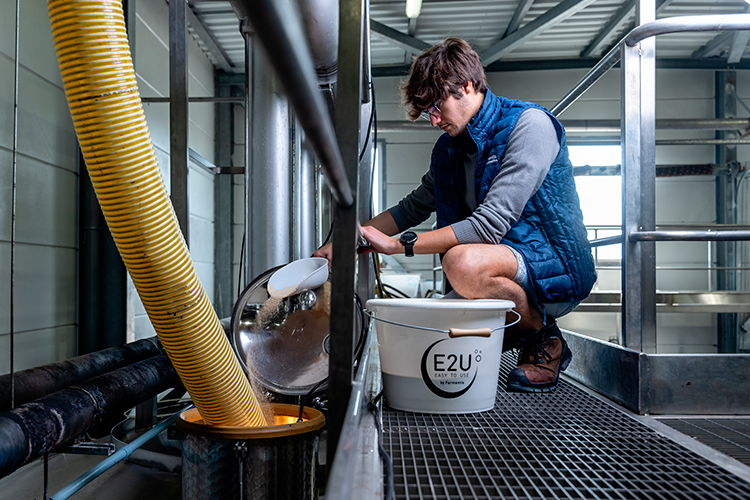
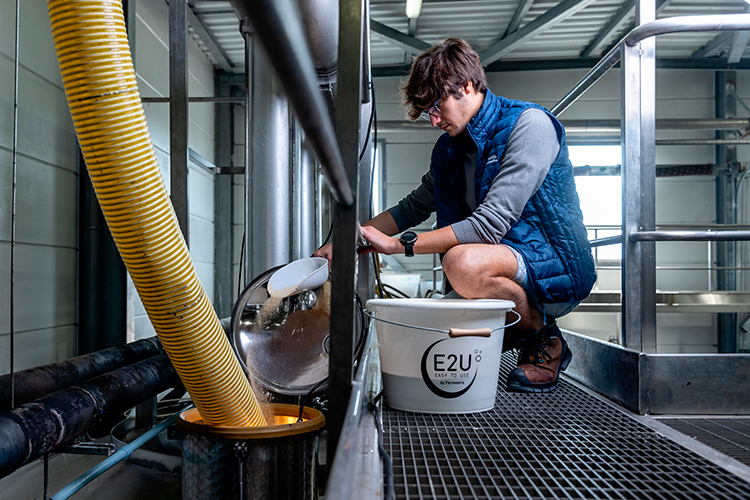
Fermentis has certified a wide range of yeast strains as E2U™, short for “easy to use,” that give the winemaker the choice of pitching directly into the must without prior rehydration, saving them critical time, energy and water use, while also offering greater safety, convenience and pollution reduction options during overall winemaking operations.
One of the important benefits of E2U™ is that rehydration is still an option for winemakers who prefer that preparation step with their yeast. Extensive trial results have shown that both the standard methods and E2U™ protocols have the same performance characteristics, a breakthrough for winemakers looking to effectively expedite the winemaking process without sacrificing quality.
Learn more about E2U™ yeasts production, certification, trials and use recommendations.
Also certified E2U™ in the Fermentis portfolio is ViniLiquid™, the first ever liquid product developed specifically to aid the fermentation process in all types of musts. ViniLiquid™ acts by optimizing the synergy between soluble and insoluble parts of highly degraded autolyzed yeasts providing organic nitrogen, survival factors, vitamins and support to the yeast. The innovative liquid form of the product is particularly convenient and safe for users. It is highly beneficial for wineries facing operational time management issues as it speeds up fermentation time compared to a dry form product of equivalent composition. It is available in different sizes to be suitable to any fermenter size and setup (210kg pumpable bag or 6kg jerrycan).
This month, in conjunction with the Fermentis Academy teaching program, Fermentis has partnered with CDR Food Lab and Parsec to present the Fermentis Academy for Winemakers North America, 2021: Solutions to simplify fermentation operations during harvest.
This highly educational four-part webinar series sponsored by the ATPGroup focuses on providing comprehensive fermentation solutions for winemakers around the globe.
Register for the Fermentis Academy Webinars.
To learn more, visit the Fermentis website or contact them directly at a.flesch@fermentis.lesaffre.
March 1, 2026
SafÅ’noâ„¢ PR 106 – For Premium Closed-tank Sparkling WineSafŒno™ PR 106 was especially selected and tested for the production of sparkling wines elaborated through the closed-tank or Charmat method. Releasing intense fruity and floral aromas, whilst also giving a pleasant roundness to the wine without hiding acidity, this yeast strain is ideal for premium sparkling base wines. SafŒno™ PR 106 also performs very well in many conditions and respects our Easy-To-Use (E2U™) standard which means it can be pitched straight into the must without prior rehydration.
Intense, complex fruity & floral aromas
SafŒno™ PR 106 was selected for its intense and complex fruity and floral flavours brought by a high production of higher alcohols and esters. Ethyl esters bring complexity whereas acetate esters help reduce potential green notes which could come from early harvested grapes, intended to keep some acidity for sparkling wines.
Fresh & persistent mouthfeel
SafŒno™ PR 106 is consuming some malic acid in fermentation and brings some roundness to base wines but still maintains a nice acidity and a fresh balance supported by its high aromatic persistence.
Strong performances
Regarding fermentation performances, SafŒno™ PR 106 is a strong yeast strain, resistant to high SO2 levels, with fast kinetics in a range of temperature adapted for base wine fermentation and prise de mousse processes (10-18°C / 50-64,4°F) with low nutrient requirements.
What the users think
With Vlady Bortolin, winemaker at Colesel Spumanti, Italy
“The final result is in line with our quality standards and the characteristics present in the bases are excellent. The aromatic bouquet obtained with this yeast is very fresh and clean; it respects the genome of the vine and highlights it. No exaggerated or unsuitable aromatic traces are present or have developed. This is a fundamental characteristic for me to highlight the different CRU. The bases still present in the cellar are beautifully toned, the aromas are still persistent, clean and fresh. Is it better? In my opinion, yes, the products obtained are not standardized and uniform, but they reflect and therefore respect the characteristics of the different territories and origins.”

With Andrea Artico, winemaker at Borgo Molino, Italy
“Fast and regular fermentative kinetics, it followed the starting matrix with the right acidity , intense, wide and fine aromatics, elegant balance. The product is in line with our best standards“
More about SafOeno™ PR 106 here: SafOeno PR 106 - yeast for fruity sparkling wines - Fermentis
March 1, 2026
ViniLiquidâ„¢ Testimonial - With Tiago Alves de Sousa, Alves de Sousa family’s Douro & Port Wines
Tell us a few words about yourself and your wines:
Born in a family with strong roots in the Douro Valley and a long winegrowing tradition, to Tiago Alves de Sousa the land appeal was listened from a tender age. With a degree in Agricultural Engineering by the University of Trás-os-Montes e Alto Douro, he was distinguished with the award Foundation “António de Almeida” and with a special distinction by the Portuguese government for being the best student of the degree.
After some periods of harvest training, collaborating with consecrated winemakers such as Manuel Vieira, Luís Cabral de Almeida and Anselmo Mendes, complemented with studies of winemaking and viticulture and a passage in the Institute of Viticulture of the Università Cattolica de Piacenza (Italy) where he collaborated with the reputed Professors Mario Fregoni and Luigi Bavaresco, he joins definitely Alves de Sousa’s winemaking team in 2002.
For some years he accumulated the work at the Alves de Sousa’s winery with a PhD in Viticulture & Œnology at the University of Trás-os-Montes e Alto Douro, which was concluded in 2011 with maximum classification. He has several publications about Viticulture and Œnology in international scientific magazines and in conference proceedings, being often invited to give lectures in Portugal and abroad. Tiago is also often judging in some of the most important international wine competitions (UK, China, Portugal, Germany, etc.).
Today he’s responsible for the winemaking of all the Alves de Sousa family’s Douro & Port wines. Since Tiago became the winemaker, the Alves de Sousa family won the award “Producer of the Year” in 2006, received more than 300 medals in the most prestigious international wine competitions and had some of the highest ratings ever of Portuguese wines in the most important international publications. In 2016 Tiago was invited to become a member of “Fórum de Enólogos” (Winemakers Forum), an exclusive wine club that gathers the most prestigious Portuguese Winemakers.
In 2017 Tiago was distinguished with the “National Winemaker Award” by the Fraternity of Algarve’s Gastronomists, an award held only every two years, distinguishing the persons that have contributed to the elevation of Wine and Gastronomy in Portugal and Europe. A very special distinction on the same year of a double nomination for the awards “Winemaker of the Year” (by magazine “Wine – A Essência do Vinho”) and “Winemaker Generation XXI” (by magazine “Paixão pelo Vinho” ), adding also on the same year nominations on two of the most important Portuguese wine publications.
A triple recognition of a very special year for the work of Tiago Alves de Sousa in the Douro & Port wines of the Alves de Sousa family. He’s also responsible for the exports and for the promotion of the wines all over the world. Tiago is one of the members of the 5th generation of the Alves de Sousa family.

When did you first start using ViniLiquid™?
First trials in 2016 and in bigger scale in 2019.
Tell us the story of why you came to use ViniLiquid™, what challenges were you facing?
In the Douro valley, we have extraordinary conditions for winemaking but also some challenges – the soils are very poor, the vineyards are often under water deficit conditions, it’s a relatively warm climate, all leading to a great concentration in the berries. So, the musts may be of great quality potential but often with low nitrogen levels and sometimes with high sugar content.
So, there may be risks of stuck fermentations or some metabolic deviations.
In what ways does ViniLiquid™ improve your winemaking process?
It helped to guarantee a more robust yeast population, leading to very consistent and progressive fermentations, and therefore giving us much more control over how we want our fermentation to develop.
Naturally, this will help also to preserve very bright, clean, and pure flavors.
And in a few varieties aromatically more neutral, the free amino acids content also helped to make the juices a bit more expressive but still respecting the grape’s character.
Would you recommend ViniLiquid™ to someone else and why?
Sure. The results are very consistent, it’s a good tool, especially when you know that your fermentation conditions can be challenging.
The liquid form is also a great bonus – during harvest time every little help, every little detail matters, so being easier and faster to measure and apply always saves us time that we can to dedicate to all the other things we have to do.
And, although I should say that it’s expensive … I must admit that it’s not that bad in terms of quality/value.
March 1, 2026
Enhance your wines’ aromas through fermentationJoin the Fermentis team for an interactive seminar on positive aromas from fermentation in wine: learn to identify them through tasting, understand how to select the right yeast to promote them and finally how to drive them through fermentation management (temperature, nutrition, etc.). This seminar will alternate tastings with aroma kits -in wine- provided by our partner AROXA and training on the art of fermentation. You will be tasting to identify 9 key aromatics compounds the yeast can produce and/ or impact: 3 thiols and 6 key esters. We will also discuss and answer your question on Easy-To-Use (E2U) yeasts and yeast direct pitching.
To finish this seminar will propose a small session about coffee cherry fermentation and how selected yeast can shape coffees’ aromas, with tasting of different Colombian coffees fermented with different yeasts.
The half day will start with a light breakfast and conclude with a lunch to socialize and continue our discussions. The registration will close on to accommodate for the organization of the tastings. For any request after that please contact Sean at s.thommen@fermentis.lesaffre.com.
Date: May 7th from 9am to 1pm
Location: Paso Robles Inn
1103 Spring Street. Paso Robles, CA 93446.
Program of the day:
Welcome and breakfast: 8:30-9:00 AM
Tasting and fermentation technical program: 9:00-11:00 AM
Yeast can be Easy-To-use and FAQ: 11:00-11:30 PM
The world of coffee fermentation 11:30-12pm
October 15, 2025
Lowering SO2 in Your Wine is Getting Easier with This New Bioprotection SolutionAs a wine consumer, if you are looking for qualitative low-to-no-sulfite wines, you know it can be challenging. As a winemaker, if you are trying to craft wines with lower levels of sulfites, you know it is difficult to achieve. It requires a deep understanding of your processes, a solid knowledge of the science behind sulfites mechanisms of action, and continued efforts at all stages of your wine’s life cycle.

The reasons why you are working on a low(er) SO2 winemaking program can be very diverse and multiple. You may be producing organic wines or simply trying to follow regulatory limits. You may be targeting to reduce the allergens in your wines or trying to use fewer chemicals in general. You may be worried about the negative effect that SO2 can have on your wines’ organoleptic qualities, or you are simply targeting to follow the overall health trend. In any case, Fermentis has solutions for you.
As a global leader in the research and development of fermentation solutions for the beverage industries for nearly 170 years, Fermentis by Lesaffre has developed creative products to help winemakers in their low sulfites projects. A recent Wine Industry Advisor webinar on Low SO2 Winemaking Solutions benefited from the expertise of Anne Flesch, Technical Sales Support Manager for Fermentis in the Americas. “For those seeking a low SO2 regimen, we recommend employing a multi-targeted approach using microbiological, chemical, and/or physical alternatives to replace its functions. Focusing and harnessing the power of Yeast and Yeast Derivatives is a good first step to take”, says Anne Flesch.

Understand the value of SO2 and the great potential of alternatives
In the must, SO2 helps prevent the onset of undesirable fermentations, such as those from acetic acid bacteria, and inhibits oxidative enzymes like grape tyrosinases and laccases. In the finished wine, it protects against bacterial and Brettanomyces spoilage. It also guards against oxidation during winemaking operations and helps prevent off-flavors and color degradation. Thus, lowering SO2 risks losing its antimicrobial, antioxidant, and oxidase-inhibiting properties and requires far greater stringency by the winemaking team. Anne Flesch noted that “it’s very easy to go overboard with SO2 as a safeguard of your operations but high levels can result in less fruity wines, a bitter or burning taste, or even a matchstick odor”, all characteristics that can be apparent to consumers.
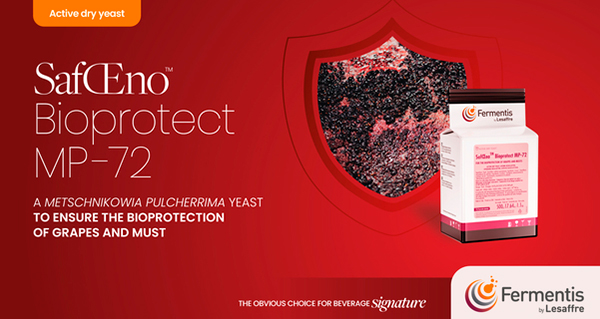
This harvest Fermentis’ portfolio will include a new non-Saccharomyces yeast strain, a Metschnikowia pulcherrima, called SafOeno™ Bioprotect MP-72, which can be a great bioprotection tool for your must. It has the ability to colonize the pre-fermentation must, reducing the growth of non-desirable yeast and reducing the need for SO2 at this stage. It can be used in white or rose musts from short clarification to longer pre-fermentation practices such as stabulation for up to 5 days at ~10°C /50°F or 10 days at ~4°C /40°F. It can also be used in red winemaking during cold soak. Then, as soon as you inoculate with your chosen commercial Saccharomyces cerevisiae, it will quickly take over for the alcoholic fermentation’ adds Flesch. The additional value is that it can increase the aromatic profile and volume of your wines, while keeping its analytical profile without fault and lower in sulfites.

Other products that help craft low sulfite wines include a selection of low SO2 producing SafOeno™ yeasts and yeast-derived nutrients, including SpringFerm™ Equilibre rich in thiamine (a vitamin proven to reduce SO2 production during fermentation) and SpringFerm™ Xtrem. “Carefully managing your fermentations should be a big part of your low SO2 winemaking program”. Other yeast-derived tools include SpringArom™, an inactivated yeast rich in glutathione, a natural antioxidant molecule. It can be used before and until the end of the fermentation in whites and roses. There are also yeast derivatives that mimic aging on lees and limit the microbial risks associated with such practices, such as SpringCell™ Color G2 to be used just before yeast inoculation or SpringCell™ Manno for use at the end of fermentation or the beginning of aging.
In addition, Fermentis’ North American distributor, ATPGroup, also carries products that complete a low SO2 program, including antioxidant tannins, antimicrobials like Vin-Chito (chitosan) and Vin-Lyso (lysozyme) or antioxidation products such as OxyGuard (micro- and nano-crystalline cellulose).
For more information and recommendations of protocols, Fermentis would love for you to reach out. For more details, please also refer to Fermentis and ATPGroup’s Low SO2 Winemaking Solutions webinar

June 9, 2025
Low SOâ‚‚ Winemaking: Smarter Strategies for 2025
Watch this Fermentis & ATP Group webinar to explore practical strategies for lowering sulfites in winemaking. From harvest to bottling, learn how to optimize SOâ‚‚ use with bioprotection, fermentation tips, and cellar management for the 2025 vintage.
June 5, 2025
Lowering SO2 in your wine is getting easier with this new bioprotection solutionLowering SO2 in Your Wine is Getting Easier
With this New Bioprotection Solution
As a wine consumer, if you are looking for qualitative low-to-no-sulfite wines, you know it can be challenging. As a winemaker, if you are trying to craft wines with lower levels of sulfites, you know it is difficult to achieve. It requires a deep understanding of your processes, a solid knowledge of the science behind sulfites mechanisms of action, and continued efforts at all stages of your wine’s life cycle.
The reasons why you are working on a low(er) SO2 winemaking program can be very diverse and multiple. You may be producing organic wines or simply trying to follow regulatory limits. You may be targeting to reduce the allergens in your wines or trying to use fewer chemicals in general. You may be worried about the negative effect that SO2 can have on your wines’ organoleptic qualities, or you are simply targeting to follow the overall health trend. In any case, Fermentis has solutions for you.
As a global leader in the research and development of fermentation solutions for the beverage industries for nearly 170 years, Fermentis by Lesaffre has developed creative products to help winemakers in their low sulfites projects. A recent Wine Industry Advisor webinar on Low SO2 Winemaking Solutions benefited from the expertise of Anne Flesch, Technical Sales Support Manager for Fermentis in the Americas. "For those seeking a low SO2 regimen, we recommend employing a multi-targeted approach using microbiological, chemical, and/or physical alternatives to replace its functions. Focusing and harnessing the power of Yeast and Yeast Derivatives is a good first step to take", says Anne Flesch.
Understand the value of SO2 and the great potential of alternatives
In the must, SO2 helps prevent the onset of undesirable fermentations, such as those from acetic acid bacteria, and inhibits oxidative enzymes like grape tyrosinases and laccases. In the finished wine, it protects against bacterial and Brettanomyces spoilage. It also guards against oxidation during winemaking operations and helps prevent off-flavors and color degradation. Thus, lowering SO2 risks losing its antimicrobial, antioxidant, and oxidase-inhibiting properties and requires far greater stringency by the winemaking team. Anne Flesch noted that “it's very easy to go overboard with SO2 as a safeguard of your operations but high levels can result in less fruity wines, a bitter or burning taste, or even a matchstick odor”, all characteristics that can be apparent to consumers.
This harvest Fermentis’ portfolio will include a new non-Saccharomyces yeast strain, a Metschnikowia pulcherrima, which can be a great bioprotection tool for your must. It has the ability to colonize the pre-fermentation must, reducing the growth of non-desirable yeast and reducing the need for SO2 at this stage. It can be used in white or rose musts from short clarification to longer pre-fermentation practices such as stabulation for up to 5 days at ~10°C /50°F or 10 days at ~4°C /40°F. It can also be used in red winemaking during cold soak. Then, as soon as you inoculate with your chosen commercial Saccharomyces cerevisiae, it will quickly take over for the alcoholic fermentation’ adds Flesch. The additional value is that it can increase the aromatic profile and volume of your wines, while keeping its analytical profile without fault and lower in sulfites.

Other products that help craft low sulfite wines include a selection of low SO2 producing SafOeno™ yeasts and yeast-derived nutrients, including SpringFerm™ Equilibre rich in thiamine (a vitamin proven to reduce SO2 production during fermentation) and SpringFerm™ Xtrem. “Carefully managing your fermentations should be a big part of your low SO2 winemaking program”. Other yeast-derived tools include SpringArom™, an inactivated yeast rich in glutathione, a natural antioxidant molecule. It can be used before and until the end of the fermentation in whites and roses. There are also yeast derivatives that mimic aging on lees and limit the microbial risks associated with such practices, such as SpringCell™ Color G2 to be used just before yeast inoculation or SpringCell™ Manno for use at the end of fermentation or the beginning of aging.
In addition, Fermentis’ North American distributor, ATPGroup, also carries products that complete a low SO2 program, including antioxidant tannins, antimicrobials like Vin-Chito (chitosan) and Vin-Lyso (lysozyme) or antioxidation products such as OxyGuard (micro- and nano-crystalline cellulose).
For more information and recommendations of protocols, Fermentis would love for you to reach out. For more details, please also refer to Fermentis and ATPGroup’s Low SO2 Winemaking Solutions webinar

May 19, 2025
WIN Webinar: Low SOâ‚‚ Winemaking Solutions
Join Fermentis and ATP group to discuss different winemaking solutions to craft wine with lower sulfites. In this session we will discuss the basics of SO2 management, why reduce it, the different strategies to implement from harvest to bottle to help decrease the use and production of SO2, how to optimize its efficiency.
Some topics discussed will be good pre-fermentation practices, bioprotection, fermentations optimization, aging in the cellar and pre-bottling practices. We will discuss microbial and oxidation management through the life of wines. The seminar will focus on sharing implementable solutions for the 2025 harvest.
Speakers
Anne Flesch, Technical Sales Support Manager – The Americas / Fermentis
Sean Thommen, Sales Manager – West USA / Fermentis
James Roblee, Enology Technical Support Representative / ATP GroupMay 13, 2025
A Quality Seal for Your Yeast & DerivativesE2U™ is a groundbreaking step taken by Fermentis in the world of yeasts and yeast derivatives for beverages.
With E2U™ certified products, save time and energy. With less to worry about, you can focus on what you do best: creating the finest fermented beverages for your customers.
When it comes to yeast, E2U™ certification means you can choose to pitch directly into the wort, or proceed to rehydration. It makes no difference, it’s up to you. We guarantee the same results.
For yeast derivatives, with E2U™ certified products, you’ll enjoy low dustiness and high dispersibility in the tank.
Learn More!

December 16, 2024
Fermentis Inaugurates New Production Facilities at Algist Bruggeman Yeast Factory in Ghent, BelgiumInnovative upgrades at major Fermentis production plant deliver significantly improved beer yeast quality and packaging flexibility.
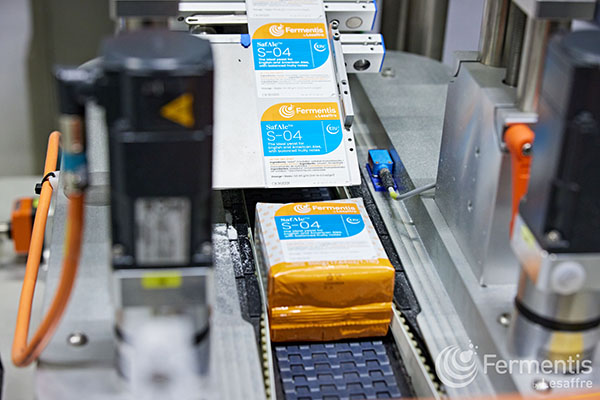
Fermentis, a world-leading manufacturer of active dry yeast for beverages, has recently completed significant upgrades to its production facilities and packaging lines at Algist Bruggeman, one of its major production plants in Ghent, Belgium. The developments were designed and built to meet strict quality, traceability and logistical requirements with the goal of improving the microbiological quality of yeast and better servicing Fermentis customers around the world.
Key components of the project include:
- Existing yeast production workshop upgrades.
- New state-of-the-art machinery and dry yeast transport and cleaning equipment.
- Fully cleanable production lines in both humid and dry conditions, to reduce possible cross contamination.
- Additional quality control checks to eliminate any leaks, soft bags or labelling errors including an intelligent camera system.
- A self-storage system featuring robot cells for automatic packaging, transport and intermediate storage.
- Innovative new packaging updates, including easy-to-open features, unique QR codes for improved product traceability, and on-demand customizable secondary label
- printing to meet market- or customer-specific requirements.

Stéphane Meulemans, General Manager at Fermentis, says, “We are thrilled to see the results of another big investment in our future: a brand-new production line in one of our key factories of the Lesaffre Group. This new facility has allowed us to raise the quality of our yeast to new standards, unheard of in the industry.”
Geert Van Renterghem, General Manager at Algist Bruggeman, says: “A well- functioning team has the power to achieve extraordinary results. And this has been my overwhelming experience with this project. The collaborative spirit is a hallmark for our organization, driving cutting-edge advancements in the quality of our end products, exceptional customer service and responsible resource management. Our commitment to sustainable energy and water use underscores our dedication to protecting and preserving the planet.”
Fermentis creates fermentation and characterization solutions for brewers, winemakers and all producers of beverages. The company is a business unit of Lesaffre Group, a global key player in yeast and all its applications for over 170 years. All fermentation products from Fermentis are developed with unsurpassed expertise under meticulous production procedures, which guarantees the highest microbiological quality and maximum fermentation activity.

August 2, 2024
Viniliquidâ„¢ : A Versatile and Efficient Fermentation AidWhat is ViniLiquid™ and why should you use it?
ViniLiquid™ is still today a highly innovative fermentation activator, developed by Fermentis in order to optimize fermentation performance, especially in the case of poor in nutrient musts. It is a highly degraded autolyzed yeast offering the advantages of both soluble yeast intracellular content and insoluble yeast hulls.
ViniLiquid™’s unique composition helps you improve and secure fermentation thanks to:
- Its strong supply of essential amino acids drastically increasing YAN (Yeast Available Nitrogen) level,
- Its supply in growth and survival factors
- Its detoxification properties and support effect
Its unique liquid formulation makes it easily and directly dispersible into the must, pumpable and safe (no yeast powder inhalation risks).
As such, it was our first Easy To Use (E2U™) yeast derivative!
Whilst the addition of O2 alone (blue line) definitely decreases fermentation time, it is clear that adding a mix of yeast derivative and SpringCell™ (red line) is a lot more efficient. But undoubtably, the most efficient way to speed up and secure fermentation is through the addition of O2 and ViniLiquid™, which can decrease fermentation time by up to 42% when compared to the control fermentation. There are strong synergistical effects between O2 and ViniLiquid™ together. However these results show that ViniLiquid™ is more powerful than a dry yeast autolysate with a similar composition, thus reinforcing the point of leaving it liquid.
Fermentation times using different activators
Chardonnay must (Potential ABV: 12.5%, pH 3.4 and initial YAN: 188mg/L).
Addition of 10mg/l of O2 at maximum fermentation speed (Smax) then equivalent supply of 20mg/l of YAN and 13.4g/hl of hulls through
ViniLiquid™ single addition or mix of soluble yeast derivative and SpringCell™ yeast hulls addition at 1/3rd of the fermentation advancement.
Yeast used: SafŒno™ CK S102.


Residual sugars after 238h of fermentation
The graph above shows that after 238h of fermentation, the combination of O2 and ViniLiquid™ led to a fully complete fermentation (0.50g/l of residual sugars) and clearly illustrated that in this must, O2 supply alone was not sufficient to achieve the fermentation whereas the combination with dry yeast derivatives achieved fermentation a bit later.
ViniLiquid™ strongly helps decrease fermentation time compared to other yeast-derived dry fermentation aids. It acts synergistically with O2 supply.
On this yeast viability graph, the addition of nutrients shows an effect on yeast population, with one stand-out winner: ViniLiquid™ which generates a surge in yeast population, whereas other nutrients yield only weak results. ViniLiquid™, like much of Fermentis’ yeast derivative range,
is E2U™ certified, meaning it’s very easy and safe to use.
Gros Manseng must (Potential ABV: 13.5%, pH 3.1 and initial YAN: 115mg/L).10mg/l O2 at Smax, then equivalent supply of 35mg/l of YAN and 19.2g/hl of hulls
through ViniLiquid™ single addition or mix of soluble yeast derivative and SpringCell™ yeast hulls addition at 1/3rd of the fermentation advancement.
Yeast used: SafŒno™ CK S102.

ViniLiquid™ leads to a more important cellular regrowth and viability maintenance than the combined additions of yeast derivatives and hulls. According to its fermentative power, Fermentis recommends: 50ml/hl of ViniLiquid™ for an equivalent YAN supply of 20 mg/l


LINK TO REGISTER