
Filter Post Type
NewsVideoProductEventLink
Sort:
Most Recent
1–10 of 125

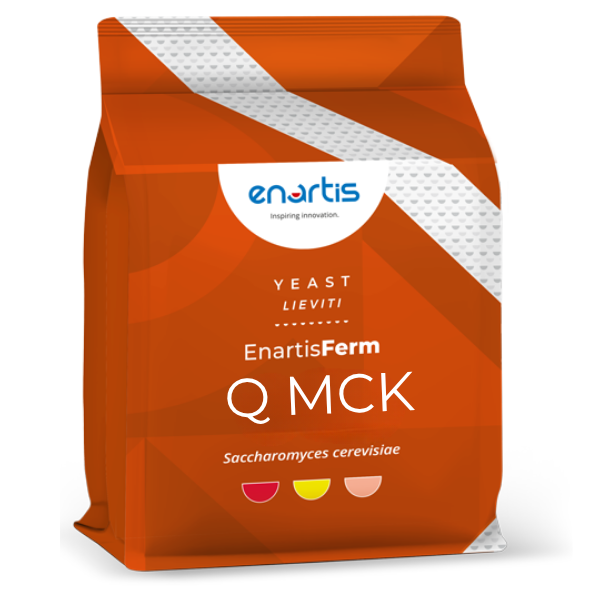
EnartisFerm Q MCK is a non-saccharomyces yeast (Metschnikowia pulcherrima) that was specially selected by the Centre of Excellence for Research in Microbiology (CERM) for its strong antimicrobial properties. CERM, established in 2024, specializes in research and development in the field of enological biotechnology. Its mission is to provide winemakers with reliable tools to improve their production processes through a tailored, scientific approach. EnartisFerm Q MCK is a natural alternative to SO2, and helps prevent quality loss caused by contaminating microbes and preserves aromatics. A non-fermentative yeast, its ability to quickly proliferate in juice and must even at cold temperatures makes it the ideal strain for bioprotection during pre-fermentation processing. Learn more about EnartisFerm Q MCK here! Questions? Contact your local technical sales representative or call (707) 838-6312.
00


Pure non-Saccharomyces Yeast FREEZE DRIED FROOTZEN™ A pure Pichia Kluyveri boosting fruit flavors in wine. Amazing in white and rosé wines, bringing an additional touch of complexity in red wines too. Learn more This product is now delivered in a user friendly freeze dried format that does not require a -40°C freezer. FROOTZEN™ A pure Pichia Kluyveri boosting fruit flavors in wine. Amazing in white and rosé wines, bringing an additional touch of complexity in red wines too. Learn more This product is delivered to the winery on dry ice. It can be stored for a short time on dry ice until used, or for longer term storage, in a -40 °C freezer. Watch Testimonial Video OCTAVE A pure strain of Lachancea thermotolerans (formerly Klyveromyces thermotolerans) selected for its capacity to increase the acidity in white and rosé wines and adding to the flavor complexity with stone fruits notes. As a consequence
00
March 4, 2026
Papapietro Perry Winery and Four Roses Bourbon Take Top Honors (March 6, 2026) — Winners have been announced in the fifth annual Los Angeles Invitational Wine & Spirits Challenge. A pinot noir from Papapietro Perry (Sonoma County, Calif.) and a small batch bourbon from Four Roses Distillery (Lawrenceburg, Ky.) topped their fields to be named Best of the Best. The competition was established in 2022, in conjunction with Los Angeles-based beverage professionals (representing both the on- and off-premise channels), to highlight the best of the best wine and spirits producers in the world, and to introduce those producers to the largest market of consumers in the United States. Judging took place February 18-19, 2026. Competition this year was stellar, says event producer Debra Del Fiorentino of Wine Competitions Management & Production: “Year after year, our judges continue to be impressed with the depth in each category. The quality of product was fantastic!” Wh
00


Dear Customer, As bottling season approaches, we’re here to support you with specialized testing services and essential products to ensure your wine is at its best. Important Details for Testing Services: These tests are not included in your subscription pricing; individual pricing is listed below. Each test requires a separate sample, with specific volume requirements. Please label your samples clearly with the test name. For Turbidity (NTU) and Brettanomyces testing, ensure you write "NTU" or "Brett" on the sample tube cap and label for streamlined processing. Available Tests and Pricing: Stability Testing (Please complete the Stability Test Request Form) Heat Stability Test: $20/sample (250 mL sample required) Bentonite Fining Trials: $75/sample (750 mL sample required) Note: These trials take 3 days and will start the following Monday if submitted after noon on Thursday. Davis Conductivity Test: $30/sample (375 mL sample required) DIT – Degree o
10

Maintaining wine balance in a changing climate Climate change is reshaping the wine industry. In many wine regions, each year seems to set new records for the hottest or driest growing season, followed by the earliest harvest dates yet. Such accelerated ripening is disrupting grape physiology; phenolic and aromatic development fall out of sync, sugar levels soar, and acidity drops away (1). So how can we adapt and build a more resilient wine sector? The answer to this question is multifaceted. In the vineyards, grape growers are rethinking their management practices, adjusting canopy architecture, introducing shading or optimising irrigation (1,2). Some are reaching for higher altitudes or moving further from the equator in search of cooler conditions (1). Others are trialling alternative heat- and drought-tolerant varieties, from long-forgotten cultivars to newly bred plant material. In the cellars, winemakers may turn to pragmatic solutions such as dilution or blending strategi
00

November 24, 2025
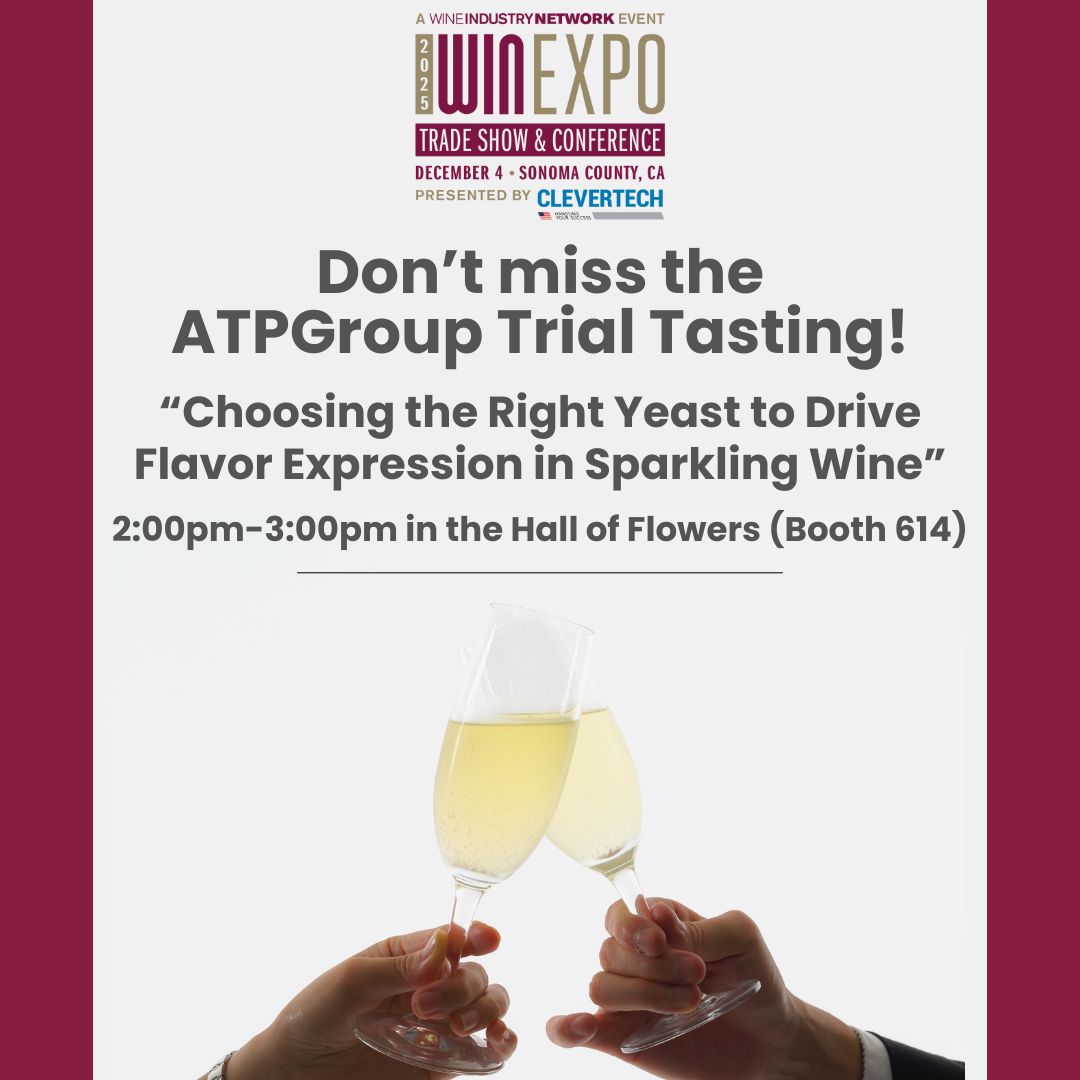
Sparkling wine is one of the most expressive and technically demanding wine styles. Its character begins with the grape variety, the vineyard, and the production method, but the final sensory signature depends heavily on yeast. Yeast acts as the invisible winemaker, shaping aroma, flavor, texture, and bubble structure throughout both primary and secondary fermentations. Different strains of Saccharomyces cerevisiae behave very differently under the challenging conditions of sparkling wine production. Low pH, increasing alcohol, and high pressure create an environment where only the right strains thrive. Equally important, each strain varies in its ability to create and release the flavor compounds that drive complexity and define style. When secondary fermentation takes place in the bottle and is followed by proper riddling, the yeast has an even greater influence on the final profile. To help winemakers better understand the impact of yeast selection, ATPGroup conducted a focused tria
00

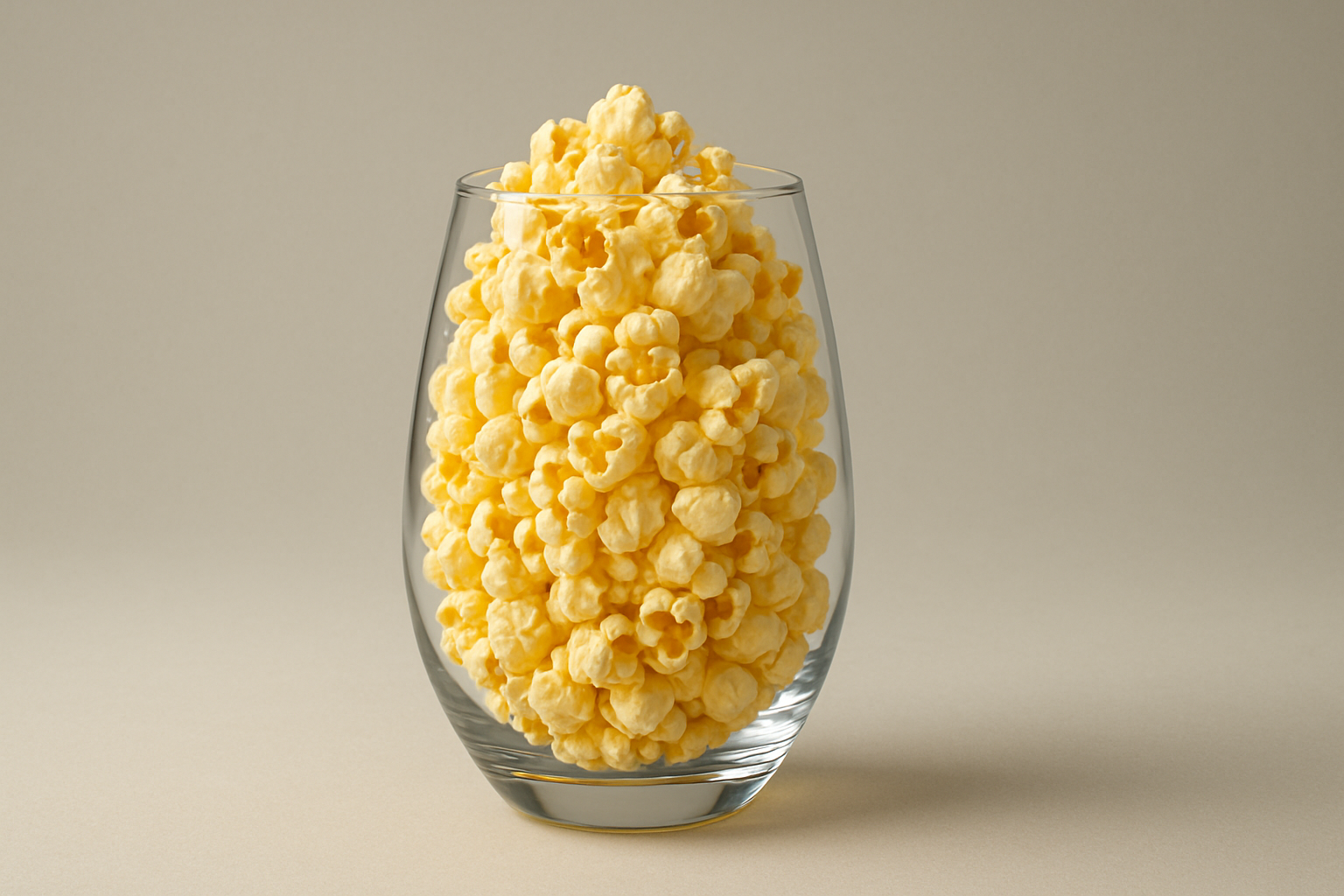
To Butter or Not to Butter... One notable byproduct of malolactic bacteria (other than lactic acid!) is diacetyl, a compound that imparts buttery or popcorn-like aromas. While some aim to promote this character in their wines, others may prefer to minimize it. Read on to learn more about winemaking decisions that influence diacetyl production. Tips for Managing Diacetyl Strain Selection Some ML strains like PN4™and BETA™ produce more diacetyl, while strains like VP41™, O-MEGA™, and ML PRIME™ produce less. Inoculation Timing Co-inoculation of yeast and bacteria minimizes diacetyl, since yeast consumes it as bacteria produce it. Lees Contact Yeast and bacteria in the lees aren't necessarily dead; they can remain alive for months. Lees contact allows for the consumption of diacetyl, decreasing the total amount in the wine. SO2 Management Adding SOâ‚‚ just after MLF protects diacetyl. SOâ‚‚ binds to diacetyl in a reversible reaction. Initiall
00
Troubleshooting Sluggish and Stuck Fermentations—Can you Get Back on Track without a Restart? There are several factors that affect the success of fermentation, and sometimes a small adjustment can get things back on track without the need for a full restart. Below we outline some common causes of problematic fermentations and advice for next steps. TEMPERATURE STRESS Each yeast strain has an optimal temperature range and anything outside of this range can cause yeast stress. If the temperature was too high or spiked, the yeast may not be viable and a restart may be needed. If it is too low, try slowly warming the wine to 70°F. INADEQUATE MIXING If the tank isn’t mixed, yeast may settle and lose access to nutrients and sugar. This can slow fermentation or cause it to stall. Gentle mixing during fermentation helps keep yeast active and fermentation on track. WINE MIGHT NEED DETOXIFICATION When yeast become stressed, they can produce compounds th
00
Every winemaker knows that fermentation is a delicate dance between art and science. Behind every great wine lies a thriving microbial ecosystem—some organisms we invite, others we need to keep far away. Mastering that balance is what separates clean, stable wines from those plagued by faults, spoilage, or inconsistency. Fermentation: Harnessing the Right Microbes During alcoholic fermentation, controlling microbial populations ensures your chosen yeast strain dominates the process. This helps achieve a complete and predictable transformation of sugars into alcohol and COâ‚‚ without unwanted by-products that can dull aroma or flavor. In malolactic fermentation, Oenococcus oeni converts malic acid to the softer lactic acid, reducing sharpness and enhancing mouthfeel. But MLF is also a vulnerable moment: the wine’s natural defenses are low, and spoilage microbes can easily gain ground. When MLF isn’t desired, those bacteria must be inhibited completely to protect the wi
00
October 1, 2025
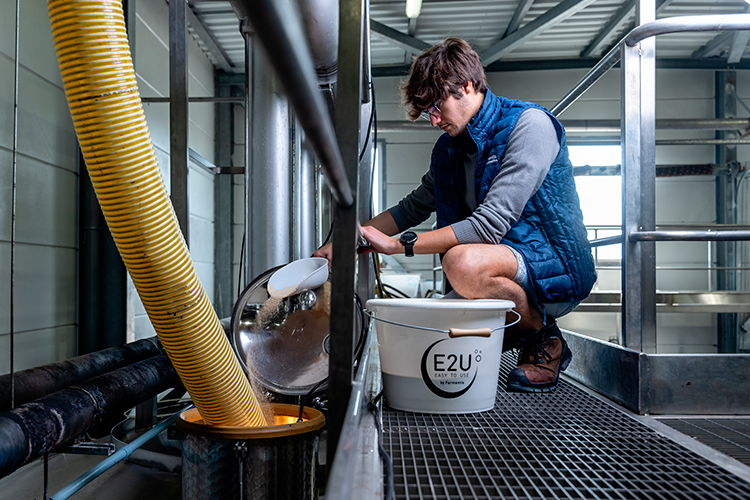
As a wine consumer, if you are looking for qualitative low-to-no-sulfite wines, you know it can be challenging. As a winemaker, if you are trying to craft wines with lower levels of sulfites, you know it is difficult to achieve. It requires a deep understanding of your processes, a solid knowledge of the science behind sulfites mechanisms of action, and continued efforts at all stages of your wine’s life cycle. The reasons why you are working on a low(er) SO2 winemaking program can be very diverse and multiple. You may be producing organic wines or simply trying to follow regulatory limits. You may be targeting to reduce the allergens in your wines or trying to use fewer chemicals in general. You may be worried about the negative effect that SO2 can have on your wines’ organoleptic qualities, or you are simply targeting to follow the overall health trend. In any case, Fermentis has solutions for you. As a global leader in the research and development of fermentation s
00