
Filter Post Type
NewsVideoProductEventLink
Sort:
Most Recent
1–5 of 5

Cal/OSHA Has Approved Its California Indoor Heat Illness Rule: Here’s What It Means for CA Employers
July 9, 2024

The California Division of Occupational Safety and Health (Cal/OSHA) approved a long-awaited indoor heat-illness standard on June 20, 2024. Before going live, the Office of Administrative Law (OAL) will have 30 days to approve or deny the standard. Cal/OSHA has requested that it go into effective immediately after OAL approval, so it could very well go live in a month. The standard, Section 3396, requires employers with indoor workspaces of 87 degrees Fahrenheit and above to reduce the room temperature and offer workers other cool-down options. For indoor workers who wear poor ventilating protective clothing or work near a heat source, employers will instead have to provide cool-down options when the inside temperature reaches 82 degrees Fahrenheit. What California Employers Will Need to Prepare While California has had an outdoor heat illness standard since 2006, indoor workers have been left unprotected. Cal/OSHA has been developing this rule since 2017 but has se
00

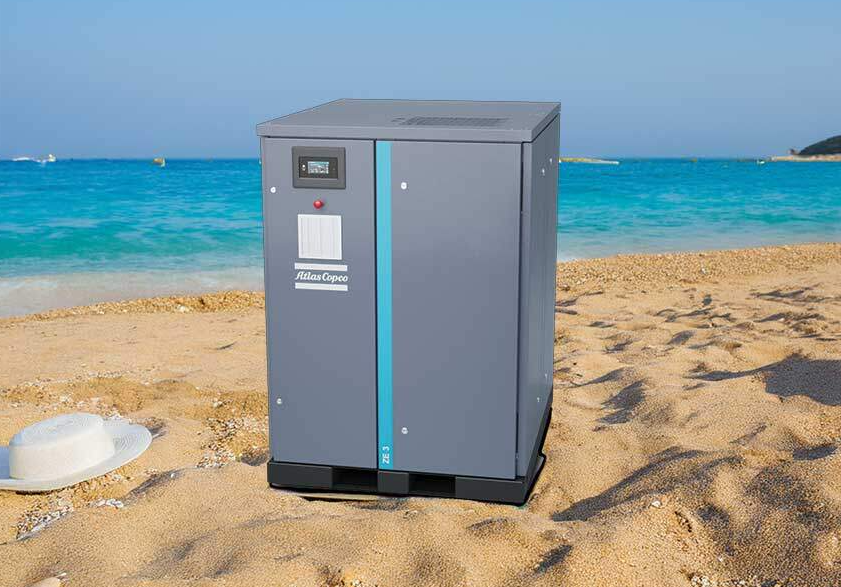
It’s that time again. Summer is quickly approaching, and we must address the increased temperatures and how they can affect the efficiency and performance of air compressors. Air compressors are designed to operate within specific temperature ranges. When the heat rises, it poses several challenges that can compromise their efficiency, reliability, and lifespan. Understanding these impacts and how to mitigate them can ensure your air compressors continue to operate optimally even during the hottest months. 1. Reduced Efficiency Heat and Air Density: The primary way that high summer temperatures impact air compressors is through the reduction of air density. Compressors work by taking in air and compressing it to a higher pressure. During hot weather, the air entering the compressor is less dense, meaning there's less air mass per unit volume. This results in the compressor working harder to achieve the same pressure levels, leading to decreased efficiency. Increased Ene
00

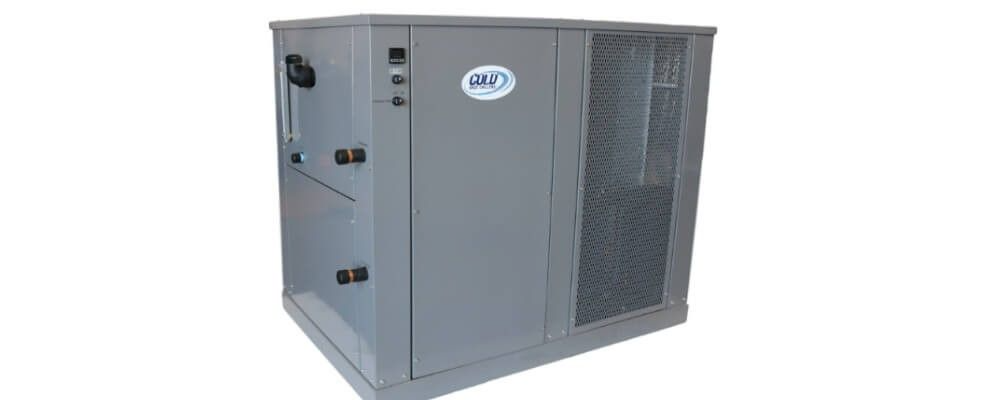
Industrial processes generate a significant amount of heat which must be dissipated to avoid damage to sensitive equipment and protect finished products. A well-established method of monitoring and regulating temperatures at optimal levels involves the use of chiller systems which can either be water or air-cooled. This article will highlight the differences between a water-cooled chiller vs. air-cooled chiller system. Air-cooled Chiller vs. Water-cooled Chiller Although both air-cooled chillers and water-cooled chillers function to remove unwanted heat from manufacturing processes, they differ in many ways. Deciding which chiller type best suits your industrial application depends on several factors, such as: Chiller condenser mechanisms Water cooling vs. air cooling cost differences Chiller capacity ranges Environmental and location considerations Operational and aesthetic differences Air-cooled Condenser vs. Water-cooled Condenser There are distinct differences between the condenser
00

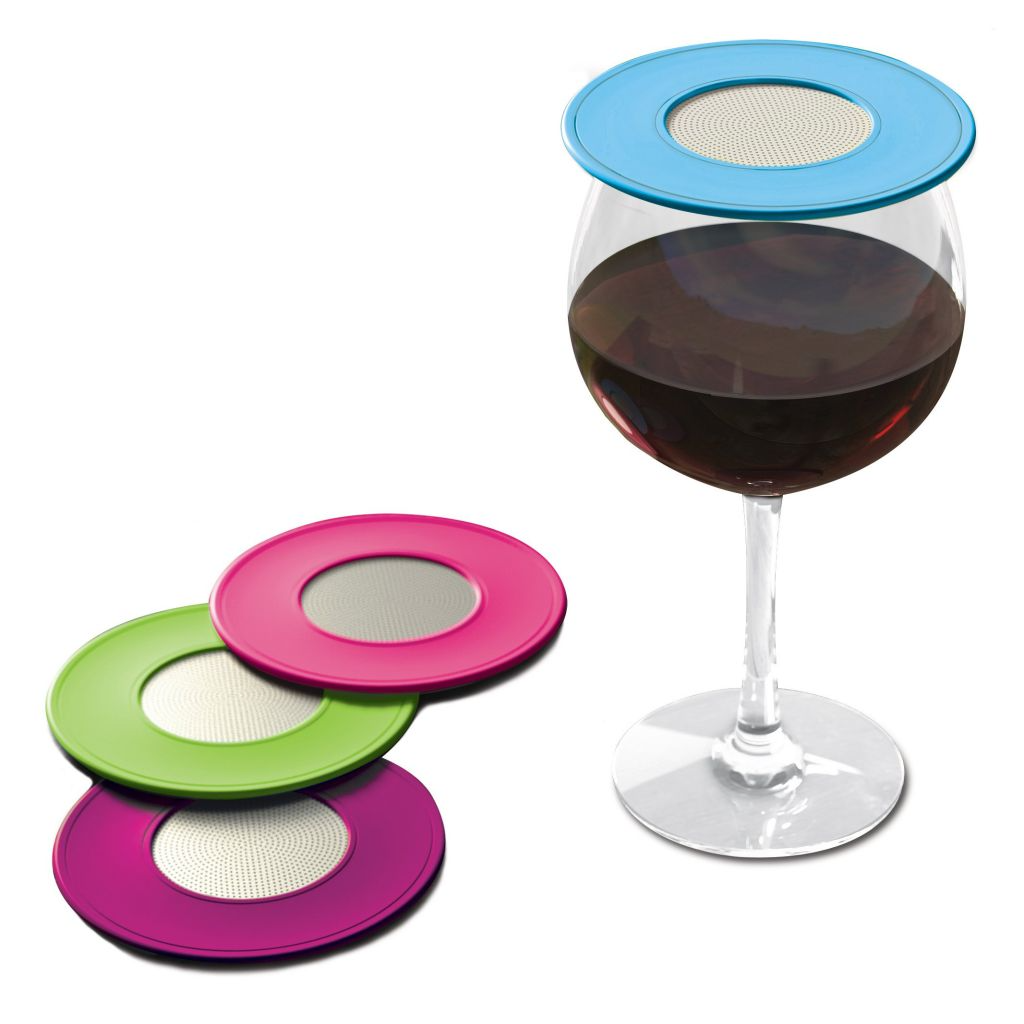
In the summer months, there’s nothing quite like sitting outside and enjoying a glass of wine. But, wide-open stemware invites insects, leaves, pollen, and other outdoor elements into the glass. Fortunately, there is a solution that allows you to enjoy your wine without having to share with unwanted outdoor visitors. When you enjoy a favorite bottle of wine, the last thing you want to do is throw out a glass or two because a fly, mosquito, leaf, or other unwanted outdoor pest landed in it. You only get so many glasses out of a bottle. The easy solution to protect your wine Ventilated silicone wine glass covers keep the wine in and the bugs out. Made of food-grade silicone, these ventilated drink covers have a four-inch diameter. They are BPA-free and dishwasher safe, so you can easily reuse them. The covers have a silicone perimeter with a weighted screen that allows your wine to continue to aerate and taste fresh. What differentiates these covers from oth
10

Objective: Increase your employees’ awareness of COVID-19 and ways to prevent its spread. Coronavirus (COVID-19) is the latest communicable disease outbreak with symptoms ranging from mild to severe. The World Health Organization (WHO) has classified this illness as a pandemic because of its worldwide spread with no pre-existing immunity. While it may be a novel illness, workplace hygiene best practices remain the same. What is a Coronavirus? The term coronavirus describes a broad category of viruses that affect both people and animals. The name is based on the crown-like spikes on the virus’s surface. According to the U.S. Centers for Disease Control and Prevention (CDC), these types of viruses were identified in the mid-1960s and are a common cause of colds and upper respiratory infections. Note: Antibiotics have no effect on viruses. COVID-19 is a new strain of coronavirus. Evidence suggests it began with animal-to-person transmission then shifted to person-to-
00