
Filter Post Type
NewsVideoProductEventLink
Sort:
Most Recent
1–10 of 60
Reimagining Vineyards. Revitalizing Revenue. Reconnecting with Community. For over 40 years, Allen Land Design has helped shape the beauty and function of Northern California’s iconic wine country. We’ve built bocce courts, tasting patios, and elegant garden landscapes. But today, every winery has these—and still, many are struggling. It’s time for something new. Introducing: “Beyond the Vines” – A New Vision for Wine Country We are partnering with forward-thinking wineries ready to transform unused or underperforming vineyard blocks (5–25 acres) into innovative, revenue-generating, and community-driven destinations. Instead of competing with 5–7 tastings in a day, offer your guests a 2–3 hour immersive experience that blends agriculture, art, technology, food, and connection. What’s Growing Next? (Hint: It’s not just grapes) Before the grape boom, Sonoma and Napa counties grew: • Grains (wheat, barley) – Perfect for
00

For most wineries, marketing still follows a familiar path: email campaigns, wine clubs, tasting room experiences, and social media. These channels continue to drive direct-to-consumer sales, but they are also becoming increasingly saturated. Reaching new customers often requires more content, more spend, and more competition for the same audience. At the same time, another force is shaping consumer behavior at scale—film and television. A single streaming series can influence travel, dining, fashion, and brand awareness almost overnight. Within those moments, wine is already present. It appears in dinner scenes, celebrations, restaurants, and quiet evenings at home, serving as a natural extension of lifestyle and hospitality. Historically, however, the bottles used on screen have rarely represented real wineries. That is beginning to change. Wine product placement is emerging as a viable and strategic marketing channel for wineries looking to expand beyond traditional touchpoin
00
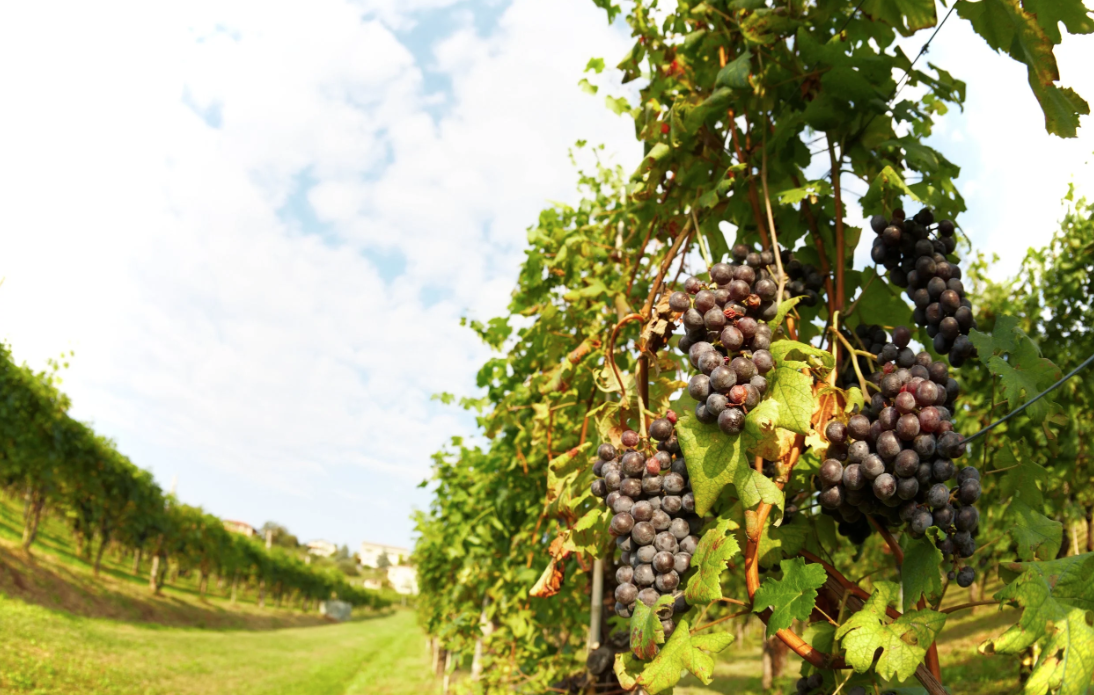
The weather is shifting, trip-planning season is underway, and tasting room traffic is about to pick up. This is the good news. The bad news? If you're reading this and thinking "we'll get to our spring marketing when spring gets here," you're behind. The tasting rooms that stay full from April through June aren't the ones with the best wine or the prettiest views. They're the ones that showed up in someone's planning process three weeks before the trip happened. People don't stumble into wine country on a whim and wander from door to door the way they did fifteen years ago. They research. They scroll. They book. And if your winery isn't visible and compelling during that research window, you're invisible when it counts. The hotel industry figured this out years ago. Marriott doesn't wait until summer to market beach properties. They start running "book your getaway" campaigns in late winter, because they know the booking win
00
February 24, 2026

The word “brand” is notoriously difficult to define in marketing. If we were talking about a ranch brand—the kind seared onto livestock to signify ownership—that’s easy to understand. But in marketing, a brand is not a physical thing. It’s a symbolic construct. It’s not the label on the bottle or the winery’s logo or even the product itself. Rather, it’s the entire perception a consumer holds in their mind about your company, your wine, your people, and everything you collectively represent. A brand is a conceptual identity that differentiates you from your competitors. It can be shaped by your name, your origin story, the design of your label, the personalities involved in your winery, your tasting room experience, your packaging, your email tone, your partnerships, or even how you respond to a customer complaint. All these elements come together to form the intangible yet powerful idea of your brand. It is, quite literally, eve
00
February 12, 2026
Market rich in strategic buying opportunities With 2026 already six weeks old, this month’s California Report relays the bulk wine and grape activity levels that we have seen since the turn of the year: What has been receiving buyer interest, and at what kind of pricing? As well as updating our monthly bulk inventory charts, we drill down deeper into the inventory we have listed with us, finding the availability picture a little more nuanced than might be assumed. Cashflow is now an almost universal concern throughout the industry, and late payment has become a common issue. Many growers are minimizing farming until their vines are contracted, some uprooting altogether. Buyers – outside of those fulfilling private-label programs – are wary of committing; some even have wine or grapes to sell. Adding to buyer hesitancy is the lack of evidence that case-good sales are stabilizing – this month’s report has the latest from SipSource on US wholesaler depletion
00
February 11, 2026
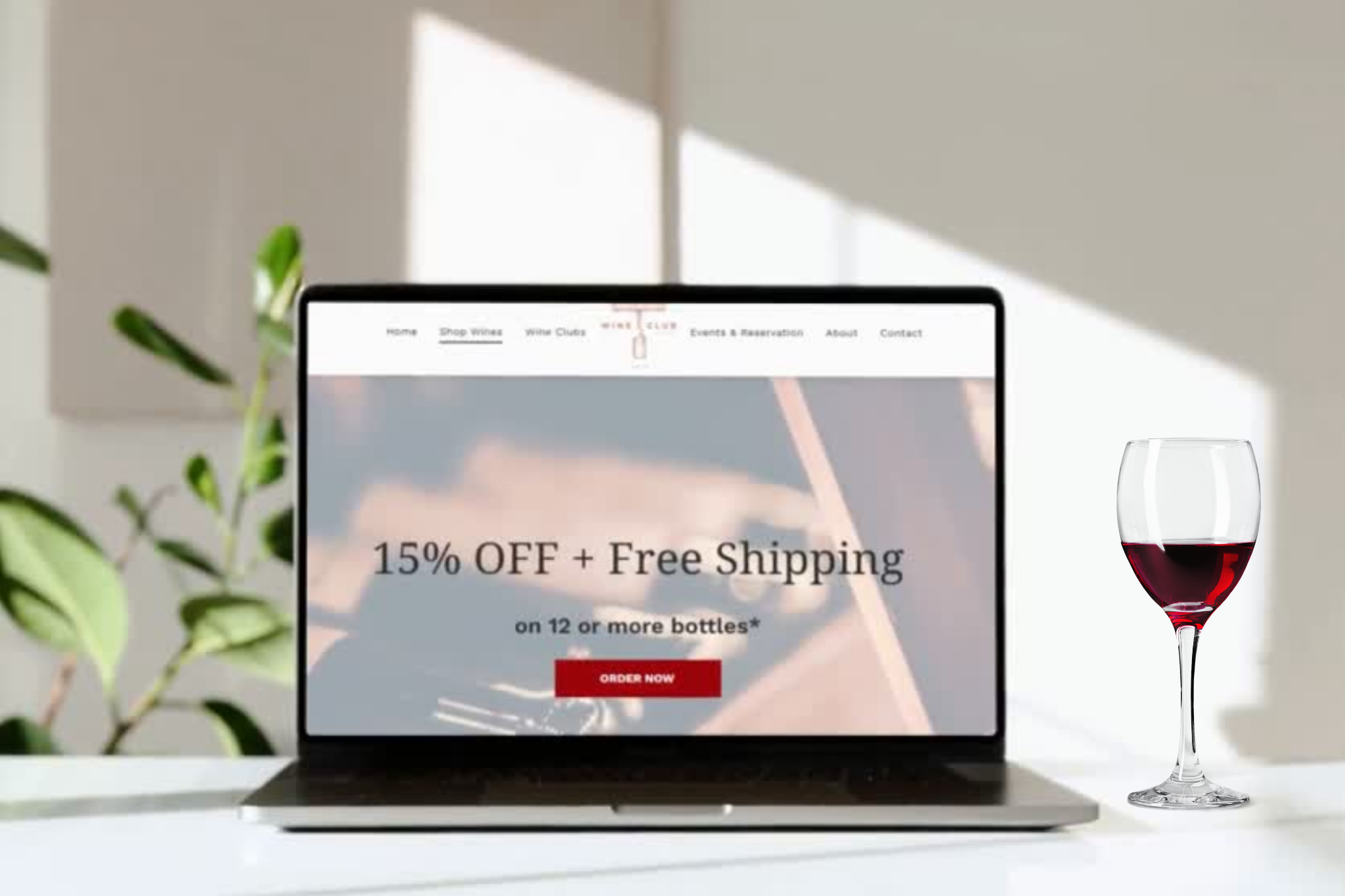
Most wineries don’t have a promotion volume problem. They have a promotion design problem. When you look closely at wineries delivering strong margins alongside steady consumer sales growth, patterns start to appear. Not because those promotions are trendy or copied from competitors, but because they are intentionally designed to drive revenue while protecting long-term customer behavior and brand value. Modern promotion strategy is not about running more campaigns. It is about structuring incentives that influence how, when, and why customers buy. Across the strongest performing wineries, promotions are increasingly treated as part of the revenue model rather than just part of the marketing calendar. They shape demand, influence order composition, and support long-term customer value. Why Promotion Strategy Is Really Revenue Strategy Promotions are no longer just marketing tactics. They are one of the most controllable levers inside a winery’s DTC P&L. For most wineri
10
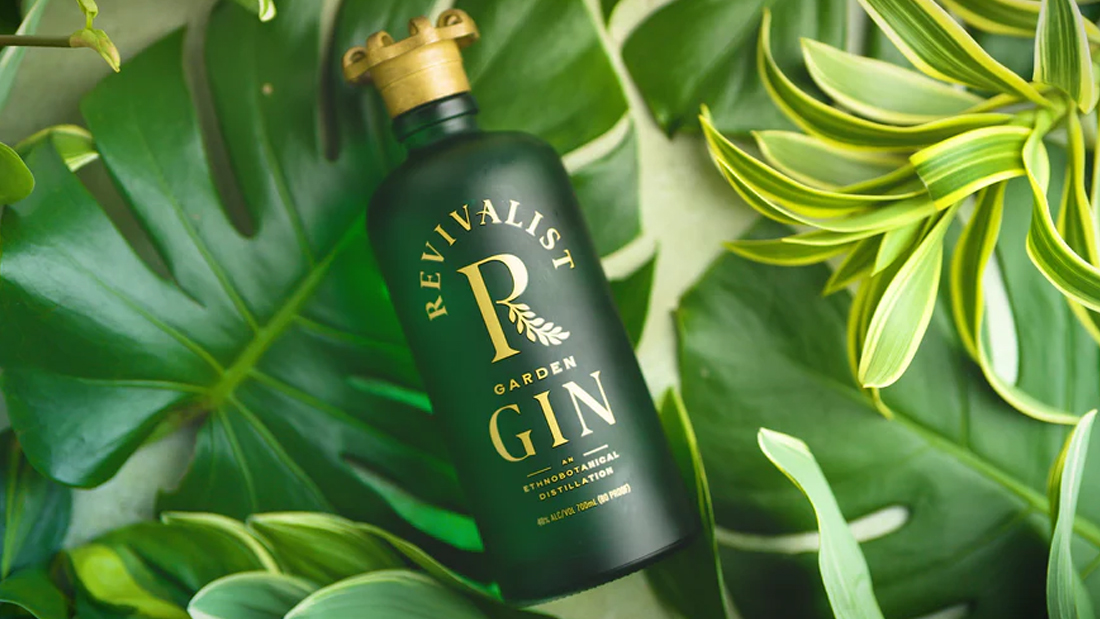
The wine and spirits industry is standing on the precipice of a major design evolution. For years, “premium” was defined by weight, excess, and tradition. For 2026, a new definition of luxury is emerging; one that values intelligence over mass, and tactile storytelling over simple visual appeal. For brand owners and procurement leaders, staying ahead of these glass packaging trends in 2026 is no longer just about aesthetics; it is a matter of strategic survival. From the rise of “quiet luxury” and right-weighted glass to the complex pressures of global supply chains, the packaging decisions made today will define brand resilience tomorrow. In this forecast, we explore how sustainable luxury, ergonomic innovation, and smart supply chain strategies are reshaping the premium landscape, and how Global Package provides the specialized glass solutions needed to help you navigate this future. The State of Glass Packaging for Wine & Spirits At Global Package, we&r
00
January 20, 2026
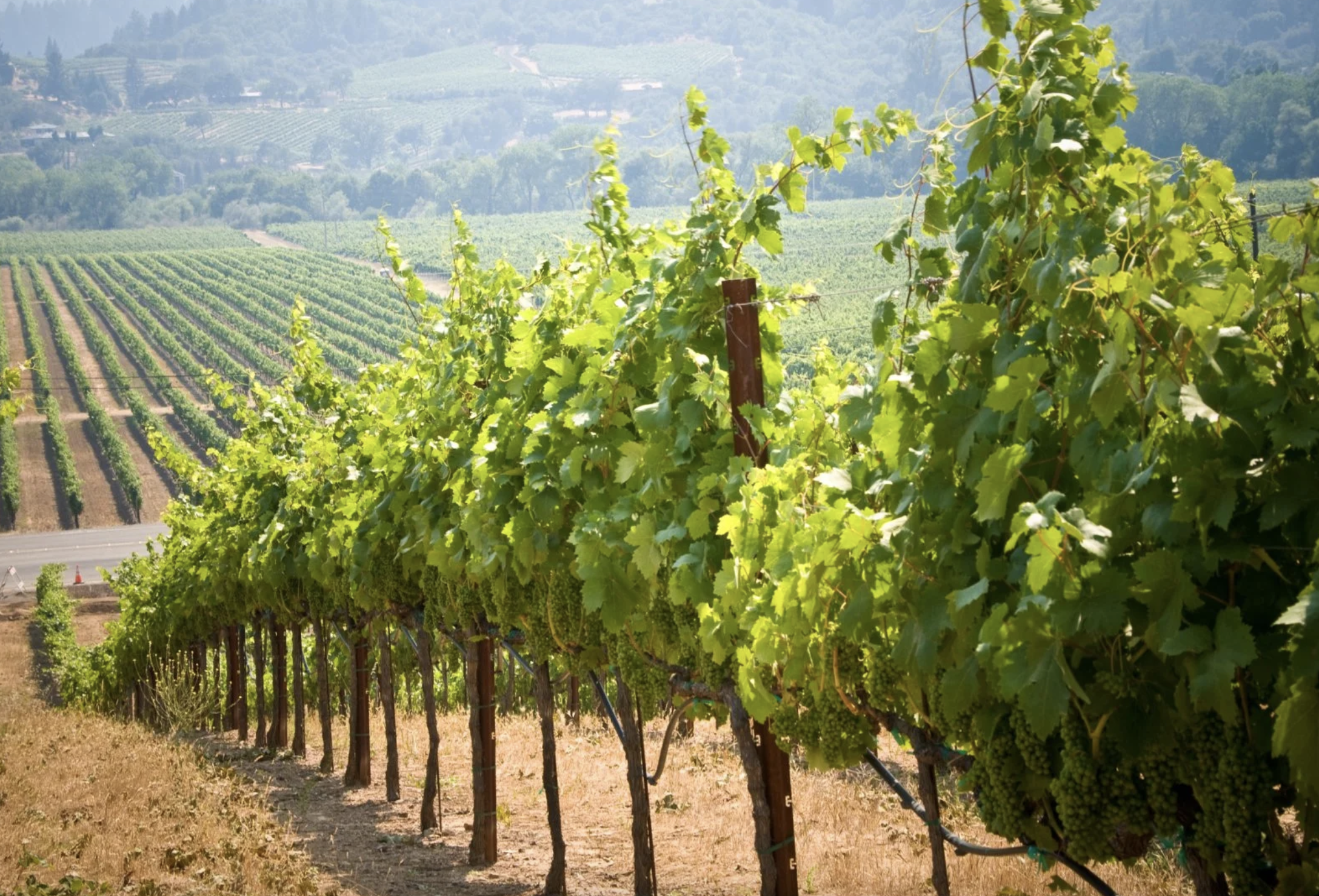
The wineries with the most loyal wine clubs aren't the ones with the best discounts. They're the ones with the strongest emotional identity. This will sound counterintuitive to anyone who's ever tried to stem club churn by sweetening the deal with free shipping or an extra bottle. But the data tells a different story. Companies with strong emotional connections to customers outperform competitors' sales growth by 85%. Not 8.5%. Eighty-five percent. The question isn't whether emotional connection matters. It's how you build one. Enter brand archetypes: a framework rooted in Jungian psychology that helps wineries create the kind of deep, identity-based loyalty that discounts can never buy. When wineries align their story, experience, and messaging with a core archetype, wine club loyalty stops being a battle against churn and becomes a natural expression of who they are. What Are Brand Archetypes? (And Why They Work in the Wine Industry) Brand archetypes are 1
00
.png)
January 6, 2026
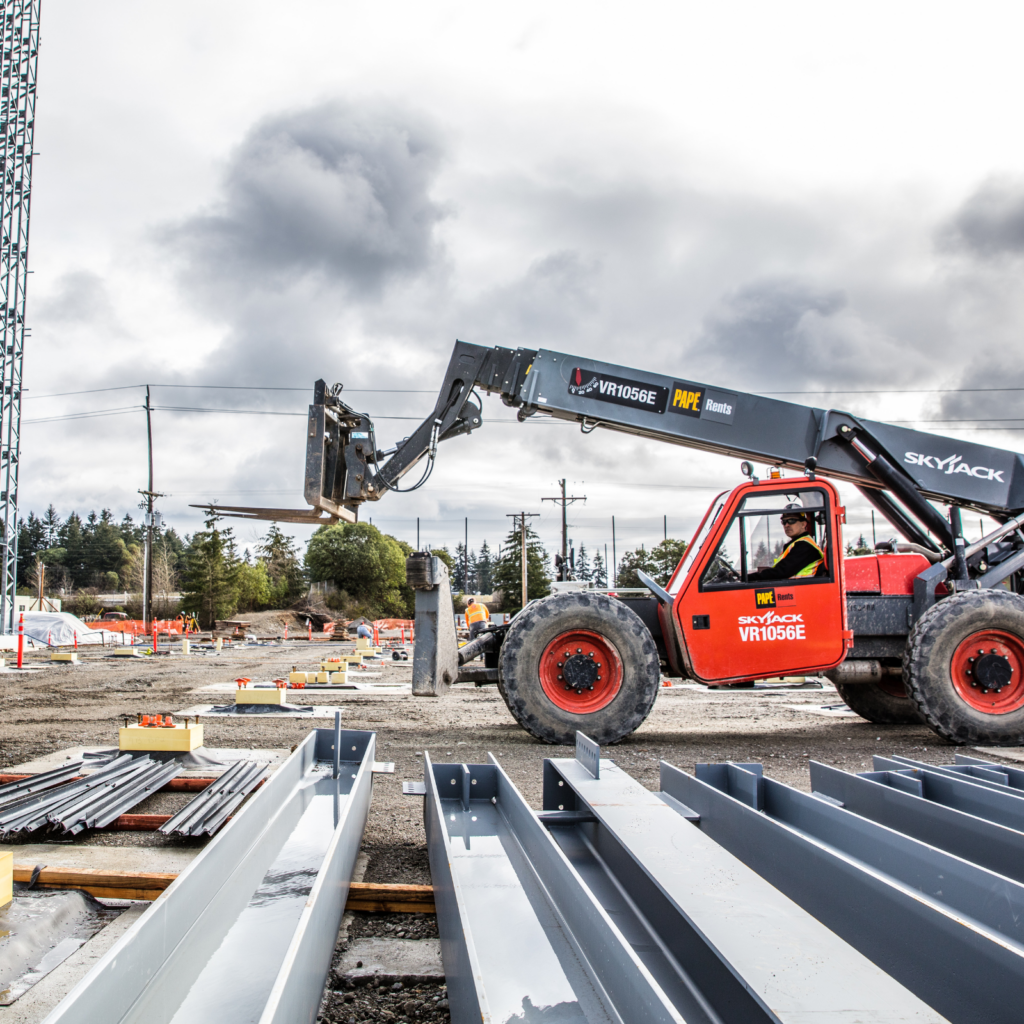
When your crew is facing a one-off lift, renting a telehandler with the right specialty attachment is often the most cost-effective and low-risk solution. Telehandlers combine the reach of a crane with the maneuverability of a forklift, and today’s rental fleets offer more capacity, boom lengths, and attachment options than ever. If your challenge is “unusual,” a rental telehandler configured for your exact task turns the unusual into routine. Why Renting a Telehandler Is a Smart Move There are several reasons why telehandler rentals are ideal for one-off lifts or specialty applications. Purpose-Built for Reach and Rough Terrain Unlike conventional forklifts, telehandlers are designed to travel uneven jobsites while extending loads out and up. Papé Material Handling’s rental lineup spans compact 5,000–6,000 lb machines through high-capacity units up to 15,000 lb, with lift heights from the high teens into the 60-foot range, so you can pick the right
00

WHY DEMOGRAPHICS STILL MATTER IN WINE At first glance, it may seem logical to take a broad approach to wine marketing—after all, shouldn’t the goal be to sell wine to anyone who’s willing to buy it? Not exactly. In practice, marketing to “everyone” is a fast track to appealing to no one. You water down your message, misfire your tactics, and wind up wasting both budget and energy trying to reach people who were never going to buy from you in the first place. Smart marketing is selective, not scattershot. And that’s where demographics come in. At their core, demographics are just the quantifiable details about your customers—things like age, gender, income, education, and marital status. But in the hands of a capable marketer, demographics become strategic tools. They help decode how different consumers make decisions, what cultural cues they respond to, and how best to approach them with offers they’ll actually care about. Wine, with all
00