
Filter Post Type
NewsVideoProductEventLink
Sort:
Most Recent
1–10 of 13

Maintaining wine balance in a changing climate Climate change is reshaping the wine industry. In many wine regions, each year seems to set new records for the hottest or driest growing season, followed by the earliest harvest dates yet. Such accelerated ripening is disrupting grape physiology; phenolic and aromatic development fall out of sync, sugar levels soar, and acidity drops away (1). So how can we adapt and build a more resilient wine sector? The answer to this question is multifaceted. In the vineyards, grape growers are rethinking their management practices, adjusting canopy architecture, introducing shading or optimising irrigation (1,2). Some are reaching for higher altitudes or moving further from the equator in search of cooler conditions (1). Others are trialling alternative heat- and drought-tolerant varieties, from long-forgotten cultivars to newly bred plant material. In the cellars, winemakers may turn to pragmatic solutions such as dilution or blending strategi
00


To Butter or Not to Butter... One notable byproduct of malolactic bacteria (other than lactic acid!) is diacetyl, a compound that imparts buttery or popcorn-like aromas. While some aim to promote this character in their wines, others may prefer to minimize it. Read on to learn more about winemaking decisions that influence diacetyl production. Tips for Managing Diacetyl Strain Selection Some ML strains like PN4™and BETA™ produce more diacetyl, while strains like VP41™, O-MEGA™, and ML PRIME™ produce less. Inoculation Timing Co-inoculation of yeast and bacteria minimizes diacetyl, since yeast consumes it as bacteria produce it. Lees Contact Yeast and bacteria in the lees aren't necessarily dead; they can remain alive for months. Lees contact allows for the consumption of diacetyl, decreasing the total amount in the wine. SO2 Management Adding SOâ‚‚ just after MLF protects diacetyl. SOâ‚‚ binds to diacetyl in a reversible reaction. Initiall
00

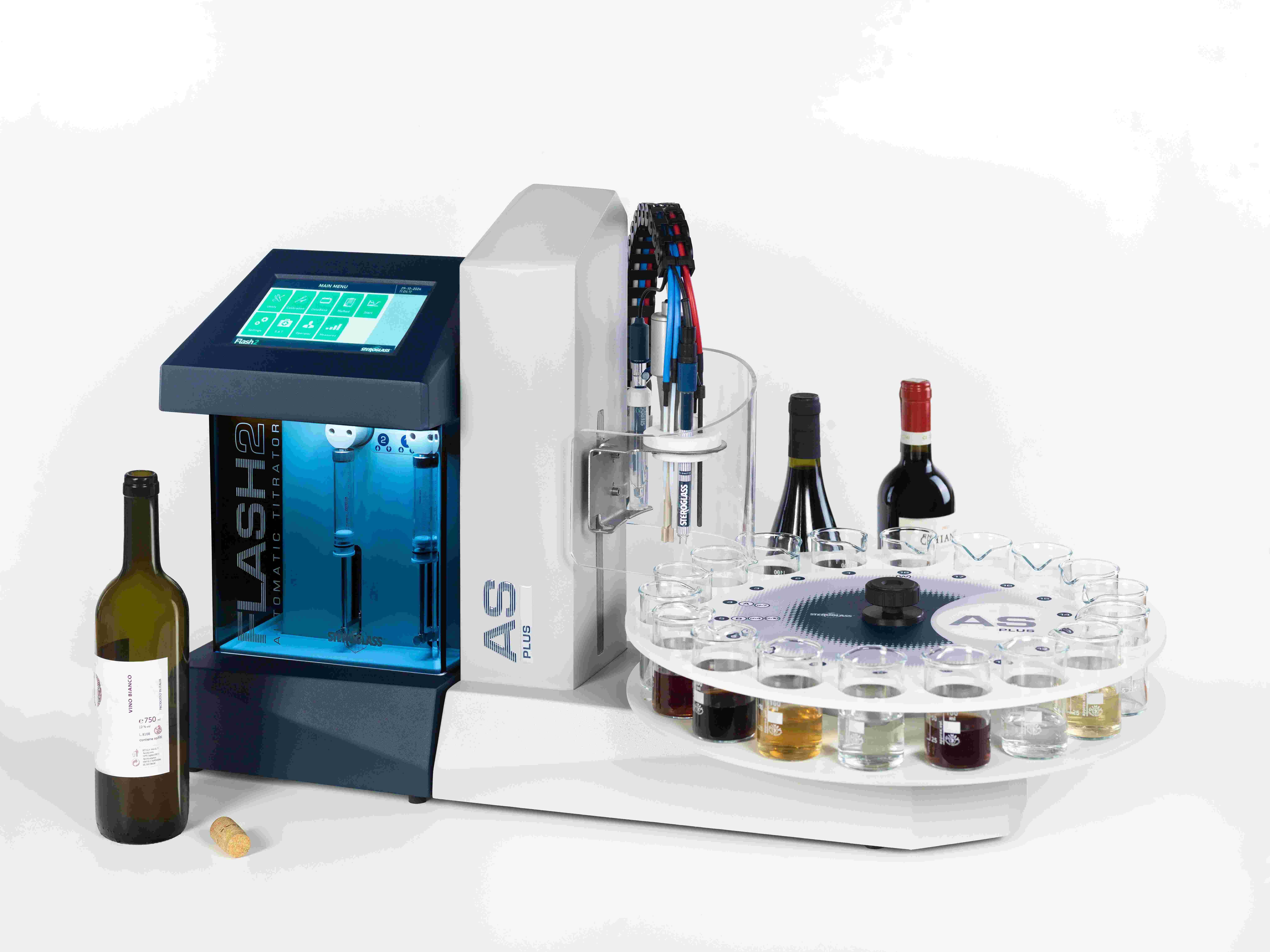
What if you could have the QC data you need in minutes? With FLASH2, your team accesses data rapidly, makes great winemaking decisions, crafts consistent wines, less workload in your lab. You can run free & total SOâ‚‚ tests from the same wine sample, saving you prep and wine Ensure both still and sparkling wines are protected with reliable SOâ‚‚ control Fast, automated workflows reduce manual steps and repeat testing High SOâ‚‚ range capability for sparkling dosage control Buffer capacity testing for proactive pH management User-friendly software with high precision With FLASH2, efficiency, consistency, and quality come together in one analyzer saving you valuable time.
00

July 23, 2025
Event Type: Webinar
Location: Online
Date: 7/31/2025
With hotter growing seasons and shifting harvest windows, winemakers are increasingly challenged by high pH, low acidity, and elevated alcohol in their musts. These changes can lead to wines that feel flat, overly ripe, and microbiologically unstable, often requiring higher SOâ‚‚ doses and risking aroma loss and reduced freshness. In this webinar, we’ll explore two innovative yeast tools designed to naturally correct these imbalances from the fermentation stage: Excellence X-Fresh (Lachancea thermotolerans): a bio-acidifying yeast that converts sugars into lactic acid, helping to lower pH, increase total acidity, and reduce alcohol in must—while boosting microbial stability. Excellence Celsius (Saccharomyces cerevisiae): a fermentation yeast that produces elevated levels of glycerol and malic acid, enhancing mouthfeel, freshness, and aroma intensity. Together, these strains support a balanced, sustainable winemaking strategy in the face of c
00

June 23, 2025
For centuries, sulfur dioxide (SOâ‚‚) has been the trusted guardian of wine for preserving freshness, preventing oxidation, and controlling microbial populations. But with changing consumer preferences, evolving regulations, and advancements in enological science, many winemakers are rethinking their reliance on traditional SOâ‚‚ regimes. At ATPGroup, we recognize that while SOâ‚‚ remains a powerful tool, it’s no longer the only one. For winemakers looking to reduce or eliminate sulfur additions, a range of solutions is available that support microbial stability, freshness, and shelf life without compromising quality. Why Reduce SOâ‚‚? There are several reasons winemakers may choose to reduce sulfur use: Consumer demand: Increasing numbers of wine consumers are seeking "low-intervention" or "low-sulfite" wines due to perceived health concerns or personal sensitivities. Labeling requirements: In many markets, wine
00

System Account
System Account
0x010100043A3A8B2F2ED841920AEAB92B93F32F
Non-Saccharomyces Yeast Bioprotection and more Once overlooked, non-Saccharomyces yeasts have emerged as versatile tools that can significantly enhance wine aroma, acidity, mouthfeel, and overall quality. Discover how these unique yeasts are as varied in their applications and strain differences as their Saccharomyces cousins. READ MORE LEVEL2 SALVA™ BIOPROTECTION SALVA offers specific bioprotection against Brettanomyces, including SOâ‚‚ resistant strains. Learn More LEVEL2 FLAVIA™ ENHANCE AROMA AND TEXTURE FLAVIA increases expression of terpenes and thiols (varietal aromas), increases roundness due to mannoprotein release. Learn More LEVEL2 INITIA™ BIOPROTECTION INITIA consumes oxygen, suppressing the growth of microorganism and
00
May 8, 2025

With BioSystems' Free Sulfite Analysis Kit, you can measure FSOâ‚‚ alongside other key parameters like total SOâ‚‚, acetic acid, glucose/fructose, organic acids, and polyphenols—all at once, all automated, and from less than 2 mL of sample. Just load the sample, choose your analytes, press “Run,” and walk away. The analyzer handles the rest—freeing you up to work on other tasks. What could you do if you didn't have to manually run free sulfite tests?
00

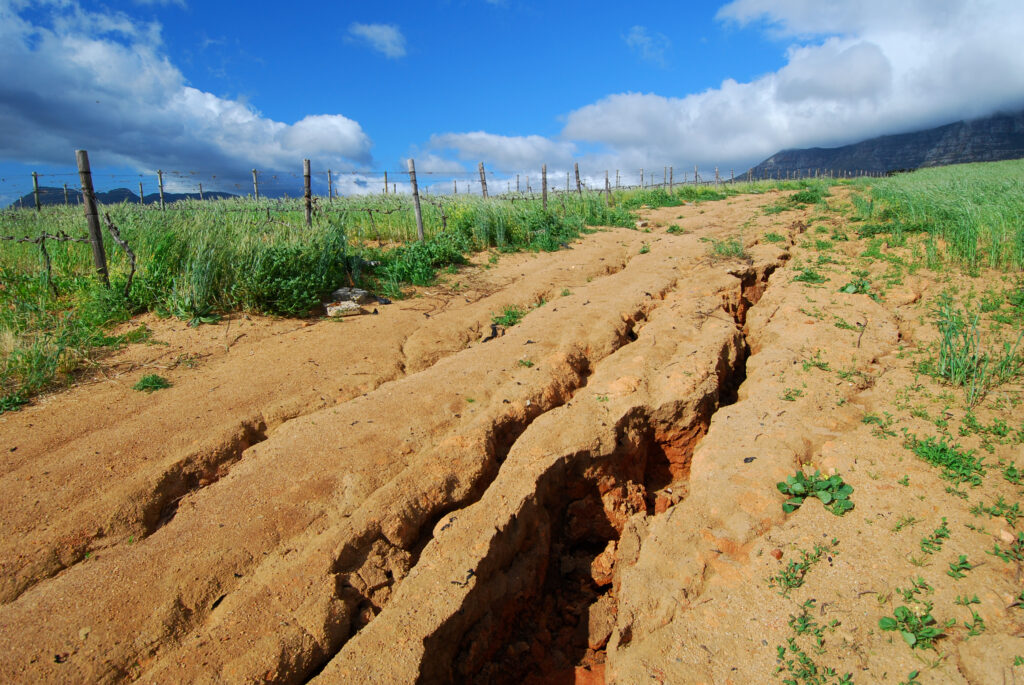
It's not for the faint of heart Going no-till certainly has been picking up steam in recent years, and overall it’s a good thing. When I first got involved in viticulture back in 2010 I was living in Italy. Like a lot of Mediterranean viticultural areas, there was a tendency to disc everything all the time. If you didn’t have a barren wasteland with vines poking out of it, you weren’t a good farmer. Anything you couldn’t get to with a tractor you sprayed with herbicide. One of my first vineyard jobs in Italy was spraying glyphosate out of a backpack sprayer all spring. I felt like I was in the final scene of the Godfather! Minus the dying part. Herbicide: the new four-letter word Mentalities have shifted since then both in Europe and here in the states. All in all it’s a good shift. We’ve all seen places that have gone on for years and years using herbicide to a point where you don’t even need to spray it anymore because that soil is so d
00


Activated Sludge: A brownish flocculent of bacterial organisms developed in aeration tanks. Activated Sludge Process: Method of eliminating pollution in wastewater. Oxygen is released into tanks containing dissolved organic substances. Bacteria in the tanks break down the organic pollutants. Water is then separated from the activated sludge and discharged. Most of the sludge is reused in the treatment process; the remainder is disposed of per local wastewater regulations. Aeration: Process of bringing air into contact with a liquid. It can be developed using natural wind on a pond or by injecting air into an aeration tank. Aerobic Bacteria: Bacteria that require free oxygen for growth. Aerobic Wastewater Treatment: It uses bacteria to break down waste; the bacteria require the presence of oxygen to live and thrive. Anaerobic Bacteria: Bacteria that grow without the presence of free oxygen; it derives oxygen from breaking down waste Anaerobic Wastewater Treatment: Uses bacteria to brea
00

April 15, 2024

Event Type: Webinar
Location: Register today http://omniatechnologies.online/
Date: 4/18/2024
Are you a winemaker or enthusiast wanting to stay on trend? With the global demand for alcohol-free alternatives soaring, the wine industry faces a pivotal moment. Join us for this illuminating webinar on "Mastering Wine Dealcoholization: State of the Art and Evolution of Alcohol-Free Wine." Featuring industry experts Antonino Li Brizzi, Cheney Vidrine, and Elisa Bernaudo Stoppa from Omnia Technologies, this exclusive event offers essential insights into the future of alcohol-free wines. During the webinar, you'll learn: - Key partial and total dealcoholization technologies available - The no- and low-alcohol wine category boom and how can small and medium wineries make the most of this market opportunity - How wineries use wine dealcoholization systems to craft wines - Practical tips on how to select the right solution for your winery - Get your dealcoholized wine sample - How Omnia Technologies solutions help you perfect your wine and more. To register: http://om
00