
Filter Post Type
NewsVideoProductEventLink
Sort:
Most Recent
1–10 of 57

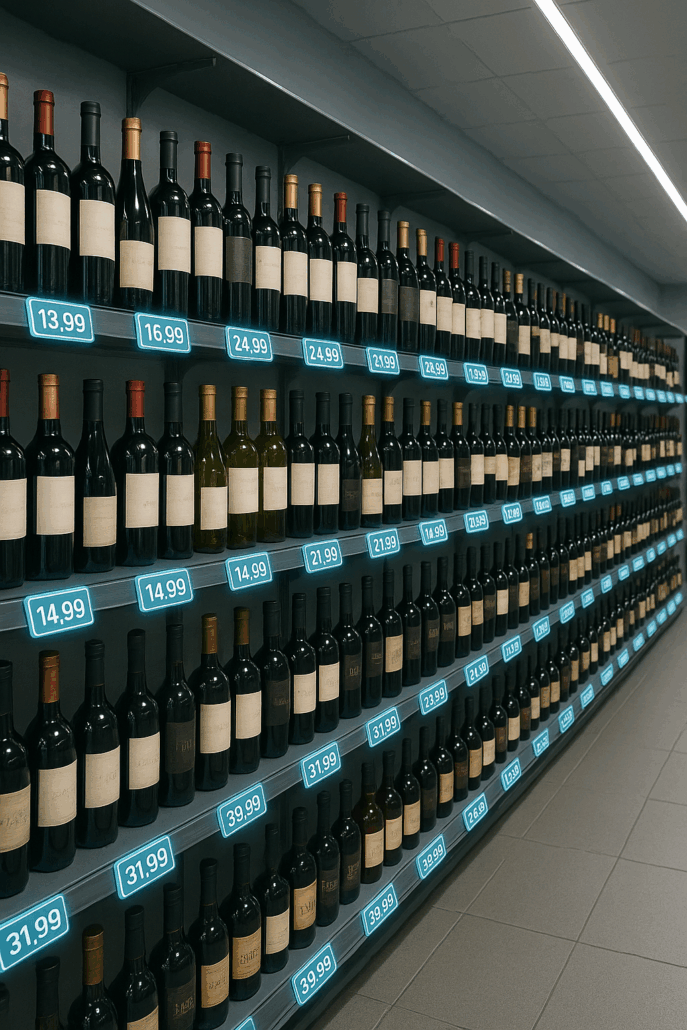
Why It’s Time to Take Control of Chain Retail Pricing In the wine & spirits business, the difference between a best-seller and a case that never sees the shelf often comes down to something so mundane, it’s almost embarrassing to say out loud: Pricing. Not the actual price point — the accuracy of it. There are already plenty of reasons your product might not make it to the shelf — a buyer reorg, a freight delay, the seasonal shuffle, or simply the chaos of modern retail. So when you’ve beaten the odds and secured a coveted placement with one of the nation’s top chain retailers, the last thing that should kill the momentum is a clerical error. And yet, that’s exactly what happens when the price on the invoice doesn’t match the price in the retailer’s system. One mismatch, and the product gets refused at the dock — benched before it ever had a shot. No match = no receiving. No receiving = no shelf placement. No pl
00

January 20, 2026

Since the RNDC / Reyes announcement, I’ve received several messages asking the same question: What does this mean for LibDib? The short answer is this: LibDib was a distributor before we partnered with RNDC, and we continue to be a distributor going forward. RNDC exited California, but LibDib continues to operate in California and other markets. Our business does not hinge on one partner, one market, or one structure. From day one, our model was built to be flexible, compliant, and durable — allowing us to nimbly partner with 3PLs, all distributors, and other fulfillment solutions to ensure brands can get to market legally and efficiently. However. Will there be changes? Yes. Will there be shifts in how business is done? Absolutely. For anyone watching what’s happening in the middle tier right now — this is the new reality. Consolidation, portfolio reshuffling, exits, and strategic pivots are no longer edge cases. They are becoming the de facto operating en
00

The three-tier system is filled with challenges like regulatory compliances, multi-level pricing structure, and data integration that highlights your sales teams’ efforts. Your pricing solution shouldn’t be one of these challenges to overcome. That’s why we designed Tradeparency to solve your pricing structure and promotion needs and do it all with exceptional capabilities, all at your digital fingertips. If you’re looking to solve your Price 2.0 challenges, here are 5 reasons why Tradeparency excels: 1. Simple tool for anyone to use Choosing a solution can be hard, but getting your team to use it is always harder. We make sure that Tradeparency is simple, intuitive, and easy to use. Not only do we help train your staff, but we make sure you have the support you need, when you need it. You won’t have frustrated team members when using an intuitive solution, and user adoption will remain high when everyone sees the value of efficie
00
August 26, 2025
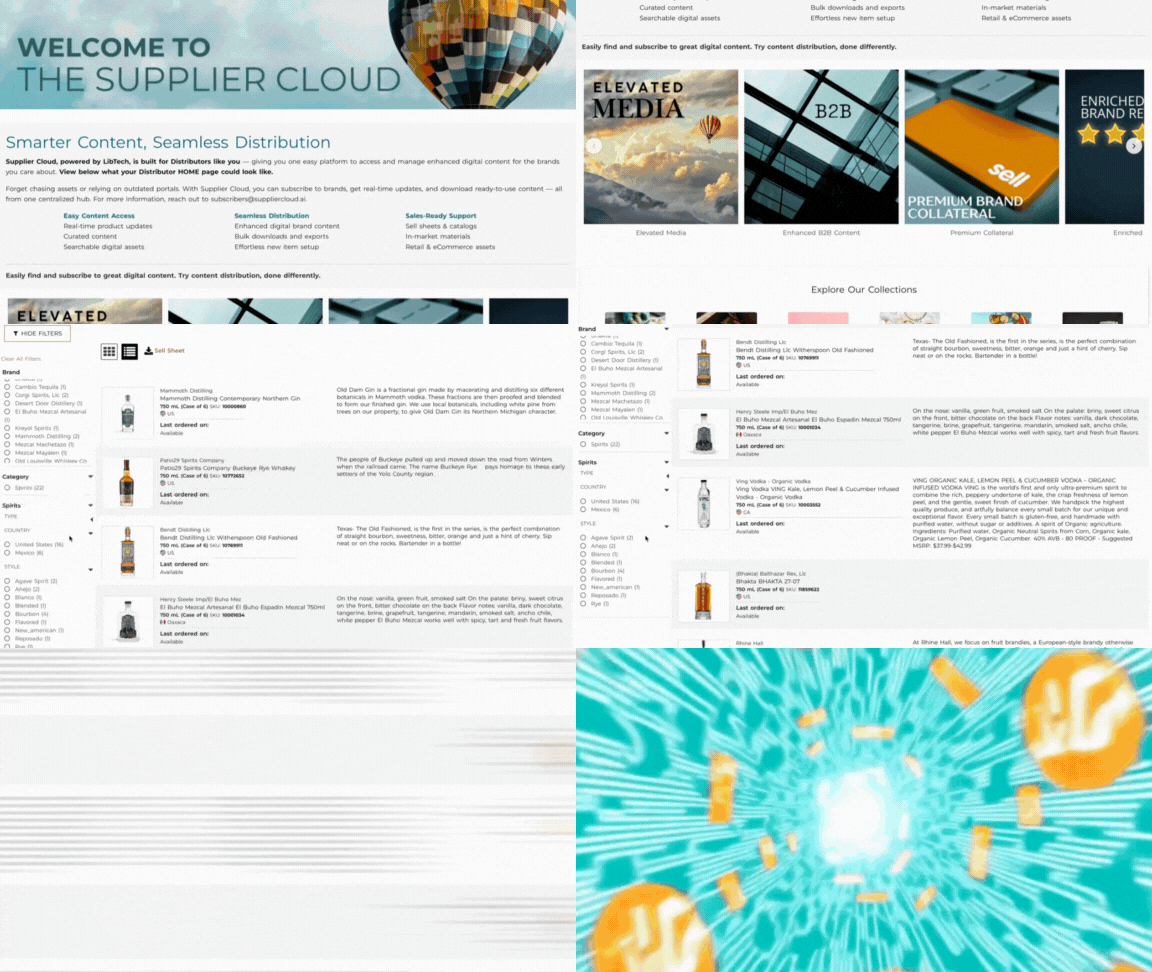
LibTech’s new Supplier Cloud makes it easy to manage brands, engage Distributors, and enhance product data–all in one hub SAN JOSE, CA – August 26, 2025 – LibTech, the SaaS division of LibDib, today announced Supplier Cloud, a new platform purpose-built for the beverage alcohol industry. Supplier Cloud is backed by AI-driven content management, allowing Suppliers to manage brands, engage Distributors, and enhance product data with speed and efficiency. “Today marks a new era of onboarding, presenting, and maintaining brand information across markets, Distributors and Customers,” said Richard Brashears, General Manager of LibTech. “Supplier Cloud simplifies portfolio management across the entire distribution network. It’s smart, scalable, and built specifically for our industry.” Over the past decade, LibTech’s experienced engineering team has driven the growth of emerging brands by solving complex challenges uniqu
00

August 22, 2025
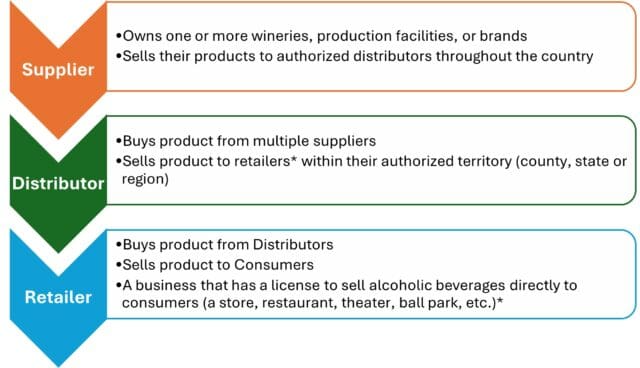
There are multiple paths to get started in wine sales. By Karen M. Wetzel As a wine industry career coach, I find that wine sales roles are highly desired. But given the differences between supplier and distributor sales positions, it can be hard to determine which might be best for you. Before we look at specifics, here’s a quick review of how alcoholic beverages are brought to market in the United States through the government’s three-tier system. Supplier Sales All wine sales originate with the supplier at the top of the three-tier system. A supplier may own or represent a single winery, such as Truchard or Fortunati Vineyards, or might be an expansive corporation with multiple brands, such as Gallo or Treasury Wine Estates. Regardless of scale, suppliers are responsible for selling their products to distributors across the country. To achieve market success, suppliers employ sales directors or managers to oversee specific states or regions. Their primary responsi
00
July 22, 2025
As the dust settles from recent shifts in California distribution—particularly for suppliers who were formerly working with RNDC—it’s decision time. Your next move is critical, especially in a market as complex and competitive as California. Before signing with a new distributor, it’s important to take a step back and strategically evaluate your options. While some opportunities may look promising on the surface, the details matter. Here's what every small to mid-sized supplier should be thinking about: 1. The Big Distributors Are Focused Elsewhere The top three distributors recently took on dozens of $50M+ brands, marking a seismic shift in portfolio priorities. Here’s what that means for you: Attention is limited. Smaller suppliers (think sub-$5M in revenue) are unlikely to get airtime with portfolio managers or sales reps. Placements may be at risk. If your product isn’t a top-tier revenue driver, it could be deprioritized or even replac
00
June 18, 2025

SAN JOSE, CA – June 18, 2025 – LibDib, the leading web-based wholesale alcohol distributor, today announced a new partnership with The Beverage Blueprint to support wine, spirits, no- and low-alcohol brands seeking distribution in California. This partnership offers full-service merchandising and chain retail support for Makers with existing business, as well as a tailored “à la carte” solution for brands transitioning from traditional distributors. With this partnership, LibDib expands its footprint beyond logistics and compliance, now offering merchandising services, chain retail support, and onboarding solutions that are specifically designed for brands navigating change—especially those impacted by recent shifts in the California distribution landscape. “This partnership gives our clients an on-the-ground solution to activate and expand in California,” said Will Clark, Founder of The Beverage Blueprint. “We work closely wi
00
June 11, 2025
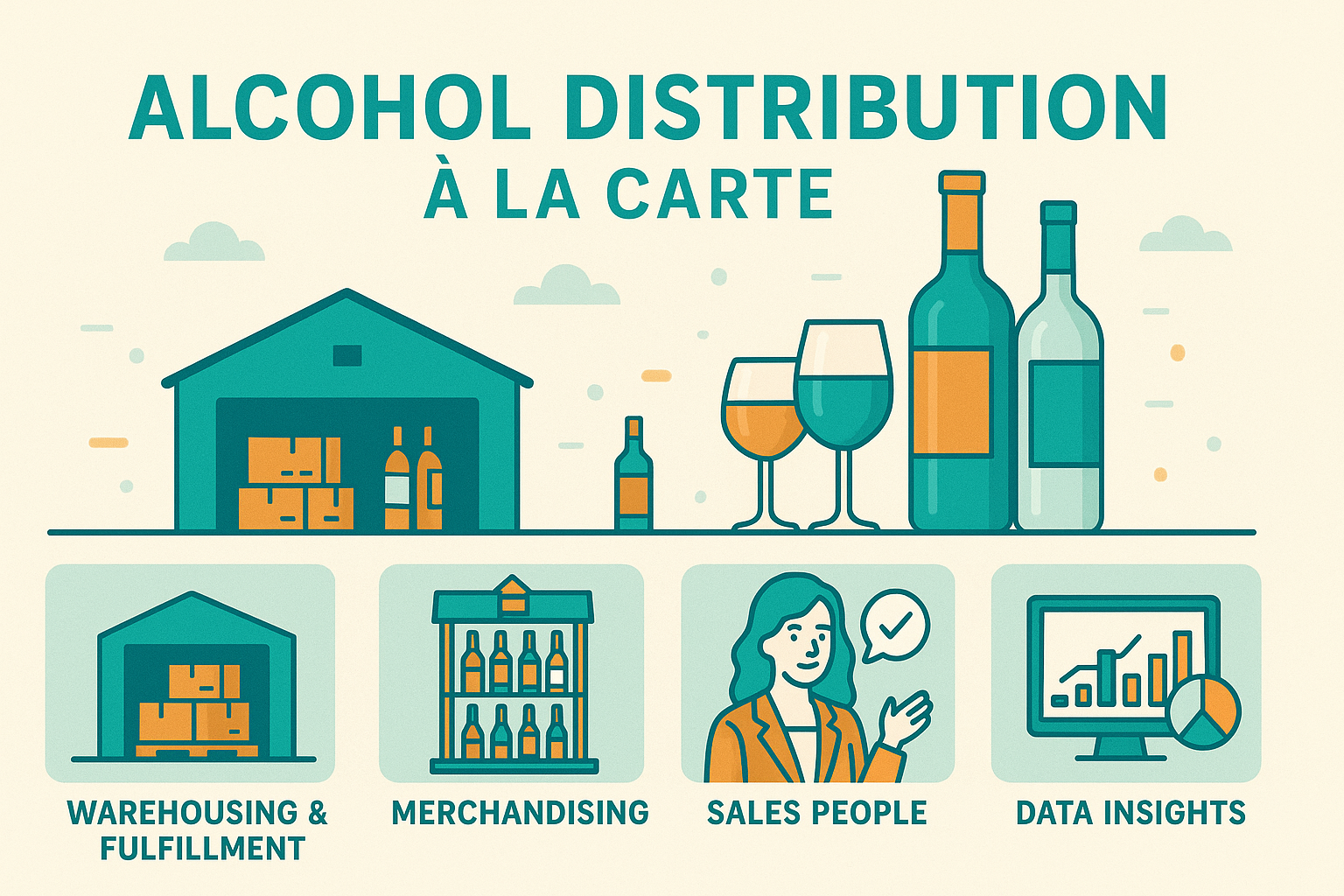
In today’s evolving alcohol industry, one-size-fits-all distribution no longer works for every brand. Consolidation across the three tiers, shifting priorities at large distributors, and increasing demand for control and flexibility have changed the game—especially for small to mid-sized wine and spirits suppliers. At LibDib, we believe in doing things differently. We give suppliers the tools to build their own route to market with Distribution à la Carte—meaning, you only pay for the services you need. No outdated programs, no hidden fees, no monthly minimums. Just distribution, on your terms. What Is “Distribution à la Carte”? Put simply, it’s the idea that you choose your route to market. LibDib offers a full-service, licensed distribution platform in 18 key markets, including California, our flagship state. We have the infrastructure, tech, and partnerships to support all kinds of go-to-market strategies—but we don’t req
00

April 24, 2025

Wine fulfillment isn’t just about getting bottles from point A to B—it’s about delivering an exceptional customer experience while keeping costs under control. In this Wine Sales Symposium session, Devin Joshua and Jim silver from WineDirect will break down the key strategies wineries can use to streamline fulfillment, minimize expenses, and enhance customer loyalty. From smart inventory management to optimizing packaging, discover how the right fulfillment approach can drive both efficiency and satisfaction. Join us at the Wine Sales Symposium, May 14 at the Hyatt in Santa Rosa. The Secret to Seamless Wine Fulfillment: How to Reduce Costs While Improving Customer Satisfaction Register with promo code: WINEDIRECT2025 to get $20 off the ticket price Devin Joshua, VP of Fulfillment Sales Devin Joshua is a seasoned wine industry executive and currently serves as Vice President of Fulfillment Sales at WineDirect. With more than 25 years of experience across nearly every t
00
Looking back over a challenging 2024 and ahead to 2025 This month’s California Report looks back at the year just passed and ahead to the new one: Read on below for an in-depth review of the bulk wine and grape markets in 2024, as well as bulk inventory charts for a range of periods and an updated bulk/grape market activity barometer. A Q&A with Ciatti broker Johnny Leonardo, discussing the current market situation, will be published in the coming days, together with the first packaging bulletin of the year from our friends at Saxco. For California’s wine industry, the year 2024 was defined by a painful but necessary right-sizing as the industry evolves into one better suited to delivering to the US market something like 350 million 9-liter cases of wine per year instead of the 400 million cases of the past. Rationalization of businesses and vineyard area took greater hold – there was a marked rise in wine-related property on the real-estate market and a shortage
00