
Filter Post Type
NewsVideoProductEventLink
Sort:
Most Recent
1–10 of 10
March 16, 2026

The supply chain behind a bottle of wine is more intricate than most consumers realize. Between harvest and delivery, wineries juggle transportation, storage, labeling, compliance, and customer fulfillment—each step carrying its own risk to quality, timing, and brand perception. For many, these processes are spread across multiple vendors, systems, and touchpoints, making consistency hard to maintain and visibility even harder to find. Yandell Companies takes a different approach. As a fully integrated logistics provider with deep roots in the wine industry, Yandell brings transportation, warehousing, value-added services, and DTC fulfillment together in one connected system—built to match the pace and complexity of modern winemaking. From Raw Materials to Your Customer’s Doorstep Unlike most third-party logistics providers (3PLs), Yandell owns and operates the full infrastructure. That means: A dedicated fleet of dry vans, tankers, and specialty trailers for tra
00


With no and low-alcohol categories on the rise and the sober-curious boogeyman around every corner, we needn’t wait for rock bottom to take a hard look at our sales strategy and make a change today. While much of the wine & spirits industry points the finger at Gen Z & Millennials, the World Health Organization or the Surgeon General, the truth is there’s only one entity responsible for the trajectory of our revenue. According to Navy SEALs Jocko Willink and Leif Babin in Extreme Ownership, when “problems feel overwhelming and insurmountable . . . it’s our human nature to shift blame, find excuses, and avoid consequences. But taking ownership over what went wrong and accepting the reality of the situation gives you complete control over how you can solve these challenges.” Trying to sell alcohol in 2025 is tough. Plain and simple, no way around it. With that acknowledged, let’s explore what we can do about it. A Sign of
00

December 16, 2024
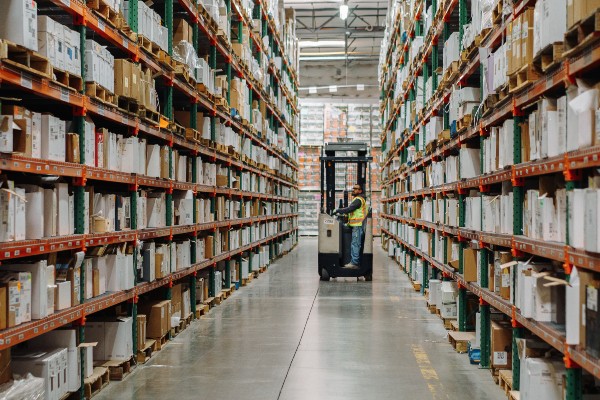
In the evolving wine industry, resilience and adaptability are essential. As wineries navigate shifting consumer preferences and demands, rising costs, and a dynamic marketplace, they are embracing innovative strategies to eliminate complexity, improve efficiency, eliminate costs, and enhance their ability to seize new opportunities. For many wineries, this means rethinking traditional fulfillment models. By optimizing logistics and inventory management, they are finding ways to not only streamline operations but also elevate the customer experience, ensuring flexibility in meeting market demands and exceeding their customers’ expectations to stand out. “Outsourcing tasks that are peripheral to the core business gives wineries the benefit of focusing on the parts of the business that matter most to them — growing grapes and making wine,” says Steve Silverman, COO of Wineshipping, the premier fulfillment provider for the wine industry. After working for over 25 y
00

December 9, 2024

Three states have added fulfillment house requirements for DTC shippers this year, bringing the total number of states with these requirements to sixteen. The requirements vary. Some states have established licenses or registrations for fulfillment houses; others require specific reports and/or records from the services; another group simply requires DTC shippers to inform them what fulfillment service they use. Here are the new requirements for Maine, Nevada and Wisconsin for DTC shippers: A new law in Maine requires fulfillment providers to register each address from which they ship with the ME Bureau of Alcohol Beverages and Lottery Operations (BABLO). The law also mandates quarterly reporting of wine shipments by direct shippers, fulfillment providers, and common carriers beginning January 1, 2025. The agency only recently began accepting registration applications when its new online licensing system BELLS went live on October 28. Going forward, wineries shipping to consumers in Ma
00
August 19, 2024
Federal regulations were issued pursuant to the Corporate Transparency Act (“CTA”) and effective as of January 1, 2024. The CTA requires both domestic and foreign-owned corporate entities, including corporations, limited liability companies, limited partnerships and other entities, (referred to below as “Reporting Companies”) to: Report certain beneficial ownership information (“BOI”) to the US Department of the Treasury's Financial Crimes Enforcement Network (“FinCEN”). Disclose information about who created the entity or registered it to do business in the US (the “Company Applicant”). Report any change to previously reported information within a specified time period. The CTA defines a “beneficial owner” as an individual or entity which directly or indirectly exercises “substantial control” over the Reporting Company, or directly or indirectly holds a 25% or greater ownership interest in th
00
March 27, 2024
Risk assessments and trend analysis in pest control provide valuable insights into potential threats and patterns related to pest infestations. They tell the story of what is going on inside your commercial property when it comes to pest activity. Risk assessments help identify the likelihood of pest problems occurring in a particular area of a commercial property. Factors such as climate, surrounding area, and the presence of conducive conditions (i.e., sanitation protocols, structural conditions, employee actions, etc.) for pests are evaluated to determine the level of risk. This information allows for proactive measures to be taken to prevent or mitigate pest issues before they escalate. Trend analysis, on the other hand, involves examining historical data to identify patterns and recurring pest problems. This helps in understanding the seasonal variations, population cycles, and other trends related to pest activity. By recognizing these patterns, pest control professionals can dev
00
The need for innovative and dependable pest management services in commercial properties is not a luxury. It is essential, especially for facilities that are involved with food processing, storage and services, healthcare, and education. It isn’t only the clients and their customers who demand pest-free environments in which to eat, work, shop, and stay. Local, state, and federal inspectors – and independent third-party auditors – also want to ensure that food is safe to eat. Everyone wants to see a pest-free facility. Whether that facility is a massive food processing plant, a chain or independent restaurant, a grocery store, a five-star resort, an urgent care clinic or nursing home, or an office building, it can be vulnerable to invasive pests. Commercial property owners and managers should identify pest management companies that are experienced at working in commercial facilities. These companies should be willing to adapt to your schedule and emergency situations
00

July 26, 2023
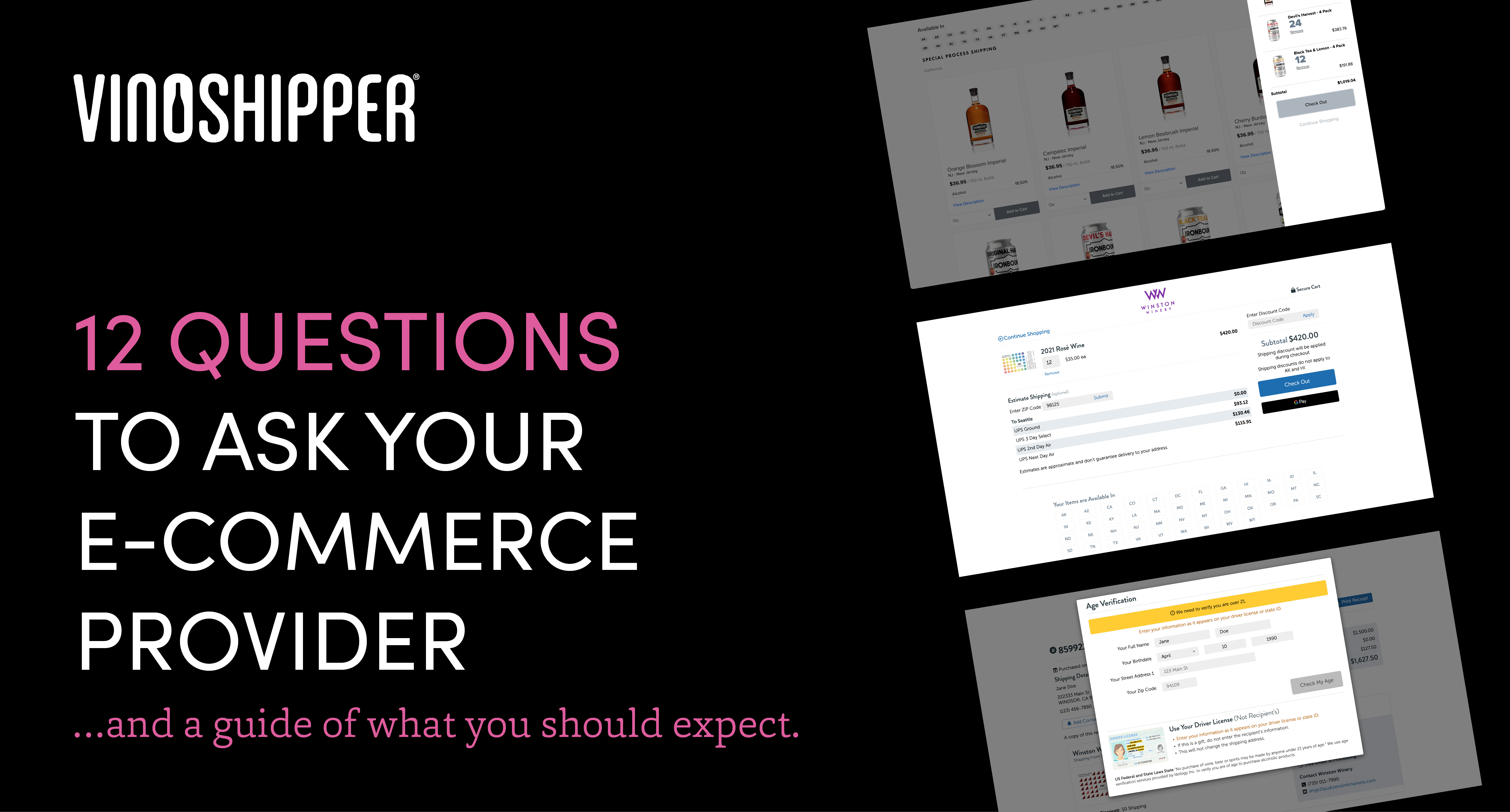
12 questions to ask your e-commerce provider ...and a guide of what you should expect Selecting the right e-commerce provider in the beverage alcohol industry can be a challenging task. The dynamic nature of direct sales, coupled with intricate and niche laws governing the sale of alcohol, requires diligent compliance with federal and state legislation to safeguard your business and protect your customers. Whether you're embarking on a new venture or expanding your existing operations, conducting thorough due diligence is essential to ensure accurate compliance and set the stage for long-term success. In this article, we delve into a series of questions that will serve as a guide in selecting an e-commerce platform tailored to the unique complexities of the beverage alcohol industry. By addressing these considerations, you can confidently choose a provider that understands the intricacies of your industry and provides the necessary tools to navigate the regulatory landscape
00

Faced with rising material costs and downward price pressure in the market, businesses naturally look to streamline operations to the greatest extent possible, and to extract every last bit of value from their existing resources. For wineries, one manifestation of this effort is the tendency to keep as many aspects of the business in-house as they can, avoiding fees to third-party providers. This is a laudable and occasionally successful strategy, but does it work for fulfillment? There are many complexities and hidden costs in fulfillment, some of which may be unknown to wineries at the time they consider whether to outsource their fulfillment operation. Cost burdens such as direct labor, packing materials, inventory management, and various operating expenses are all associated with keeping work in house. Time-consuming administrative, scheduling, logistics, and other support activities can drain precious resources as well, though may add little or no value. This short white paper con
10

November 1, 2021
Welcome to the second installment of LibDib's multi-part series on E-Premise. E-Premise is a term we LibDibbers use often. It's really important as we think about the evolution of this industry. We took some time to sit down with each of our E-Premise partners to find out more about their company and offerings to makers. New to E-Prem? Be sure to check out our first blog in this series. Thank you to Tory Smith, founder of LiquorStorefront.com for participating in this week's edition. What’s your company’s origin story? A: LiquorStorefront.com started as a passion project during a time when I was living in Mexico on and off for 10 years. I was fortunate to have the opportunity to discover and immerse myself in the world of Artisanal Mezcals just as its popularity started to grow in Oaxaca, Mexico City, the U.S., then Globally. I worked closely with many small producers and brands to create and launch Mercado de Mezcal, the first online marketplace exclusivel
00