
Filter Post Type
NewsVideoProductEventLink
Sort:
Most Recent
1–10 of 41

Maintaining wine balance in a changing climate Climate change is reshaping the wine industry. In many wine regions, each year seems to set new records for the hottest or driest growing season, followed by the earliest harvest dates yet. Such accelerated ripening is disrupting grape physiology; phenolic and aromatic development fall out of sync, sugar levels soar, and acidity drops away (1). So how can we adapt and build a more resilient wine sector? The answer to this question is multifaceted. In the vineyards, grape growers are rethinking their management practices, adjusting canopy architecture, introducing shading or optimising irrigation (1,2). Some are reaching for higher altitudes or moving further from the equator in search of cooler conditions (1). Others are trialling alternative heat- and drought-tolerant varieties, from long-forgotten cultivars to newly bred plant material. In the cellars, winemakers may turn to pragmatic solutions such as dilution or blending strategi
00
.jpg)
November 20, 2025
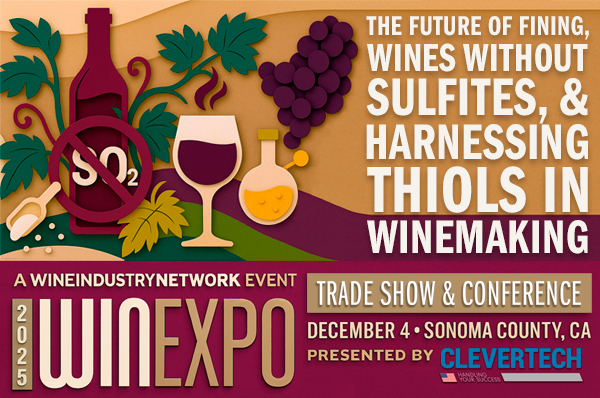
Explore the Science, Strategy, and Sensory Experience of Winemaking at WIN Expo Three forward-thinking sessions. One essential destination for winemakers. Today’s winemakers are navigating a new era of production - where innovation, precision, and consumer-driven values are shaping the future of the cellar. At this year’s WIN Expo, the Winemaking Conference Sessions, sponsored by Enartis, explore next-generation techniques and tools through a dynamic mix of expert insights, real-world case studies, and guided tastings. From alternative fining agents and sulfite-free protocols to thiol management and aromatic expression, each session is designed to equip you with practical knowledge to meet evolving challenges and craft wines with purpose and precision. Clarifying the Future of Fining: Comparing Plant-Based and Traditional Fining Agents in Winemaking With growing pressure to produce wines that are both sustainable and allergen-conscious, the use of plant-based fining agent
00
September 11, 2025

A smooth, complete fermentation doesn’t happen by chance, it starts with balanced yeast nutrition. When yeast has access to the right nutrients at the right time, you avoid sluggish or stuck fermentations, reduce the risk of Hâ‚‚S and VA, and unlock the full aromatic potential of your grapes. Why Yeast Nutrition Matters? Nitrogen is the main driver of yeast growth and fermentation activity. Saccharomyces can assimilate only ammonium ions (DAP), amino acids (organic nitrogen), and small peptides (organic nitrogen). Amino acids are strategic: they are taken up early, stored, and used gradually. Some of them also act as aroma precursors (thiols, esters, acetates). Vitamins & minerals (thiamine, Mg, Zn) act as cofactors in enzymatic reactions and have a role in cell growth, fermentation activity, and nitrogen metabolism. Sterols & long-chain fatty acids are essential for membrane structure, stress resistance, and survival. Click here for all fermentation tips & gui
00

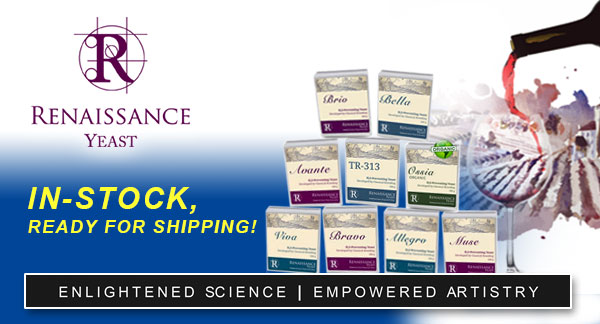
Renaissance Yeast’s strains have excellent fermentation kinetics, desirable sensory characteristics, and are produced to the highest quality standards. Renaissance Yeast is the exclusive developer of a novel, patented H2S-preventing technology that is the result of a natural trait in yeast that increases sulfur and nitrogen utilization efficiency during fermentation, thereby preventing hydrogen sulfide formation. Ossia (Saccharomyces cerevisiae hybrid), Renaissance Yeast’s organic H2S-preventing strain, recommended for organic dry white and red wines, fruit wines and cider. Download Product Data Sheet Request Quote Viva is a H2S-preventing white wine yeast strain ideal for artisan-style sparkling wines, fruit forward grape wines and fruit wines. Download Product Data Sheet Request Quote Allegro is a H2S-preventing yeast strain selected for white wine fermentations. It is well suited for aromatic expression of any white varietal and is capable
00

August 27, 2025
ATPGroup has unveiled two breakthrough enzymes, Zyme-O-Thiols and Zyme-O-Ultra Cold, designed to help winemakers push the boundaries of aroma and efficiency in the cellar. Zyme-O-Thiols: Unlocking Hidden Aromas For years, winemakers have known that many of a grape’s most exciting aromas are “locked away” in precursor form. During fermentation, these precursors can be transformed into thiols, the compounds responsible for bold tropical fruit notes in wines like Sauvignon Blanc. What sets Zyme-O-Thiols apart is its ability to specifically release the precursors to thiols such as mango, grapefruit, and passionfruit—aromatic compounds that other enzymes simply don’t access. The result is white wines with greater aromatic lift and intensity, and even reds, like Syrah, with new layers of fruit complexity. By targeting these unique flavor pathways, Zyme-O-Thiols gives winemakers a level of creative control over aromatics that standard enzyme preparations can&rsqu
00

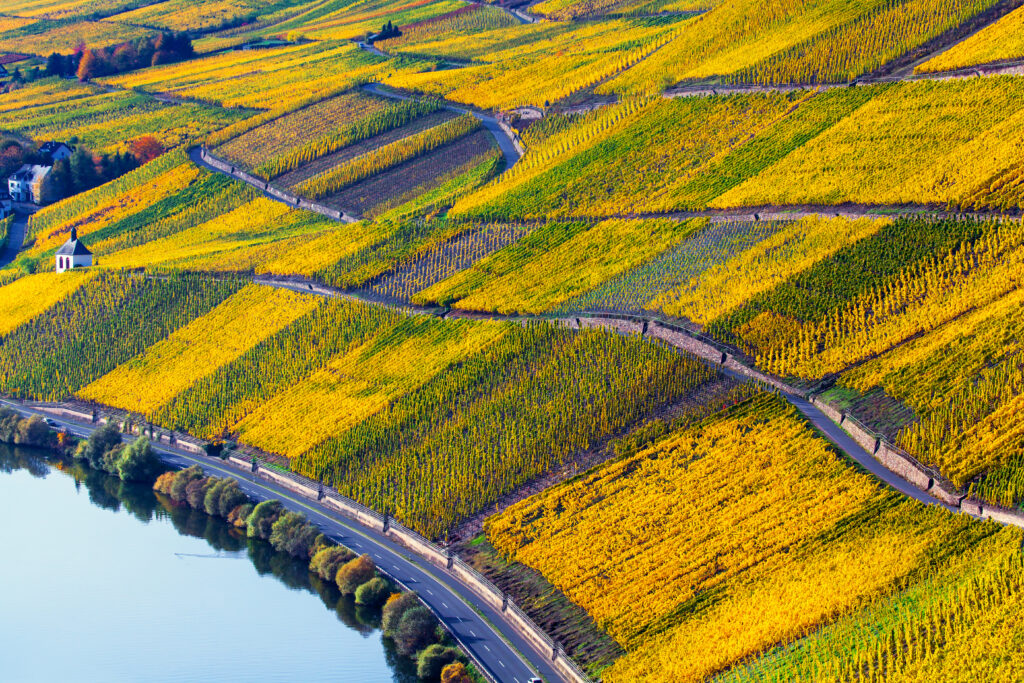
The conversations I have about quality tend to focus on red wine. This is especially true in California, where Napa Cabs have historically garnered high prices, followed up by Coastal Pinot noirs and red Rhones. Honestly, in most places I’ve been where the climate allows for ripening red grapes, the reds are the main event with the whites being more of a warm-up act or even an afterthought. As a result, we know a lot about how to grow red grapes for quality – and less about how to grow whites. Consumer tastes are shifting though, and the big reds of yore are taking a back seat. Drinkers want lower alcohol wines with a lighter style and wineries are taking fewer risks with wine they can turn around in under a year. As a result, white varieties are in hot demand. If you’re a grower who can’t sell your grapes, you may very well be considering grafting some of your reds over to white. So how do you grow a good white? In many ways whites are harder than their r
00

July 21, 2025
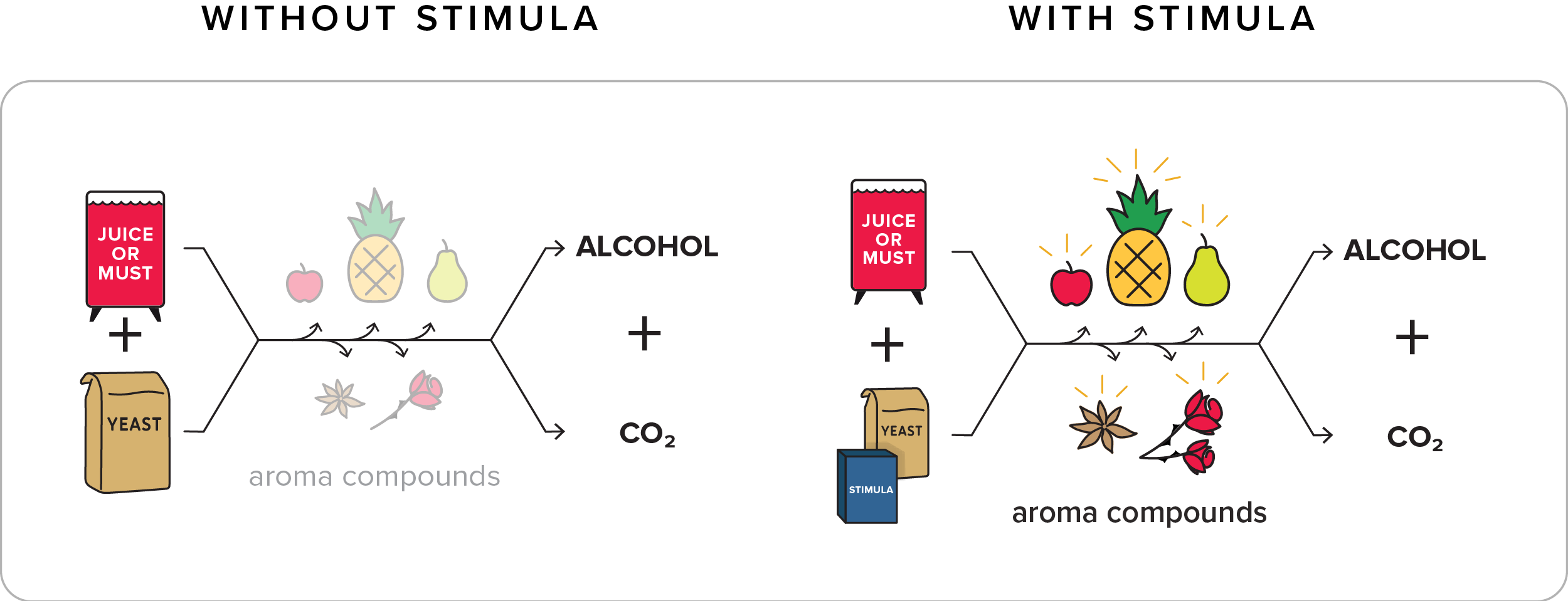
STIMULA™ nutrients go beyond yeast assimilable nitrogen (YAN). These innovative nutrients stimulate specific yeast metabolic pathways involved in aroma production. During fermentation, STIMULA™ nutrients supply additional amino acids, peptides, and specific vitamins and minerals that are crucial for the yeast’s secondary metabolism, boosting the production and/or release of key aromatic compounds like esters, thiols, and terpenes. Yeast produce esters as a natural byproduct of alcohol fermentation. STIMULA CHARDONNAY and STIMULA CABERNET are specifically formulated with the right nutrients to maximize ester production. Some yeast produce enzymes that convert odorless varietal aroma compounds into their odor active forms. STIMULA SAUVIGNON BLANC, SYRAH, and PINOT NOIR provide yeast with key micronutrients needed to maximize production of those enzymes. LEARN MORE
00
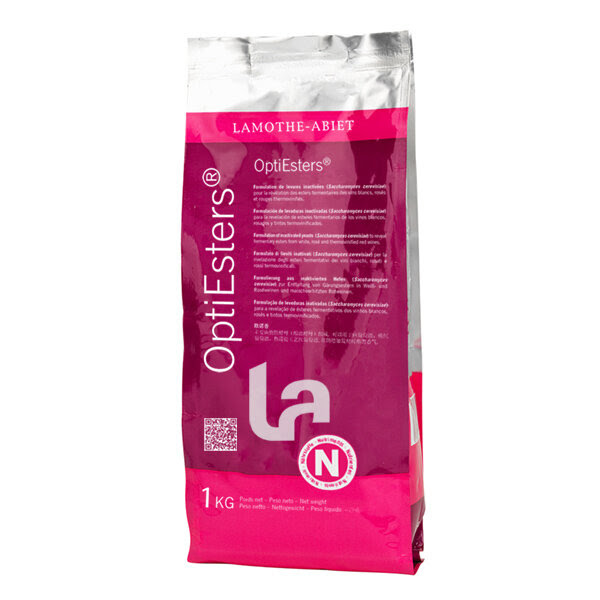
Unlock the Full Aromatic Potential of Your Wines Aromatics are at the heart of a wine’s identity, whether you are aiming for fresh, fruity whites, complex, expressive rosés or a fruit-driven red wines. At each stage of the winemaking process, you have the opportunity to shape and elevate your wine’s aromatic profile. Our targeted range of products offers you a complete toolbox to guide and enhance expression, from grape to bottle. 1) Enhance Precursors – Set the Stage for Aroma Development OptiEsters OptiEster® boosts the formation of fruity and floral fermentative esters by providing key precursors for higher alcohol acetates and fatty acid ethyl esters. Dosage: 20–40 g/hL Use: Early fermentation – Enhances fruitiness, lifts aromatics, refreshes overripe grapes, and helps mask smoke taint and vegetal notes. OptiThiols OptiThiols® is a formulation of inactivated yeasts rich in reducing compounds that protects against oxidatio
00


This week we highlight three selected non-Saccharomyces yeast strains from the VIW® SHIELD range, specifically developed to manage bioprotection and enhance wine freshness, aroma, and mouthfeel in the early stages of fermentation. VIW® SHIELD LT Lachancea thermotolerans What is it? A selected non-Saccharomyces yeast designed for enological use, ideal for bioprotection and the first steps of alcoholic fermentation. Why use it? Dominates native microflora in early fermentation Active in 15–25 °C range up to ~10% v/v ethanol Produces lactic acid → enhances freshness and roundness Slightly reduces final ethanol content Ideal for: Wines where sweetness, freshness, and roundness are key. A great tool for bioprotection while also contributing to the sensory profile of the final wine. VIW® SHIELD MP Metschnikowia pulcherrima What is it? A selected non-Saccharomyces yeast used for bioprotection and aroma enhancement during the initial s
00

System Account
System Account
0x010100043A3A8B2F2ED841920AEAB92B93F32F
Non-Saccharomyces Yeast Bioprotection and more Once overlooked, non-Saccharomyces yeasts have emerged as versatile tools that can significantly enhance wine aroma, acidity, mouthfeel, and overall quality. Discover how these unique yeasts are as varied in their applications and strain differences as their Saccharomyces cousins. READ MORE LEVEL2 SALVA™ BIOPROTECTION SALVA offers specific bioprotection against Brettanomyces, including SOâ‚‚ resistant strains. Learn More LEVEL2 FLAVIA™ ENHANCE AROMA AND TEXTURE FLAVIA increases expression of terpenes and thiols (varietal aromas), increases roundness due to mannoprotein release. Learn More LEVEL2 INITIA™ BIOPROTECTION INITIA consumes oxygen, suppressing the growth of microorganism and
00