
Filter Post Type
NewsVideoProductEventLink
Sort:
Most Recent
1–10 of 42
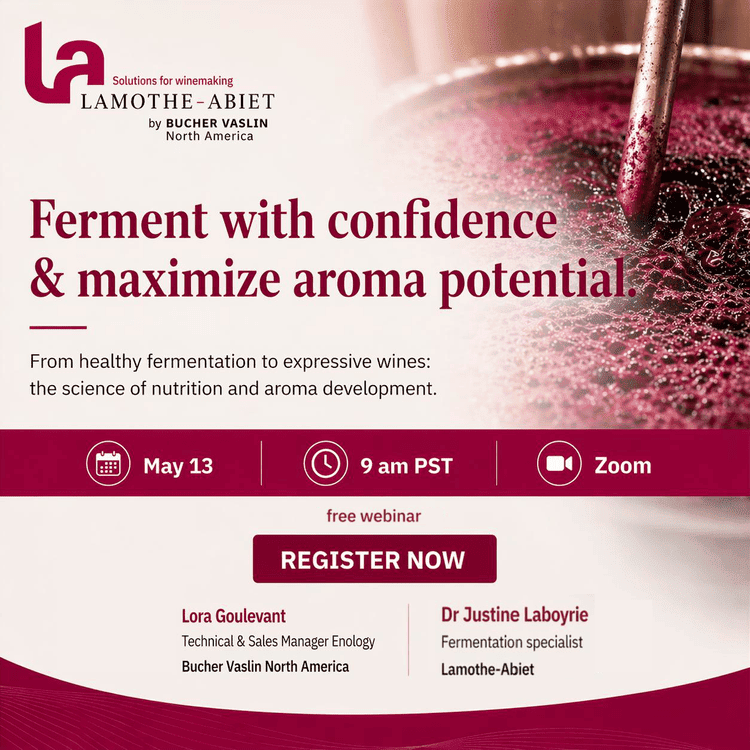
Event Type: Webinar
Location: Online
Date: 5/13/2026 — 9:00 AM to 10:00 AM
Technical Winemaking Webinar · May 13 · 45 minutes with live Q&A Save the date, you’re invited to our new webinar! Stuck and sluggish fermentations, along with limited aromatic expression, remain common challenges, especially with high Brix or unbalanced musts. In this webinar, we will review the key parameters that influence fermentation performance and aroma development, from yeast activation through to the end of alcoholic fermentation. The session will focus on practical decision points and how targeted nutrition strategies can impact both fermentation kinetics and aromatic outcomes. Topics covered: Yeast rehydration and early-stage management Impact of rehydration conditions on yeast viability, including the role of sterols and fatty acids Fermentation kinetics and completion Identification of risk factors for sluggish or stuck fermentations, and practical approaches to secure fermentation to dryness Aroma development during fermentation Influence o
00

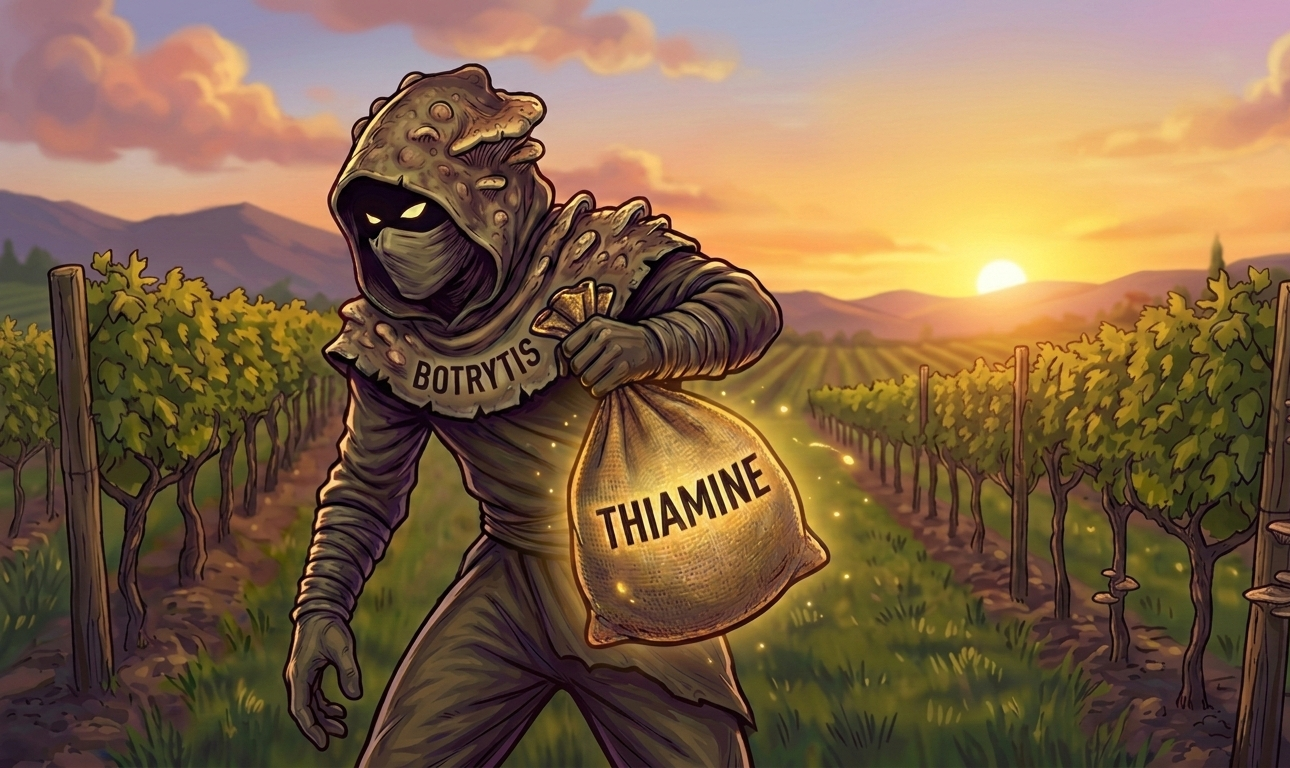
Thiamine, also known as vitamin B1, is an essential micronutrient for yeast metabolism. The thiamine content typically found in grapes ranges from 80 µg/L to 1.2 mg/L. Although most yeasts, including Saccharomyces cerevisiae, can synthesise thiamine, they prefer to absorb it from grape must. This preference conserves energy, which can be used for cell growth and the production of vital fermentation metabolites. In fact, yeasts can absorb all available thiamine in the must within the first six hours after inoculation. A thiamine deficiency in the must can have practical consequences, such as sluggish or stuck fermentations and an altered aromatic balance. Thiamine’s role in yeast metabolism and fermentation Thiamine and its biologically active forms serve as cofactors in central carbon metabolism (sugar breakdown). Without thiamine, several enzymes cannot function, risking incomplete fermentation. Thiamine also exhibits antioxidant activity, protecting yeasts from free-rad
00

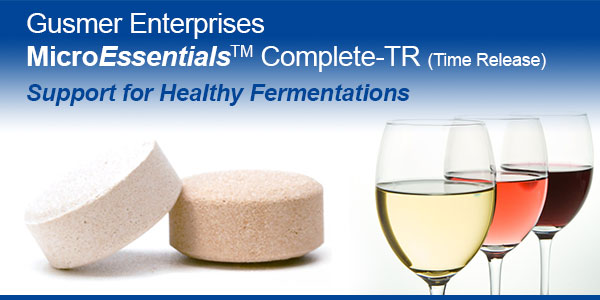
Harvest season doesn’t leave much time for anything extra — long days, fast decisions, and nonstop cellar activity. That’s why Gusmer's MicroEssentials Complete-TR Nutrient was created to take the guesswork out of fermentation nutrition. MicroEssentials Complete-TR is the most advanced yeast nutrient on the market, incorporating the latest research in yeast nutrition and Time-Release Technology. The unique sustained-release system provides two tablets both providing complete supplementation while simulating incremental dosing. MicroEssentials Complete-TR Nutrient delivers a convenient, all-in-one solution that helps winemakers save time without compromising performance: Supports consistent yeast health and reduces the risk of sluggish or stuck fermentation Combination of two tablets, each with a distinct time-release profile and nutrient composition Both tablets are added togethe
00
Troubleshooting Sluggish and Stuck Fermentations—Can you Get Back on Track without a Restart? There are several factors that affect the success of fermentation, and sometimes a small adjustment can get things back on track without the need for a full restart. Below we outline some common causes of problematic fermentations and advice for next steps. TEMPERATURE STRESS Each yeast strain has an optimal temperature range and anything outside of this range can cause yeast stress. If the temperature was too high or spiked, the yeast may not be viable and a restart may be needed. If it is too low, try slowly warming the wine to 70°F. INADEQUATE MIXING If the tank isn’t mixed, yeast may settle and lose access to nutrients and sugar. This can slow fermentation or cause it to stall. Gentle mixing during fermentation helps keep yeast active and fermentation on track. WINE MIGHT NEED DETOXIFICATION When yeast become stressed, they can produce compounds th
00
September 11, 2025

A smooth, complete fermentation doesn’t happen by chance, it starts with balanced yeast nutrition. When yeast has access to the right nutrients at the right time, you avoid sluggish or stuck fermentations, reduce the risk of Hâ‚‚S and VA, and unlock the full aromatic potential of your grapes. Why Yeast Nutrition Matters? Nitrogen is the main driver of yeast growth and fermentation activity. Saccharomyces can assimilate only ammonium ions (DAP), amino acids (organic nitrogen), and small peptides (organic nitrogen). Amino acids are strategic: they are taken up early, stored, and used gradually. Some of them also act as aroma precursors (thiols, esters, acetates). Vitamins & minerals (thiamine, Mg, Zn) act as cofactors in enzymatic reactions and have a role in cell growth, fermentation activity, and nitrogen metabolism. Sterols & long-chain fatty acids are essential for membrane structure, stress resistance, and survival. Click here for all fermentation tips & gui
00
August 18, 2025
After a wet winter and a slow start to spring, California is now experiencing an unusually cool summer. While the extended hang time may sound ideal at first glance, many winemakers are concerned, and for good reason. Persistent cool, damp weather during the growing season brings with it an entirely different set of vineyard and cellar challenges, from disease pressure to delays in ripening. If you haven’t already, it’s time to start thinking about how this season’s cooler conditions may affect your fruit, and how to plan ahead to protect your wine’s quality. What’s the Problem with a Cool Summer? Cooler-than-average temperatures, especially when paired with humidity or late rains, can lead to several problematic outcomes in the vineyard: Delayed Ripening: Grapes take longer to reach phenolic maturity, and sugar accumulation may lag behind flavor development. This can result in unbalanced fruit and longer hang time on the vines. Increased Disease Pressure:
00
July 11, 2025
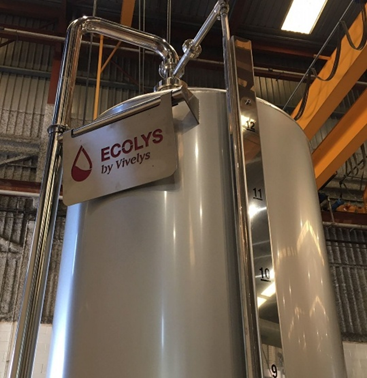
Save time, cut costs, and bring more peace of mind and safety to your daily operations. At Vivelys, we design technology solutions made to simplify your dayly work in the winery. Our mission is to guide you through a useful, concrete digital transformation aligned with the realities of the wine sector. Optimization of fermentation techniques Ecolys® allows for efficient propagation of yeasts and bacteria, resulting in high cell-density starters. Thanks to Ecolys®, you benefit from: Faster microbial implantation, Controlled production costs, Safer, more reliable fermentations. 👉Discover the Ecolys® solution Process automation Ecolys® Injection marks the beginning of a new era in intelligent automation. This automation system adjusts the supply of nutrients, water, juice, or MCR based on the evolution of density and yeast population. • Autonomous remote management, even on weekends, • &
10
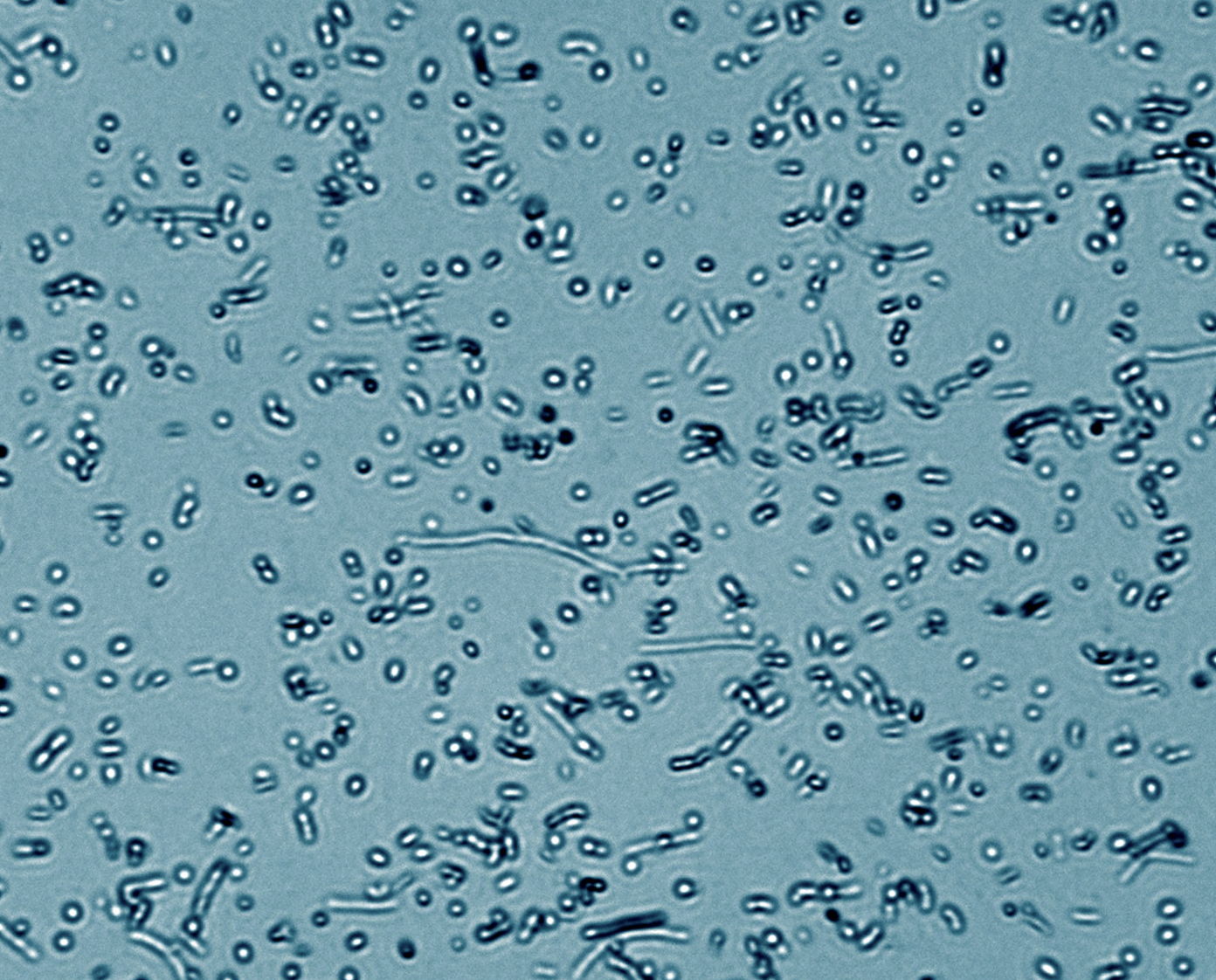
ETS’ automated method reports yeast viability and total cell count within hours, using 100 times the volume examined in standard microscopic methods, vastly increasing the accuracy of your results. How It Works Our automated analysis uses the widely accepted dye exclusion method to determine cellular viability. Live yeast cells have selective cell membranes that exclude dye compounds. When yeast cells die, their cell membranes become permeable, allowing the dye to seep in. The dead, or non-viable, cells become stained and appear darker than the viable cells. Improved Speed & Consistency Traditional methods using a microscope suffer from human error in preparation and the subjectivity of visual measurements using the human eye. ETS uses an automated method that couples standard staining methods with advanced optics and flow cytometry to report yeast viability more accurately and precisely. This real-time microscopic flow image analysis also examines 100 times the volum
00

Healthy fermentations begin with balanced nutrition. Yeast nutrition during alcoholic fermentation is a critical factor in ensuring efficient processes and high-quality wines. Enartis has introduced an innovative approach that goes beyond the traditional concept of YAN and developed a complete range of nutrients (NUTRIFERM) to specifically meet the needs of yeast during each stage of the fermentation process. By integrating amino acids, vitamins, sterols, and minerals, it is possible to ensure yeast well-being and prevent stuck or sluggish fermentations, while improving the aromatic quality and stability of wine. Through its Centre of Excellence for Research in Microbiology (CERM), Enartis analyzes and evaluates the nutritional composition and behavior of yeasts according to the different stages of fermentation. This enables the development of tailor-made nutritional strategies that guarantee fermentation stability, aromatic expression, and sensory quality. Additionally, research is fo
00
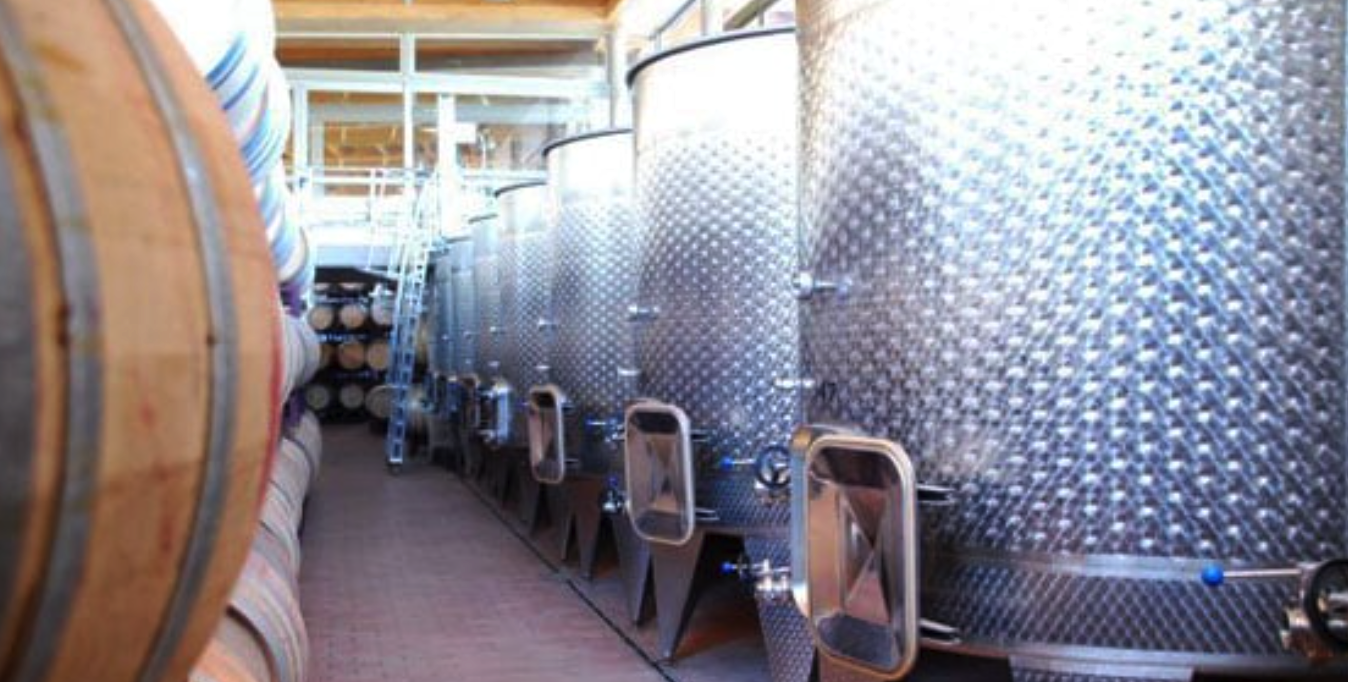
When it comes to winemaking, the tools and techniques used behind the scenes can significantly influence the quality of the final product. Air compressors are a versatile and indispensable part of the process. From maintaining a pristine production environment to aiding in critical processes, they play a key role in ensuring wine quality. In this guide, we’ll explore how air pressure impacts wine quality and how winemakers can effectively use air compressors to elevate their craft. The Role of Air Compressors in Cleaning and Sanitation Cleanliness is the foundation of great wine. Any contamination during the winemaking process can ruin an entire batch. Air compressors assist in maintaining strict hygiene standards by powering tools used for cleaning barrels, tanks, and other equipment. Compressed air enables high-pressure washing systems to reach even the smallest crevices, ensuring that bacteria and residues are thoroughly removed. By maintaining an ultra-clean environment, win
00