
Filter Post Type
NewsVideoProductEventLink
Sort:
Most Recent
1–10 of 71
Rising fuel prices compound market hesitancy The sluggishness of activity on the bulk wine market globally since the turn of the year continued through March into early April, with hesitancy compounded by a rise in fuel prices – by approximately 30%+ in most countries – as a consequence of the conflict in the Middle East. Prices spiked amid the Southern Hemisphere harvests, directly impacting the picking of at least one: this month’s report provides the latest insights from the vineyards. As this month’s California page states, the Iran war is likely to compound some pre-existing consumer pessimism, “with upward pressure on fuel costs exacerbating the reduced spending power consumers have possessed since the 2021-23 post-pandemic inflation spike. Unlike in previous eras when there has been economic misfortune, consumers are pessimistic about the long term – not just the short or medium term – and could curb spending accordingly”. Not wha
00

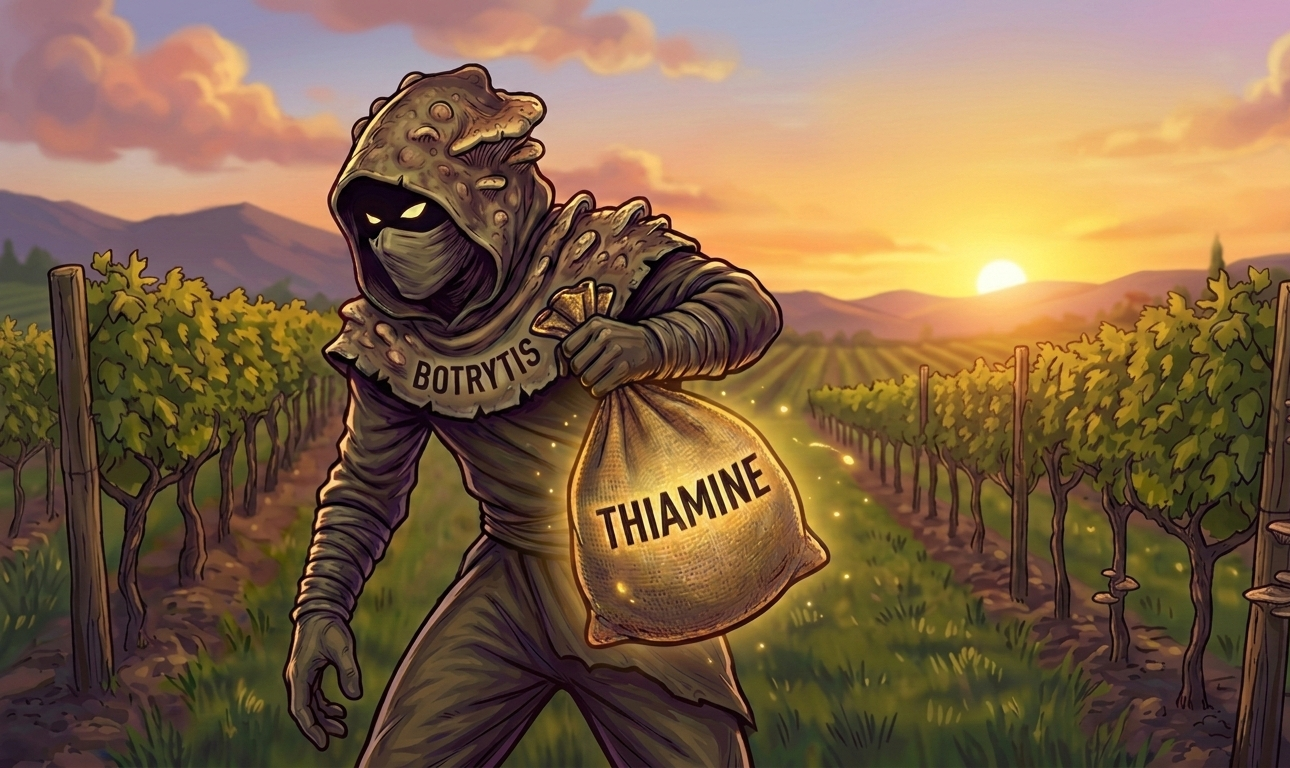
Thiamine, also known as vitamin B1, is an essential micronutrient for yeast metabolism. The thiamine content typically found in grapes ranges from 80 µg/L to 1.2 mg/L. Although most yeasts, including Saccharomyces cerevisiae, can synthesise thiamine, they prefer to absorb it from grape must. This preference conserves energy, which can be used for cell growth and the production of vital fermentation metabolites. In fact, yeasts can absorb all available thiamine in the must within the first six hours after inoculation. A thiamine deficiency in the must can have practical consequences, such as sluggish or stuck fermentations and an altered aromatic balance. Thiamine’s role in yeast metabolism and fermentation Thiamine and its biologically active forms serve as cofactors in central carbon metabolism (sugar breakdown). Without thiamine, several enzymes cannot function, risking incomplete fermentation. Thiamine also exhibits antioxidant activity, protecting yeasts from free-rad
00


Beyond the Peak of Excess by Steve Fredricks As we turned the calendars to 2026, the landscape felt familiar: excess inventories, a scarcity of buyers, and a relentless stream of negative headlines that keep the wine markets entrenched in a perception of "peak of excess." While it is true that some inventories remain swollen and activity in the bulk wine and grape markets is sluggish, significant actions (and reactions) to correct this oversupply have been underway behind the scenes for years. These actions are beginning to come to the forefront in the form of vineyard removals and, unfortunately, the closing of wineries and other associated businesses in the industry. The combination of unsold tonnage and strategic vineyard removals has limited both recent crop sizes and reduced future supply potential. The 2024 crop, totaling 2.864 million tons, was the smallest in 20 years; 2025 is likely to be dramatically smaller. However, projecting actual tons crushed for 2025 i
00


Harvest season doesn’t leave much time for anything extra — long days, fast decisions, and nonstop cellar activity. That’s why Gusmer's MicroEssentials Complete-TR Nutrient was created to take the guesswork out of fermentation nutrition. MicroEssentials Complete-TR is the most advanced yeast nutrient on the market, incorporating the latest research in yeast nutrition and Time-Release Technology. The unique sustained-release system provides two tablets both providing complete supplementation while simulating incremental dosing. MicroEssentials Complete-TR Nutrient delivers a convenient, all-in-one solution that helps winemakers save time without compromising performance: Supports consistent yeast health and reduces the risk of sluggish or stuck fermentation Combination of two tablets, each with a distinct time-release profile and nutrient composition Both tablets are added togethe
00

October 20, 2025
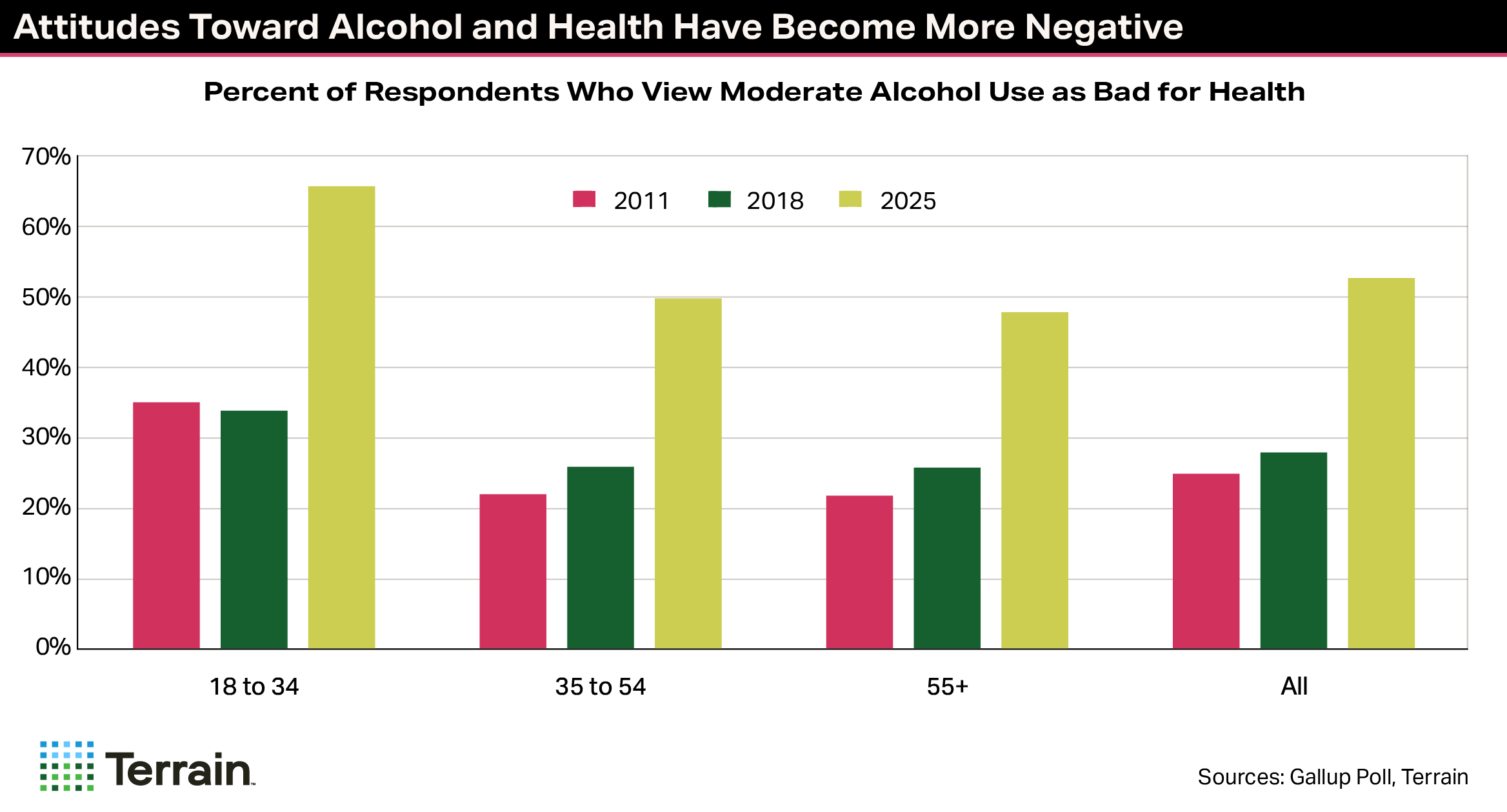
It’s no secret that people are drinking less. The consistent, downward trends in alcohol consumption are presenting significant challenges to the wine industry, which is already having to operate in a complex, competitive marketplace. In order to dissect what is happening in the world of wine and figure out how to make adjustments, industry leaders need solid information on which to base their current business practices and future projections. Fortunately, the industry has Terrain, a group of experts providing exclusive insights and forecasting to customers of American AgCredit and other participating Farm Credit associations in order to promote a more vigorous agricultural economy. Chris Bitter, Ph.D., a senior wine and grape analyst with Terrain and American AgCredit, has recently written two comprehensive articles for "Winescape", a publication that delves into current wine sales data and explores what those show about trending topics such as overall alcohol consump
00


Troubleshooting Sluggish and Stuck Fermentations—Can you Get Back on Track without a Restart? There are several factors that affect the success of fermentation, and sometimes a small adjustment can get things back on track without the need for a full restart. Below we outline some common causes of problematic fermentations and advice for next steps. TEMPERATURE STRESS Each yeast strain has an optimal temperature range and anything outside of this range can cause yeast stress. If the temperature was too high or spiked, the yeast may not be viable and a restart may be needed. If it is too low, try slowly warming the wine to 70°F. INADEQUATE MIXING If the tank isn’t mixed, yeast may settle and lose access to nutrients and sugar. This can slow fermentation or cause it to stall. Gentle mixing during fermentation helps keep yeast active and fermentation on track. WINE MIGHT NEED DETOXIFICATION When yeast become stressed, they can produce compounds th
00
September 11, 2025

A smooth, complete fermentation doesn’t happen by chance, it starts with balanced yeast nutrition. When yeast has access to the right nutrients at the right time, you avoid sluggish or stuck fermentations, reduce the risk of Hâ‚‚S and VA, and unlock the full aromatic potential of your grapes. Why Yeast Nutrition Matters? Nitrogen is the main driver of yeast growth and fermentation activity. Saccharomyces can assimilate only ammonium ions (DAP), amino acids (organic nitrogen), and small peptides (organic nitrogen). Amino acids are strategic: they are taken up early, stored, and used gradually. Some of them also act as aroma precursors (thiols, esters, acetates). Vitamins & minerals (thiamine, Mg, Zn) act as cofactors in enzymatic reactions and have a role in cell growth, fermentation activity, and nitrogen metabolism. Sterols & long-chain fatty acids are essential for membrane structure, stress resistance, and survival. Click here for all fermentation tips & gui
00

August 18, 2025
After a wet winter and a slow start to spring, California is now experiencing an unusually cool summer. While the extended hang time may sound ideal at first glance, many winemakers are concerned, and for good reason. Persistent cool, damp weather during the growing season brings with it an entirely different set of vineyard and cellar challenges, from disease pressure to delays in ripening. If you haven’t already, it’s time to start thinking about how this season’s cooler conditions may affect your fruit, and how to plan ahead to protect your wine’s quality. What’s the Problem with a Cool Summer? Cooler-than-average temperatures, especially when paired with humidity or late rains, can lead to several problematic outcomes in the vineyard: Delayed Ripening: Grapes take longer to reach phenolic maturity, and sugar accumulation may lag behind flavor development. This can result in unbalanced fruit and longer hang time on the vines. Increased Disease Pressure:
00
Navigating a path forward amid the headwinds Welcome to the Ciatti Global Market Report on Substack – a new home, but with the same incisive and actionable market intelligence as before. The latest pricing tables, collectively now called the Global Pricing Grid, will be published separately in a few days. The bulk market was quiet globally through July into early August, as is typical when the Northern Hemisphere is on its summer holidays and/or preparing for harvest. However, the quietness exceeded normal levels in some countries, and speaks to a feeling – borne out by some export statistics – that 2025 has seen an intensification of the sluggishness that has characterised the bulk market since the end of the pandemic’s retail demand spike. The same period last year was also slow, but August 2024’s Global Market Report was able to state: “Shorter crops and the return of China as a buyer in Australia have helped make the landscape app
00
With the bulk wine and grape markets stubbornly sluggish, and a number of vineyards and crush facilities mothballed, the Californian wine industry this year enters the normally bustling harvest season eerily quiet. This month’s Ciatti California Report assesses vineyard conditions as picking gets underway, identifies what wines and grapes have received some demand, and examines the latest sales data emanating from retail. Much of California experienced a three-week stretch of cooler-than-normal weather through July. The California Report investigates the potential consequences for harvest timing, yield, and vine health: Mildew is an issue, albeit highly localized. It remains too early to confidently forecast the crop size, but we attempt a general ballpark figure. This month’s report also explains what we mean by “sticky” inventory, and updates our ongoing charts showing – by total volume and by varietal – the bulk inventory listed with us. Meanwhil
00