
Filter Post Type
NewsVideoProductEventLink
Sort:
Most Recent
1–10 of 57

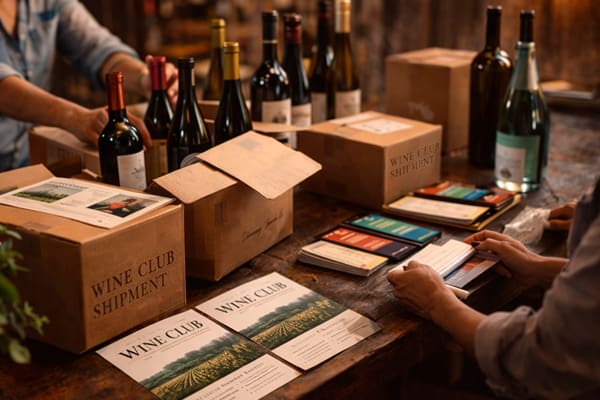
Why Wine Clubs Aren’t Working, And What’s Replacing Them For many wineries, the biggest challenge today isn’t attracting new customers; it’s keeping the ones they already have. Wine clubs once represented the most stable revenue engine for wineries. Members signed up, shipments went out quarterly, and predictable revenue flowed in. It was the foundation of direct-to-consumer success. But that foundation is cracking. Recent industry data reveals a troubling trend: nearly 40% of wine club members cancel within the first year. In a market where customer acquisition costs are climbing, and competition for attention has never been fiercer, losing members at this rate isn’t just a retention problem; it’s a profitability crisis. The math is unforgiving. If acquiring a new club member costs hundreds of dollars in marketing, tasting room labor, and incentives, losing them before they’ve generated meaningful lifetime value means wineries are bleeding money with every signup. And yet, some winer
00

Event Type: Webinar
Location: https://event.on24.com/wcc/r/5271200/FDDE3C102EA5AF60F642C4ADE90037A5
Date: 4/9/2026
Wine club churn has always been a challenge, but the stakes are even higher as the direct-to-consumer (DtC) wine shipping channel has entered a period of sustained contraction. With 2025 seeing the largest year-over-year declines in both DtC wine shipment volume and value — according to the 2026 Direct-to-Consumer Wine Shipping Report — the channel is smaller, more concentrated, and increasingly reliant on a pool of higher-end customers. Stabilizing revenue in this environment means wineries must be more focused than ever on retaining customers in your winery’s wine club. In practice, churn rarely begins with a cancellation request. It typically starts with subtle changes in behavior that are easy to overlook in standard reports. This webinar will discuss: What those signals are — where and how to look for them How early churn forecasting differs from traditional churn reporting Which member behaviors tend to signal increased churn risk before cancella
00

March 16, 2026
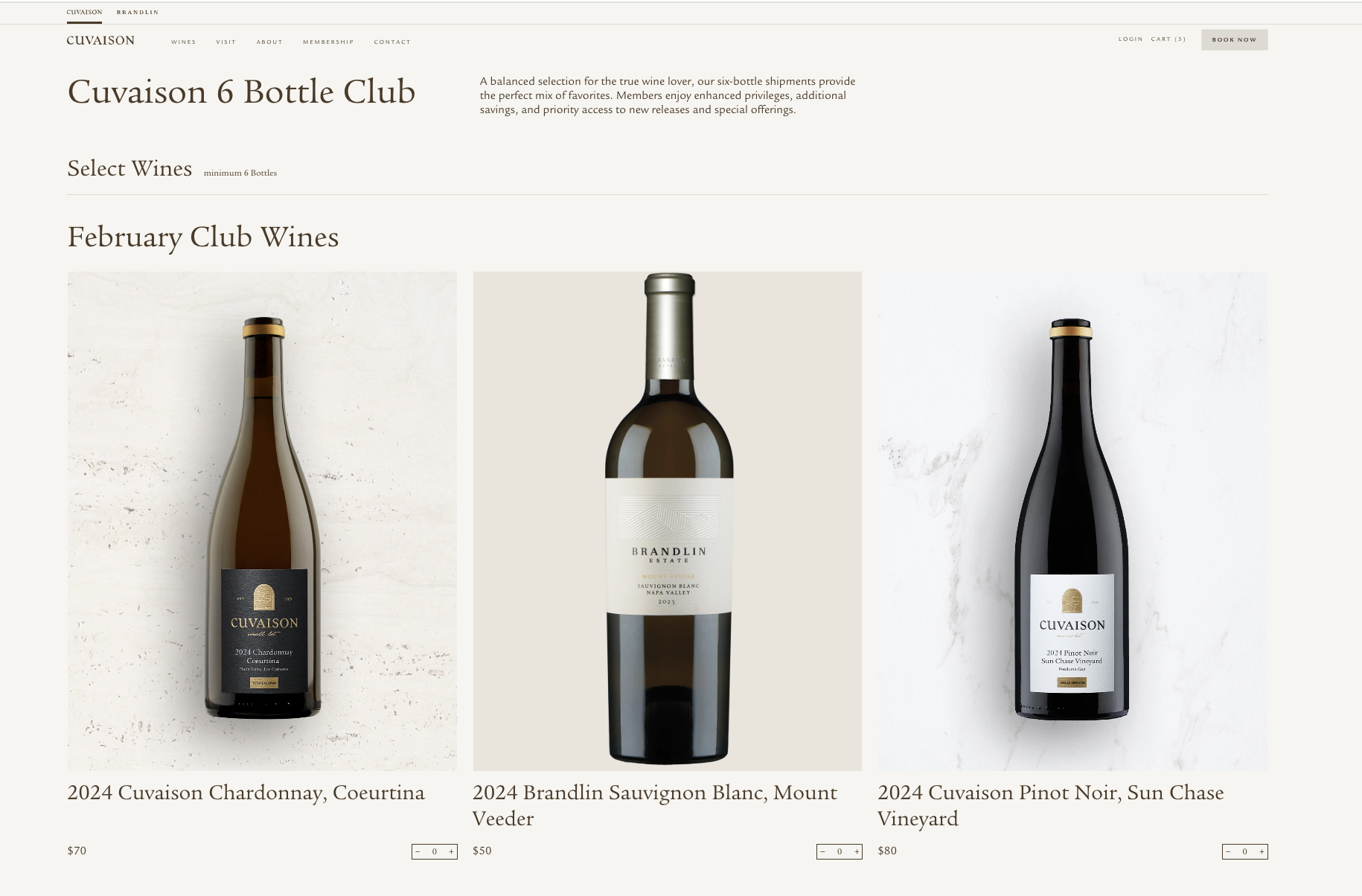
For a long time, the standard wine club model was simple: you pick the wines, you set the price, members sign up and receive what you ship them. Curated. Chef's kiss. Non-negotiable. That model still works — for the right clubs and the right member base. But the world has shifted. Members who joined in the past few years have been shaped by Amazon, Stitch Fix, and a dozen other subscription experiences that gave them control. They've come to expect customization as the default, not a premium. And the data backs this up. Wine clubs that offer member customization see measurably lower churn, higher average order values, and stronger long-term engagement. Not because flexibility is inherently better — but because it removes one of the most common reasons members leave. The Cancellation You Could Have Prevented When you look at why wine club members actually cancel, a consistent pattern appears: "I already have too much wine." "I don't dr
00


For winemakers and distillers, crafting exceptional beverages is only part of the journey. To ensure your product maintains its premium quality and reaches consumers in perfect condition, the preservation of both its taste and appearance is critical. This is where the often-overlooked factor of glass color comes into play. The color of your bottle can have a profound impact on the longevity, flavor stability, and overall appeal of your wine or spirit. By understanding how different glass colors protect against light damage, you can make more informed packaging choices that safeguard your product’s quality and enhance its shelf life. In this article, we’ll explore the science behind glass color and light exposure, explain how traditional and modern glass choices can protect your product, and provide insights into balancing practical preservation needs with aesthetic considerations. Whether you’re crafting aged whiskey or fine wine, the right glass color is more
00

Strategies to Keep Whites & Rosés Bright, Stable, and Shelf‑Ready Whether you're looking to retain freshness in tank or in bottle, there are several options beyond SO₂ that can help protect against oxidative damage, preserving color, aromatics, and overall longevity. These options also work well for low-alcohol or alcohol-removed wines. Tannins ESSENTIAL ANTIOXIDANT™ Gallnut tannin that can help to protect delicate aromas and color from oxidative damage. ESSENTIAL PASSION™ A balanced blend of condensed and hydrolyzable tannins that can enhance and protect red fruity aromas. SCOTT'TAN RADIANCE™ Lightly toasted French oak tannin that supports aromatic freshness and contributes subtle structure. Mannoproteins & Chitosan FINAL TOUCH TONIC™ Liquid mannoprotein that protects aroma compounds, stabilizes colloids, and can extend shelf-life in whites and rosés. FINAL TOUCH POP™ Liquid mannoprotein that stabilizes bubble
00
The wine and spirits industry is standing on the precipice of a major design evolution. For years, “premium” was defined by weight, excess, and tradition. For 2026, a new definition of luxury is emerging; one that values intelligence over mass, and tactile storytelling over simple visual appeal. For brand owners and procurement leaders, staying ahead of these glass packaging trends in 2026 is no longer just about aesthetics; it is a matter of strategic survival. From the rise of “quiet luxury” and right-weighted glass to the complex pressures of global supply chains, the packaging decisions made today will define brand resilience tomorrow. In this forecast, we explore how sustainable luxury, ergonomic innovation, and smart supply chain strategies are reshaping the premium landscape, and how Global Package provides the specialized glass solutions needed to help you navigate this future. The State of Glass Packaging for Wine & Spirits At Global Package, we&r
00
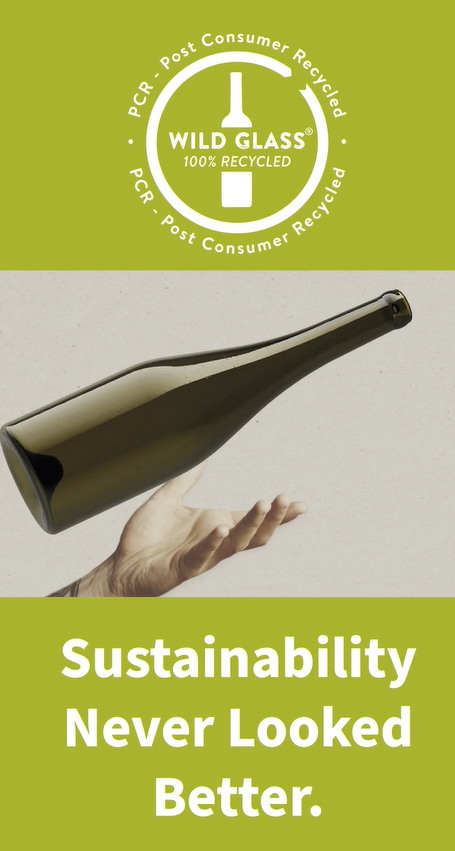
Sustainability has become a core focus across every industry sector lately, but, as lovers of the traditional, the wine and spirit industries are behind the curve on implementing sustainable glass packaging. According to the IWSR, 48% of American alcohol drinkers say that a company’s sustainability or environmental initiatives positively influences their purchasing decisions. Furthermore, according to a report by the global decision intelligence company, Morning Consult, 7 in 10 American adults would consider purchasing from a food and beverage brand that prioritizes sustainability, the highest share across all industries. In the face of ongoing environmental concerns, a growing number of media stories have cited the need for our industry to find a more sustainable package solution. And the call is validated by consumer demands. We are seeing the emergence of a new category of wine consumer: the environmentally-conscious consumer, who is choosing wines and spirits based on the s
00

The global shift toward sustainability is palpable across nearly every sector. Within the wine and spirits industries, this movement has gained remarkable traction, driven by consumers’ increasing demand for environmentally responsible products. More pressure for industry to put sustainability at the center of all operations but also provides opportunities for businesses to flourish by staying ahead of the trends in innovative and sustainable advancements. Here are four sustainability trends to keep an eye on: Regenerative practices for wine and spirits Recent years have seen a boom in conscious agricultural practices through the philosophy that all aspects of agriculture are connected. This philosophy emphasizes the careful utilization of land management to restore and regenerate the ecosystems and land we use, leaving it in better health for future generations. Regenerative principles are a push back against traditional industrial agriculture practices which are respons
00


In this WIN Insider Series episode, George Christie interviews Alexandra O’Gorman, Vice President of Community Relations for Foley Family Wines. Alexandra shares her journey from Carmel, California, into the wine industry, working her way through sales, marketing, hospitality, and communications at prestigious wineries, including Flowers Vineyard and Korbel, while earning her MBA from Sonoma State’s Wine Business Institute. Her career is defined by taking risks, embracing change, and continuous learning. Alexandra discusses her current role overseeing community relations at Foley Family Wines, blending social impact, sustainability, and strategic philanthropy. She emphasizes the importance of industry inclusivity, mentorship, and authentic leadership while addressing current challenges like market perceptions, product focus, and member engagement within winery associations. Her insights on connection, community involvement, and focused portfolios provide valuable inspirat
00
.jpg)
October 7, 2025

Winery Sales & Marketing Strategies That Resonate Across Generations The wine consumer landscape is shifting at a rapid pace. Younger generations are redefining how wine fits into their lives—seeing it less as a tradition and more as an extension of identity, experience, and occasion. For wineries, the challenge is balancing authenticity and heritage while adapting to new expectations, platforms, and buying behaviors. Success now depends on crafting brand stories that resonate across diverse audiences and evolving channels, without losing the timeless qualities that make wine unique. At this year’s WIN Expo, the Sales & Marketing conference sessions are designed to tackle these exact challenges. From building brands that withstand generational shifts, to connecting with modern consumers through influence and storytelling, to revitalizing programs that engage younger audiences while retaining loyal customers, these conversations will equip attendees with the tools
00