
Filter Post Type
NewsVideoProductEventLink
Sort:
Most Recent
1–10 of 66

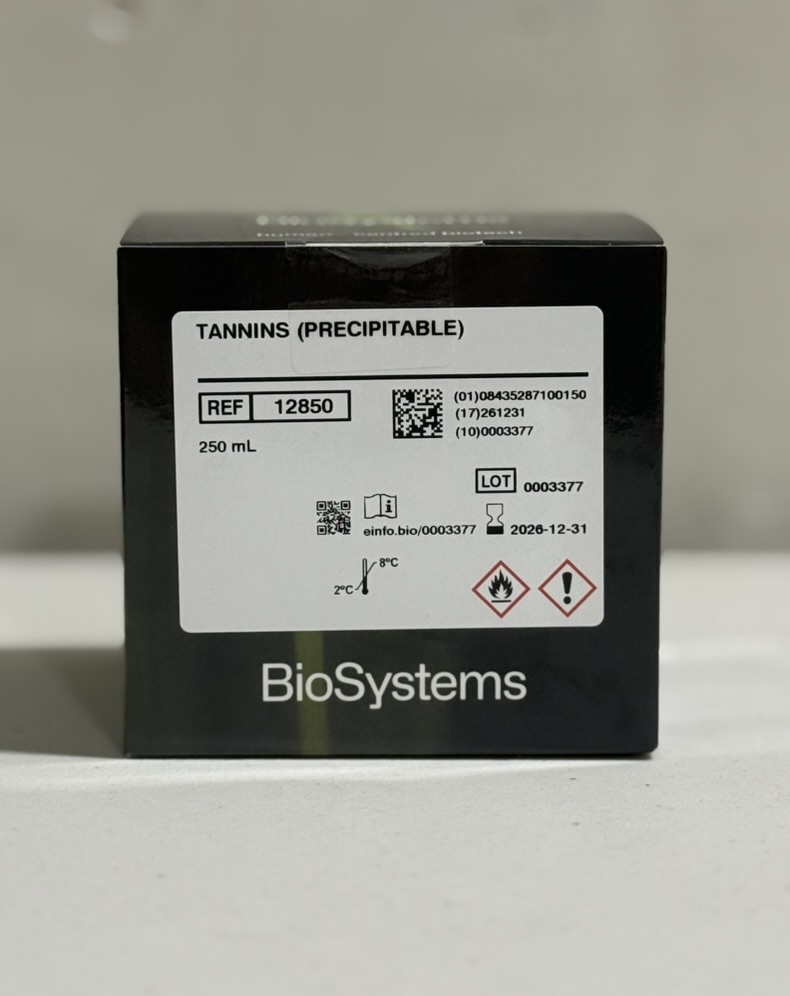
Tannins are a group of phenolic compounds found naturally in the skin, seeds and stems of grapes used in wine, as well as in the barrels where wine is aged. Traditional methods of tannin determination require the preparation of specific reagent solutions and are demanding in time and preparation. The Tannins kit is based on the methylcellulose precipitable method (MCP), improving its usability and stability. The MCP technique captures both tannin types and pigment-bound forms, giving a clearer picture of a wine’s structure and future evolution. Our analyzers use UV-Vis spectrophotometry, which measures light absorption at specific wavelengths associated with tannins. This provides an objective, accurate and reproducible measurement of tannin content, allowing the winemaker to control its extraction during maceration, its evolution during aging and its influence on the stability and final quality of the wine. Are you curious to learn more about measuring tannins? Pleas
00

Event Type: Webinar
Date: 4/22/2026
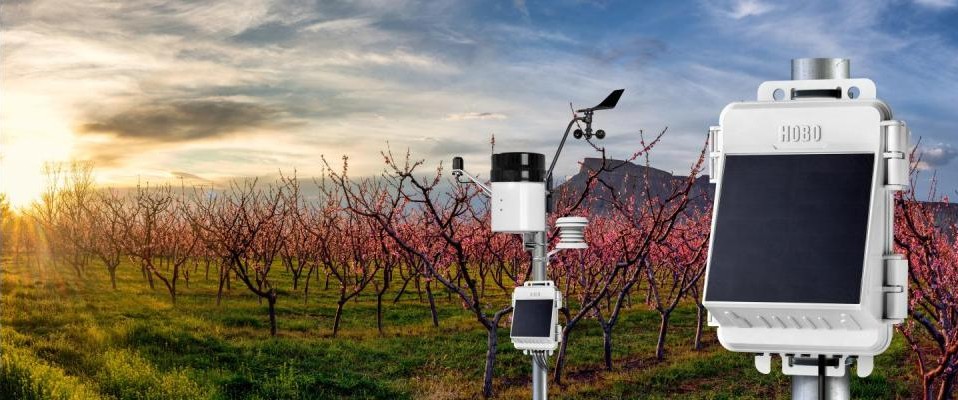
Learn how NEWA's hyper-localized modeling, paired with HOBO weather stations, helps growers use the optimal pest management and disease countermeasures. Jon Clements, Extension Fruit Team Leader at UMASS Amherst presents the models and tools that NEWA has developed to help growers with insect pest and plant disease risk assessment, and Matt Sharp of HOBO presents how HOBO stations work with NEWA's tools. How to use NEWA Models for Growing Recommendations In the first portion, Jon will demonstrate how to use NEWA models for recommendations on spray schedules, irrigation and thinning models, including: Integrated Pest Management (IPM): Using the Apple Scab Model for targeted fungicide applications to reduces chemical costs and improve the timing of sprays. Irrigation Optimization: Use data on precipitation and environmental demand to help manage water, particularly for drought monitoring in high-density orchards with smaller root systems. Crop Thinning Decisions: The tool
00

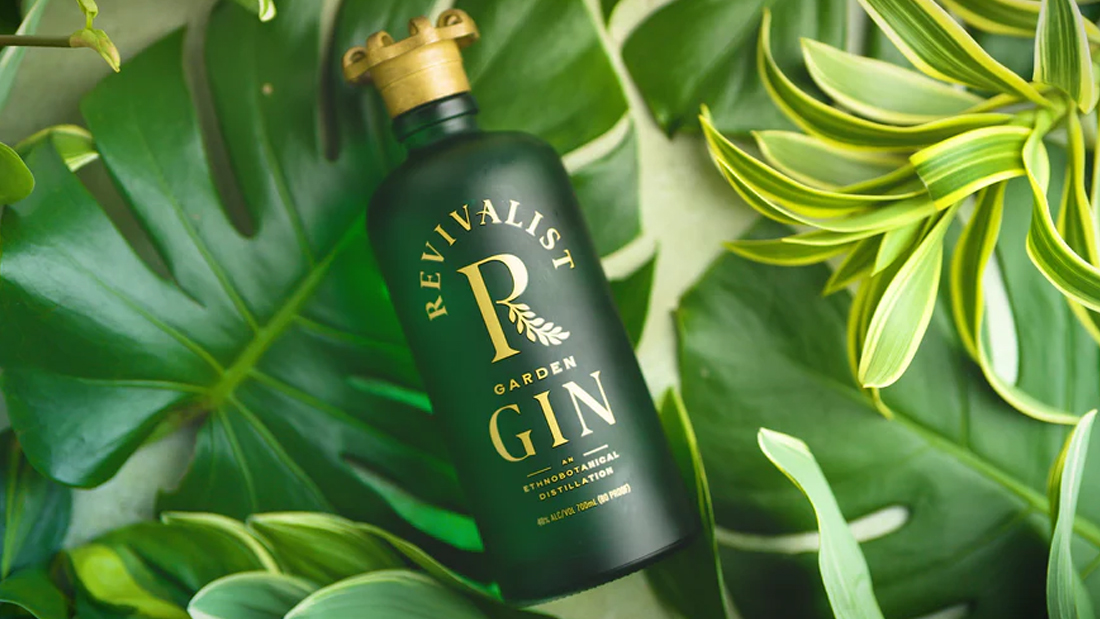
The wine and spirits industry is standing on the precipice of a major design evolution. For years, “premium” was defined by weight, excess, and tradition. For 2026, a new definition of luxury is emerging; one that values intelligence over mass, and tactile storytelling over simple visual appeal. For brand owners and procurement leaders, staying ahead of these glass packaging trends in 2026 is no longer just about aesthetics; it is a matter of strategic survival. From the rise of “quiet luxury” and right-weighted glass to the complex pressures of global supply chains, the packaging decisions made today will define brand resilience tomorrow. In this forecast, we explore how sustainable luxury, ergonomic innovation, and smart supply chain strategies are reshaping the premium landscape, and how Global Package provides the specialized glass solutions needed to help you navigate this future. The State of Glass Packaging for Wine & Spirits At Global Package, we&r
00

December 18, 2025

Saxco, a leading provider of packaging solutions to the wine, spirits, beer and beverage industries, is pleased to announce a strategic partnership with Revino, a pioneer in reusable wine bottle systems, to deliver sustainable glass packaging choices for wine producers throughout the United States. The collaboration underscores both companies’ commitment to environmental responsibility and innovation within the wine industry. Saxco has been at the precipice of innovative packaging solutions since its inception over 90 years ago. Continuing in its legacy, Saxco is now an official distributor partner of Revino’s acclaimed reusable wine bottles. The company has seen broad adoption with more than 100 winery partners and over one million bottles in circulation. Revino’s platform simplifies adoption of proven reuse models, helping wineries significantly reduce their environmental footprint without sacrificing brand integrity. Working with Saxco provides wineries with
00


Until now, getting reliable weather and soil data meant installing and maintaining a physical weather station, or relying on generic, imprecise forecasts. Verdi Weather changes that. This new feature gives you hyper-local weather data, right inside your Verdi dashboard. Powered by Precip, it puts actionable insights exactly where growers make irrigation decisions. Why We Built It Every week, growers make irrigation decisions that directly affect yield, quality, and costs. But too often, those decisions rely on assumptions, not field-specific data. “Knowing how much rain fell yesterday, last week, or across the whole season changes everything,” says Nart Barileva, Verdi’s Head of Data. “Precip’s data fills that gap instantly.”With Verdi Weather, there’s no hardware to buy or maintain. It’s already embedded in your dashboard, and the data is specific to your farm. What You Can See When you open the Verdi Dashboard, click the new Weather bu
00
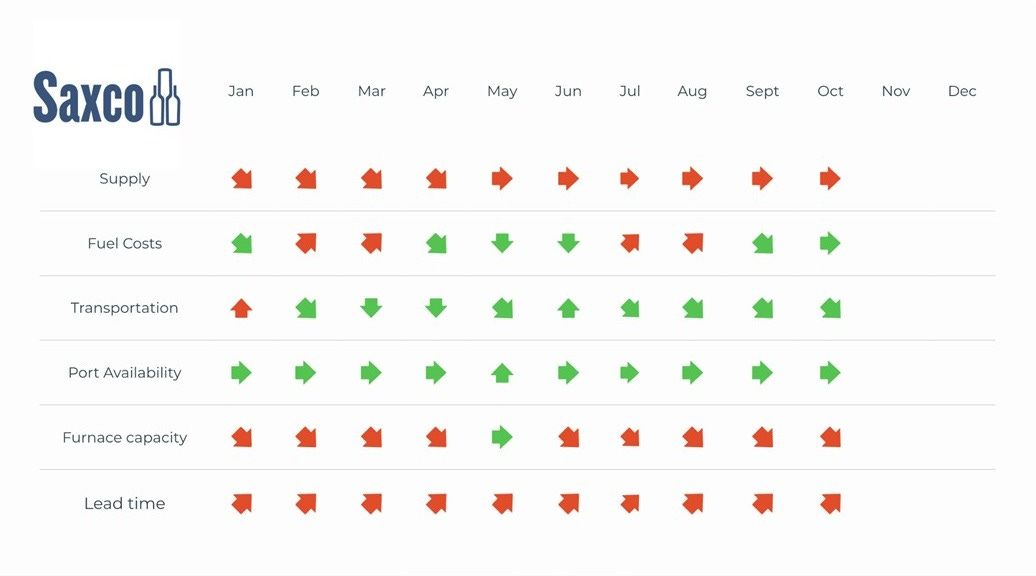
This month: Soft seas, more questions, and a consumer that’s anxious and cautious about tomorrow. October’s here, and the supply chain feels eerily quiet. Not calm exactly – just slow. There is movement, but it’s more drift than direction. Freight rates are down, not because we have gotten more efficient, but because demand is low. Fuel is holding steady, but only because the broader economy seems reluctant to surge. There are no logjams at the ports, yet there is not much urgency, either. Glass remains tight. Lead times are still creeping. And while retail shelves are being reset for the holiday sprint, the pace feels tentative. Brands are pushing forward, but many are doing so with a wary eye on cost, conversion, and the uncertain mood of the American shopper. The story of October is about the tension between the inertia of supply and the jitteriness of demand. Between short-term calm and long-term concern. Market overview Fuel costs rose imperceptibly from $3
00
Harvest fairly smooth; bulk activity ticks up California’s 2025 winegrape harvest is moving into its latter stages. Timing, particularly in Coastal areas, is at the later end of normal parameters due to an accumulation of minor weather events, including a three-week stretch of lower-than-normal temperatures through July which August and September were not warm enough to offset, and rain around in some areas in recent weeks. The presence of precipitation has raised concerns regarding the welfare of any white and thin-skinned varieties still hanging, and – depending on October weather – maybe also the later-season reds. In general, however, things have been running fairly smoothly. This month’s report assesses harvest timing and tonnage performance in each region, grape quality, and provides an update on our state-wide harvest estimate. Numerous commentators have issued total tonnage predictions in recent weeks. The only certainty is that, for the third consecuti
11

From Fermentation to Bottling The color of a red wine is a powerful sign of quality and style. From the first pump-over to the final bottling, every step of vinification contributes to extracting, fixing, and preserving a vibrant and stable the color. Fermentation: Extraction & Early Stabilization Enzymes for Maximum Color Release ZIMARED® PLUS Speeds up anthocyanin extraction, encourages polyphenol release, reduces punch downs/pump overs, improves clarification and filtration, and increases yield. EXTRARED L High color-extracting activity, ideal in the final stages of maceration to help form stable anthocyanin complexes. Tannins for Immediate Color Fixation - V Tan® SG Promotes anthocyanin–tannin bonding and early color stabilization - Smartan® Uva Enhances structure while safeguarding fresh fruit notes and protecting color during the most critical phase Post-Fermentation: Tannins for Structure & Lo
00


The conversations I have about quality tend to focus on red wine. This is especially true in California, where Napa Cabs have historically garnered high prices, followed up by Coastal Pinot noirs and red Rhones. Honestly, in most places I’ve been where the climate allows for ripening red grapes, the reds are the main event with the whites being more of a warm-up act or even an afterthought. As a result, we know a lot about how to grow red grapes for quality – and less about how to grow whites. Consumer tastes are shifting though, and the big reds of yore are taking a back seat. Drinkers want lower alcohol wines with a lighter style and wineries are taking fewer risks with wine they can turn around in under a year. As a result, white varieties are in hot demand. If you’re a grower who can’t sell your grapes, you may very well be considering grafting some of your reds over to white. So how do you grow a good white? In many ways whites are harder than their r
00
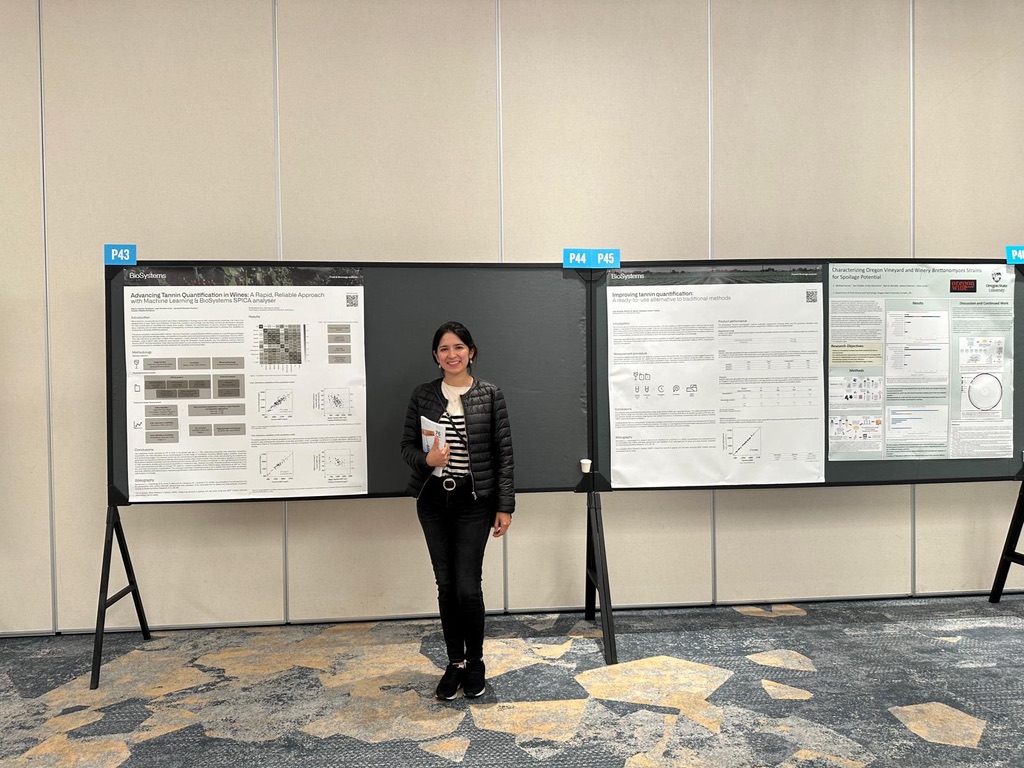
Last month we had the great pleasure to present posters about our new tannin methods at ASEV with our partners, BioSystems. Our first poster highlights an optimized multiple linear regression model that uses automated testing to predict tannin levels in wine. The research was done in labs in four countries using multiple grape varietals throughout the stages of winemaking. By combining machine learning with SPICA’s advanced analysis tools, it offers a fast and simple way to ensure consistent wine quality. Our second poster describes an alternative to tannin precipitation by Mexthylcellulose (MCP) in wine. While traditional methods take a great deal of time to prepare the reagents, our MCP kit is ready to use out of the box with an 18 month shelf life and provides fast and reliable results on the SPICA automated platform. Congratulations to Marilyn Garcia, José Morales Ariza, Leonardo Estrada Dueñas, and Andreu Tobeña Montanuy for the completion of these
00