
Filter Post Type
NewsVideoProductEventLink
Sort:
Most Recent
1–10 of 38
As the newly crowned NCAA basketball national champions make their media rounds, you might think that NIL is just about athletes getting paid to play. But NIL is a legal concept that encompasses an individual's right of publicity and allows all individuals, not just student-athletes, to control and profit from the commercial use of their identity NIL, short for Name, Image, and Likeness, has grown far beyond endorsement deals for athletes. It’s about the core pieces of your identity: your name, your face, your voice, and the ways you present yourself to the world. In a digital world where anyone can build an audience (or be impersonated by AI), those things have real value for everyone. On March 26, 2026, the U.S. Patent and Trademark Office (USPTO) launched a new resource page that centralizes guidance on navigating name, image, and likeness in connection with trademarks and related intellectual property issues. This is a helpful first stop for understanding how branding an
00

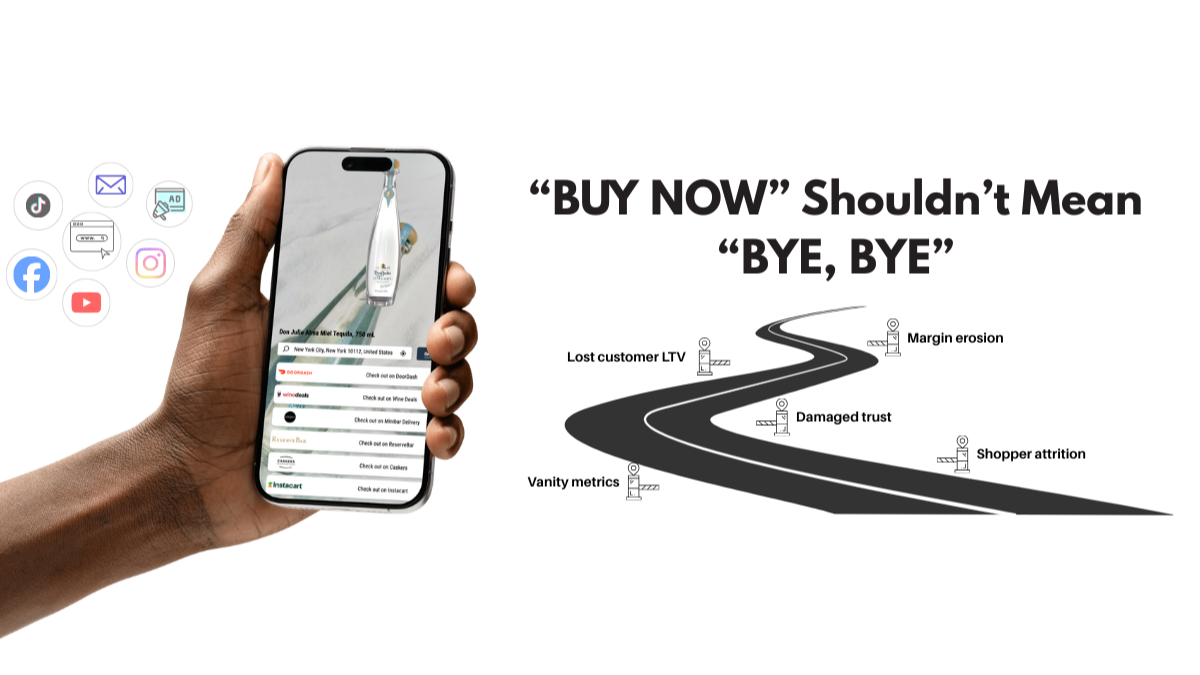
We live in a world where distributed brands have to do real work to help customers find the best and right place to buy, wherever they are. The old answer was the “retailer locator”: a sad cluster of outdated pins on a map, with no genuine path to purchase and a short whitelist of stores that ignore the majority of retailers selling your product. Antiquated Map Solutions Then “carting solutions” showed up. In theory, they were an upgrade of the experience: software that turns brand demand into a buy flow and gives you attribution along the way. In practice, they offer a path to purchase from a painfully limited roster of retailers, mostly big national chains plus marketplaces.Modern Carting Solution But in the U.S., most products don’t have clean, national-chain coverage. And most carting tools don’t have a multitude of smaller chains or independent retailers. So they do the expedient thing: when they can’t find a great retailer match, they
00
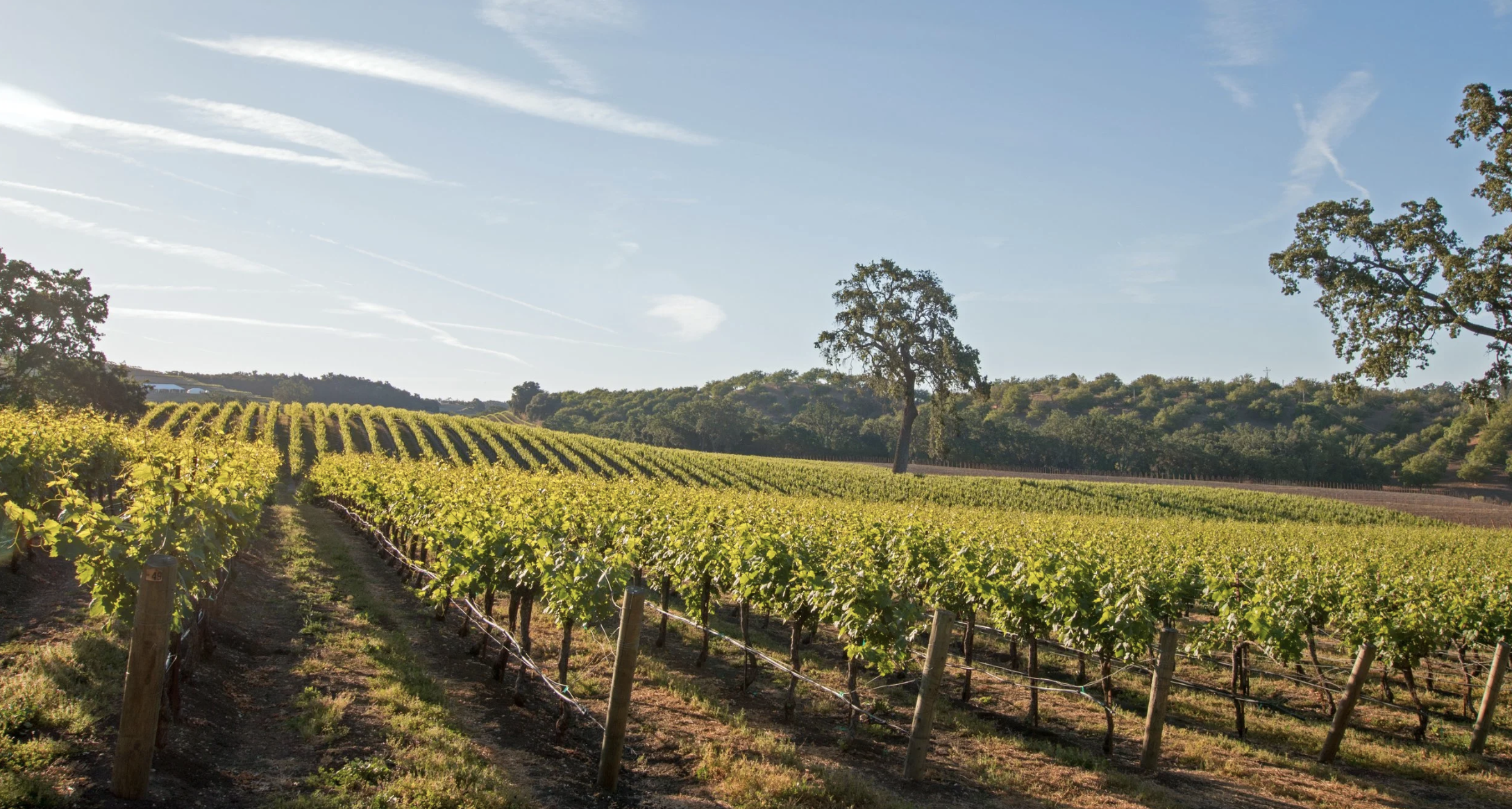
Your next customer will see your winery before they ever taste your wine. They'll see it on Instagram while planning a weekend trip. They'll see it on your website while deciding whether to book a reservation. They'll see it in an email while considering whether your wine club is worth joining. And in every one of those moments, they're making a decision based on what your visuals tell them about who you are. This isn't a trend. It's how people buy now. According to a 2023 study by Cloudinary and Harris Poll, 75% of online shoppers say product photos are the most influential factor in their purchase decisions. That number holds across categories, and it holds in wine. The difference is that wineries aren't just selling a product. They're selling an experience, a place, a feeling. Which means your visual content has to do more work than a product shot on a white background. It has to make someone want to be there. Most wineries know this on some level. Fe
00
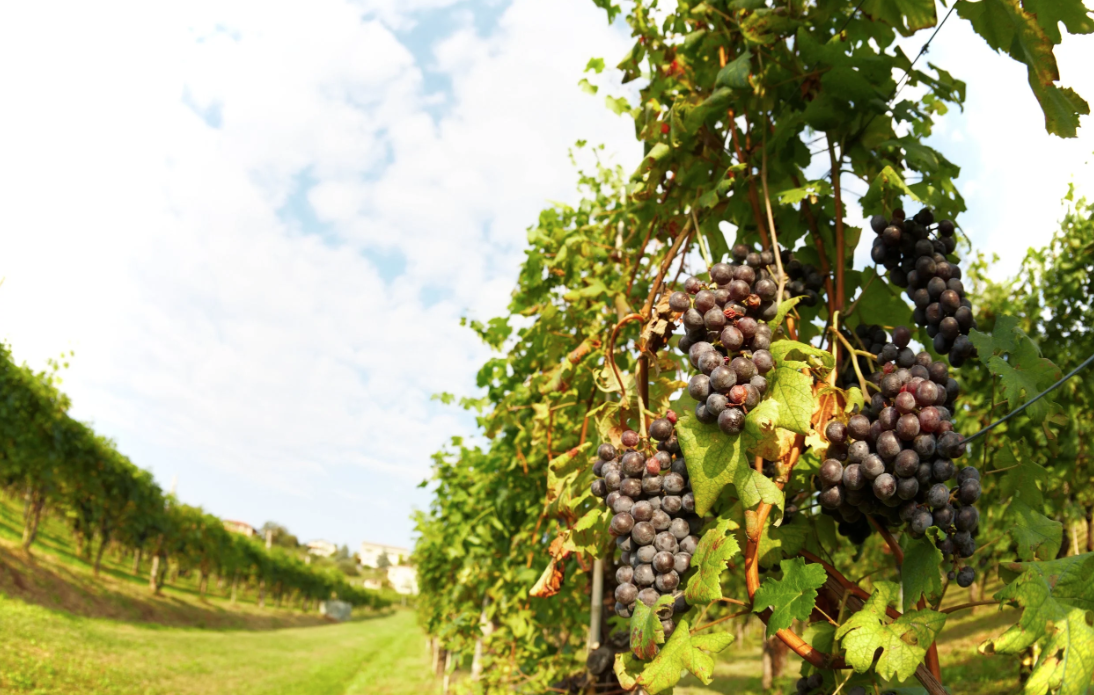
The weather is shifting, trip-planning season is underway, and tasting room traffic is about to pick up. This is the good news. The bad news? If you're reading this and thinking "we'll get to our spring marketing when spring gets here," you're behind. The tasting rooms that stay full from April through June aren't the ones with the best wine or the prettiest views. They're the ones that showed up in someone's planning process three weeks before the trip happened. People don't stumble into wine country on a whim and wander from door to door the way they did fifteen years ago. They research. They scroll. They book. And if your winery isn't visible and compelling during that research window, you're invisible when it counts. The hotel industry figured this out years ago. Marriott doesn't wait until summer to market beach properties. They start running "book your getaway" campaigns in late winter, because they know the booking win
00
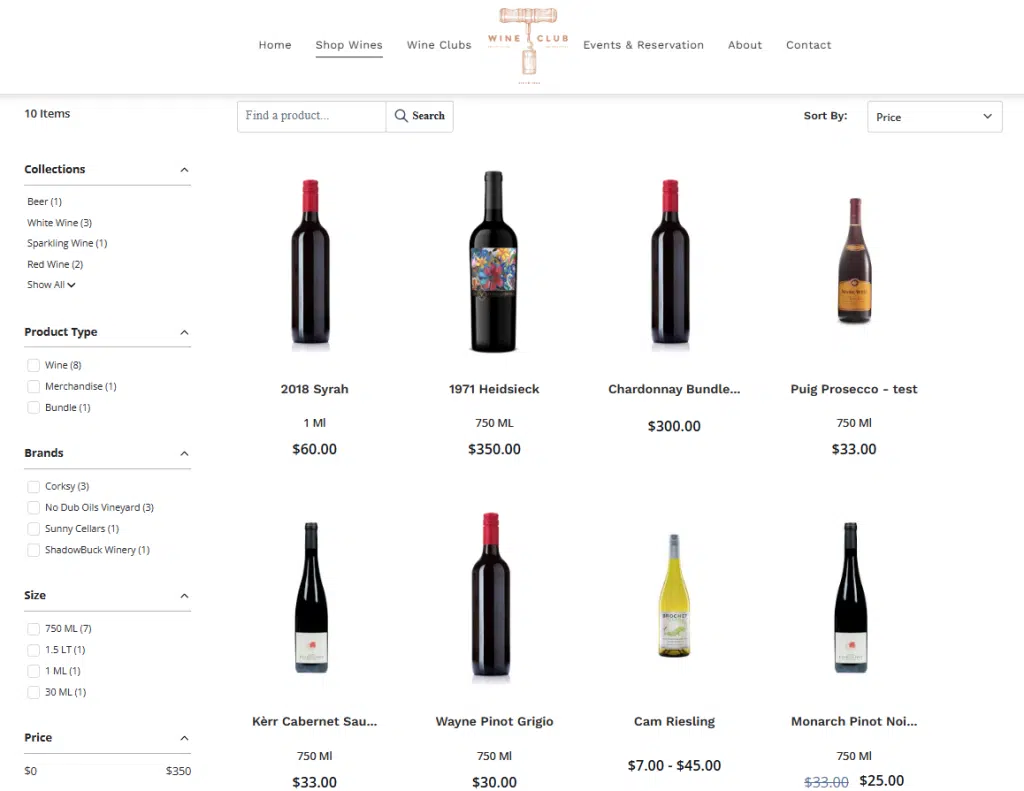
A few years ago at the DTC Wine Symposium, a panelist joked about the modern winery website formula: the guy, the dog, the truck, and the vineyard. Beautiful backdrop, strong lifestyle photography, a thoughtful founder story. Polished, absolutely. Strategically distinct, rarely. The critique wasn’t about branding. It was about structure. Most winery websites aren’t broken, but they aren’t built as decision environments either. Calls to action are unclear, revenue pathways are buried, shipping surprises appear late, and wine club often lives in isolation instead of throughout the buying journey. After auditing winery sites across regions and production sizes, the pattern is consistent: performance is constrained by friction, not effort. Most wineries don’t have a traffic problem. They have a conversion architecture problem. Before increasing ad spend or launching another promotion, run a winery website audit — on your phone. Start at the homepage and move t
00
February 24, 2026
On February 20, 2026, in a victory for American beer, wine, and spirits importers, the Supreme Court in Learning Resources, Inc. v. Trump, 607 US ____, Slip Op., February 20, 2026 (“Learning Resources”) struck down President Trump’s imposition of tariffs under the International Emergency Economic Powers Act (“IEEPA”). The Trump administration had used IEEPA to justify certain tariffs imposed on imported goods from various countries in 2025, including beer, wine and spirits. Despite the decision in the importers’ favor, no one is popping the Champagne quite yet. First, while the Court’s opinion invalidated the Trump administration’s IEEPA tariffs, it has no effect on the administrations’ ability to rely on other statutes to impose tariffs. Second, on the same day that the Supreme Court issued its decision, the President issued a proclamation imposing a 10% worldwide tariff under a different federal law (discussed in more detail belo
00

October 8, 2025

For decades, wine and spirits inventory at wholesalers followed a model of large first orders. Makers shipped big quantities to distributors, who stocked them in massive warehouses and waited for orders to roll in. Today, that model is mostly gone—unless you’re part of the top ~20% of Makers doing tens of millions in annual sales under contract. Few Makers reach that level, and contracts of that size are rare. So why aren’t large inventory purchases common any more? What’s Changed Here are a few of the major reasons: The Cost of Money - Wholesalers typically carry inventory financed via lines of credit or similar instruments, and are paid back when accounts pay. Interest rates now are much higher than a few years ago, so carrying inventory (i.e. borrowing money to finance it) is more expensive. Excess Inventory Already in the System - There is a large glut of wine and spirits sitting in warehouses across the country. Distributors and wholesalers are
00

September 10, 2025

Boost Holiday Wine Club Sales with a Mobile App Ready in 7 Days Let’s not beat around the bush… Direct-to-consumer (DTC) wine sales are down, and fewer wine country visitors fill our tasting rooms. So, this holiday season, all eyes are on wine club sales. But you already know there’s a problem. Many of your best customers complain that they “never see your emails.” And the growing costs and complexity of SMS can overwhelm any wine marketing team. So how can you win this game? Your Secret Weapon: A Custom Wine Club App Email still matters. It’s great for long-form content, images, or receipts. But between spam filters and overcrowded inboxes, you’re lucky if 50% of your club members see your pick-up reminders, deadlines for customizing shipments, or special holiday sales offers. And even if you text your club members, many of your best customers won’t opt in. That’s why leading brands turned to branded mobile apps over a dec
00

June 3, 2025

Online reviews aren’t fluff. They’re not nice-to-haves, and they shouldn’t be afterthoughts. They are critical, high-impact marketing assets that shape consumer perception, affect your search rankings, and—let’s be honest—determine whether or not someone walks through your tasting room door. You don’t need hundreds of reviews overnight, and you definitely don’t need to beg for them. What you need is a plan. Here’s how to approach winery reviews strategically—and professionally. Why Reviews Matter So Much Online reviews are today’s word of mouth but with a larger megaphone. They don’t just impact reputation—they influence your visibility, credibility, and revenue. The key platforms are: Google: This is the baseline. You’re losing ground in local SEO if you’re not actively managing your Google reviews. More reviews = better ranking = more foot traffic. Yelp: High purchase intent lives here. 80% of
00

Here’s the thing about email: it’s not just another marketing channel. It’s the channel. Unlike social media or paid ads, where you’re renting space and fighting for attention, your email list is yours. You own it. You control it. And when done right, it’s the most reliable way to turn curious visitors into loyal wine club members. But to make email marketing work, you need one thing first: a strong, healthy, growing subscriber list. And that’s where your website comes in. Let’s talk about how to build a subscriber list that works as hard as you do, turning casual visitors into wine buyers and wine buyers into wine club members. Why Email is Non-Negotiable Every ad you run, every social media post you make, it’s rented attention. Platforms change. Algorithms shift. Costs go up. But your email list? That’s yours forever. And it’s not just any list. These are people who’ve already raised their hands and said, I’m i
00