
Filter Post Type
NewsVideoProductEventLink
Sort:
Most Recent
1–5 of 5
February 24, 2026
On February 20, 2026, in a victory for American beer, wine, and spirits importers, the Supreme Court in Learning Resources, Inc. v. Trump, 607 US ____, Slip Op., February 20, 2026 (“Learning Resources”) struck down President Trump’s imposition of tariffs under the International Emergency Economic Powers Act (“IEEPA”). The Trump administration had used IEEPA to justify certain tariffs imposed on imported goods from various countries in 2025, including beer, wine and spirits. Despite the decision in the importers’ favor, no one is popping the Champagne quite yet. First, while the Court’s opinion invalidated the Trump administration’s IEEPA tariffs, it has no effect on the administrations’ ability to rely on other statutes to impose tariffs. Second, on the same day that the Supreme Court issued its decision, the President issued a proclamation imposing a 10% worldwide tariff under a different federal law (discussed in more detail belo
00


Afternoon Brief: Importers Eagerly Await Supreme Court Decision on IEEPA Tariffs and Potential Tariff Refunds
Alcohol beverage importers may finally get their answer from the United States Supreme Court this week on the validity of the Trump Administration's tariffs issued pursuant to the International Emergency Economic Powers Act (IEEPA)...
00
January 8, 2026
Alcohol beverage importers may finally get their answer from the United States Supreme Court this week on the validity of the Trump Administration’s tariffs issued pursuant to the International Emergency Economic Powers Act (IEEPA).[1] Recent news reports suggest that the Court’s answer may come as early as this Friday, when the Court is scheduled to issue opinions on pending cases. Based on the questions posed by both liberal and conservative justices during oral argument, many commentators expect the Court to conclude that the president exceeded his authority by invoking IEEPA to issue those tariffs. There are, however, a lot of open questions beyond just the validity of the tariffs. Most importantly, if the Court finds the tariffs are invalid, will importers that have already paid the tariffs be entitled to refunds and what will the process be for getting those refunds. Questions also remain as to whether the case will be remanded to a lower court to determine the
00
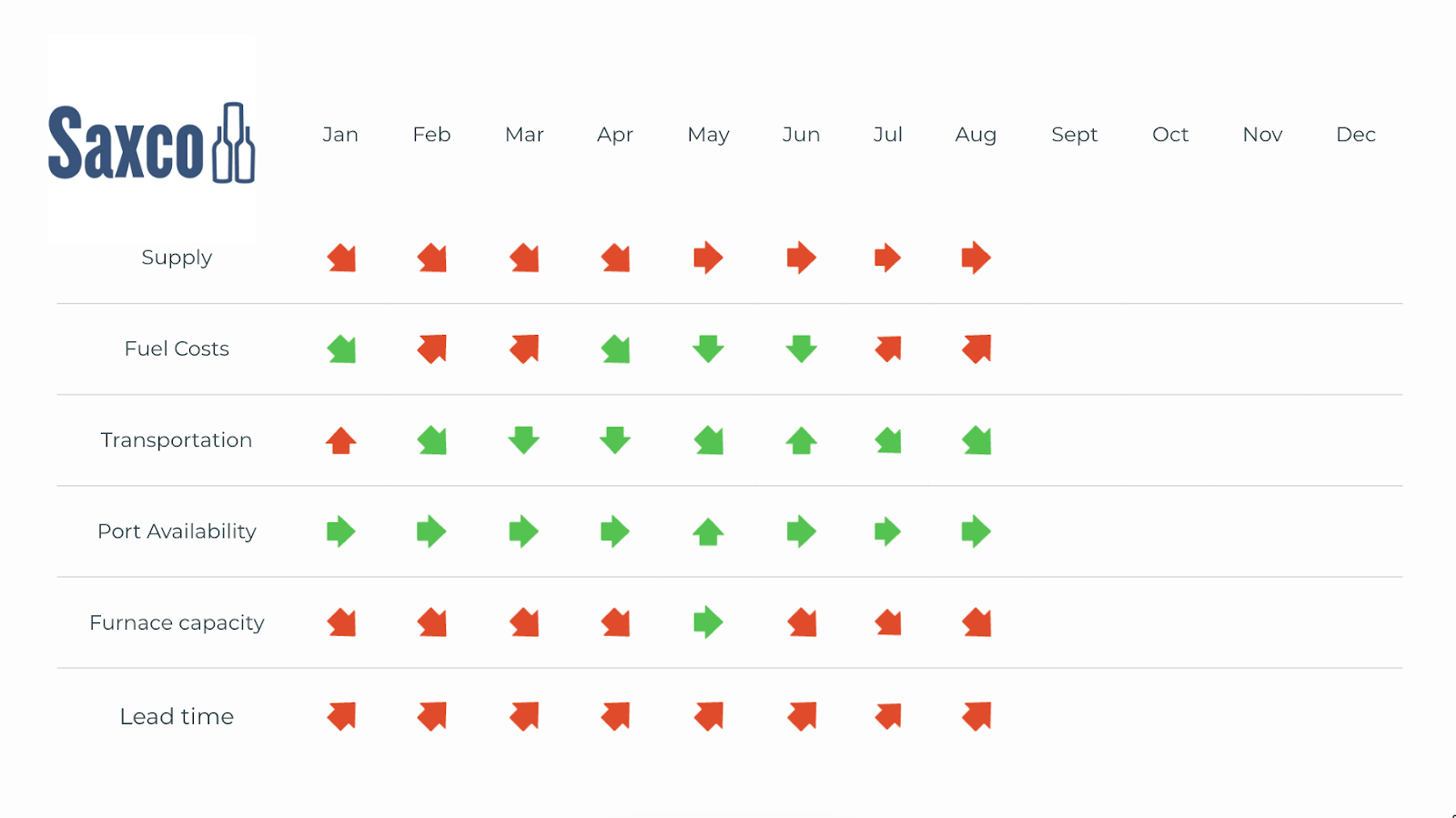
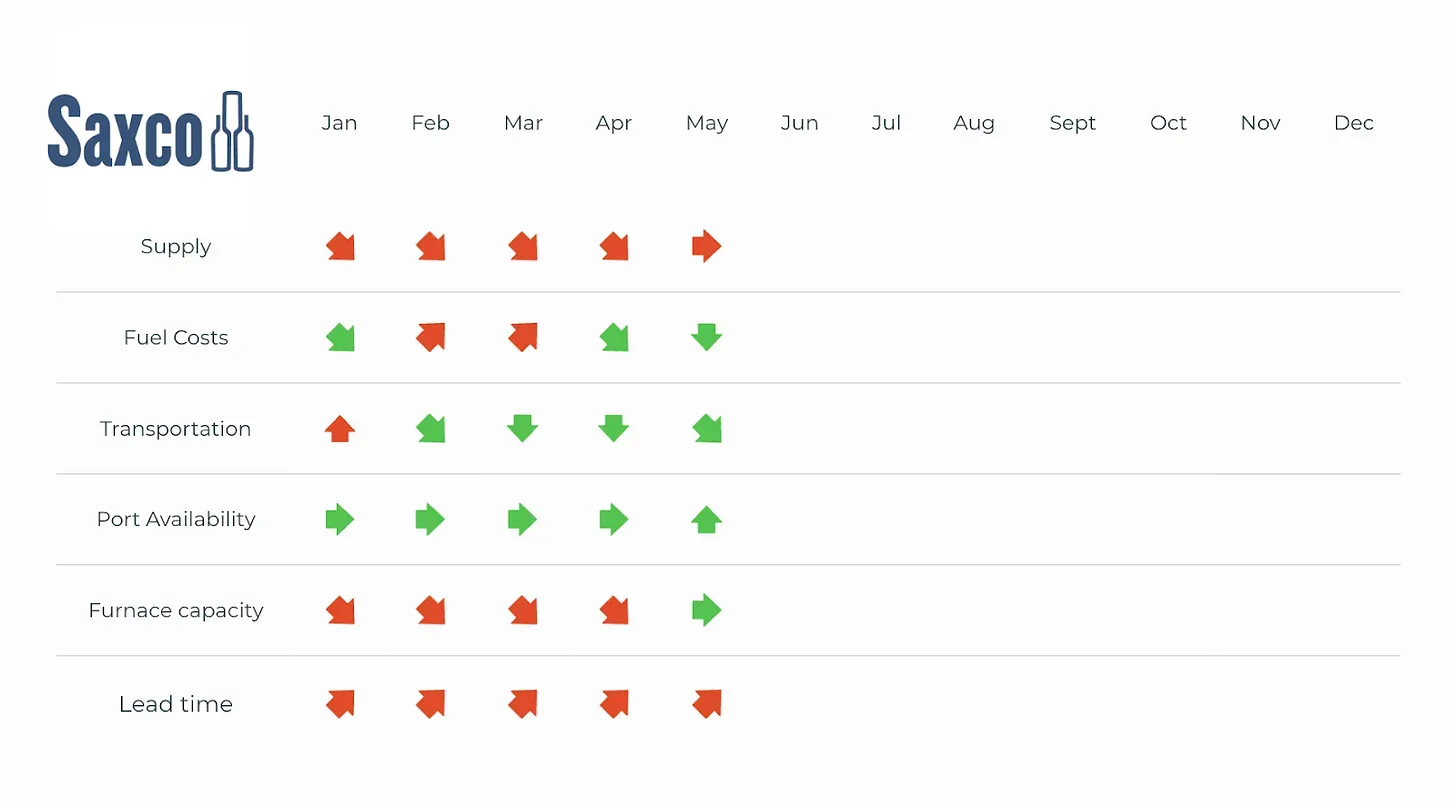
July's supply chain landscape feels deceptively calm, but the undercurrents are shifting. Fuel costs ticked upward again – $3.599 to $3.779 per gallon – putting quiet pressure on logistics, even as transportation costs eased with the surprising disappearance of peak season surcharges. That dip is a welcome but likely temporary reprieve. On the production side, capacity continues to tighten: OI’s Portland plant has officially closed, and two additional furnaces are scheduled to go offline, which continues to raise concerns about domestic supply heading into the back half of the year. Lead times have not budged from June’s elevated levels, but with fewer furnaces online, we are likely to see that stress compound by fall. Ports remain neutral, and overall supply feels steady – but for now, it is a still surface over increasingly strained infrastructure. Tariff watch: The rules are changing The new US tariff rates announced on July 31 mark a signifi
00
May 22, 2025
In recent years, US trade policy developments – including broad tariffs and anti-dumping/countervailing duties – have disrupted global supply chains and increased costs across multiple industries. The wine and spirits sector, in particular, continues to experience the ripple effects of trade tensions involving key packaging sources such as China, Mexico, and Canada, along with ongoing tariffs on aluminum and steel. On April 2, 2025, President Trump invoked emergency trade powers under the International Emergency Economic Powers Act (IEEPA), imposing a 10% “baseline” IEEPA tariff on most imported products from most countries, effective April 5. Higher tariff rates on imports from 57 countries were temporarily suspended for all but China, providing a 90-day reprieve. Meanwhile, China was subjected to 125% IEEPA reciprocal tariffs plus 20% IEEPA “fentanyl” tariffs, as well as any other applicable tariffs, such as the 25% China Section 301 tariffs initia
00