
Filter Post Type
NewsVideoProductEventLink
Sort:
Most Recent
1–10 of 45

April 3, 2026

Top Line Water is one of the most critical—and increasingly scrutinized—resources in modern winemaking. From cleaning tanks and floors to maintaining oak barrels, cellar operations can consume thousands of gallons daily. With rising sustainability expectations and operational costs, reducing water use is not just good for the environment, it is good for business. Water conservation is becoming an issue in modern winemaking. In the past, much of the conversation centered around vineyard irrigation. Today, one of the most overlooked areas of water consumption occurs in the cleaning and maintenance of barrels. Small efficiency improvements per barrel can translate into thousands of gallons saved per year in your operation. The Challenge Traditional oak barrels, while prized for the unique flavor addition and maturation with O2, also come with a significant sustainability issue: water usage. Cleaning and sanitizing an oak barrel typically require several high-impact water even
00
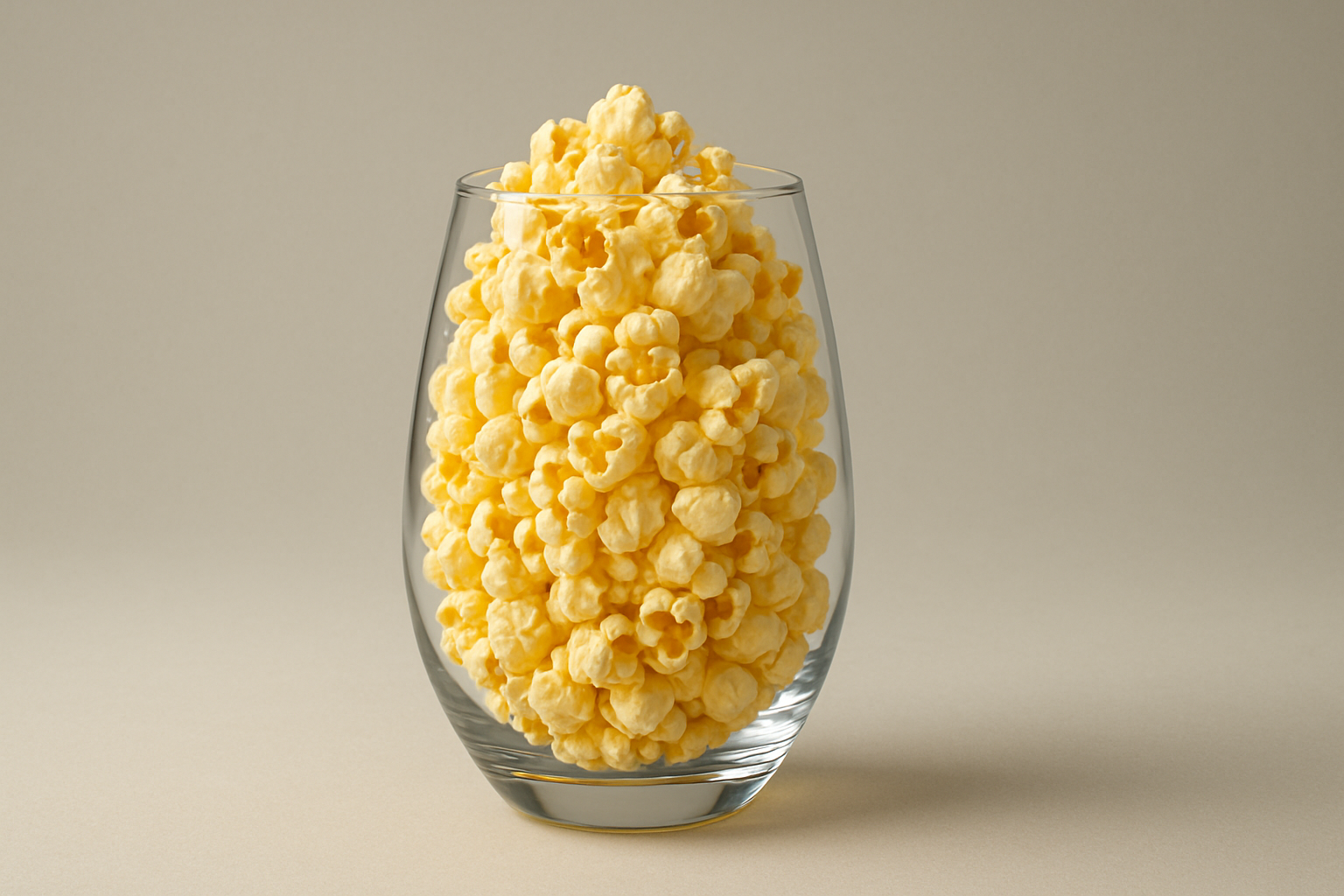
To Butter or Not to Butter... One notable byproduct of malolactic bacteria (other than lactic acid!) is diacetyl, a compound that imparts buttery or popcorn-like aromas. While some aim to promote this character in their wines, others may prefer to minimize it. Read on to learn more about winemaking decisions that influence diacetyl production. Tips for Managing Diacetyl Strain Selection Some ML strains like PN4™and BETA™ produce more diacetyl, while strains like VP41™, O-MEGA™, and ML PRIME™ produce less. Inoculation Timing Co-inoculation of yeast and bacteria minimizes diacetyl, since yeast consumes it as bacteria produce it. Lees Contact Yeast and bacteria in the lees aren't necessarily dead; they can remain alive for months. Lees contact allows for the consumption of diacetyl, decreasing the total amount in the wine. SO2 Management Adding SOâ‚‚ just after MLF protects diacetyl. SOâ‚‚ binds to diacetyl in a reversible reaction. Initiall
00
October 1, 2025
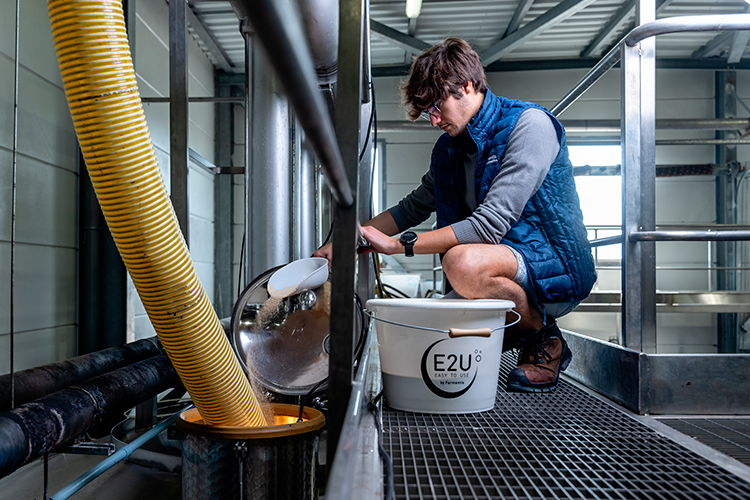
As a wine consumer, if you are looking for qualitative low-to-no-sulfite wines, you know it can be challenging. As a winemaker, if you are trying to craft wines with lower levels of sulfites, you know it is difficult to achieve. It requires a deep understanding of your processes, a solid knowledge of the science behind sulfites mechanisms of action, and continued efforts at all stages of your wine’s life cycle. The reasons why you are working on a low(er) SO2 winemaking program can be very diverse and multiple. You may be producing organic wines or simply trying to follow regulatory limits. You may be targeting to reduce the allergens in your wines or trying to use fewer chemicals in general. You may be worried about the negative effect that SO2 can have on your wines’ organoleptic qualities, or you are simply targeting to follow the overall health trend. In any case, Fermentis has solutions for you. As a global leader in the research and development of fermentation s
00

That creamy, buttery aroma you sometimes find in a bottle of Chardonnay or other wines is thanks largely to a compound called diacetyl. It's the star player released during malolactic fermentation (MLF), and whether a winemaker wants to emphasize or eliminate it is one of the biggest stylistic choices they make. Diacetyl is a temporary byproduct of the bacteria's metabolism. It is later reduced into less aromatic compounds, which is why winemakers have to move fast to capture the flavor at its peak. To get a wonderfully buttery wine, the goal is simple: make a lot of diacetyl and then immediately halt its degradation. Here are the key strategies winemakers use to ramp up diacetyl production and keep that creamy character in the bottle: Timing is Everything: Inoculate after alcoholic fermentation.Wait until the main alcoholic fermentation is finished or almost finished before adding the bacteria. Why? The yeast that did the primary fermentation and the bacteria themselves are ve
00

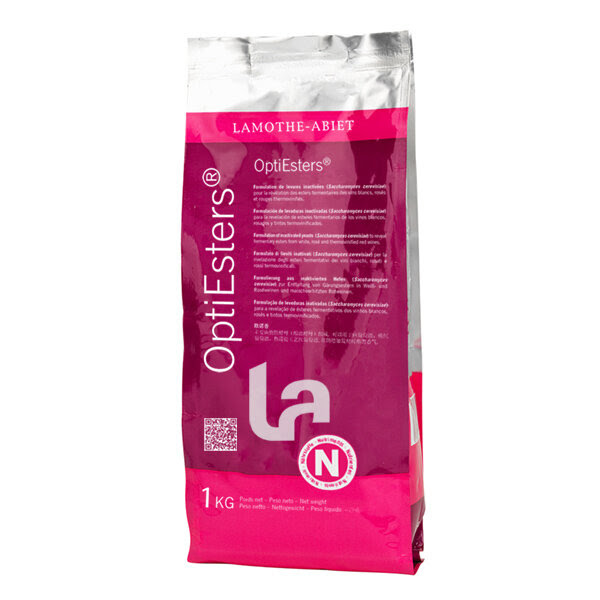
Unlock the Full Aromatic Potential of Your Wines Aromatics are at the heart of a wine’s identity, whether you are aiming for fresh, fruity whites, complex, expressive rosés or a fruit-driven red wines. At each stage of the winemaking process, you have the opportunity to shape and elevate your wine’s aromatic profile. Our targeted range of products offers you a complete toolbox to guide and enhance expression, from grape to bottle. 1) Enhance Precursors – Set the Stage for Aroma Development OptiEsters OptiEster® boosts the formation of fruity and floral fermentative esters by providing key precursors for higher alcohol acetates and fatty acid ethyl esters. Dosage: 20–40 g/hL Use: Early fermentation – Enhances fruitiness, lifts aromatics, refreshes overripe grapes, and helps mask smoke taint and vegetal notes. OptiThiols OptiThiols® is a formulation of inactivated yeasts rich in reducing compounds that protects against oxidatio
00
June 23, 2025
For centuries, sulfur dioxide (SOâ‚‚) has been the trusted guardian of wine for preserving freshness, preventing oxidation, and controlling microbial populations. But with changing consumer preferences, evolving regulations, and advancements in enological science, many winemakers are rethinking their reliance on traditional SOâ‚‚ regimes. At ATPGroup, we recognize that while SOâ‚‚ remains a powerful tool, it’s no longer the only one. For winemakers looking to reduce or eliminate sulfur additions, a range of solutions is available that support microbial stability, freshness, and shelf life without compromising quality. Why Reduce SOâ‚‚? There are several reasons winemakers may choose to reduce sulfur use: Consumer demand: Increasing numbers of wine consumers are seeking "low-intervention" or "low-sulfite" wines due to perceived health concerns or personal sensitivities. Labeling requirements: In many markets, wine
00
June 5, 2025
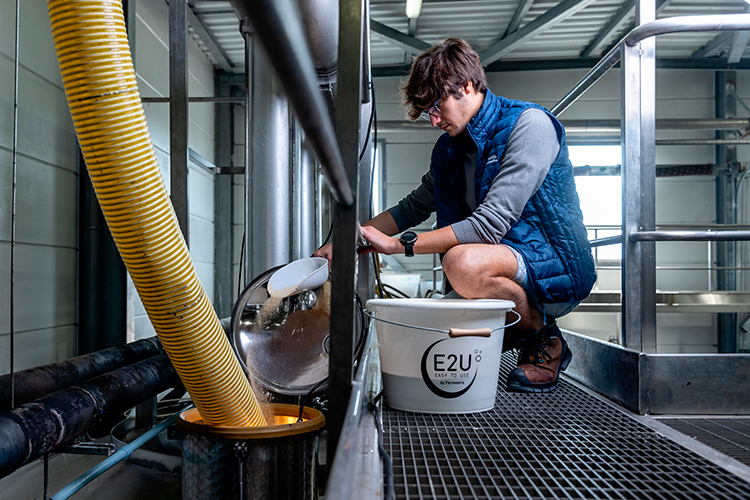
Lowering SO2 in Your Wine is Getting Easier With this New Bioprotection Solution As a wine consumer, if you are looking for qualitative low-to-no-sulfite wines, you know it can be challenging. As a winemaker, if you are trying to craft wines with lower levels of sulfites, you know it is difficult to achieve. It requires a deep understanding of your processes, a solid knowledge of the science behind sulfites mechanisms of action, and continued efforts at all stages of your wine’s life cycle. The reasons why you are working on a low(er) SO2 winemaking program can be very diverse and multiple. You may be producing organic wines or simply trying to follow regulatory limits. You may be targeting to reduce the allergens in your wines or trying to use fewer chemicals in general. You may be worried about the negative effect that SO2 can have on your wines’ organoleptic qualities, or you are simply targeting to follow the overall health trend. In any case, Fermentis has solu
00


May 2025 Marketplace Roundup Custom Sparkling Shiners from Rack & Riddle — Available Now! Rack & Riddle offers sparkling wine shiners—tirage bottled and aged sur lees from 6 months up to 3 years—ready now and prepared for custom finishing. This pre-aged, pre-stocked wine is ready to move. Simply select your AVA and wine style, and Rack & Riddle handles the riddling, disgorging, and finishing for you. Choose from Brut, Low Alcohol Brut, Rosé, Blanc de Noirs, or Blanc de Blancs, with AVAs including California, Sonoma Coast, Napa Valley, Russian River, North Coast, and Central Coast. Available in 750ML, 375ML, and select 1.5L formats, these ready-to-label wines offer a fast, flexible way to bring premium sparkle to your brand. View Listing Explore by Category Grapes Bulk Wine Shiners Production Vineyard Real Estate Services Grapes Cabernet Sauvignon - Robert Young Chardonnay - Robert Young Sonoma Coast Pinot Noir (828) - Gloria Ferrer Need Grap
00
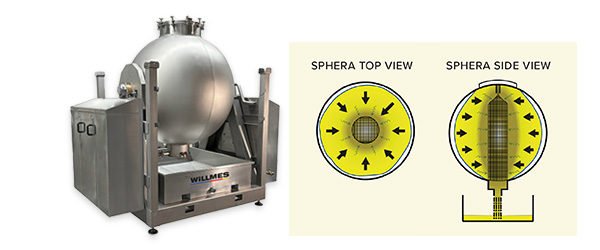
Willmes Sphera: Membrane Pressing meets Basket Pressing Sphera is a round press with no corners or edges, designed for gentle pressing of small lots with minimal need for rocking or rotating. The patented 360-degree membrane inflates equally from all directions, resulting in higher yields at lower pressures and 70% less lees than traditional basket presses. LEARN MORE Large Filling Door A two-foot filling door allows for quick filling via hopper or conveyor. Sphera does not need to be rotated or rocked to make room for additional fruit. Dual Purpose Juice Tray and Emptying Bin The juice tray also functions as an emptying bin and can be removed directly from the press via forklift. Single Juice Outlet The Sphera has a single juice outlet, allowing minimal oxygen ingress during the pressing cycle. The juice valve can be closed for skin contact and maceration. Easy to Clean The unique shape means there are no dead spots inside the press, and the clean-in-place (CIP) system makes cl
00

January 16, 2025
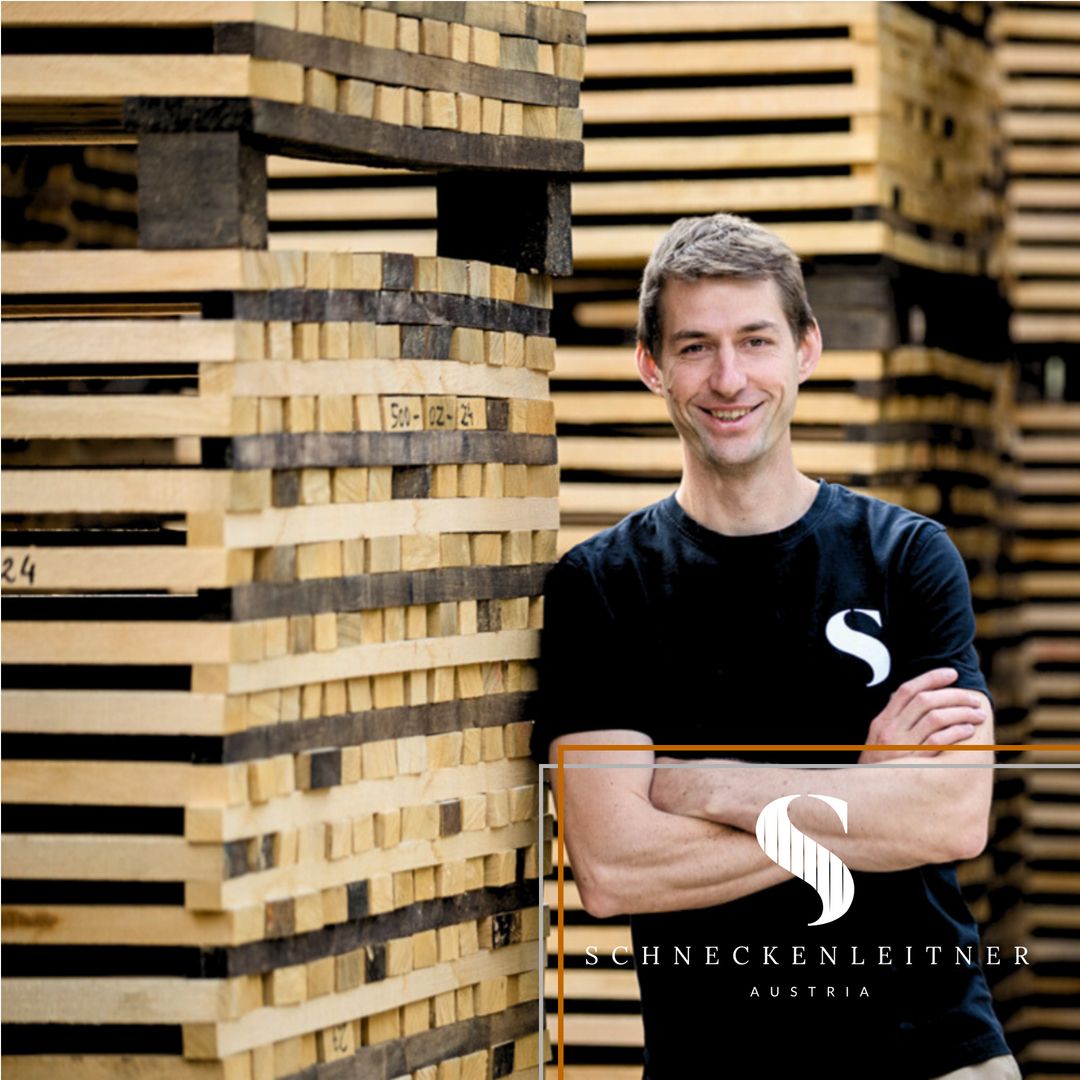
Since 2019, Bouchard Cooperages has proudly represented Schneckenleitner, Austria’s premier producer of large-format oak puncheons, casks, and tanks, in North America. Family-owned and operated since 1880 in Waidhofen an der Ybbs, Schneckenleitner produces over 180 large-format oak tanks annually for the world’s most prestigious cellars. 🍇✨ Vertically Integrated Stave Mill From forest to cooperage, Schneckenleitner controls every step. Logs are hand-selected from Austria’s tight-grain Weidling forest and seasoned on-site along the Ybbs River, benefiting from a unique microclimate for optimal oak seasoning. New Product Offerings Puncheons (500L–800L): Available in Austrian Oak Elegance (AOE) for whites and light reds, and Austrian Oak Complex (AOC) for richer whites and darker reds. Expect delicate spice and impeccable craftsmanship. Ovals (10 HL+): A cellar space-maximizing favorite, perfect for fermenting and aging whites with less lees-to-juice contact. Roun
00