
Filter Post Type
NewsVideoProductEventLink
Sort:
Most Recent
1–10 of 80
Traditional demand for wine has softened, buyers are pickier, and “default growth” is basically gone. Meanwhile, the consumer mindset has changed dramatically—wellness, moderation, and “I want to drink less but still drink well” is becoming the new normal. That combo is tough on the old playbook. But it’s also a huge opening for brands that are willing to pivot with intention (not panic). At BevZero, we see this moment as a reset: a chance to meet people where they are now—and build a portfolio that survives the slump and comes out stronger on the other side with non-alcoholic products. What’s Driving the Slump A few things are happening at once: Wellness is influencing purchase decisions more than ever. People aren’t necessarily “anti-wine”, they’re just more mindful about alcohol consumption. Curiosity has matured into expectation. Today’s no/low-alc shopper isn’t experimenting anymore, they ex
00

February 24, 2026

The word “brand” is notoriously difficult to define in marketing. If we were talking about a ranch brand—the kind seared onto livestock to signify ownership—that’s easy to understand. But in marketing, a brand is not a physical thing. It’s a symbolic construct. It’s not the label on the bottle or the winery’s logo or even the product itself. Rather, it’s the entire perception a consumer holds in their mind about your company, your wine, your people, and everything you collectively represent. A brand is a conceptual identity that differentiates you from your competitors. It can be shaped by your name, your origin story, the design of your label, the personalities involved in your winery, your tasting room experience, your packaging, your email tone, your partnerships, or even how you respond to a customer complaint. All these elements come together to form the intangible yet powerful idea of your brand. It is, quite literally, eve
00
January 26, 2026

The New Year has often been seen as a marketing reset. New goals, new mindsets, new opportunities. However, by the time Q1 arrives, many brands still rely on superficial “New Year, New You” messages that no longer match how consumers actually behave in January, February, and March. In 2026, the opportunity isn’t to shout louder about resolutions—it’s to align your brand with how people are realistically thinking, spending, and socializing in the first quarter. According to multiple consumer studies, roughly 80% of New Year’s resolutions fade by mid-February, yet spending habits, social rituals, and emotional priorities continue well beyond January. That gap is where smart marketing lives. For wine brands, Q1 isn’t about reinventing but staying relevant. The most effective early-year messaging connects with consumers by addressing their desire for connection, value, simplicity, and meaningful experiences that don’t feel indulgent or e
00
October 21, 2025

A WINERY GUIDE TO AVAILABLE RESEARCH You know what’s better than spending ten grand on a focus group where Jan from accounting tells you your wine label “feels aggressive”? Doing your homework first. And no, we don’t mean journaling your feelings over a glass of Pinot. We mean secondary research—the overlooked, underloved MVP of marketing insight. While everyone else is out there reinventing the wheel with a clipboard and a budget they don’t actually have, smart marketers are quietly unlocking industry goldmines using data that’s already been collected. It’s like discovering your neighbor’s Wi-Fi is open and they happen to stream all the same shows you like—only more legal. Let’s break down this not-so-secret weapon. THE BOUGIE STUFF: COMMERCIAL SUBSCRIPTION DATA If you’ve got champagne dreams and a caviar budget, welcome to the gated community of NielsenIQ, IRI, Forrester, and Gartner. These firms offer beautif
00
October 7, 2025

Your Current Marketing Won't Work for Younger Wine Drinkers The generational shift in wine consumption is happening faster than most wineries are prepared to handle. According to Wine Intelligence's US Wine Consumer Trends 2025 report, millennials will surpass baby boomers as the largest wine-consuming demographic by value this year. Meanwhile, the oldest members of Gen Z (born 1997-2012) are now turning 28 and developing their own distinctive wine preferences. The problem? Most wineries continue marketing as if their primary audience is still over 55. The messaging, channels, and tactics that worked for boomers actively repel younger buyers. Let's examine what actually works when marketing to these crucial demographics. What Younger Wine Consumers Actually Want Millennial Wine Drinkers (Ages 29-44) Millennials approach wine fundamentally differently than their parents: What They Value: Transparency about production methods and ingredients Sustainable and ethical busines
00

August 6, 2025

Afternoon Brief: Lyle Wineries Assess Damage from Burdoin Fire, Start to Reopen
Just over two and a half weeks after the Burdoin fire burned through the Lyle/Bingen area of the Columbia River Gorge, local wineries are still assessing the extent of damage and, in some cases, starting to reopen...
J RoboticsBarbara WerleyPeregrine HospitalityHorton VineyardsNaples Winter Wine FestivalCorksyJoe NielsenRam’s Gate WineryRob SymingtonBerry Bros. & RuddChris TarantoLibbie AgranJustin LewisRiboli Family WinesInnoVintVintraceWiseConnRose Hill VineyardsLo Secco ProseccoCarter CreekSouth Coast Wineries
00
May 20, 2025

In the ever-evolving world of wine, tasting rooms have long been sacred spaces for sampling vintages and educating consumers about winemaking. But recently, the definition of what belongs in a tasting room has expanded beyond the conventional pour. Enter the world of alternative beverages—non-alcoholic wines, wine-based cocktails like Frosé, and low-alcohol spritzers. These trends are carving out significant space, appealing to younger generations, health-conscious consumers, and a broader range of visitors. The rise of alternative beverages in tasting rooms isn’t just a fleeting fad—it’s a response to shifting consumer preferences and lifestyle trends. The adaptability of tasting rooms to these new offerings is a testament to the industry’s resilience. The question now isn’t whether tasting rooms should adapt, but how they can complement the core identity of wine while capturing the attention of a broader audience. Changing Consumer Preferen
00
Event Type: Webinar
Location: Online
Date: 1/23/2025
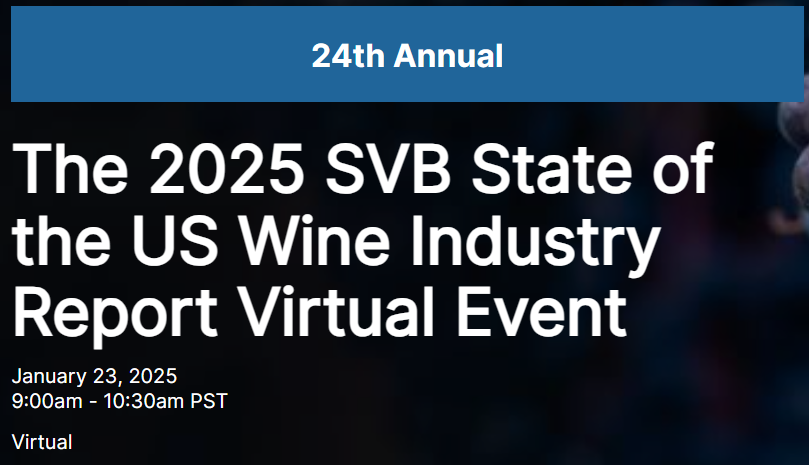
With the continuing decline of key metrics, the question most have is, “How long will this current market last?” We'll tackle that question with a panel of industry experts and present findings from the SVB State of the US Wine Industry survey that can help guide vintners and growers through the current down cycle. Please join us on Thursday, January 23, for a live, virtual event to review findings from our 2025 State of the US Wine Industry Report. Our panel of industry leaders will share their thoughts on the surprising drivers of this stubborn downturn and discuss paths that may lead to a healthier, more resilient industry. This year’s session will include the following topics: What can we apply from past supply imbalances? Which consumer segments have the most potential? When will declining wine sales bottom? Understanding the state of the production chain Successful approaches to new segments Register here. Speakers: Rob McMillan – EVP & Founder, S
00

WHY WEBSITE UPDATES ARE IMPORTANT (AND HOW TO KNOW IF YOU NEED ONE) I can feel your eye-rolls and hear your inner voice about this topic. You already have a website. It works fine. You spent good money to develop it two, three, maybe four years ago. Why do you need to worry about it when so many other priorities are vying for attention and budget? YOU WILL NEVER BE CURRENT The only constant thing about technology is that it is constantly changing – and at a frightening pace. Would it surprise you to know that since 2010, new technology and data have increased so fast that it is estimated that 90% of the world’s data – like, since forever – was generated in the last two years alone? When new operating systems are released, they push new hardware to be created (or vice versa), which then mandates software has to be updated, which then requires all the plug-ins and ancillary functions and code must be updated. This all ultimately feeds an environment in which we a
00

Afternoon Brief, March 5th
More Bad News: SipSource Report Pulls No Punches: 2023 numbers tell a story of wine's continuing decline and provide little hope for a quick turnaround...
SipSourceNational Association of Wine RetailersWine Growers Nova ScotiaAvondale Sky WineryFairest Creature WinePaso Robles Wine Country AllianceAg Health Benefits AllianceConnect the Dots CollectiveSmith-Madrone WineCGANielsenIQAustrian WineLodi WineVinepairWine Origins AlliancePlumpJack GroupUniversal Compressed AirVICARD GroupVerallia USAWISEGaja WineryWhitehall Lane WineryLuigi BoscaSerres Ranch WinePremiere Napa Valley
00