
Filter Post Type
NewsVideoProductEventLink
Sort:
Most Recent
1–10 of 49
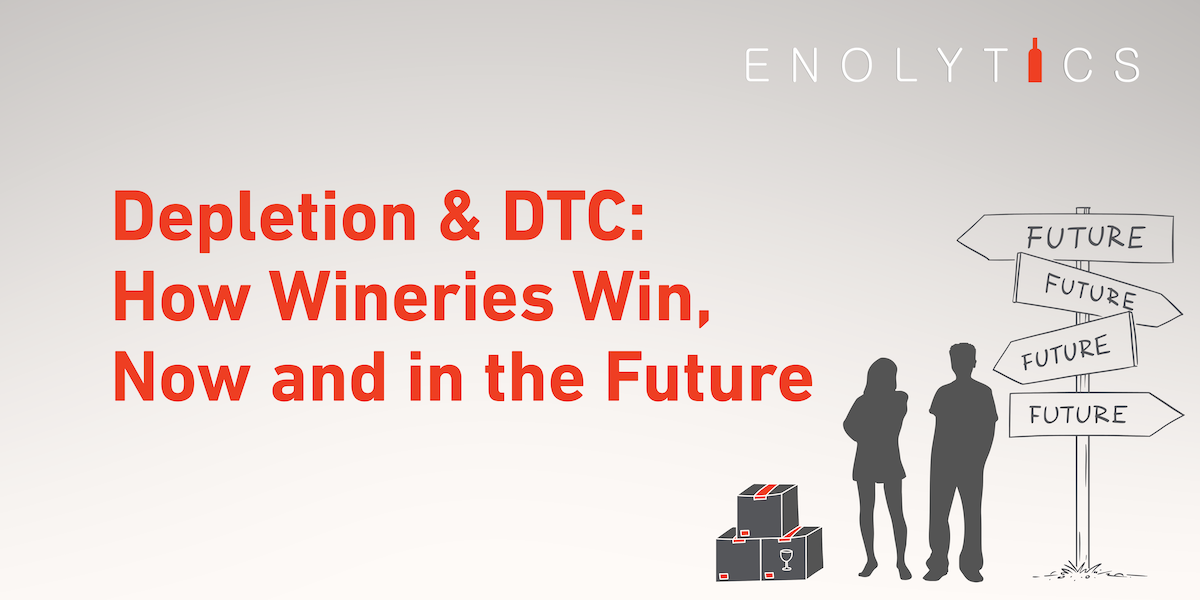
The future of wine looks different than many wineries see it today. Maybe, like many wineries today, your winery sees your DTC business in a separate silo than your wholesale business. There are lots of historical reasons why that’s true. But what’s worked in the past for some businesses isn’t what’s working now for most. And it isn’t what’s going to work in the future. We believe that the future of wine will belong to the brands that break down the silos, and bridge the tiers. That's the strength and the money shot of Enolytics' ability to combine winery DTC data with distributor depletion data. Wineries who win, now and in the future, are taking advantage of this combination that breaks down the silos and bridges the tiers. "The possibilities are just wild," said Scott Reed, Director of National and International Sales at Round Pond Estate in the Napa Valley. "It's incredible to see a specific area where we have a clust
00
September 17, 2025

The U.S. alcohol distribution landscape is undergoing a major shift. As consolidation among national distributors accelerates and competition intensifies, more and more suppliers—from emerging craft distillers to global wine houses—are reevaluating the traditional “one national distributor” approach. A growing number are embracing a flexible, localized distribution model and leveraging the strengths of the best distributor in each market, rather than relying on a single nationwide partner. The Traditional Approach: National Contracts Historically, many suppliers viewed national distribution contracts as the gold standard. Aligning with one of the big wholesalers provided perceived benefits: National coverage Simplified logistics Centralized communication For large, high-volume brands with mainstream appeal, this model often worked. But it came with tradeoffs: limited flexibility, slower decision-making, and the risk of being deprioritized within massive portfoli
00
July 9, 2025

Wine distribution in California just got a whole lot smarter. At LibDib, we’ve always believed that modern wineries deserve modern solutions. That’s why we’re excited to roll out a new Hybrid Distribution Model—built specifically for today’s wine brands that want flexibility, transparency, and full control over their path to market. This isn’t your typical one-size-fits-all distribution model. It’s à la carte distribution designed for how wineries operate now—and how they want to grow. What Is Hybrid Distribution? LibDib’s Hybrid Model blends the best of full-service distribution with the freedom to manage your own sales. That means: You control the relationships with your accounts (or bring your own rep!) LibDib handles all three-tier compliance, invoicing, payments, and reporting Access to warehousing, delivery, and merchandising only if and when you need it Live sales tracking, buyer insights, and inventory visibility v
00
June 5, 2025

As we all know, the alcohol industry is changing—and fast. Whether you’re a supplier, buyer, or distributor, it’s impossible to ignore the major shifts taking place across all tiers. The traditional three-tier system, while still intact, is being redefined by innovation, consolidation, and the growing need for flexibility. For suppliers especially, it’s becoming clear that the traditional distributor route-to-market doesn’t work for everyone anymore. One of the most significant signals of this evolution? Major supplier players are forging their own paths and rethinking distribution. With moves like that, it’s not just a trend—it’s a transformation. Changes in California? That’s where LibDib comes in LibDib was built for this. We empower suppliers (Makers as we call them) to manage their own buyer relationships while we handle everything else: logistics, compliance, delivery, and even data access. With warehouses across the stat
00
May 19, 2025
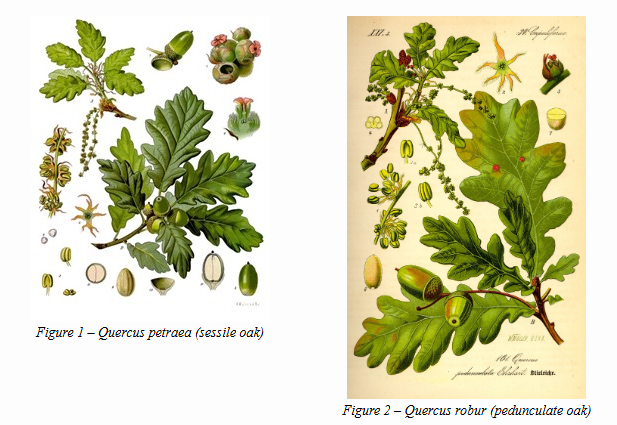
Introduction Coopers have long recognized the importance of forest origin in shaping the sensory qualities of wine, yet relatively little research has been conducted to understand the underlying factors driving these effects. With access to oak sourced directly from several prestigious and historically significant French forests through our company-owned stave mill in northeastern France, we saw a unique opportunity to investigate how forest terroir contributes to wine expression. This study was conducted for our TW Boswell brand of French oak barrels and aimed to evaluate whether specific forest origins impart distinct chemical and sensory characteristics to wine. We selected three single-origin forests – Allier, Tronçais, and Nièvre and a blend composed of Bertranges, Bercé, and Russy – to compare the influence of each on wine aged in barrels crafted with TW Boswell’s proprietary toasting profiles. Our goal was to better understand the role of f
00
May 12, 2025

Wine and Spirits Makers Have Access to 75% of US Market May 12, 2025 – LibDib, the leading digital alcohol distribution platform, in partnership with Republic National Distributing Company (RNDC), proudly announces the expansion of RNDC On Demand to six new markets: Florida, Virginia (wine only), Washington D.C., Maryland, Colorado, Illinois, and South Carolina. This strategic rollout provides wine and spirits producers—from emerging brands to established suppliers—with more choices to access key markets through a flexible, tech-enabled distribution model. “Suppliers deserve options, and RNDC On Demand provides flexibility and control,” said Dean Parker, Director of the On Demand program for LibDib and RNDC. “Together, we’re expanding a modern path to market that empowers suppliers to grow at their own pace, backed by RNDC’s logistics and service excellence.” Powered by LibDib’s proven digita
00


It’s hard, in any business, to choose strategies that promote long term growth and longevity while struggling to keep the lights on and make payroll every month. Under thinly veiled panic, we have a tendency to push our sales teams to treat our buyers as means to an end when cash is tight. Overvaluing vanity metrics like off-premise accounts sold, we scrounge for quick, small wins and placements that result in high churn and ultimately lead us right back to square one. While we may accept – somewhere in the distant, tightly compartmentalized, “rational part” of our brain – that not all accounts are equal and that the vast majority of volume is driven by the top ten or twenty percent of our customers, we go on behaving this way nonetheless, because action feels better than a sales cycle rivaling the Great Wall of China lengthwise. The good news for wineries & distilleries willing to be more strategic with their sales resources is
00
Depending on your wine or spirits brand, the cocktail of channels you depend upon to drive volume in 2025 may look different than it did five years ago. You might lean more heavily upon E-Premise and Direct to Consumer sales. Still, nothing moves cases like a placement in strategic national accounts, regional chains, and high-volume independents in the right markets. The natural consequence of devoting more attention to emerging channels is less time to devote to traditional 3-tier sales strategy without investing in more resources. Under these constraints, it’s more important than ever to focus your team’s efforts in the market with a well-researched, highly-targeted plan of attack. A crucial roadmap resulting from this research is a Key Account Target (KAT) list. By selecting the accounts capable of driving the most volume for your brand and focusing your sales team’s time and efforts — to the neglect of the rest of your available account universe &mda
00
December 17, 2024

Keeping up with industry news and trends is one of the most underrated disciplines in beverage alcohol. It’s a frightening habit, admittedly — slowing down long enough to read or at least skim several articles every day when the return on investment takes months or years to materialize. When sales are down, it’s human nature to scrounge for the fastest wins available. In our desperation to keep the lights on, we abandon most eagerly the very practices that would lead to longevity and profitability for our business. The inconvenient timing of these insights — namely, that the best articles and industry reports tend to circulate precisely when everyone has checked out for the holidays —only intensifies the competitive advantage up for grabs by those who are paying attention. An up-to-date understanding of consumer preferences and behavior can inform our production, focus our messaging, and align sales & marketing so that everything from tasting ro
00
September 24, 2024
Combining the 80/20 rule with key data points from various online sources, wine and spirits brands can identify high-traffic accounts representing the best wine and spirits sales opportunities. Trust the data to guide your sales strategy! There is a perfect correlation between a restaurant or retailer's foot traffic and the amount of wine/spirits it purchases. Thanks to the internet, plenty of data can be mined to pursue the key accounts to target in any market. Creating a key account target list should not be done “intuitively” or by asking around. By focusing on concrete, empirical data, anyone can identify the richest accounts. This is a fish-where-the-fish-are strategy; the data will tell you exactly where to fish. Understanding the 80/20 Rule in Sales Also known as the Pareto Principle, the 80/20 Rule states that 20% of the accounts will drive 80% of the sales. For this to work correctly, one must focus on the potential an account holds. The
00