
Filter Post Type
NewsVideoProductEventLink
Sort:
Most Recent
1–10 of 52

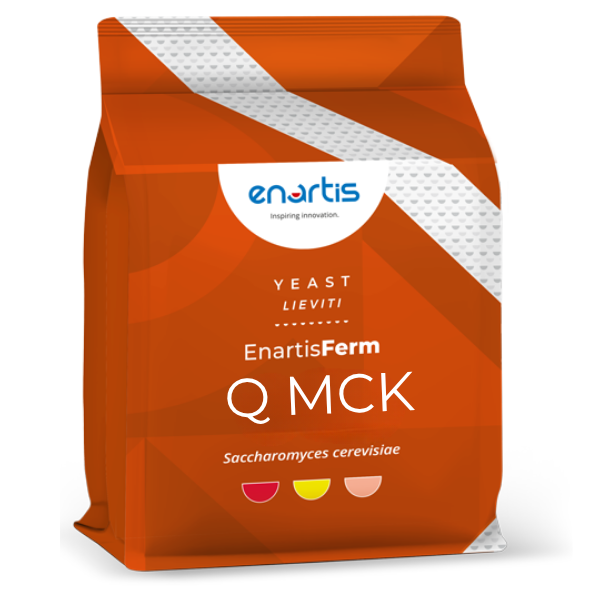
EnartisFerm Q MCK is a non-saccharomyces yeast (Metschnikowia pulcherrima) that was specially selected by the Centre of Excellence for Research in Microbiology (CERM) for its strong antimicrobial properties. CERM, established in 2024, specializes in research and development in the field of enological biotechnology. Its mission is to provide winemakers with reliable tools to improve their production processes through a tailored, scientific approach. EnartisFerm Q MCK is a natural alternative to SO2, and helps prevent quality loss caused by contaminating microbes and preserves aromatics. A non-fermentative yeast, its ability to quickly proliferate in juice and must even at cold temperatures makes it the ideal strain for bioprotection during pre-fermentation processing. Learn more about EnartisFerm Q MCK here! Questions? Contact your local technical sales representative or call (707) 838-6312.
00

Bottling is where everything comes together, and where small sanitation gaps can have the biggest consequences. Even clean, stable wines can run into trouble if bottling lines aren’t properly cleaned and sanitized. Think about critical areas: complex filler components, hard-to-reach valves and gaskets, and inconsistent CIP coverage. In the presence of microbes, these factors all contribute to an environment prone to contamination. The risk? Spoilage organisms, refermentation, off-aromas, and reduced shelf life; all introduced at the point where there’s no opportunity to correct course. From there, the impact can escalate quickly, leading to rework, dumped wine, packaging holds, and ultimately, brand damage. The good news is that these challenges are manageable with the right approach. But bottling line sanitation isn’t one-size-fits-all. It requires the right chemistry, well-designed protocols, and a clear understanding of your specific equipment and wines. A strong program starts with
00

Adjust pH Naturally and Precisely with Oenodia STARS® Technology Traditional pH adjustment tools like tartaric acid and potassium carbonate often lack precision and can alter wine flavor, especially after fermentation. Oenodia’s STARS electrodialysis process is a smarter way to fine-tune pH, enhancing flavor, color, and SO₂ performance. Learn More Why Adjust Acidity? STABILITY ENHANCE SO₂ EFFECTIVENESS Sulfur dioxide is most effective within a specific pH range to protect wine from microbes and oxidation. When pH>3.65, its effectiveness drops, requiring higher free SO₂ levels. Lowering pH helps maintain wine stability with less intervention. SENSORY ADJUST FLAVOR AND COLOR pH plays a key role in a wine’s sensory profile and visual appeal. A lower pH can sharpen flavor balance, reduce flabbiness, and enhance freshness. pH also influences color, especially in reds and rosés. pH adjustment is a natural way to shift color. FLEXIBL
00

October 22, 2025
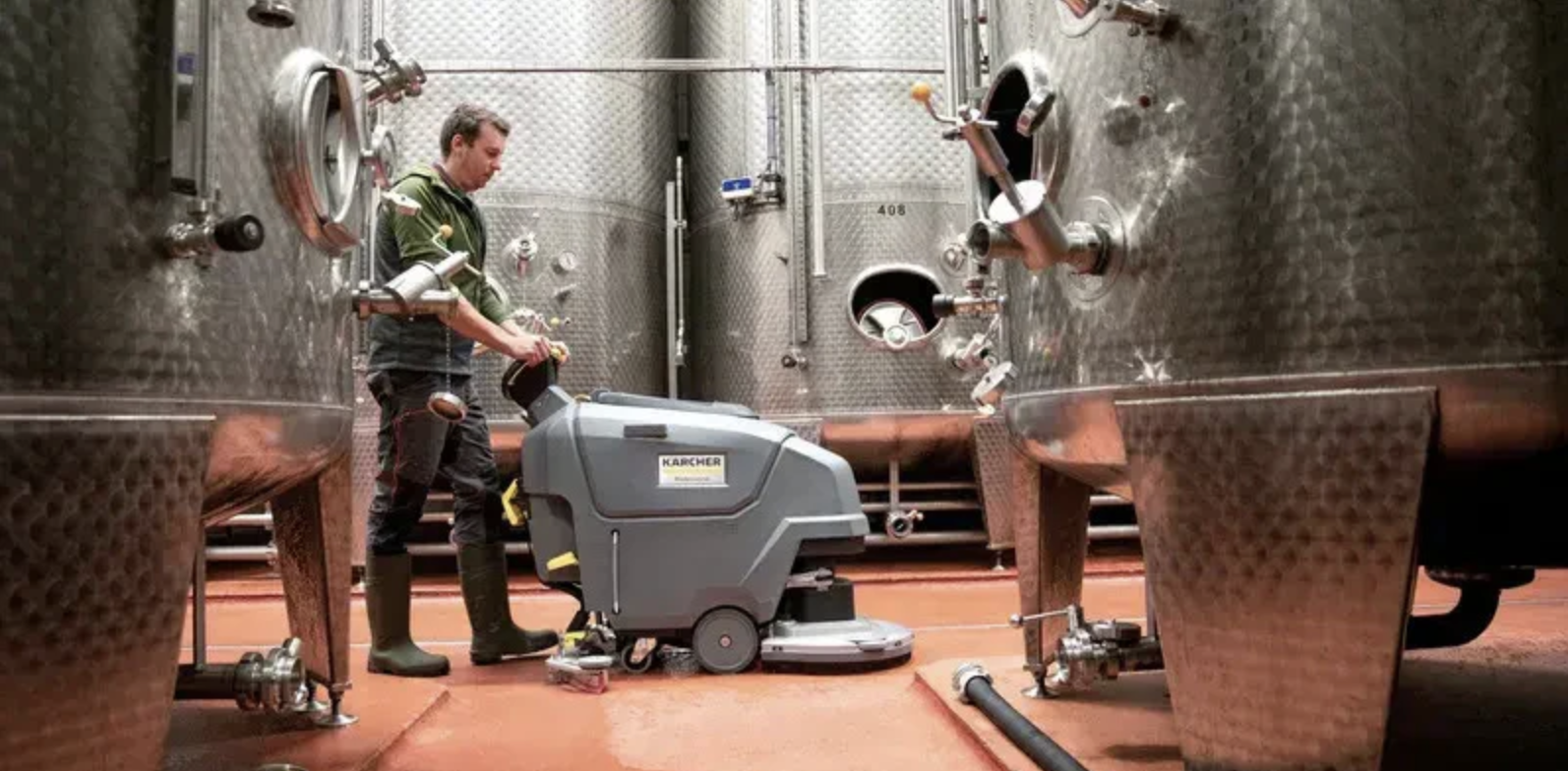
Using a floor scrubber in a wine cellar is important for maintaining hygiene, preventing contamination, and protecting your investment. Traditional cleaning methods like mopping can spread microorganisms that thrive in the cellar's humid environment, potentially spoiling the wine. Superior Hygiene and Contamination Prevention Remove mold and bacteria: Wine cellars are dark and humid environments, which are perfect breeding grounds for mold and bacteria. A floor scrubber thoroughly cleans and disinfects surfaces, removing the organic residues (like spilled wine or grape solids) that microorganisms feed on. Prevent off-flavors: Contamination from floor microbes can be aerosolized during cleaning or dragged into contact with equipment and barrels. This can introduce unwanted flavors into the wine, compromising its quality and taste. Clean porous surfaces: While seamless polymer floors are ideal, many cellars have concrete floors, which are porous and can harbor contamina
00
Every winemaker knows that fermentation is a delicate dance between art and science. Behind every great wine lies a thriving microbial ecosystem—some organisms we invite, others we need to keep far away. Mastering that balance is what separates clean, stable wines from those plagued by faults, spoilage, or inconsistency. Fermentation: Harnessing the Right Microbes During alcoholic fermentation, controlling microbial populations ensures your chosen yeast strain dominates the process. This helps achieve a complete and predictable transformation of sugars into alcohol and COâ‚‚ without unwanted by-products that can dull aroma or flavor. In malolactic fermentation, Oenococcus oeni converts malic acid to the softer lactic acid, reducing sharpness and enhancing mouthfeel. But MLF is also a vulnerable moment: the wine’s natural defenses are low, and spoilage microbes can easily gain ground. When MLF isn’t desired, those bacteria must be inhibited completely to protect the wi
00
September 29, 2025
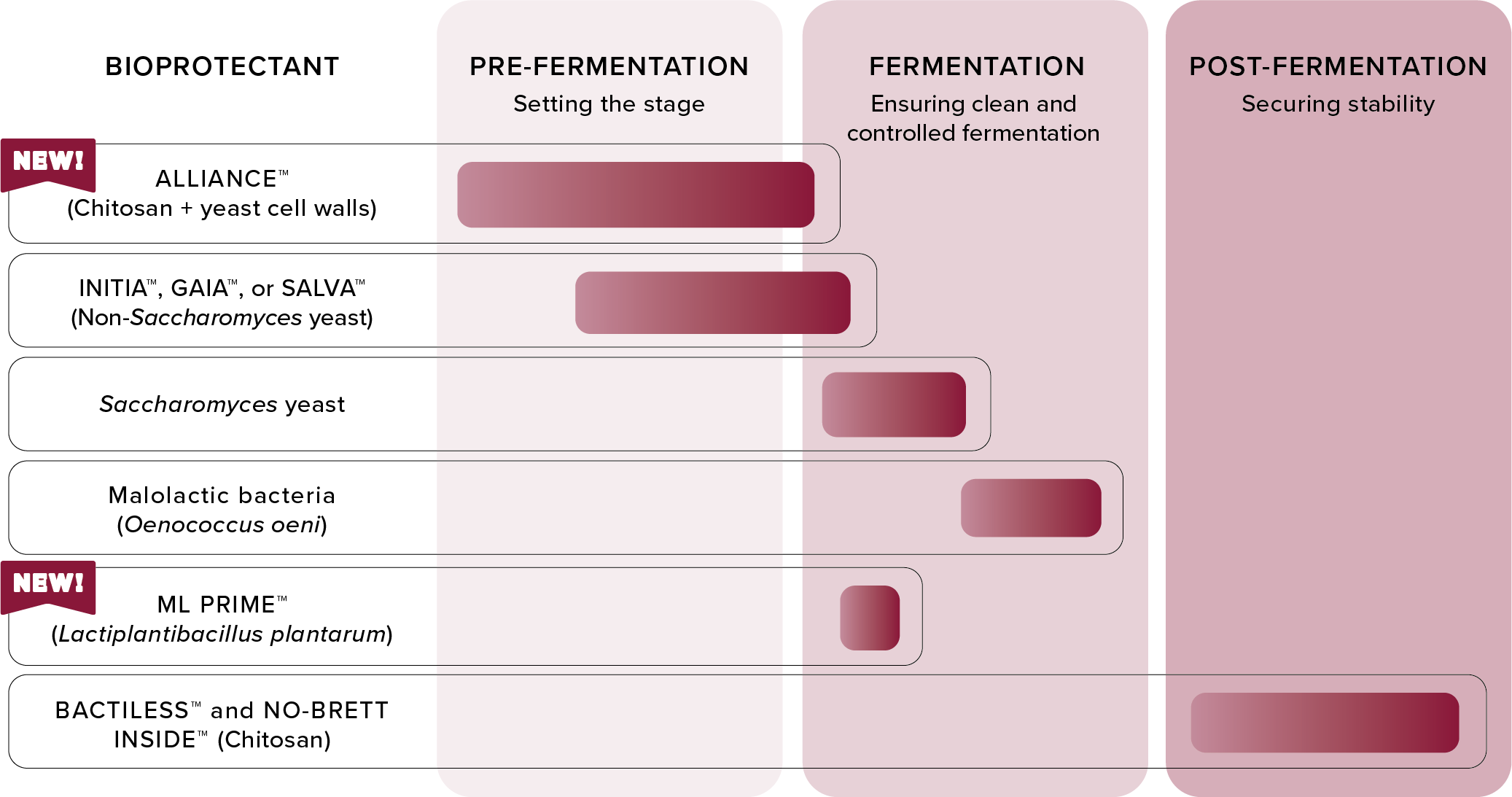
Pre-fermentation bioprotection tools can help control unwanted yeast and bacteria, limiting off-odors and flavors, and setting the stage for a clean fermentation. With so many options available, choosing the right tool for your winemaking style isn't always as straightforward. Basic Protection LEVEL2 INITIA™ (for whites and rosés) and IOC GAIA™ (for reds) are broad-spectrum Non-Saccharomyces yeasts that are ideal for protecting healthy fruit. They help control spoilage microbes and support a clean start to fermentation. Advanced Protection For damaged fruit or higher microbial pressure, stronger tools are needed. LEVEL2 SALVA™ (Suhomyces pyralidae) helps guard against Brettanomyces pre-fermentation. ALLIANCE™ (chitosan + yeast cell wall blend) is ideal when rot is present and spoilage organisms are unknown. Check out our entire portfolio of bioprotection tools and see how they may fit into your winemaking approach. Learn More
00


Every vintage brings its own challenges from Mother Nature. Rain or shine, we’ve got the products to keep you covered. Concerned about mold, rot, or mildew? Rooted in experience, our proven solutions guide you through every hurdle for a successful harvest. Potential Issues: Off aromas and flavors, Browning, Infection spreading, Lower tannin content, Lower color extraction, increased acetic acid, Reduced levels of amino acid, and YAN levels in Juice GUSMER SOLUTIONS First Line of Defense Lysozyme Lysozyme is used by winemakers to control the growth of gram-positive spoilage bacteria, to control certain aspects of malolactic fermentations, and to stabilize wines after alcoholic fermentation or when malolactic fermentation is completed. Learn More Gusmer Granular Oak Granular oak can help reduce off flavors and help set color, while increasing tanning and mouthfeel. Learn MoreProper Yeast Selection Novonesis Non-Saccharomyces Yeast There are many benefits to using a n
00
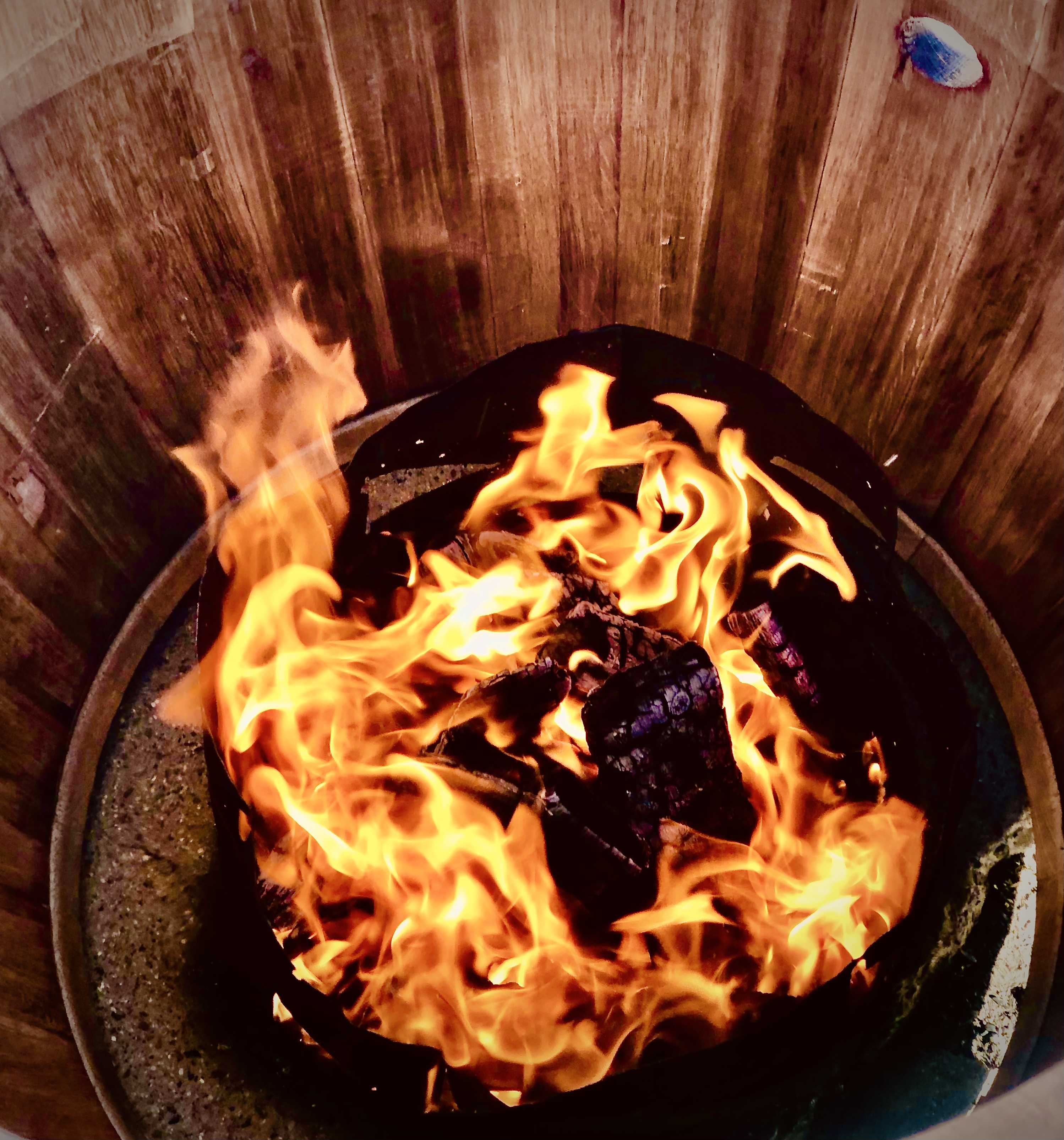
Re-coopering isn’t just about saving money. It’s about restoring oak to its full potential. At Quality Wine Barrels, we’ve spent years refining a proprietary re-coopering process that solves historic challenges. — and turns tired oak into a reliable, like-new performer. Here’s how it works: Step 1: Inspect for suitability Every barrel gets a full check—staves, hoops, and heads. If it isn’t solid, it doesn’t move forward. We only re-cooper once, giving quality oak one strong second life. Step 2: Shave Shave for strength + freshness: We remove just 3/16–5/16 of an inch, exposing clean oak while maintaining strength. This eliminates all traces of old wine or contaminants, leaving no risk of residual off-flavors. Step 3: Re-toast to your style Over open flame, the barrel is re-fired to your specs—light, medium, medium plus, or heavy. Spice, vanilla, and caramelized oak return to the profile. — most winemakers
00
August 18, 2025
After a wet winter and a slow start to spring, California is now experiencing an unusually cool summer. While the extended hang time may sound ideal at first glance, many winemakers are concerned, and for good reason. Persistent cool, damp weather during the growing season brings with it an entirely different set of vineyard and cellar challenges, from disease pressure to delays in ripening. If you haven’t already, it’s time to start thinking about how this season’s cooler conditions may affect your fruit, and how to plan ahead to protect your wine’s quality. What’s the Problem with a Cool Summer? Cooler-than-average temperatures, especially when paired with humidity or late rains, can lead to several problematic outcomes in the vineyard: Delayed Ripening: Grapes take longer to reach phenolic maturity, and sugar accumulation may lag behind flavor development. This can result in unbalanced fruit and longer hang time on the vines. Increased Disease Pressure:
00
July 29, 2025
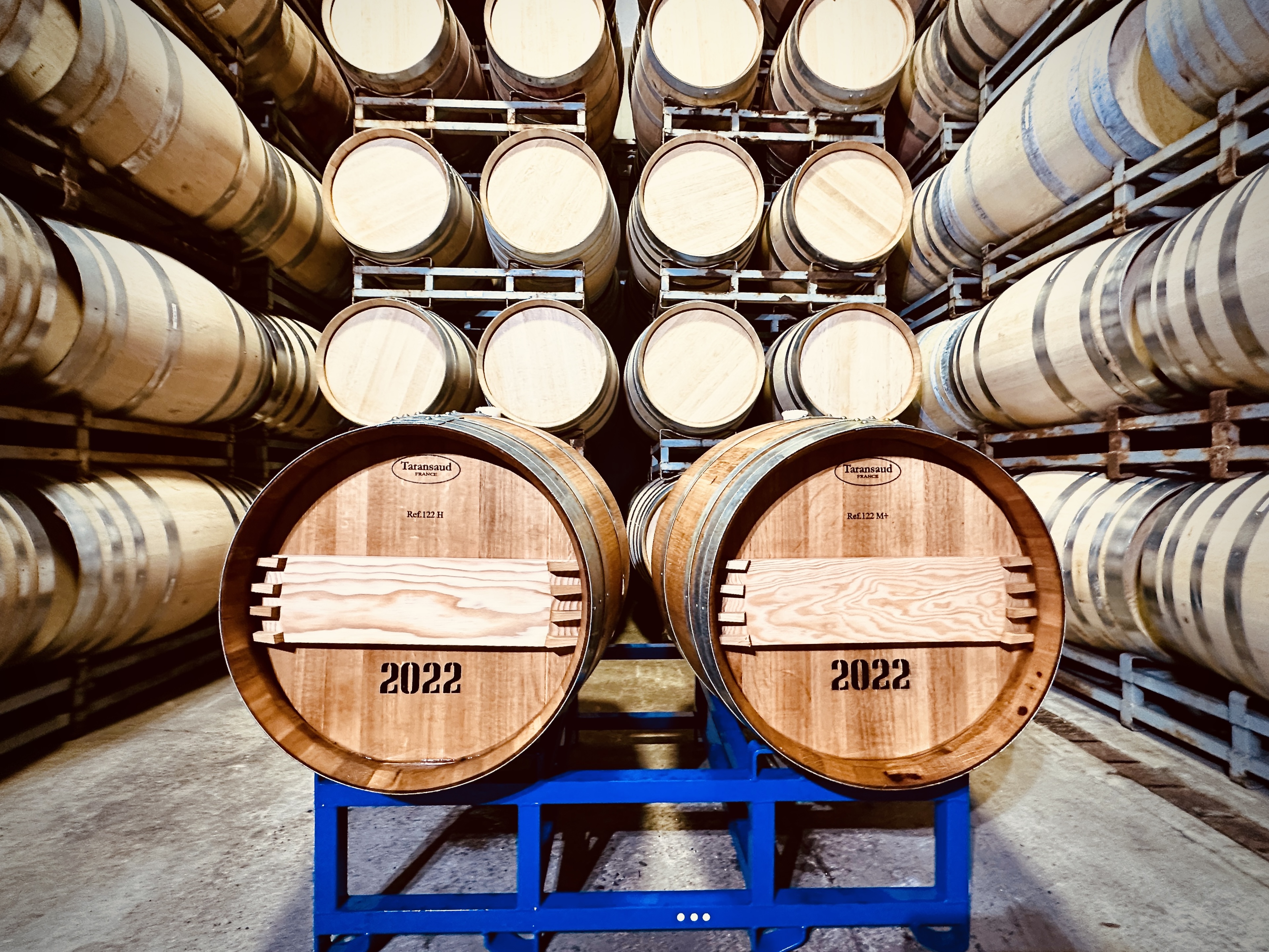
When it comes to used barrels, three things matter most: aroma, integrity, and reliability. What Is TCA—and Why Should You Care? TCA (2,4,6-Trichloroanisole) is the chemical compound behind cork taint. But it doesn’t just affect corks—it can also form inside barrels, leaving behind a musty, moldy smell that ruins wine or spirits. Common descriptions of TCA include wet cardboard, damp basement, or moldy newspaper. The worst part? Even trace amounts can dull aromas and kill a beautiful vintage. Our Microbial Test Results In June 2025, we submitted five of our oak barrels for microbial plating and culturing through BevTrac Mobile, a trusted independent wine lab. The results? No spoilage yeasts detected: Brettanomyces, Saccharomyces, Zygosaccharomyces No spoilage bacteria detected: Acetobacter, Lactobacillus, Oenococcus, Pediococcus Only minor environmental microbes (like Bacillus), which are common and harmless The Smell Test Our team at Quality Wine Barrels conducts
00