
Filter Post Type
NewsVideoProductEventLink
Sort:
Most Recent
1–10 of 105

April 16, 2026
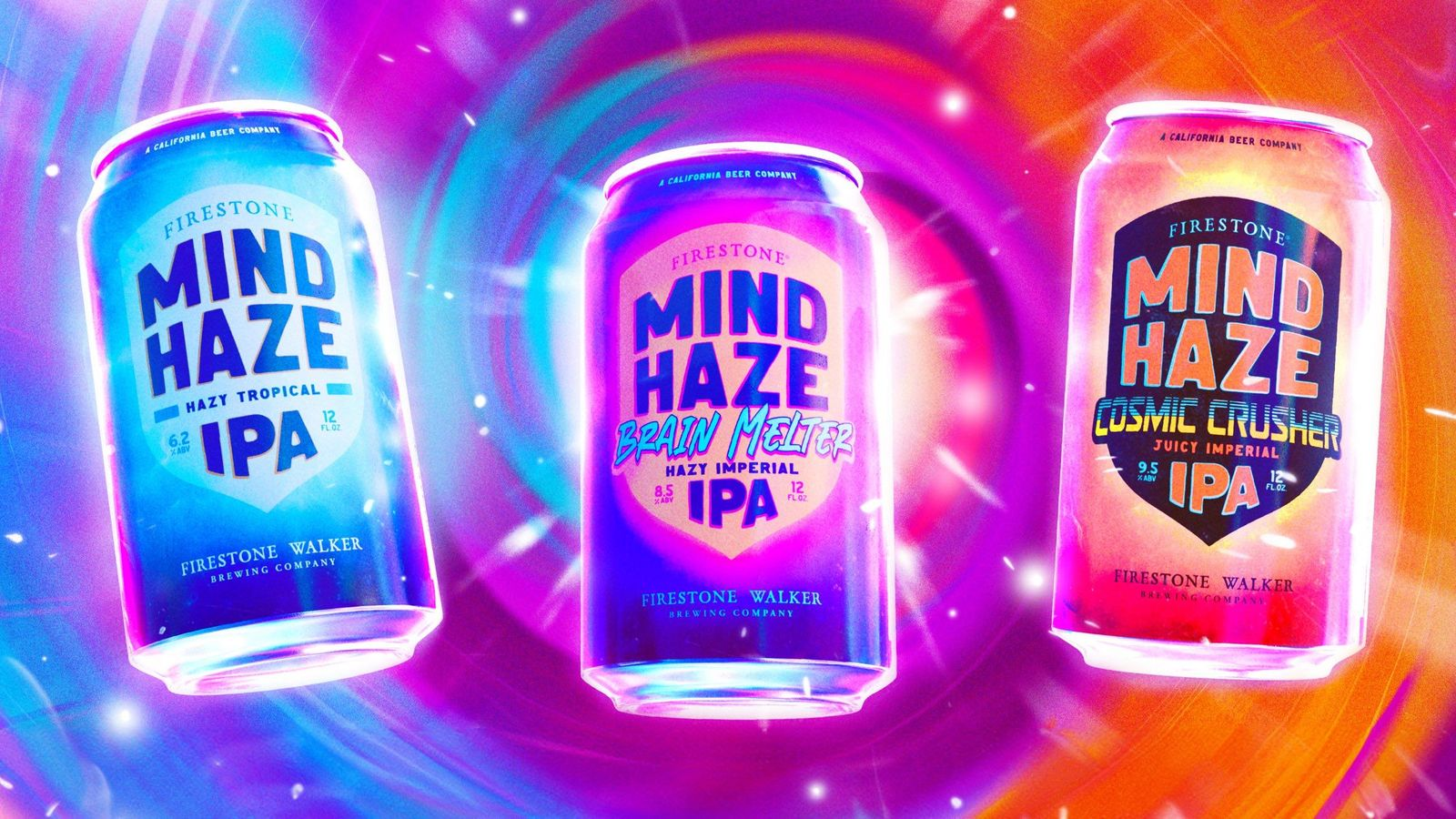
After years of giving special gifts with each club shipment, the Firestone team tried Awtomic’s new feature that allows you to give subscribers the option between multiple gift choices as a reward with the Moments feature. Micaela set up a moment that lets each member pick between a trucker hat and a bucket hat. Within a few hours, more than 70% of the members had jumped in and chosen their gifts. “Adding in that layer of customization for the customer is such a huge win and it’s amazing to do it without complicating operations,” Micaela says. “You don't find that balance very often - usually you’re sacrificing one or the other.” Firestone Walker Brewing Company has been an iconic Brewery and Merchandise brand on the Central Coast of California for almost 30 years, but it wasn’t until the global pandemic hit that they started exploring direct-to-consumer sales online for their beer products. It’s not surprising given how many
00
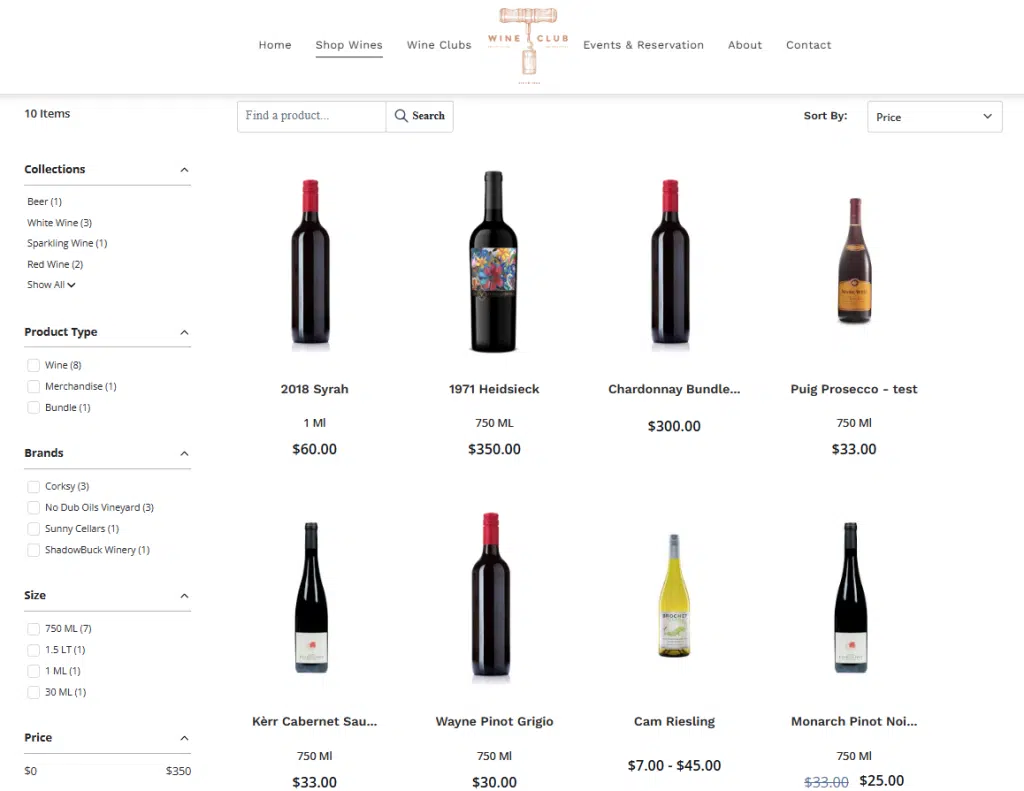
A few years ago at the DTC Wine Symposium, a panelist joked about the modern winery website formula: the guy, the dog, the truck, and the vineyard. Beautiful backdrop, strong lifestyle photography, a thoughtful founder story. Polished, absolutely. Strategically distinct, rarely. The critique wasn’t about branding. It was about structure. Most winery websites aren’t broken, but they aren’t built as decision environments either. Calls to action are unclear, revenue pathways are buried, shipping surprises appear late, and wine club often lives in isolation instead of throughout the buying journey. After auditing winery sites across regions and production sizes, the pattern is consistent: performance is constrained by friction, not effort. Most wineries don’t have a traffic problem. They have a conversion architecture problem. Before increasing ad spend or launching another promotion, run a winery website audit — on your phone. Start at the homepage and move t
00
March 2, 2026
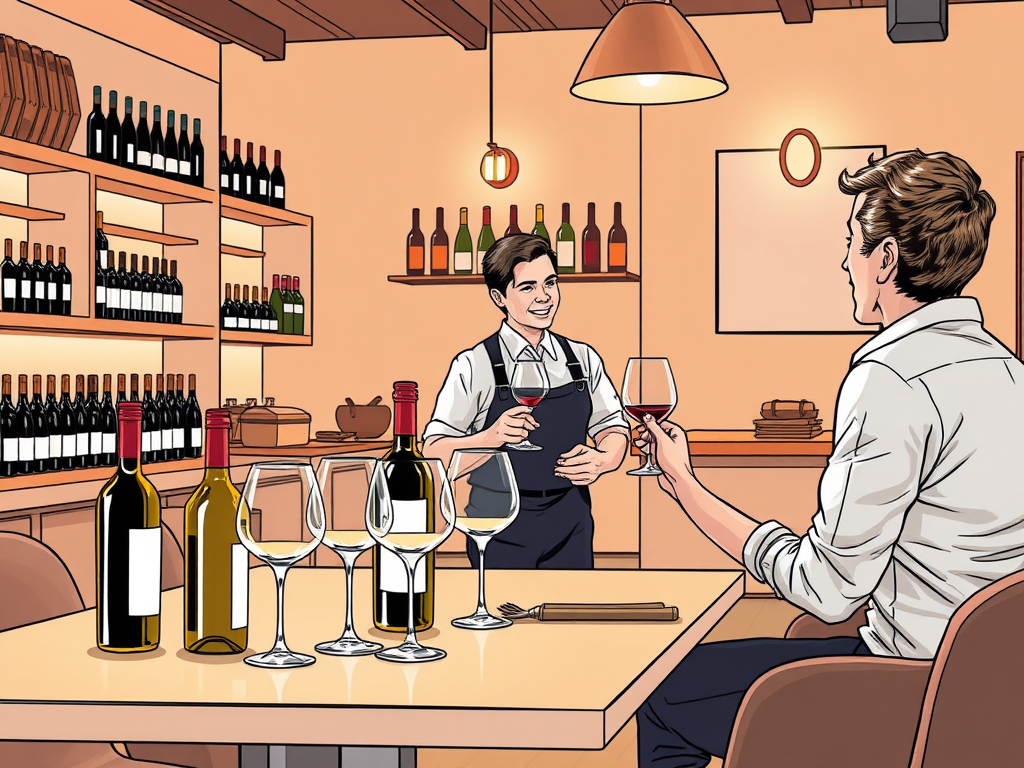
We call it a Tasting Room, when it’s really a Sales Room. Why is that? After the repeal of Prohibition in 1933, wineries re-opened in an environment where the government was highly suspicious of any and all alcohol sales. On-premise consumption was restricted and considered the purview of saloons, which were vilified during the years of Prohibition. So, to comply with laws and distinguish themselves as places of refined moderation, wineries leaned into “tasting,” not drinking. The Tasting Room became the winery’s sales room. Over the decades, tasting rooms have become places of hospitality, education, and increasingly, dinner (or lunch). Along the way, the primary role of the tasting room—to form a connection with the consumer for the purpose of selling wine—got lost. Now, I recognize that I’m being hyperbolic here. In the contracting market we’re living in, too many wineries are focusing only on the hospitality aspect. They need to lean
10
Traditional demand for wine has softened, buyers are pickier, and “default growth” is basically gone. Meanwhile, the consumer mindset has changed dramatically—wellness, moderation, and “I want to drink less but still drink well” is becoming the new normal. That combo is tough on the old playbook. But it’s also a huge opening for brands that are willing to pivot with intention (not panic). At BevZero, we see this moment as a reset: a chance to meet people where they are now—and build a portfolio that survives the slump and comes out stronger on the other side with non-alcoholic products. What’s Driving the Slump A few things are happening at once: Wellness is influencing purchase decisions more than ever. People aren’t necessarily “anti-wine”, they’re just more mindful about alcohol consumption. Curiosity has matured into expectation. Today’s no/low-alc shopper isn’t experimenting anymore, they ex
00

February 12, 2026
WineDirect to Commerce7: 19% Growth in Club Customization, 50% Less Support, and the End of "Batch Day" TL;DR: Faced with manual bottlenecks on WineDirect, Hill Family Estate migrated to Commerce7 to empower their members. The results were immediate: a 19% increase in customized club shipments and a 50% reduction in support volume. Most importantly, the team reclaimed 4-5 hours of manual labour per club run by allowing their customers to customize their orders online and move to fully automated background processing. Founded by third-generation farmer Doug Hill, Hill Family Estate is a family-run operation in Napa Valley that blends deep vineyard expertise with approachable hospitality. Their winery and tasting room experiences are known for being family-friendly, intimate, and deeply rooted in the land they have farmed for decades. For Allison Negrón, DTC Manager at Hill Family Estate, the goal is always to provide a seamless, personali
00
February 10, 2026

After 30 years of moving up and to the right, the American wine industry hit a wall. Not a temporary slowdown or a soft patch. A structural shift that requires a fundamentally different marketing playbook. 2025 was the reality check. 2026 is the year wineries either adapt or watch their customer base age out beneath them. The data is now unambiguous: wine sales dropped approximately 6% in 2024, marking the steepest decline in decades according to SipSource industry data. More troubling than the headline number is what's driving it. This isn't a recession blip or a bad vintage. It's a fundamental realignment of who drinks wine, how they buy it, and what they expect from the brands they choose. Here are the five trends reshaping the US wine market and what they mean for your brand's survival. The Demographic Disruption The wine industry built its growth on one generation: Baby Boomers. That generation is now aging out. The Wine Market Council's 2025 U.S. Consumer Ben
00
January 22, 2026
Sonoma County Winegrowers Reorganizes to Scale Proven Collaborations and Unlock National Growth Opportunities At its annual Dollars & $ense meeting today, themed, “The Next Chapter: Elevating What Works and Expanding What’s Possible,” Sonoma County Winegrowers (SCW) announced a strategic reorganization and renewed organizational focus to build demand, expand partnerships, and increase sales of Sonoma County wines to support long-term grower success. The moves reflect a proactive response to an evolving marketplace and are designed to ensure Sonoma County remains competitive, relevant, and well-positioned for future growth. Moving forward, Jennifer Dieckmann, currently Chief Operating Officer of Sonoma County Winegrowers, will assume the role of Executive Director and COO, leading the organization’s day-to-day operations, program execution, and team leadership, while maintaining operational excellence and strengthening grower and stakeholder engagement
00
January 20, 2026
The wineries with the most loyal wine clubs aren't the ones with the best discounts. They're the ones with the strongest emotional identity. This will sound counterintuitive to anyone who's ever tried to stem club churn by sweetening the deal with free shipping or an extra bottle. But the data tells a different story. Companies with strong emotional connections to customers outperform competitors' sales growth by 85%. Not 8.5%. Eighty-five percent. The question isn't whether emotional connection matters. It's how you build one. Enter brand archetypes: a framework rooted in Jungian psychology that helps wineries create the kind of deep, identity-based loyalty that discounts can never buy. When wineries align their story, experience, and messaging with a core archetype, wine club loyalty stops being a battle against churn and becomes a natural expression of who they are. What Are Brand Archetypes? (And Why They Work in the Wine Industry) Brand archetypes are 1
00
The Actionable Version (Yes, Another One — But Hear Us Out) It wouldn’t be the end of the year in beverage alcohol without a million prediction articles telling you what might happen next. You’ve probably already read a few that say consumers will drink less, premiumize more, and still somehow want everything new, nostalgic, global, and convenient at the same time. All of that may be true — but this isn’t another “interesting but abstract” trends piece. This one is about what’s actionable right now for: Makers who need flexible, reliable distribution, and Buyers who want to keep their sets fresh, differentiated, and relevant in 2026 Here’s what we see coming — and how to actually do something about it. 1. Volume Isn’t Growing — but Opportunity Is Getting More Targeted Overall volume across many beverage alcohol categories remains flat or slightly down. At the same time, Buyers are still actively looking for n
00
If we had to sum up the year in one word, it would be resilience. The data reveals a shift in where revenue came from this year, and who was willing to spend. But when you look past the top-line numbers, three distinct signals emerge: The Tasting Room is the Volume Driver: In a shifting landscape, the in-person experience captured 35% of total market share. Your physical space is working harder than ever to convert foot traffic into transaction volume. The Club is the Value Driver: While guests tightened their belts (POS average order value $97), average club order value climbed to $257. Your members aren't just loyal; they are the only group increasing their average spend. Choice Creates Loyalty: With net club growth down industry-wide (-8.3%), retention is the priority for 2026. The good news? Clubs that offer "User Choice" are seeing average member tenure extend to over 3 years (1,159 days). Read the full breakdown on LinkedIn This is just the first sip. Make su
00