
Filter Post Type
NewsVideoProductEventLink
Sort:
Most Recent
1–10 of 70
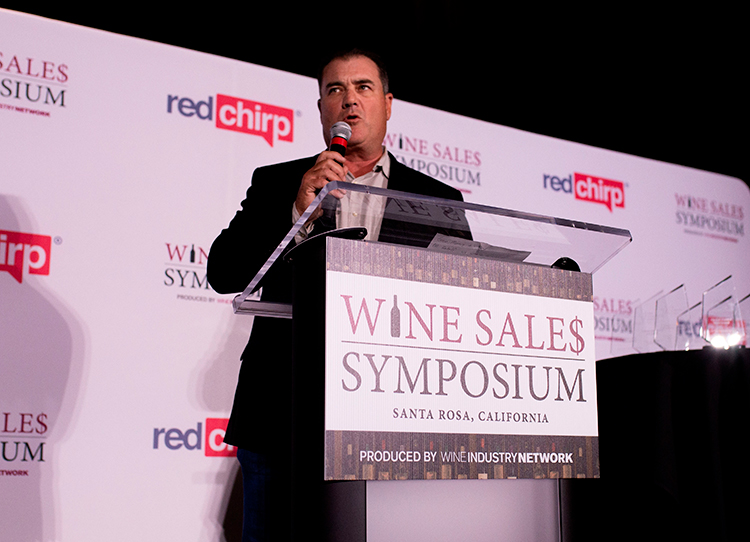
Winery leaders and industry experts explore the strategies shaping the future of wine sales. The wine industry narrative over the past two years has been dominated by decline: falling consumption, shrinking distributor portfolios, and weakening consumer loyalty. The headlines suggest an industry in freefall. But the reality is more nuanced - and more useful. Yes, overall wine consumption continues to face pressure. Consumer behavior is fragmenting in ways that challenge traditional approaches. But the full story isn’t simply decline. It’s divergence. Some wineries are still growing. Some categories are holding steady while others contract. Some sales channels are thriving while others struggle. The difference often comes down to whether wineries have adapted their strategies to match the market that exists today, not the one that existed three years ago. At Wine Industry Network’s Annual Wine Sales Symposium on May 13, Dr. Chris Bitter will present research on what’s actually happening
00
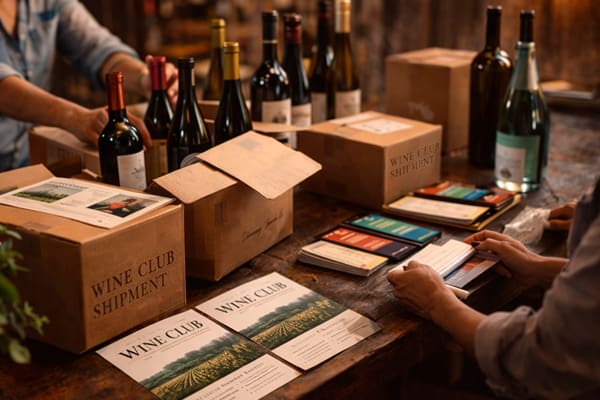
Why Wine Clubs Aren’t Working, And What’s Replacing Them For many wineries, the biggest challenge today isn’t attracting new customers; it’s keeping the ones they already have. Wine clubs once represented the most stable revenue engine for wineries. Members signed up, shipments went out quarterly, and predictable revenue flowed in. It was the foundation of direct-to-consumer success. But that foundation is cracking. Recent industry data reveals a troubling trend: nearly 40% of wine club members cancel within the first year. In a market where customer acquisition costs are climbing, and competition for attention has never been fiercer, losing members at this rate isn’t just a retention problem; it’s a profitability crisis. The math is unforgiving. If acquiring a new club member costs hundreds of dollars in marketing, tasting room labor, and incentives, losing them before they’ve generated meaningful lifetime value means wineries are bleeding money with every signup. And yet, some winer
00
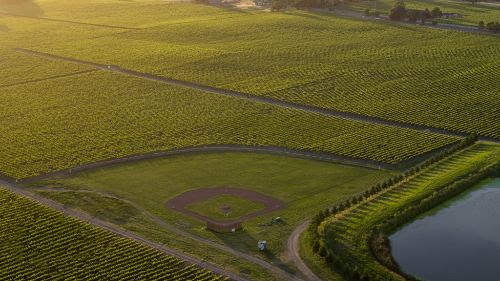
In the film Field of Dreams, a quiet voice whispers a simple promise: “If you build it, he will come.” The idea was never really about baseball. It was about creating something meaningful and trusting that the right people would be drawn to it. The wine industry is standing at a similar crossroads. For decades, wineries have operated on a simple assumption: make great wine, tell a compelling story, and consumers will come. Craft the product. Earn the accolades. Build the brand. But the next generation of wine consumers is telling us something different. Gen Z, now entering legal drinking age and shaping the future of hospitality, is not primarily seeking bottles to collect or scores to chase. Many say they are looking for something more fundamental: connection, community, and places where they can gather with friends away from the constant pull of the digital world. In other words, they are looking for a third space. For winery owners, executives, and Direct-to-Consumer lea
00

April 16, 2026
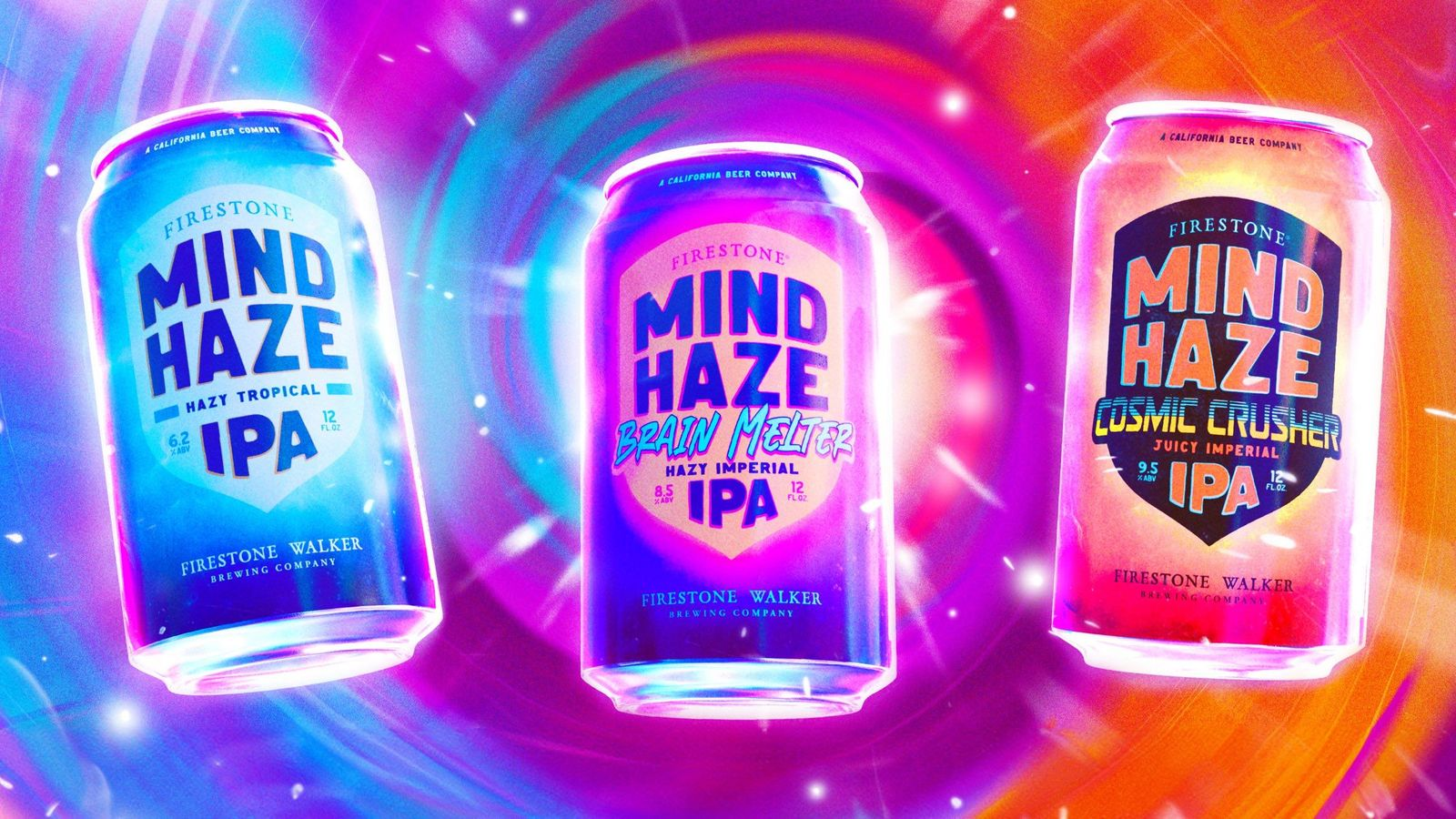
After years of giving special gifts with each club shipment, the Firestone team tried Awtomic’s new feature that allows you to give subscribers the option between multiple gift choices as a reward with the Moments feature. Micaela set up a moment that lets each member pick between a trucker hat and a bucket hat. Within a few hours, more than 70% of the members had jumped in and chosen their gifts. “Adding in that layer of customization for the customer is such a huge win and it’s amazing to do it without complicating operations,” Micaela says. “You don't find that balance very often - usually you’re sacrificing one or the other.” Firestone Walker Brewing Company has been an iconic Brewery and Merchandise brand on the Central Coast of California for almost 30 years, but it wasn’t until the global pandemic hit that they started exploring direct-to-consumer sales online for their beer products. It’s not surprising given how many
00

For most wineries, marketing still follows a familiar path: email campaigns, wine clubs, tasting room experiences, and social media. These channels continue to drive direct-to-consumer sales, but they are also becoming increasingly saturated. Reaching new customers often requires more content, more spend, and more competition for the same audience. At the same time, another force is shaping consumer behavior at scale—film and television. A single streaming series can influence travel, dining, fashion, and brand awareness almost overnight. Within those moments, wine is already present. It appears in dinner scenes, celebrations, restaurants, and quiet evenings at home, serving as a natural extension of lifestyle and hospitality. Historically, however, the bottles used on screen have rarely represented real wineries. That is beginning to change. Wine product placement is emerging as a viable and strategic marketing channel for wineries looking to expand beyond traditional touchpoin
00
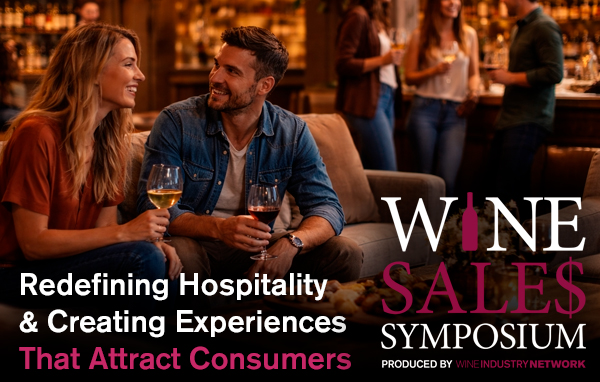
From hospitality-driven visitation to loyalty and strategic partnerships, the Wine Sales Symposium explores where revenue growth is coming from now The path to winery growth looks different than it did even a few years ago. Today’s most successful wineries are not relying on a single channel or a single tactic. Instead, they are building growth through a combination of stronger customer experiences, deeper retention strategies, and brand partnerships that extend reach beyond traditional wine audiences. At this year’s Wine Sales Symposium, several sessions will explore how these shifts are reshaping sales and marketing strategies across the industry. One of the most important changes is happening in hospitality and visitation. Consumers—especially Millennials and Gen Z—are increasingly choosing experiences that feel personal, memorable, and aligned with their identity. For wineries, that means visitation is no longer simply about tasting wine; it’s about de
00
March 31, 2026
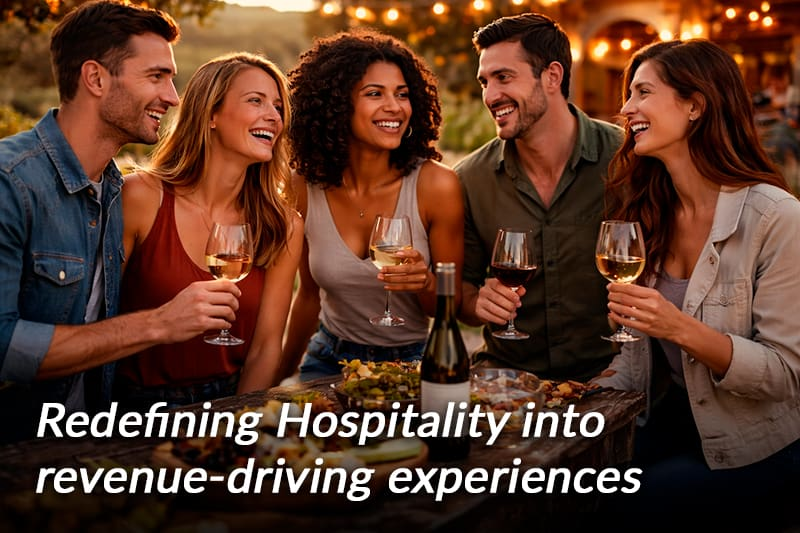
The tasting room used to be the heart of the winery business model. Walk-ins became club members. Club members became brand ambassadors. Revenue flowed predictably, and the formula worked. That’s changing. Visitation to wine regions is softening and tasting room traffic that wineries once counted on is declining. The cohort that’s most noticeably absent? Millennials and Gen Z, the consumers who should be building the next generation of wine loyalty. For many wineries, the drop-off has been gradual enough to rationalize. Blame the economy. Blame changing drinking habits. Blame competition from craft beer and cocktails. But the reality is harder to swallow: younger consumers aren’t avoiding wine country because they don’t like wine. They’re avoiding it because the traditional tasting room experience no longer competes with how they want to spend their time and money. And if wineries don’t adapt, they risk becoming relics of an industry that waited to
00
March 16, 2026
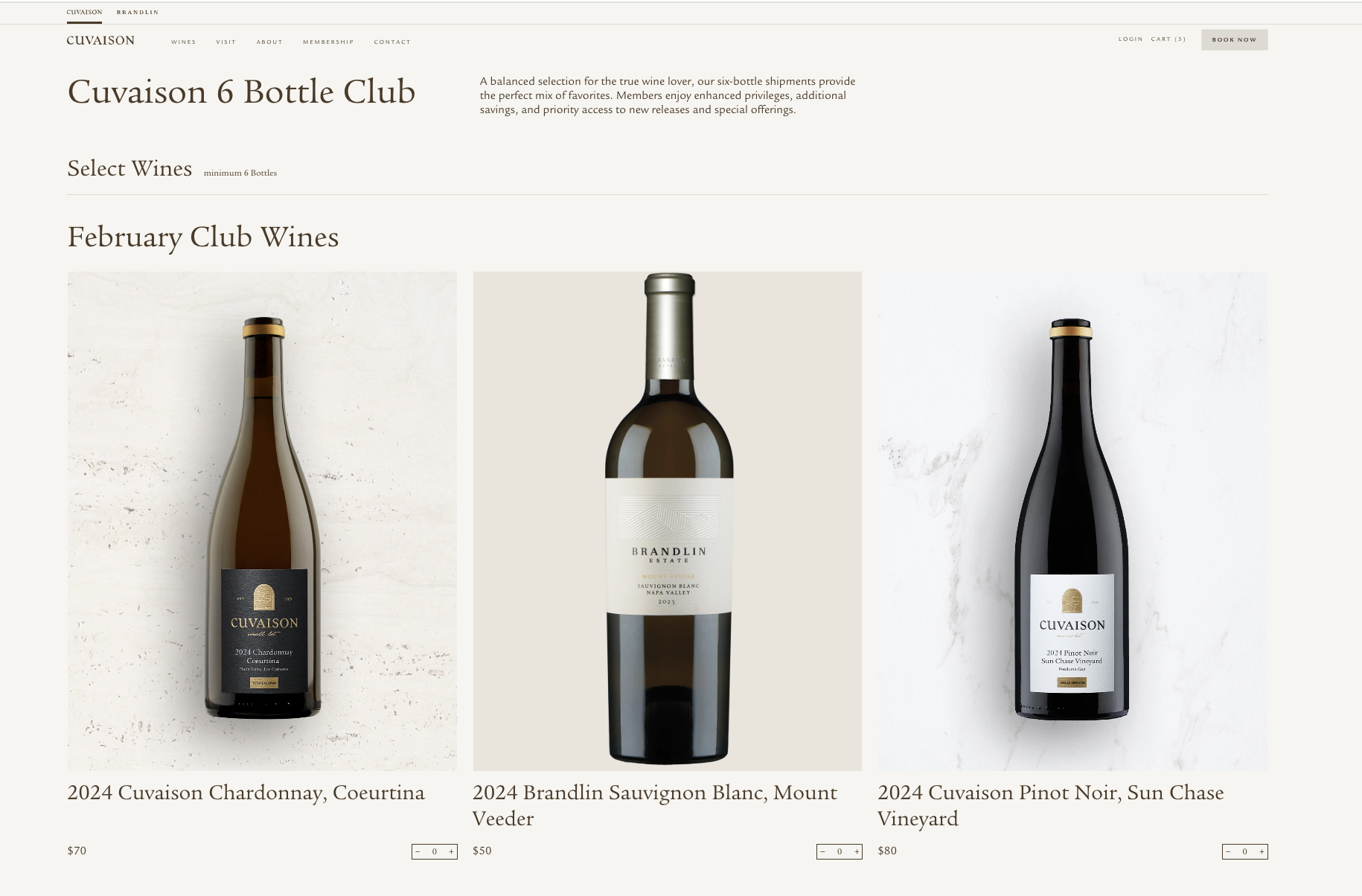
For a long time, the standard wine club model was simple: you pick the wines, you set the price, members sign up and receive what you ship them. Curated. Chef's kiss. Non-negotiable. That model still works — for the right clubs and the right member base. But the world has shifted. Members who joined in the past few years have been shaped by Amazon, Stitch Fix, and a dozen other subscription experiences that gave them control. They've come to expect customization as the default, not a premium. And the data backs this up. Wine clubs that offer member customization see measurably lower churn, higher average order values, and stronger long-term engagement. Not because flexibility is inherently better — but because it removes one of the most common reasons members leave. The Cancellation You Could Have Prevented When you look at why wine club members actually cancel, a consistent pattern appears: "I already have too much wine." "I don't dr
00
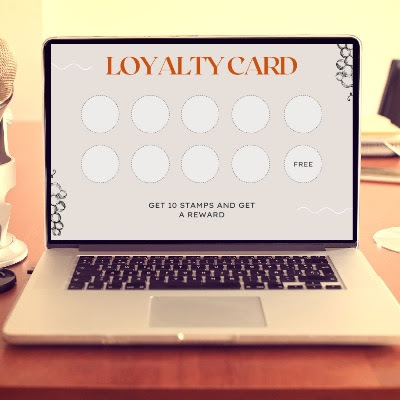
For years, discounting has been the default lever wineries pull to spark sales and reward loyal customers. But in today’s crowded marketplace, deep discounts can erode brand value and condition customers to buy only when the price drops. There’s a better way: loyalty points programs. Retention, without discounting, comes from making customers feel known, valued, and part of something special. They’ll stay not because it’s cheaper, but because it’s theirs. Instead of discounting away margin, wineries can encourage repeat visits and purchases by offering rewards that feel aspirational, personalized, and memorable. Loyalty points add up over time, giving guests a reason to come back again and again, all the while protecting your brand’s premium image. 10 Reasons Why Loyalty Points Work Shift from price to experience. Points reward frequency and engagement, not bargain hunting. The program should reinforce experience, access, and emotional loyalty, not
00
October 22, 2025
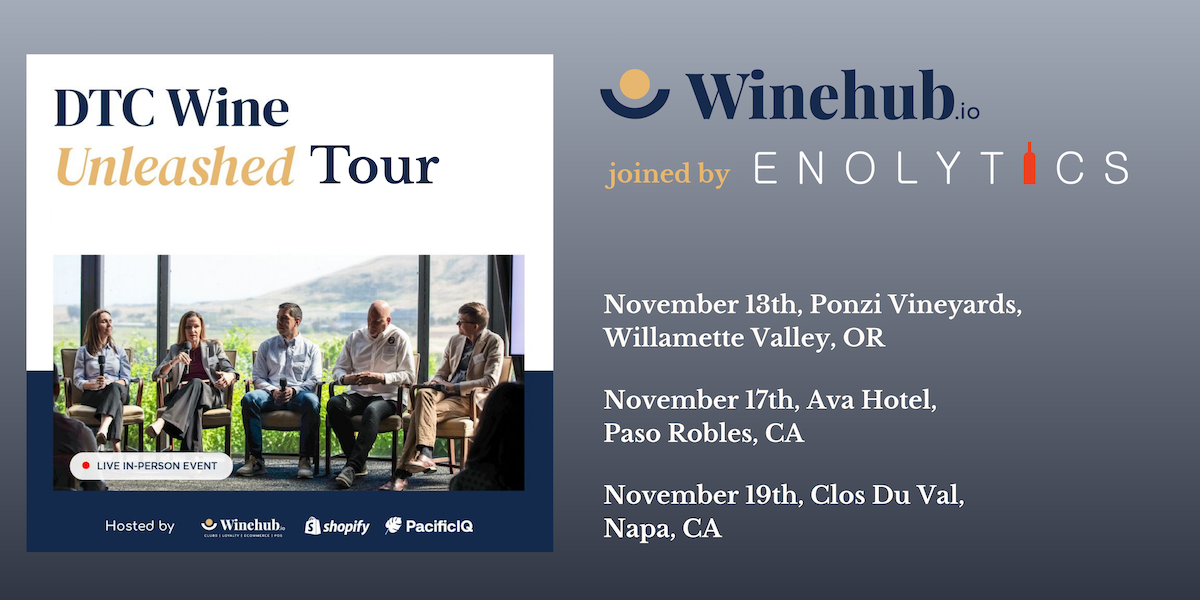
A traveling series designed expressly to help wineries turn insights into measurable growth. That’s the idea behind the Winehub DTC Wine Unleashed tour, happening next month with stops in the Willamette Valley, Paso Robles and Napa. Enolytics is pleased to take the stage alongside fellow thought leaders in the space of wine, technology and growth through smart data. Winehub is a modern platform built on Shopify specifically for wineries. It streamlines wine club management, online sales, inventory, and allocations in one flexible system, helping wineries to simplify operations and deliver a better customer experience. Paired with Enolytics, Winehub turns sales and membership data into actionable insights that drive retention, loyalty, and growth. Each session on the tour is part workshop, part think-tank, and 100 percent focused on helping wineries harness their data to drive DTC success. Here’s what you can expect on tour: Hands-on learning. Discover how Win
00