
Filter Post Type
NewsVideoProductEventLink
Sort:
Most Recent
1–8 of 8

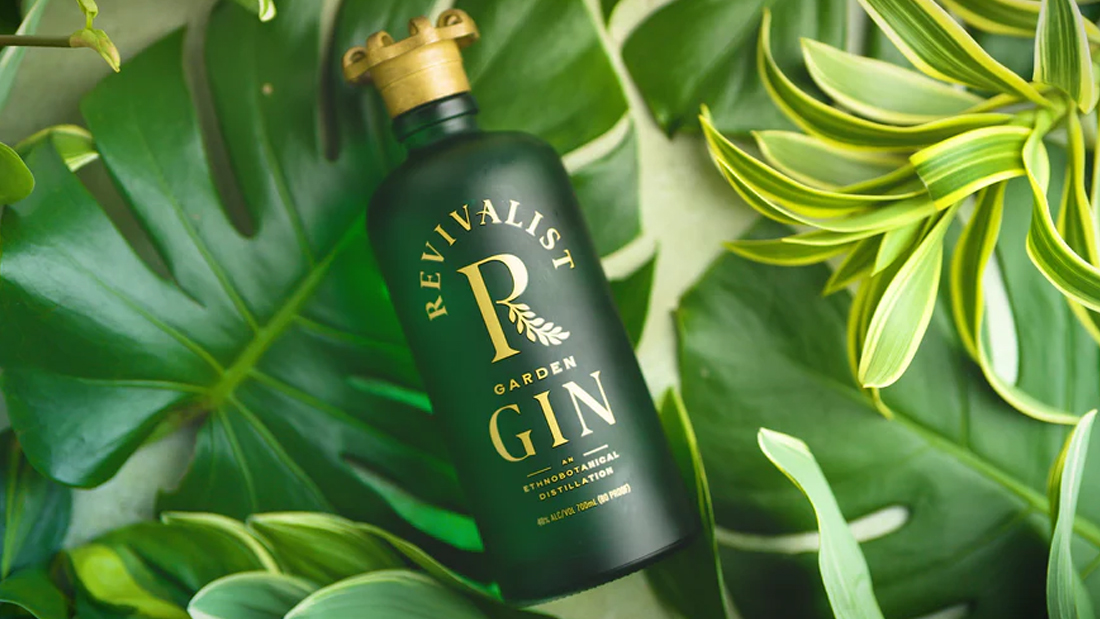
The wine and spirits industry is standing on the precipice of a major design evolution. For years, “premium” was defined by weight, excess, and tradition. For 2026, a new definition of luxury is emerging; one that values intelligence over mass, and tactile storytelling over simple visual appeal. For brand owners and procurement leaders, staying ahead of these glass packaging trends in 2026 is no longer just about aesthetics; it is a matter of strategic survival. From the rise of “quiet luxury” and right-weighted glass to the complex pressures of global supply chains, the packaging decisions made today will define brand resilience tomorrow. In this forecast, we explore how sustainable luxury, ergonomic innovation, and smart supply chain strategies are reshaping the premium landscape, and how Global Package provides the specialized glass solutions needed to help you navigate this future. The State of Glass Packaging for Wine & Spirits At Global Package, we&r
00
February 10, 2026

A pioneer in eco-design for glass packaging for over fifteen years, Verallia takes a new step forward with the launch of Balance, the premium eco-designed range from Selective Line. This innovation, aligned with our purpose of “Reimagining glass for a sustainable future” addresses growing demand for premium packaging that combines exceptional design with a reduced carbon footprint. Drawing on the expertise gained from the lightweight Ecova range created in 2009 and the ultralightweight Verallia Air range developed in 2023, Verallia is now applying its eco-design principles to its premium Selective Line brand. THREE LEVERS FOR OPTIMIZED IMPACT The Selective Line Balance range is built on three eco-design levers, which can be activated individually or in combination: Lightweighting: premium bottles reduced by an average of 15% compared to the overall Selective Line portfolio. Recycled glass: colors incorporating higher proportions of recycled gla
00
November 13, 2025
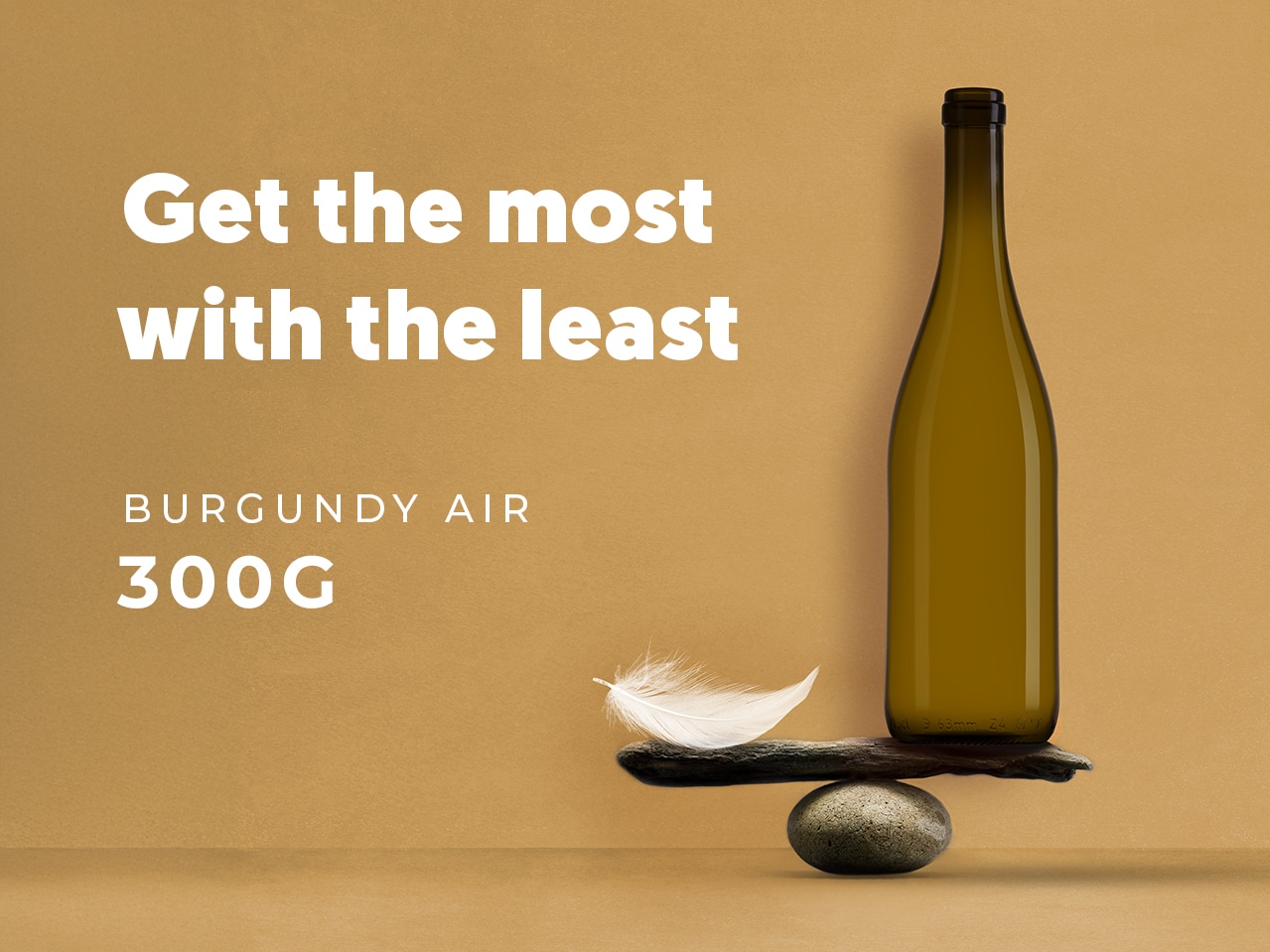
As Europe’s leading glass packaging producer for beverages and food, Verallia takes another step in its lightweighting revolution with the launch of the Burgundy Air 300g, the world’s first ultra-light Burgundy bottle, standing 290mm tall. A model of disruptive eco-design, it preserves the iconic silhouette of traditional Burgundy bottles significantly reducing its environmental footprint. With the Burgundy Air 300G, Verallia once again confirms its pioneering role in transforming glass packaging to support the wine industry’s sustainability and competitiveness. A TECHNICAL FEAT SERVING THE ENVIRONMENT This innovation stems from years of R&D expertise and state-of-the-art industrial knowhow. The challenge was to maintain the distinctive aesthetics of Burgundy bottles while drastically cutting their weight. Weighing just 300 grams (compared to the European average of 450g0F 1) with a 75 cl capacity, the Bourgogne Air 300G reduces raw material use and
00

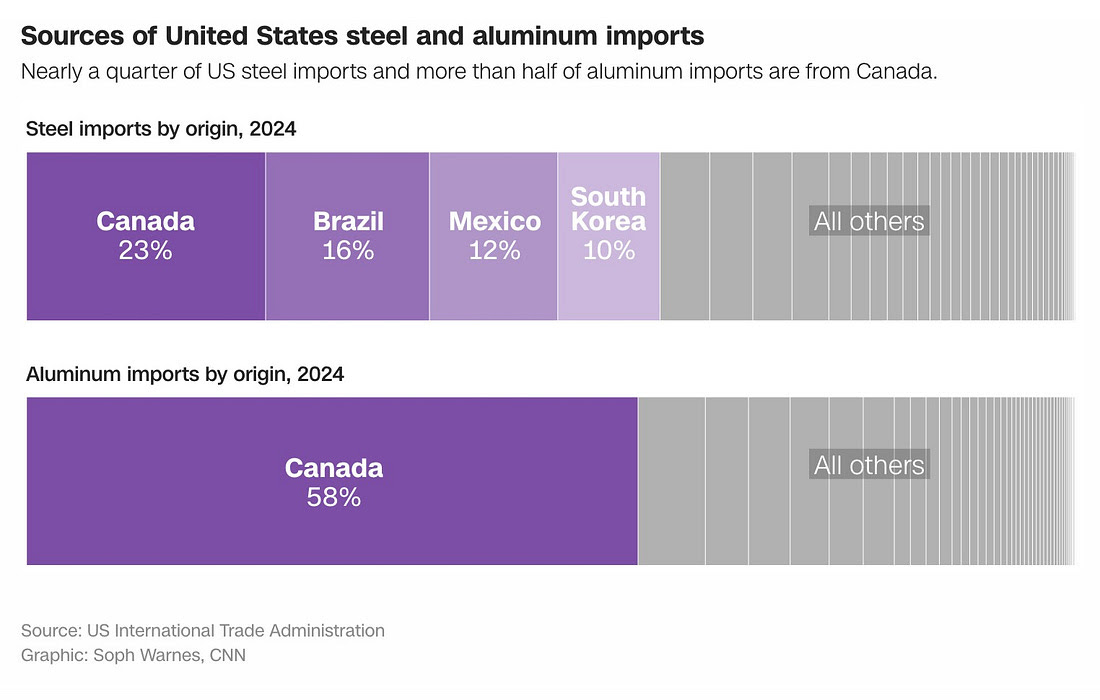
Each month, the packaging and materials part of the market becomes increasingly challenging to predict due to the erratic implementation of tariffs and ensuing trade wars. That being said, both the threat and actual application of tariffs have cascading implications for wine and spirits sales of finished goods and all the components. The US government enforced 25% tariffs on imports from Canada and Mexico, effective March 4, 2025. The administration rowed back somewhat on March 6, postponing until April 2 tariffs on all products imported from Canada and Mexico covered by the USMCA. However, a 10% duty on Canadian energy will likely remain in place. Additionally, the administration pressed ahead with 25% tariffs on all steel and aluminum imported into the US, effective March 12, arguing it will help level the playing field for US manufacturing. Unfortunately, this will likely have profound implications for the cost of goods of many products including – most pertinently for our ind
00

The beauty of the wine business is that wineries have the potential to draw a direct line from growing the grapes to selling the finished bottles of wine. The ability to trace wine production through every step is a valued asset in a food and beverage marketplace where transparency has become more important to consumers. Today’s marketplace has placed an imperative on attracting younger generations rather than simply relying on established consumers. The industry has expended significant time, energy and effort to understand what appeals to these consumers and how to reach them. Some core lessons learned: sustainability and authenticity matter to these consumers; moderation is trending; and theirs is an on-the-go, experiential lifestyle. With these new trends in younger consumers, wineries are adjusting everything from how they grow grapes to their messaging to share their sustainability journey. One of these transitions is in how wine is bottled, and it is driven by cost savings
00

July 17, 2024

Event Type: Webinar
Location: Online
Date: 7/22/2024
Lightweighting, or as some call it, “right-weighting,” can save wine and spirits companies millions of dollars and dramatically reduce their greenhouse gas footprint, all without impacting top-line sales. So why aren’t more brands reducing the weight of their glass packaging? Join RaboResearch Analyst Bourcard Nesin as he brings together a panel of industry experts to help you understand how lightweighting can be a major contributor to sustainability and profitability. You will receive practical advice and learn best practices from people who successfully drove lightweighting initiatives within their own organizations. Speakers: Tony Maan, VP Supplier Development / The Wine Group Mitch Davis, Executive Vice President, Operations / Jackson Family Colleen Fitzgerald, Chenin Blanc Viognier Winemaker and Chair of GHG Emissions Measurement Committee / Crimson Wine Group Register here.
00
April 29, 2024
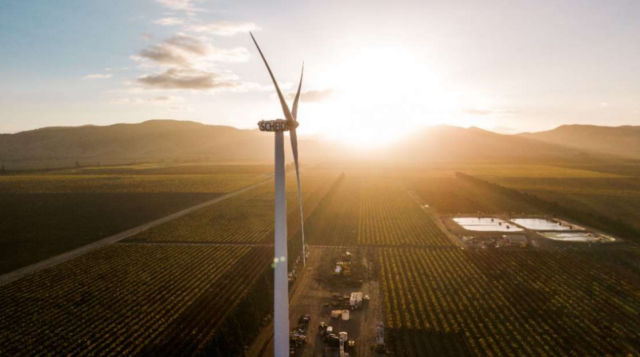
Scheid Family Wines Lightweight Glass Initiative Drives Sustainability in Wine Shipping
Reduction of 712,000 lbs. of Glass Weight in Past Year Salinas, CA – April 29, 2024 – In honor of Earth Month, Scheid Family Wines proudly announces progress on its […]
00

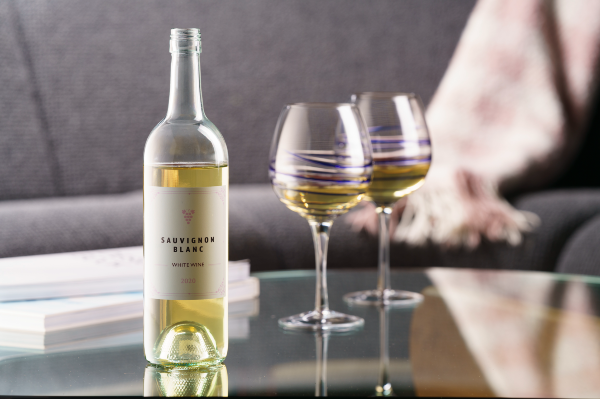
A brand’s journey to sustainability is never complete as it works to stand out and challenge expectations of the norm. As the years progress, companies of all sizes are aiming to do just that, with a focus on sustainability for better health, improved community, and a brighter future. “Pro-environmental actions, such as recycling, have great potential for the industry as a whole to be more sustainable,” notes Jon French, O-I’s Wine Category Sales & Marketing Director. The wine industry has made progress in reducing greenhouse gas (GHG) emissions, but pressures continue to rise for businesses to take more action founded in sustainable behavior. Wineries of all sizes continue to view every decision with a sustainable lens. Let’s take a closer look at the ways your winery can reduce its carbon footprint. Choose Local Of all steps in the supply chain, transportation accounts for 90% of greenhouse gas emissions.[1] O-I, based in Ohi
00