
Filter Post Type
NewsVideoProductEventLink
Sort:
Most Recent
1–8 of 8

That creamy, buttery aroma you sometimes find in a bottle of Chardonnay or other wines is thanks largely to a compound called diacetyl. It's the star player released during malolactic fermentation (MLF), and whether a winemaker wants to emphasize or eliminate it is one of the biggest stylistic choices they make. Diacetyl is a temporary byproduct of the bacteria's metabolism. It is later reduced into less aromatic compounds, which is why winemakers have to move fast to capture the flavor at its peak. To get a wonderfully buttery wine, the goal is simple: make a lot of diacetyl and then immediately halt its degradation. Here are the key strategies winemakers use to ramp up diacetyl production and keep that creamy character in the bottle: Timing is Everything: Inoculate after alcoholic fermentation.Wait until the main alcoholic fermentation is finished or almost finished before adding the bacteria. Why? The yeast that did the primary fermentation and the bacteria themselves are ve
00


Every vintage brings its own challenges from Mother Nature. Rain or shine, we’ve got the products to keep you covered. Concerned about mold, rot, or mildew? Rooted in experience, our proven solutions guide you through every hurdle for a successful harvest. Potential Issues: Off aromas and flavors, Browning, Infection spreading, Lower tannin content, Lower color extraction, increased acetic acid, Reduced levels of amino acid, and YAN levels in Juice GUSMER SOLUTIONS First Line of Defense Lysozyme Lysozyme is used by winemakers to control the growth of gram-positive spoilage bacteria, to control certain aspects of malolactic fermentations, and to stabilize wines after alcoholic fermentation or when malolactic fermentation is completed. Learn More Gusmer Granular Oak Granular oak can help reduce off flavors and help set color, while increasing tanning and mouthfeel. Learn MoreProper Yeast Selection Novonesis Non-Saccharomyces Yeast There are many benefits to using a n
00
August 16, 2024
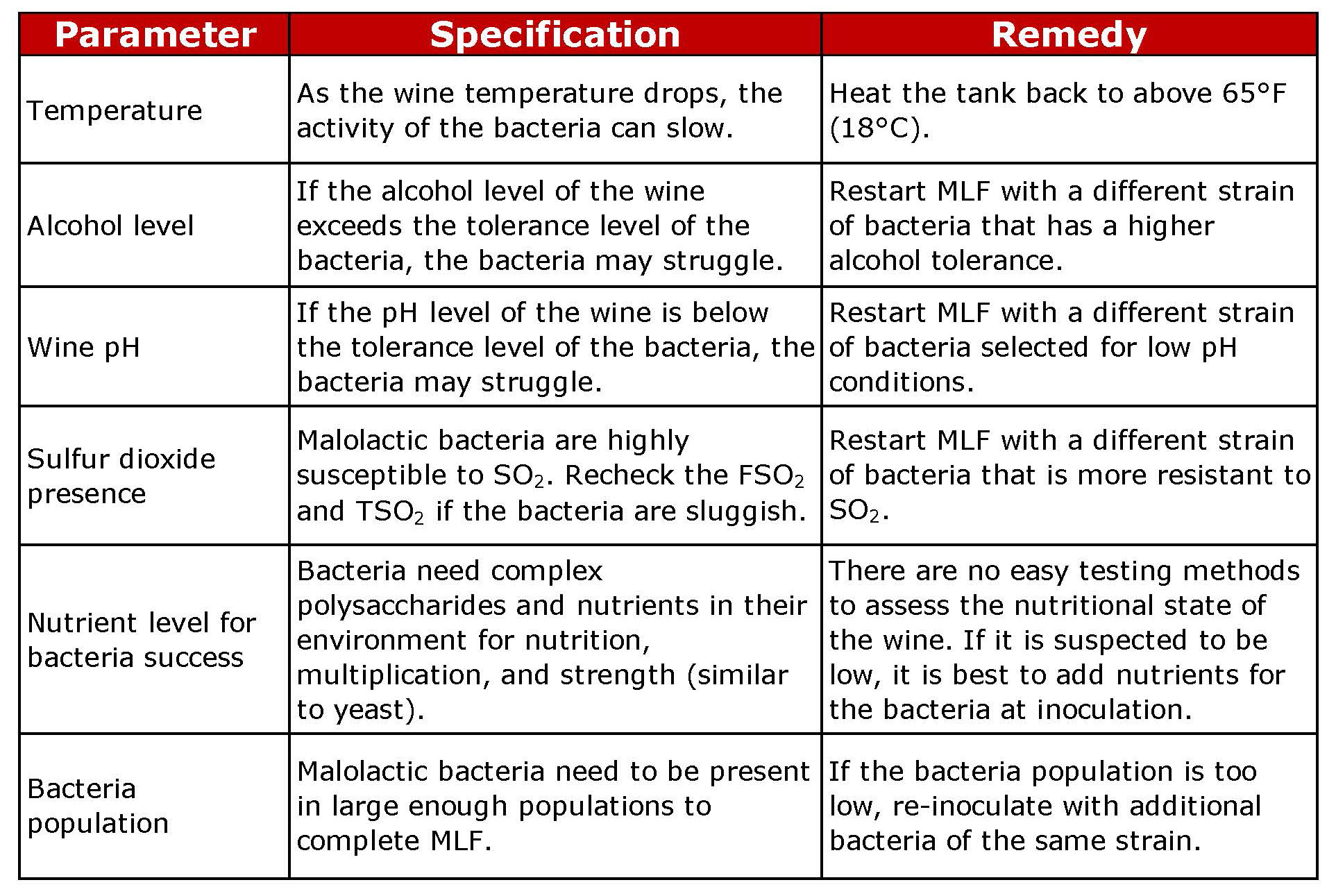
Malolactic fermentation (MLF) is crucial in winemaking for reducing acidity, enhancing flavor, and improving stability. By converting sharp malic acid into softer lactic acid, MLF softens the wine, creating a smoother, more palatable profile while also adding complexity, such as buttery or creamy notes, particularly in wines like Chardonnay. This process, which typically occurs after primary fermentation, also stabilizes the wine by preventing potential spoilage from spontaneous malic acid fermentation. MLF is common in red wines and some white wines and is often induced by inoculating the wine with a selected bacterial strain to achieve a specific texture, flavor, and overall quality of the wine. MLF is much slower and less turbulent than primary (alcoholic) fermentation; taking weeks, even months, to complete. The fermentation is complete when malic acid levels are measured below 0.1 g/L. Recommended practices for a successful MLF: For easier acclimatization, keep the wine belo
00
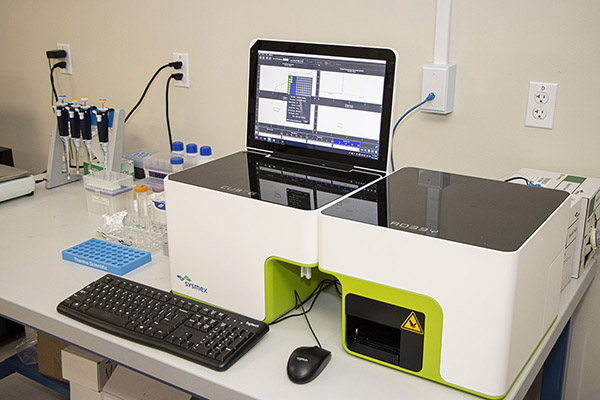
There's nothing worse than having a customer open a bottle of wine expecting pleasant aromas and instead smelling off-putting barnyard or dead mouse aromas. Because Brettanomyces bruxellensis (Brett) can ferment sugars and create unappealing flavor and aroma changes, winemakers design quality control programs to discover it early enough to correct the problem. Winemakers use several methods to identify Brett in wines and differentiate it from Saccharomyces, including microbiological culture plating. While the low cost and the average lab technician's familiarity with inoculating a sample of wine onto a nutrient agar medium to culture microorganisms make it an easy choice, there are drawbacks. "Current methods, such as microbial plating, take about seven to ten days for Brett to grow on a plate," says Daniel C. Gusmer, a program scientist in fermentation development at Gusmer Enterprises. "By that point, if you have a problem either in actively fermenting win
00
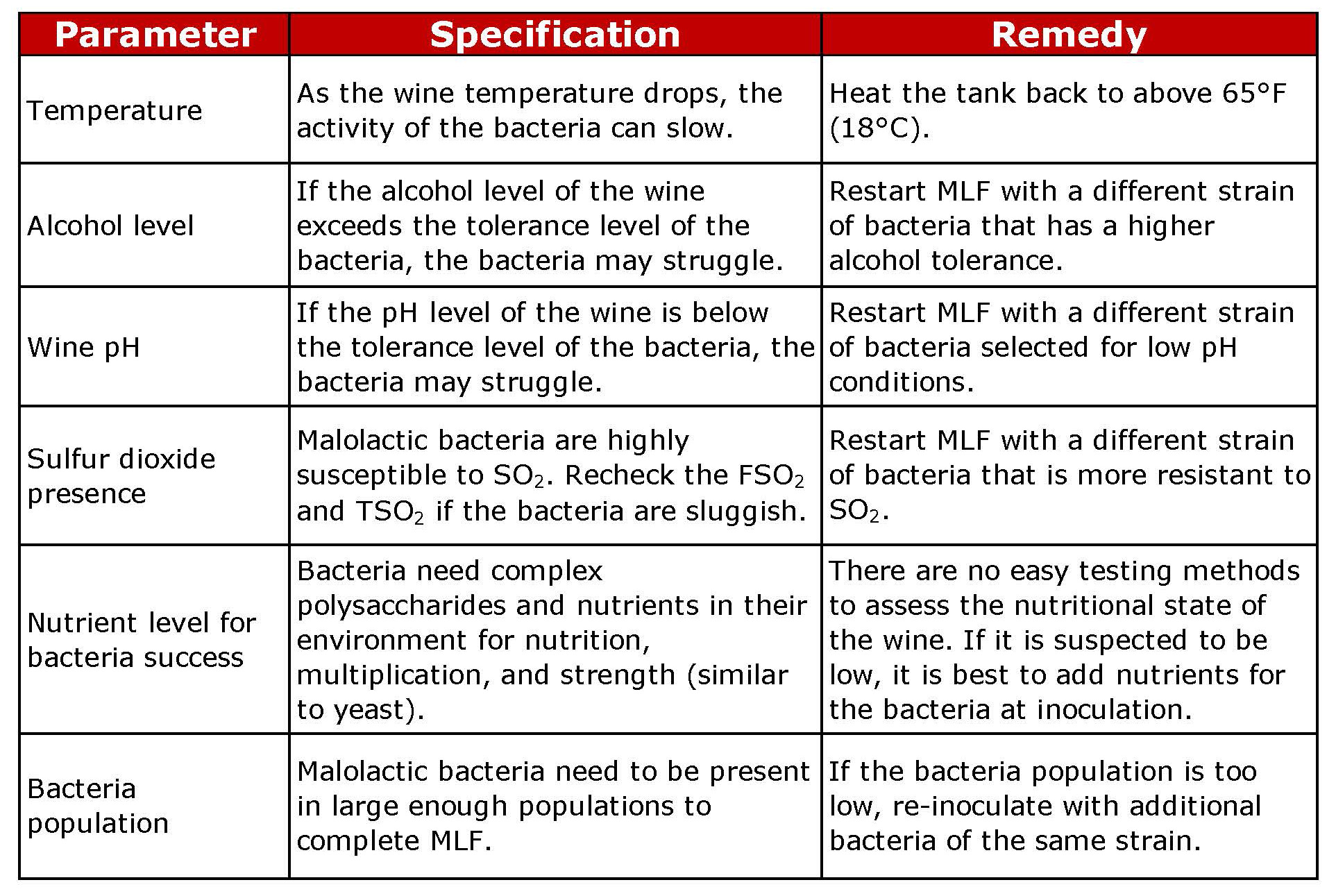
Malolactic fermentation (MLF) is a secondary bacterial fermentation that converts malic acid into lactic acid in wine. It is a common step in winemaking and is necessary for some wine styles. This process creates aroma and flavor compounds and reduces the acidity of the wine, which increases the roundness of the mouthfeel. MLF can occur naturally during or after primary fermentation or can be induced by inoculating the wine with a selected bacterial strain. It is much slower and less turbulent than primary (alcoholic) fermentation; taking weeks, even months, to complete, and truly testing the patience of an enologist. The fermentation is complete when malic acid levels are measured below 0.1 g/L. Recommended practices for a successful MLF: For easier acclimatization, keep the wine below 15% alcohol and above pH 3.1. Consult the recommendations for your selected strain of bacteria for specific parameters. Maintain a temperature between 63–77°F (17–25°C) to acti
00

August 15, 2023

Introduction In the intricate world of winemaking, stuck malolactic fermentations (MLFs) can pose significant hurdles for winemakers. However, fear not! In this comprehensive guide, we address the common challenges encountered during stuck MLFs and provide practical solutions to overcome them. From low cell counts to physiological conditions, low amino nitrogen to phenolic inhibition, and even pesticide residues, we explore each issue to equip winemakers with the knowledge and techniques necessary to achieve successful MLFs. Six Common Problems for Winemakers 1. Stuck MLF due to Low Cell Count: One of the primary causes of stuck MLF is a low cell count of Oenococcus oeni, the MLF bacteria. To tackle this issue, it is crucial to measure the cell count of the wine through microbiology laboratory testing. If the cell count is low, it is essential to investigate inhibitory compounds. The solution lies in checking the wine conditions, removing inhibi
00

September 6, 2022
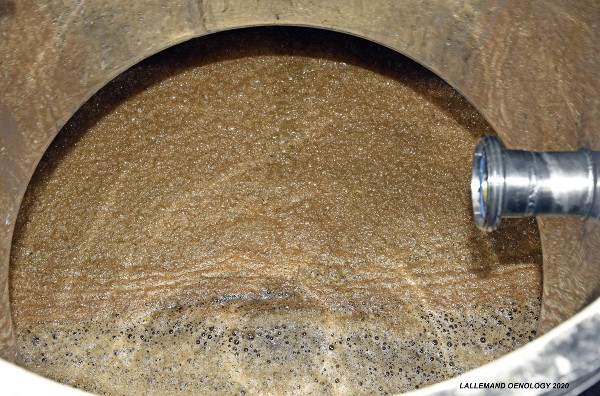
Wineries are busy, and no time is busier than harvest. A typical year is always a scramble, but labor shortages, pandemic restrictions, wildfires, and climate change forcing an early crush can accelerate that into a mad dash. As a result, any way to save time is appreciated. One shortcut some winemakers use is throwing dry yeast into the juice without rehydrating it (directly inoculating). It sounds innocent enough and checks a to-do item off their list faster than the hour or so it takes to rehydrate yeast. But winemakers may not realize that this technique may result in a fermentation that takes several days to start or becomes sluggish/stuck. So, they could be saving an hour only to lose days. This technique may also diminish the wine’s aromatic expression, resulting in a less fruity and flavorful wine. For example, Sauvignon blanc requires the action of yeasts during fermentation to convert the precursors in grapes to the thiols that produce the wine’s typical tropical
00

As we are getting close to the end of harvest, we start to see slower end of fermentation. Toward the end of fermentation, the conditions for yeasts are not at their best: Low viable yeast population, Slow yeast metabolism, High alcohol, Low nutrients, Low temperature and Residual sugars… Waiting is not without consequences… A sluggish or stuck fermentation is an open door for microbial contaminations, which often result in VA production, Brett taint, biogenic amines, mousiness, … thus reducing wine quality. A sluggish or stuck fermentation also have some economic impact as it causes delay in production and requires specific wine treatments, labor intensive. Be proactive, don’t wait and finish fermentation right away. We have developed a successful, simple approach to finish fermentation, prevent stuck fermentation without the hassle of a restart. We recommend a late inoculation with 30 g/hL of L.A Bayanus, simply rehydrated with 30 g/hL of OenoStim
00