
Filter Post Type
NewsVideoProductEventLink
Sort:
Most Recent
1–10 of 22

September 10, 2025

In today’s wine industry, tasting room reservations are not just operational tools — they are strategic levers. According to the 2025 SVB State of the Wine Industry Report, tasting room visitation remains one of the most powerful drivers of Wine Club acquisition and the second-largest contributor to direct-to-consumer (DTC) revenue, following wine sales themselves. Yet, as consumer visitation patterns evolve, how wineries manage reservations — whether through third-party platforms or built-in tools — has become a critical decision. The right choice can impact everything from guest satisfaction and Wine Club conversion to brand control and long-term revenue growth. Let’s explore the two primary approaches wineries use today: • External reservation platforms (e.g., Tock) • Built-in reservation flows on the winery’s own website External Reservation Systems: Convenience with Constraints
00
.jpg)
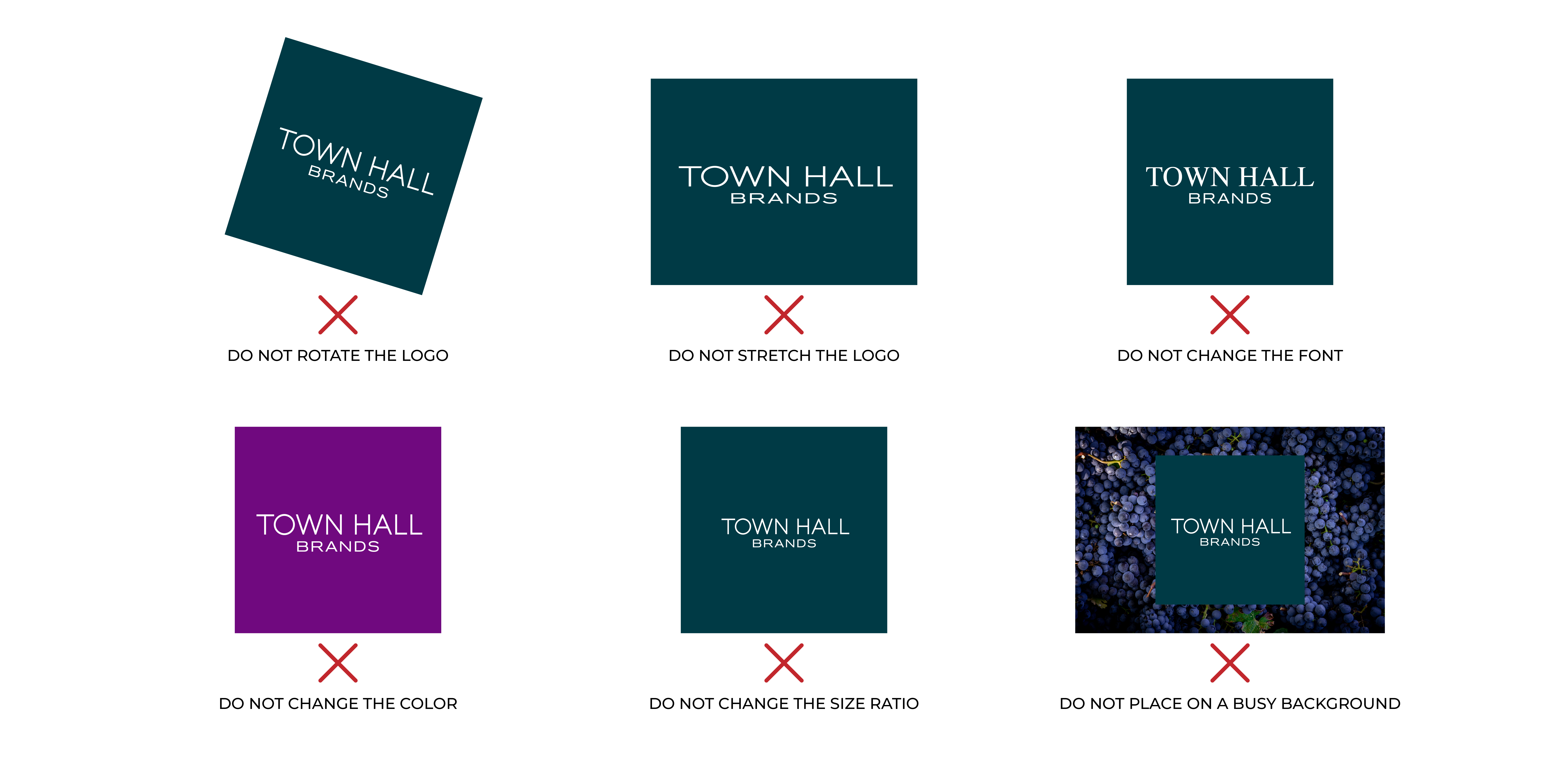
Logos are a visual symbol used to represent your brand, often a relatively simple graphic but don’t underestimate its importance. We are sharing our best practices for logo usage to preserve this important piece of brand recognition. LOGO FILE TYPES There are multiple file types used for logos, each with their own benefits and ideal uses. Selecting the file type that best matches the application will ensure your logo is looking its best. At Town Hall Brands we work with logos in three formats: JPEG, PNG and Vector JPEG is the image file extension that you may be most familiar with as it is commonly used for photographs. The benefits of this file type are compressed files that load quickly with web applications. The drawback when using a JPEG logo is the solid background, when placed over a photo or colorful background a JPEG logo will have a white background preventing the logo from integrating with the larger design. When to use: website and digital formats where small or comp
00
July 30, 2025

Choosing the right closure for wine bottles is a crucial decision for winemakers, as it directly impacts the quality, aging potential, and environmental footprint of the wine. In recent years, alternative closure materials, such as aluminum and plastic, have emerged alongside traditional cork stoppers. In this article, we will compare cork, aluminum, and plastic as materials for wine closures, examining their sealing ability, production resource use, environmental impact, and other relevant aspects. By understanding the characteristics of each material, we can make informed decisions that balance tradition, innovation, and sustainability in the wine industry. Sealing Ability Cork Cork production is a sustainable process that relies on the careful harvesting of cork oak bark, a process that supports the health and longevity of cork oak forests, which act as valuable ecosystems. Harvesting cork does not require cutting down trees, as the bark regenerates naturally. Furthermore, co
00
April 15, 2025
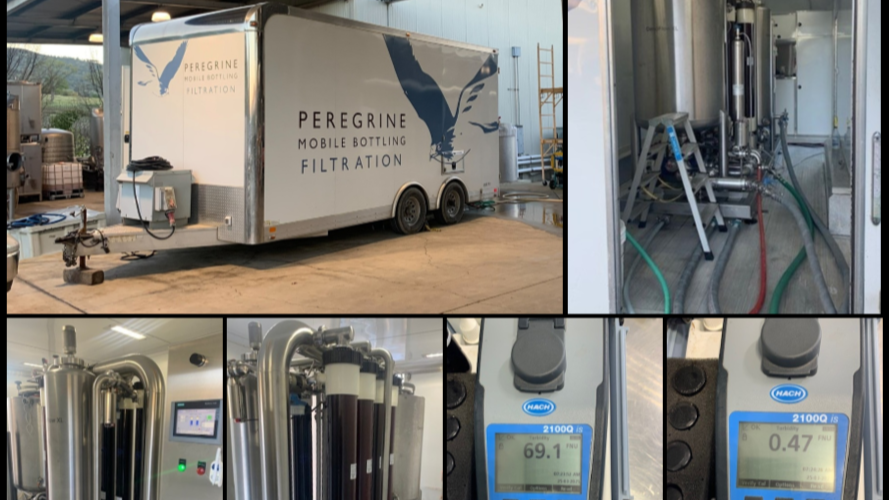
Introduction: Raising the Bar for Quality and Efficiency in Winemaking In today’s competitive wine industry, producing a high-quality product is no longer optional - it’s essential. Wineries of all sizes are constantly looking for ways to optimize their processes and improve quality. With Pall Crossflow Filtration, KH Tec Gas Management and Krones / Kosme Bottling Equipment, Peregrine is at the forefront of technology. In today’s report we want to focus on the critical area that often gets overlooked: filtration. At Peregrine Mobile Bottling, we believe the right filtration technology operated by an experienced technician can be a game-changer. That’s why we’ve invested in the latest crossflow filtration systems to ensure your wines maintain their integrity, clarity, and taste from tank to bottle. In this article, we’ll explore the transformative power of crossflow filtration technology and how our services can help wineries in Napa, Sonoma, Mendoci
00

April 10, 2025
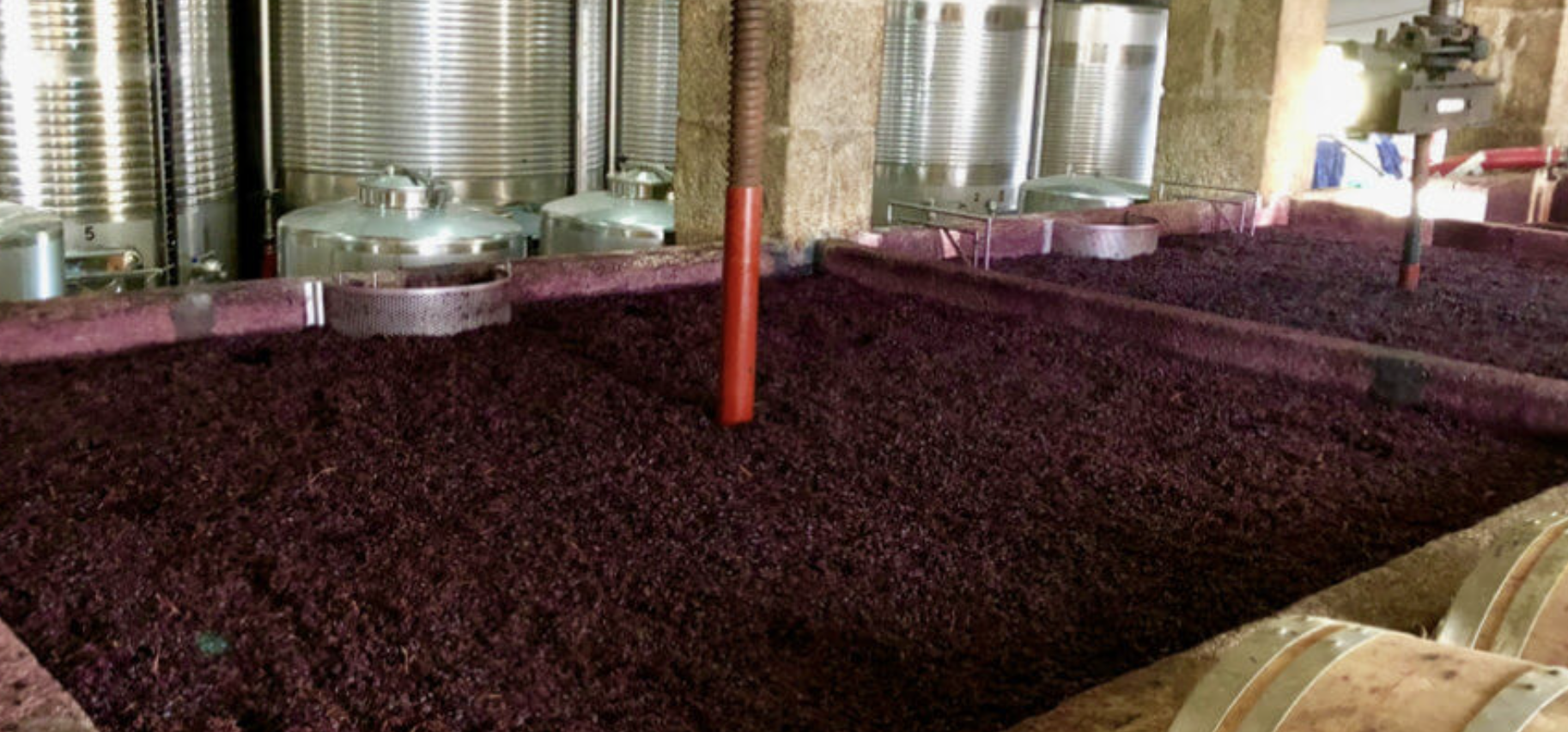
The process of making wine is deeply influenced by several factors, including grape fermentation, yeast strain, and fermentation temperature. Among these, temperature control methods are essential for achieving a well-balanced and high-quality finished wine. Attempting to ferment wine in extreme conditions (either too cold or too hot) can negatively impact the entire fermentation process, resulting in poor flavor development and an unbalanced profile. Understanding the best temperature for fermentation based on the type of wine being produced ensures that complex flavors, aroma retention, and structural integrity are preserved. What is the Best Temperature to Ferment Wine? Finding the best temperature for wine making is not a one-size-fits-all approach. Different wines require different conditions for fermentation, which is why winemakers must carefully monitor and regulate temperatures throughout the process. As a general rule, red wines ferment at higher temperatures for shorter per
00


Afternoon Brief: Tariffs Could Hit California Growers Hard
The proposed 200% tariff might have a paradoxical effect: it could encourage big US wineries to import more foreign bulk wine to replace wine made from California grapes. This is because of a tax loophole called a "duty drawback"...
Los Angeles International Wine & Spirits ChallengeAsian Wine Association of AmericaFull Cup SolutionsAlameda County Fair Wine CompetitionsVinexpo America 2025Wine & Spirits Wholesalers of AmericaGuildSommD.O. CavaRack & RiddleNomadicaDutton-Goldfield WineryR.F. MacDonald Co.Verallia USACiatti CompanyFlextankFoolhardy VintnersInnumero WinesWeathered Vineyards & WineryThe Duckhorn PortfolioChateau MontelenaJ. Lohr Vineyards & Wines
00
Afternoon Brief: Tariffs Could Hit California Growers Hard
The proposed 200% tariff might have a paradoxical effect: it could encourage big US wineries to import more foreign bulk wine to replace wine made from California grapes. This is because of a tax loophole called a "duty drawback"...
Los Angeles International Wine & Spirits ChallengeAsian Wine Association of AmericaFull Cup SolutionsAlameda County Fair Wine CompetitionsVinexpo America 2025Wine & Spirits Wholesalers of AmericaGuildSommD.O. CavaRack & RiddleNomadicaDutton-Goldfield WineryR.F. MacDonald Co.Verallia USACiatti CompanyFlextankFoolhardy VintnersInnumero WinesWeathered Vineyards & WineryThe Duckhorn PortfolioChateau MontelenaJ. Lohr Vineyards & Wines
00

January 9, 2025
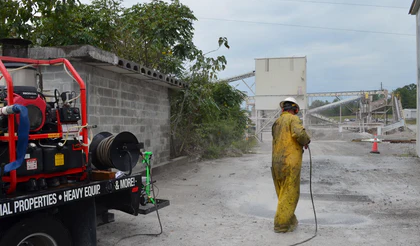
Choosing between a gas or electric pressure washer can be a challenge, especially if you’re unsure which one best suits your cleaning needs. Each type offers unique benefits, making them ideal for different applications. Let’s break down the pros and cons to help you decide which pressure washer is right for you. Gas Pressure Washers Gas pressure washers are powerful, versatile tools designed for heavy-duty cleaning tasks. Benefits: High Power: Gas pressure washers typically offer higher PSI (pounds per square inch) and GPM (gallons per minute), making them perfect for tough jobs like stripping paint or cleaning large outdoor areas. Mobility: Without the need for an electrical outlet, gas models are portable and can be used in remote areas. Durability: Designed for demanding tasks, they’re often built with robust materials that can withstand frequent use. Considerations: Noise Levels: Gas models are louder, which may be a drawback in residential neighborhoods. Mainten
00
December 16, 2024

Wine Duty Drawback: Boosting Exports or Hurting Domestic Growers?
This government trade policy is a double-edged sword By Jeff Siegel Stuart Spencer, a winemaker and the executive director of the Lodi Winegrape
00

Controlling the oxygen level in wine is critical to the winemaking process. Too much oxygen can result in a shorter shelf life, color loss or browning, a shift from fresh and fruity to off-note aromas, a flat taste, and a thin, lackluster mouthfeel. Too little oxygen can lead to stuck fermentations, sulfury off-tastes, tannins that fail to soften, underdeveloped aromas, and a lack of complexity. The winemaker's solution is to eliminate oxygen in different stages of the winemaking process, including sparging, transferring the wine, and bottling. In sparging, nitrogen gas is bubbled through the wine to remove any suspended oxygen in the liquid. In the transfer process, nitrogen pushes the wine from vessel to vessel or into the final packaging. In bottling, nitrogen evacuates oxygen from the bottle's headspace to extend the wine's shelf life. There are many other applications, making nitrogen gas an essential tool in the cellar. Shrinking Nitrogen's Cost "The #1 con
00