
Filter Post Type
NewsVideoProductEventLink
Sort:
Most Recent
1–10 of 51

April 15, 2026

Studio Production Lead at Outshinery
00
March 16, 2026
The U.S. Department of Agriculture (USDA) is offering up to $1 billion of financial aid to American producers of certain specialty crops, including growers of wine grapes, through its new Assistance for Specialty Crop Farmers (ASCF) program. Per USDA’s recent press release, the goal of the ASCF program is to “help address market disruptions, elevated input costs, persistent inflation, and market losses from foreign competitors engaging in unfair trade practices that impede exports.” USDA’s Farm Service Agency (FSA) is responsible for administering the ASCF program and will issue one-time bridge payments to qualifying farmers. To be eligible for an ASCF payment, specialty crop producers must meet the following requirements: Be actively engaged in farming; Have risk and interest in the eligible planted commodity; and Report 2025 planted acreage to FSA by 5 p.m. ET on March 13, 2026. ASCF payments will be calculated based on reported 2025 planted acres, and commo
00

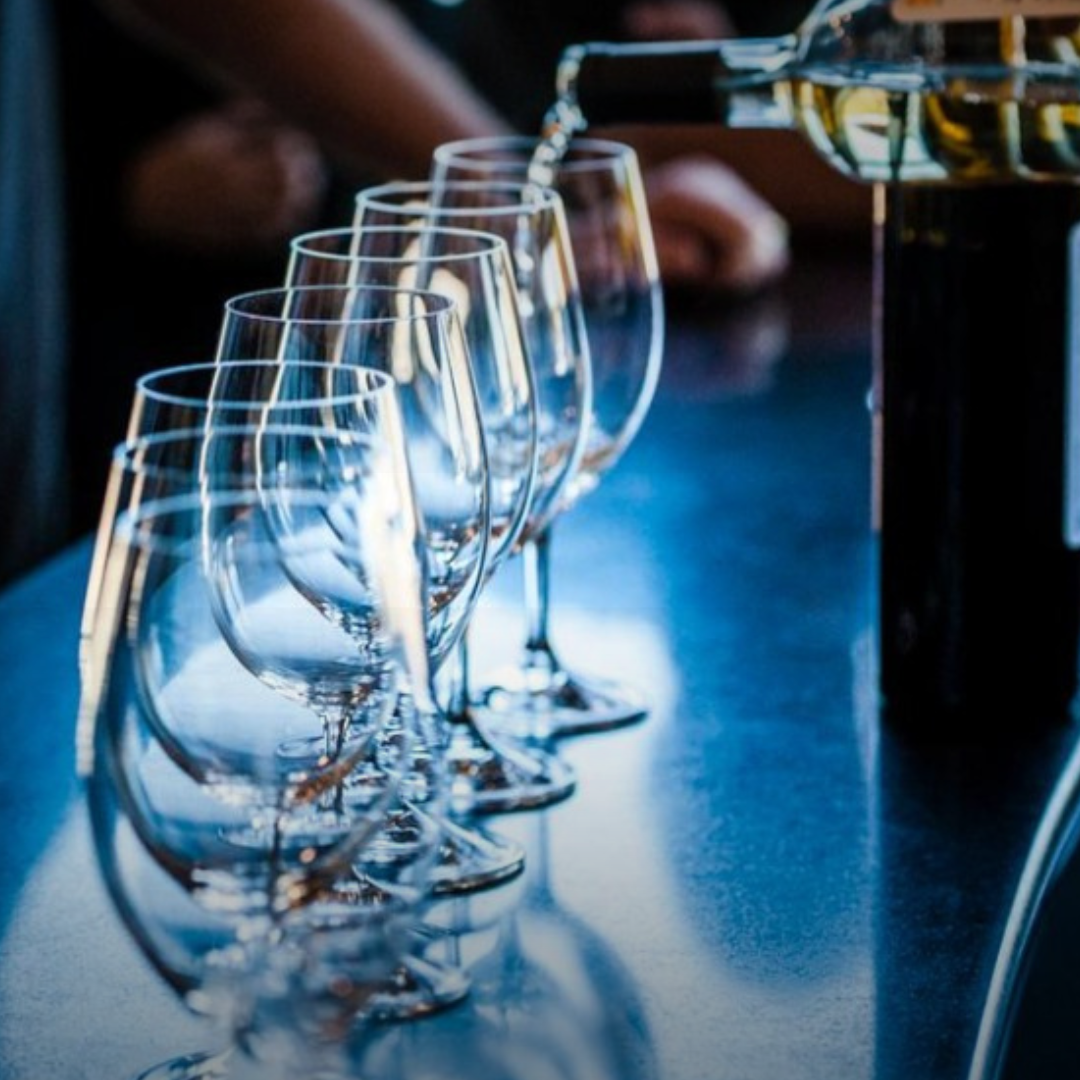
When a Washington winery transitions to Shopify POS, the visible experience in the tasting room doesn’t change dramatically. Guests are still welcomed. Wine is still poured. Bottles are still sold. What changes is operational structure. For many wineries in WA, POS, ecommerce, wine club management, and event sales have evolved independently over time. The result is often fragmented inventory, duplicate reporting, manual discount adjustments, and reconciliation across multiple systems. A unified POS and ecommerce platform shifts that dynamic. Inventory lives in one environment. Online and in-person sales draw from the same pool. Wine club profiles are accessible at checkout. Member discounts apply automatically. Reporting reflects consolidated channel data instead of stitched-together exports. The impact isn’t cosmetic, it’s operational clarity. In practical terms, wineries typically see: Reduced inventory discrepancies&n
00


Afternoon Brief: US Census Report Shows Wine and Beer Exports Collapsed by $472 Million in 2025
US wine and beer exports plummeted by $472 million in 2025, a 26 percent drop from 2024 figures, a new report from the U.S. Census Bureau shows...
00

A question I’ve been thinking about lately: Do your tasting room systems actually work together, or do they just coexist? For many small WA wineries, the setup feels fine on the surface. You launch ecommerce. You add a POS. You manage your clubs. You run reports. Sure everything functions. But a few deeper questions tend to reveal where things get… shall we say, murky. Does tasting room purchase history show up cleanly in online customer records? If someone joins your club at the counter, does that status automatically reflect in your segmentation? When inventory changes, does every channel update right away? Can you pull one report that includes tasting room, online, and event sales - and trust it? Or is the answer sometimes… “Well… kind of.” That “kind of” is where small inefficiencies hide - extra exports, reconciliations, double-checking report
00

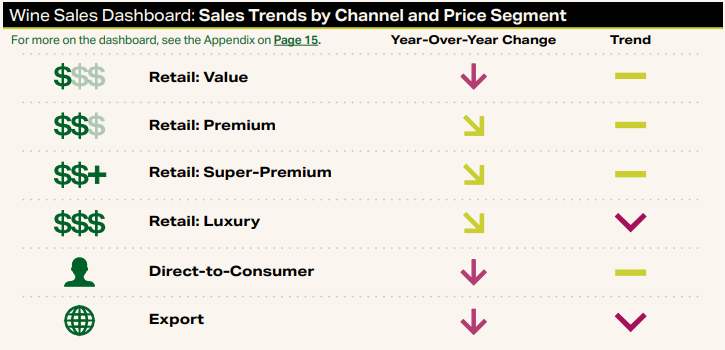
An exceptionally small 2025 grape harvest would help balance wine inventories and potentially stimulate grape demand next year There wasn’t much change in the complexion of the wine market in the third quarter. Sales continued to decline across channels and price points, though at varying rates. Some segments improved while others worsened. Wine exports continued to flag because of provincial bans in Canada. I continue to believe the slump is mainly structural, particularly at the lower end of the market (see Page 3). But I also believe economic factors such as inflation and depressed consumer sentiment have played a role, and I expect wine sales to firm up once the economic backdrop improves. Unfortunately, we aren’t expecting much change in the economy, for better or worse, in the months ahead, so the wine market isn’t likely to see much improvement either. 2025 was a painful year for California grape growers. Weather was an issue, but the grape market p
00
January 6, 2026
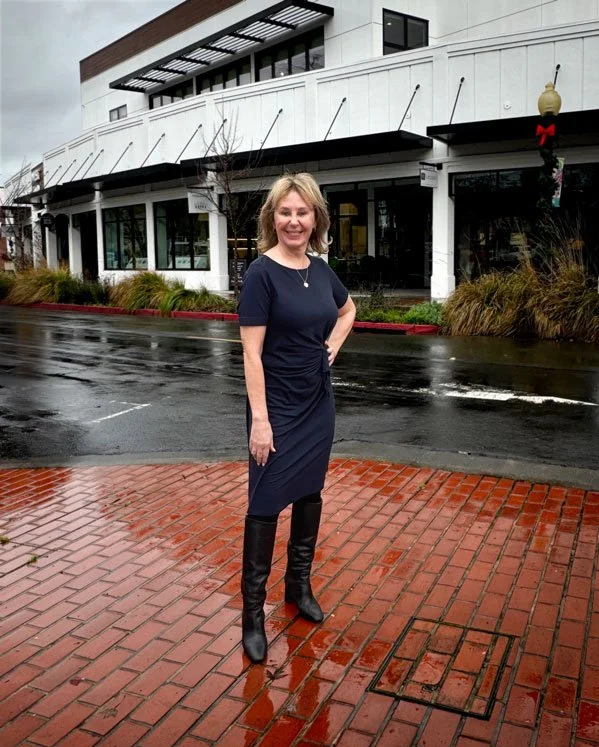
Napa, CA (January 6, 2026) – Dickenson Peatman & Fogarty (DP&F) is pleased to announce that attorney Tracy Genesen, former Vice President and General Counsel for Wine Institute, has joined the firm’s Alcohol Beverage Law and Compliance (ABLC) practice group. Tracy is internationally recognized for her legal work in the alcohol beverage industry. At DP&F she will continue providing incisive, strategic counsel to help business owners and operators successfully navigate the challenges inherent to highly regulated industries, including those for wine, spirits, and ready-to-drink beverages (RTDs). “We are thrilled to have Tracy join our team and further expand our deep bench of attorneys with expertise in the alcohol beverage space,” said DP&F managing partner John Trinidad. “She has been at the forefront on the key legal and policy issues – both domestic and international – that alcohol beverage businesses face: advertising a
00

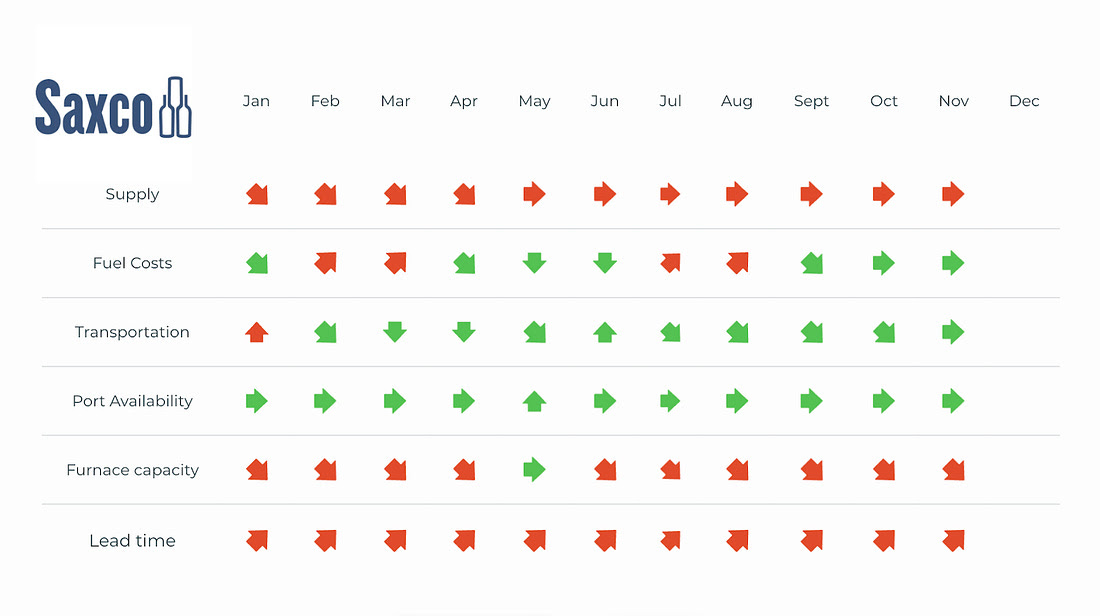
A pause in the fever dream of instability October arrived not with fanfare but with something rarer: Quiet. After a year of collective anticipation for more and more problems, what occurred was a respite. The tariffs are stalled, and the early indications from the Supreme Court suggest they are still in flux and will be a topic for discussion on a future date. Fuel costs have stabilized, as have ocean freight rates. There is a peculiar quality to this pause. It is that in-between moment that makes it hard to understand if wineries should keep their guard up or, finally, tentatively lower their shoulders. The glass half empty, half full The supply chain in October was like a strange dance. Everything remained unchanged – neither improving dramatically nor deteriorating. Just... holding. Diesel slipped from $3.748 to $3.679 per gallon, a decline so modest it barely registers as movement. But after months of upward pressure, even sideways feels like progress. Ocean rates hit bottom
00
October 20, 2025
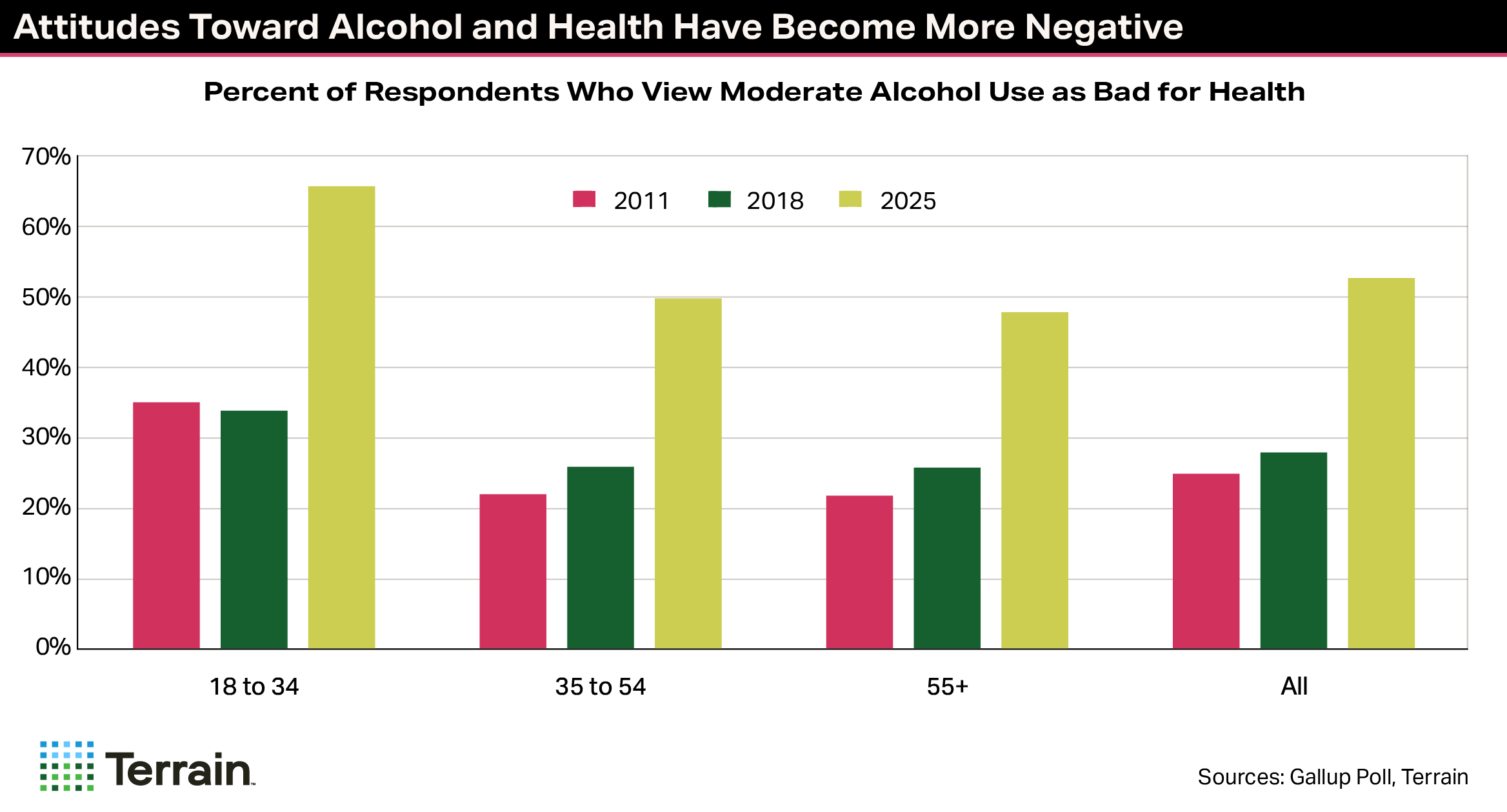
It’s no secret that people are drinking less. The consistent, downward trends in alcohol consumption are presenting significant challenges to the wine industry, which is already having to operate in a complex, competitive marketplace. In order to dissect what is happening in the world of wine and figure out how to make adjustments, industry leaders need solid information on which to base their current business practices and future projections. Fortunately, the industry has Terrain, a group of experts providing exclusive insights and forecasting to customers of American AgCredit and other participating Farm Credit associations in order to promote a more vigorous agricultural economy. Chris Bitter, Ph.D., a senior wine and grape analyst with Terrain and American AgCredit, has recently written two comprehensive articles for "Winescape", a publication that delves into current wine sales data and explores what those show about trending topics such as overall alcohol consump
00
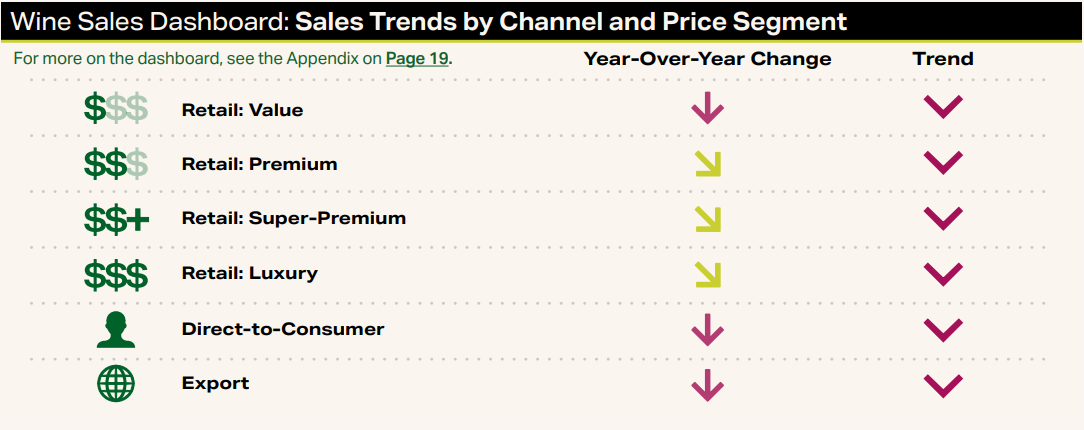
Price-sensitive consumers have kept a lid on wine sales this year, while grape sales are likely to remain slow. As for the moderation movement, a range of factors are contributing. It was a disappointing first half of the year for U.S. wine sales as a shaky economic backdrop quashed the signs of progress that were evident in late 2024. Nonetheless, there has been modest improvement in some areas since spring. Retail wine sales fell across price segments in the first half but declined at a slower pace in the second quarter than in the first (see Page 3). Following a bleak first five months of 2025, direct-to-consumer sales, while still down, firmed in June and July. Alternatively, exports deteriorated markedly in the second quarter as shipments to Canada collapsed. Unfortunately, I am not expecting much improvement in the near term. The economic outlook remains murky, but the Terrain team believes that slow economic growth, a gradually eroding labor market, and sticky
00