
Filter Post Type
NewsVideoProductEventLink
Sort:
Most Recent
1–10 of 22

At Andavi Solutions, we interact with a wide array of wine & spirits sales teams. When it comes to those who consistently achieve high levels of sales performance, we’ve discovered 5 habits common to all of those high achievers. 1. They measure what really matters. Everyone is familiar with the “standard” Adult beverage KPIs, such as shipments, depletions, points of distribution, and accounts sold. The best-performing sales teams do not use standard KPIs to measure success; they use them to confirm results. More time and energy are spent on forward-looking metrics (leading indicators), such as: Penetration of target accounts (percentage) Sales per POD in target accounts (velocity) Retention of the best placements (re-order) At-risk accounts (downward trending sales) Account touches (who and how often) Top-performing sales teams are relentless in measuring performance, and the key is having centralized dashboards visib
00
October 25, 2023

The changing landscape of sales Nearly every advancement in professional selling is due to the use of technology. When you fold in the rapid evolution of consumer behavior - such as independent online research and social media - you have a perfect storm that will leave most salespeople bobbing precariously in the wake of forward progress. This article is intended as a wake-up call to all sales professionals in our industry. Salespeople who are comfortable with and proficient in using digital tools will reap significant advantages compared to “traditional” salespeople. The reward for the tech-savvy includes higher productivity and better customer insights. Adaptability is an attribute that will become increasingly prized as time goes on. Traditional versus modern sales methods Historically, most salespeople rely on ‘traditional’ means of selling. We are all familiar with these common methods, such as: Face-to-face appointments with samples in tow Phon
00
National account management plays a vital role in the three-tier alcohol distribution model, encompassing the management and coordination of relationships between suppliers, distributors, and national account customers. This article explores the concept of national account management, its significance, and the challenges it faces in the industry. What is National Account Management? National account management focuses on establishing and nurturing partnerships with key national account customers, including major retail chains, hotels, restaurants, bars, and other businesses with extensive geographic presence and significant purchasing power. It involves strategic sales and marketing initiatives, contract negotiation, pricing management, regulatory compliance, and revenue growth. Moreover, it entails understanding each customer’s unique requirements, developing tailored business plans, and fostering strong relationships to maximize sales and market share. Challenges in National Ac
00
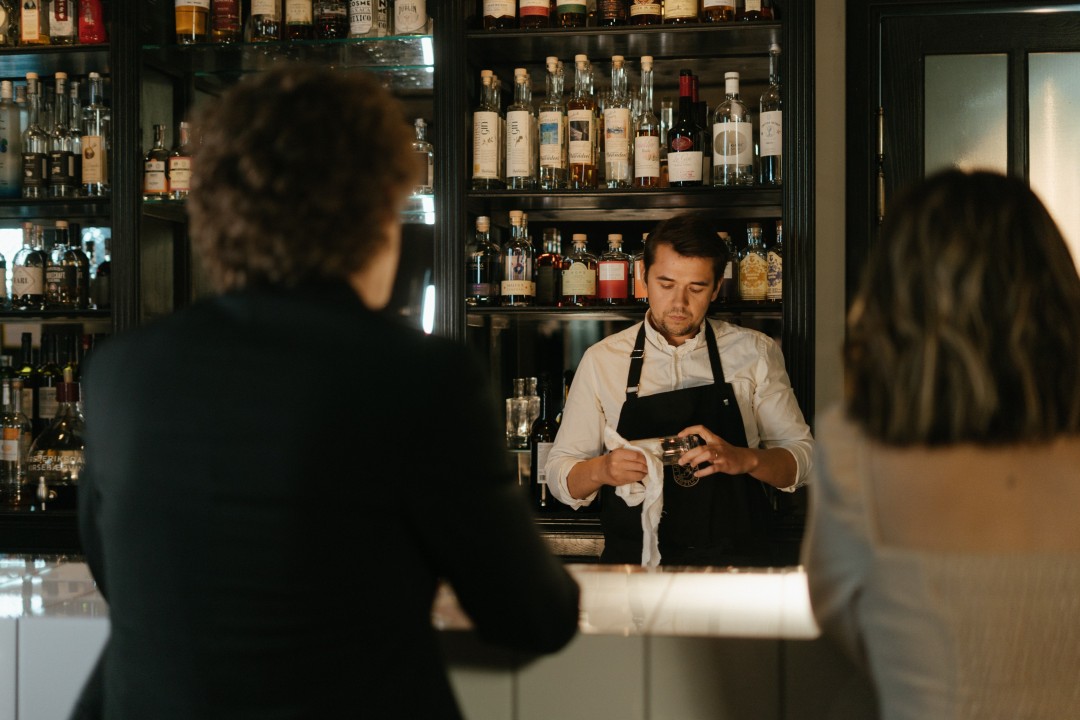
Let's get a jump start on 2023! This is your opportunity to address the common pricing challenges beverage alcohol businesses face so you can better manage (and improve) your margins, run DAs more efficiently and effectively, hone in on your brand, hit your sell-through goals, and start increasing profits. Of course, improving your processes and performance means adjusting your approach to the entire cycle of pricing and three-tier distribution management. This includes everything from promotions, depletion allowances, your QBRs, and your gross-to-net—and we can help. Continue Reading
00
Learn why competing three-tier wineries and importers need centralized pricing, promotions, and trade spend management.
00
March 21, 2022
Tradeparency is the only trade spend solution to offer 100% visibility across all your markets, promotions, and incentives with distributors. From DA's, billbacks, claims, and approvals to profitable promotion planning and analysis, Tradeparency delivers unparalleled coverage, streamlined processes, and governance across the full-cycle of your three-tier pricing management. Get complete control over your brand and bottom line today. Download the Tradeparency brochure now, and contact us for a personalized demo.
00
With finance endlessly hunting and pecking for data while sales scrambles for approvals on their ‘gut’ guess for the best pricing models and incentives with a distributor, it’s no wonder that planning and executing successful promotions are often a WAG. The problem is – while you can get lucky or play mediocre odds on accidental wins, only accessible data, accurate numbers, visibility into performance, and the ability to execute quickly in the market can help you turn the dials on consistent, repeatable profitability through promotions. It’s time to implement and execute on the Three in Three rule. What is the Three in Three rule exactly? It’s a tried and true, simple, three-step looped approach to promotions in the three-tier wine industry: Track Plan Automate. To elaborate, this means, you need to: Centralize and govern collecting the outcomes of absolutely trade programs and promotions, such as by-the-glass (BTG), depletion allowa
00
February 22, 2022
Are your three-tier pricing management tools and processes giving you the ability to price your wine and evaluate trade spending correctly? After all, tracking, optimizing, automating, and reporting on all your DAs, trade spending, and promotions is how you’ll stay competitive, protect your brand, and ensure a healthy bottom line. To help you determine if your workflows, infrastructure, or governance allow for efficient and profitable pricing management, Tradeparency’s industry data experts compiled 9 initial questions to ask and answer internally. These will help you reveal where you may have gaps in the complete cycle of your pricing management or what could be preventing you from pricing for profit effectively in the three-tier market: How do you track and analyze approved deals by product, date, region, or distributor? Can your sales managers access price grid reports on-demand? What is your process for handling exception-based managerial approval of new deals? D
00
February 7, 2022

Full Demo: Three-Tier Wine Pricing Management | Tradeparency
A recorded live, 25-minute demo to see centralized three-tier wine pricing management solution first-hand. Watch the Tradeparency demo now!
00
January 31, 2022
What Does Centralized Pricing and Promotions Management Actually Look Like? See Now! If a global pandemic and material scarcity in the supply chain weren’t already a factor, the recently released State of the Wine Industry Report 2022 (SVB) clearly shows that changing industry trends are putting more pressure on wineries to adapt to new market conditions than ever before. Premium wines sales are growing at an exceptional rate (21%), while wineries face the challenge of volume wholesale depletions decreasing in a post-lockdown market favoring spirits. It’s no wonder that the demand for centralized and governed trade spending, promotions, and pricing management within the three-tier wine industry is growing fast. Gaining complete control and visibility over the full-cycle of three-tier distribution is paramount to reining in the right incentives and market attributes for your product to stay competitive, meet your consumers where they are, and control your brand. But w
10