
Filter Post Type
NewsVideoProductEventLink
Sort:
Most Recent
1–7 of 7

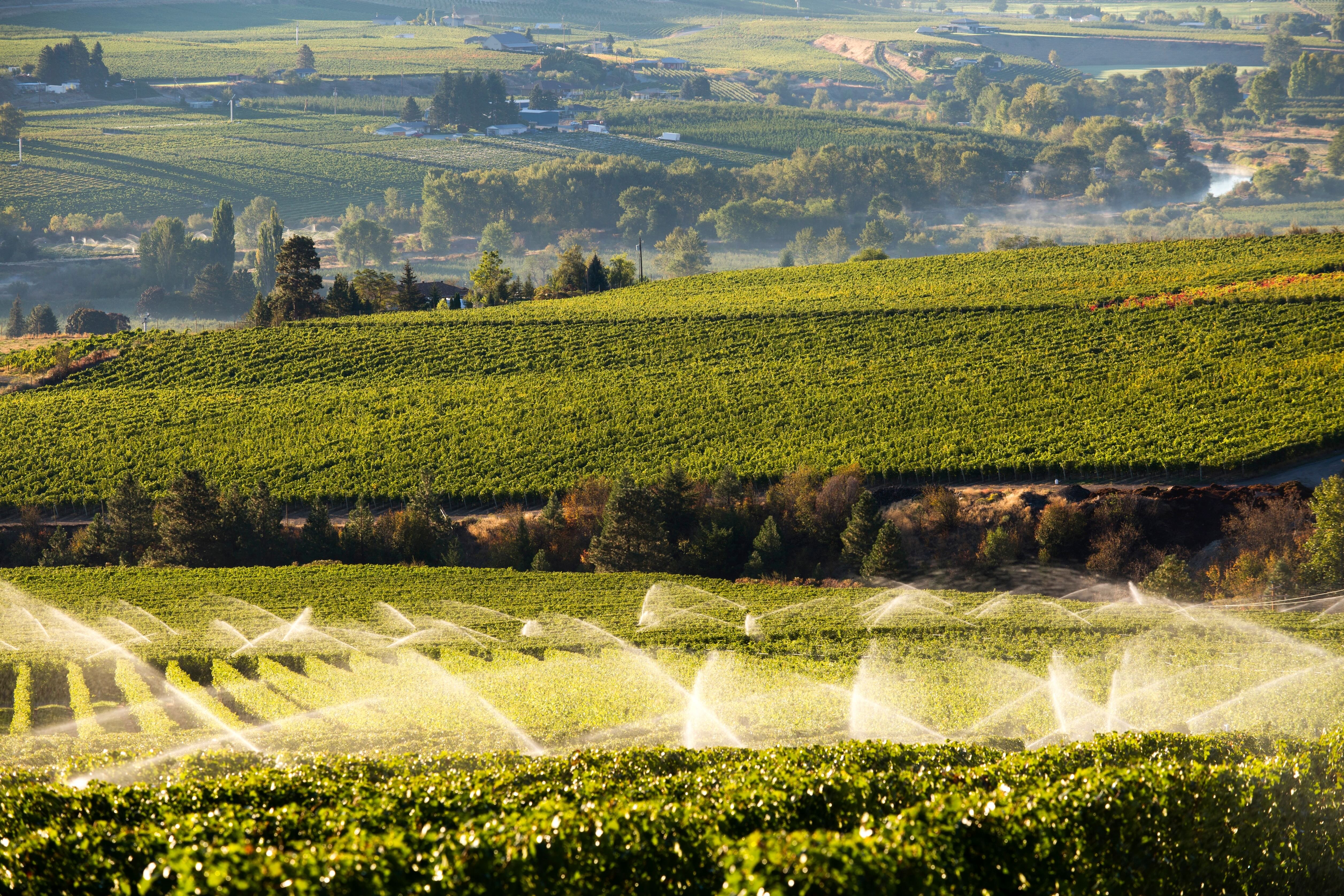
Declining groundwater levels and increasing pressure under the Sustainable Groundwater Management Act are changing how California wine growers think about water. What was once largely an operational concern is now directly tied to long-term viability, regulatory compliance, and sustainability planning. These issues were front and center during a session at the 2025 WIN Expo, where vineyard operators, hydrologists, and county leaders discussed how groundwater management is evolving and what growers can do to stay ahead. Moderated by Val King, Director of Channel Partnerships at Verdi, the session underscored a clear reality. There is no single solution, but there is a shift toward local control, better data, and practical changes in vineyard management. SGMA Was Built to Be Local, Not One-Size-Fits-All Your browser does not support HTML5 video. SGMA is often misunderstood as a rigid, top-down mandate. In reality, it was designed around California’s variability in geology, climate
00

Sustainable farming practices are essential for protecting the environment, improving long-term agricultural productivity, and supporting healthy communities. In fact, many of the methods highlighted today are shared across a variety of certification programs, from sustainable certifications like SIP Certified to regenerative programs like Regenerative Organic Certified (ROC). While each certification has its own specific requirements, the core principles of responsible farming remain consistent. In this week’s Marketing Tip, we’ll take a closer look at three key areas – Water Management, Soil Health, and Habitat Preservation – and how sustainable farmers manage them to ensure future success. Water Management Water is one of agriculture’s most critical resources. Sustainable farmers work carefully to both use water efficiently and protect water quality. Efficient Irrigation Anyone who has struggled to keep a plant alive knows that plants
00

Lange Twins has implemented individual regenerative practices but now they are asking, what would happen if they stacked them? Kendra Altnow, Sustainability Manager at Lange Twins Family Winery & Vineyards and a 5th generation Lange shares Project Terra. The goals are to increase biodiversity, build and enrich the soil and improve watersheds through shifting farming practices, restoration, and conservation. They are accomplishing this through grazing livestock, establishing permeant ground cover, reducing tillage, improving native habitat, and reducing reliance on herbicides, insecticides, and fungicides. LISTEN IN Resources: REGISTER | June 12, 2024 : Regenerative Agriculture in a Production Vineyard 2.0 Tailgate 121: Regenerative Agriculture (Rebroadcast) BIFS Field Day Cover Cropping and Livestock Grazing for Regenerative Agriculture Blue Point Conservation Science California Department of Farming and Agriculture Center for Land Based Learning Commun
00

Trying to manage the weeds in your vineyard? John Roncoroni, Weed Science Farm Advisor Emeritus with the University of California Cooperative Extension, Agriculture and Natural Resources covers control practices including biological, mechanical, cultural, chemical, and perhaps in the future, electrocution. Although weeds rarely compete with vines, they can host insect and vertebrate pests and get in the way of pruning crews, increasing labor costs. Listen in for John’s number one tip to better manage weeds in your vineyard. LISTEN IN Resources: 128: A New Focus on Weed Management (Rebroadcast) 26th IPM Seminar #1: Sustainable Weed Management for Vineyards and Vineyard Ponds Herbicide-resistant weeds challenge some signature cropping systems (Journal article) John Roncoroni MAINTAINING LONG-TERM MANAGEMENT: Herbicide-resistant weeds challenge some signature cropping systems Post-harvest Weed Control with Napa RCD and John Roncoroni (video) Sus
00

Event Type: Seminar
Location: Mission Trails Vineyard 8684 Bell Street Los Alamos, CA 93440
Date: 6/12/2024
A sequel to our Regenerative Agriculture Tailgate in 2023: Visit a production vineyard with an ongoing, long-term investigation into the adoption of regenerative practices. This Tailgate picks up on the research shared at the 2023 Tailgate hosted at Jackson Family Wines. REGISTER Bart Haycfraft of Jackson Family Wines will give an update on their long-term regenerative research project including soil health, cover-cropping, and fruit quality. Plus, he will discuss how to measure “improvement” or progress and what tools can be used. Taniell Liepner of Biomemakers will present research to assess the soil microbiome, as well as recent projects to improve soil health. Jo Ann Baumgartner (Wild Farm Alliance) will join in to discuss how to support beneficial birds in the vineyard by evaluating the food, water, cover, and having a nesting habitat present. She will educate attendees about the natural pest management strategies of putting up nest boxes and usin
00

April 1, 2022

As a convenient push-button source of measurement data, near infrared (NIR) analysis has significant potential to supplement chemical analysis solutions for testing, particularly for key parameters such as organic carbon. The use of NIR is gaining momentum as progress with the complicated business of calibrating NIR equipment for soil samples opens the way for more sustainable and efficient tests. The lab assistant pours a cup of grain into the top of an instrument, taps the touchscreen to start a test and then barely has time to look-up before the multi-parameter results pop-up on the display. For anyone working with quality control in areas such as grain handling, the advantages of rapid and convenient analysis with near infrared (NIR) instruments have long been obvious as an alternative to slower reference analysis and the hazardous chemical waste that goes with it. So if NIR is already proven for jobs such as the analysis of grain, feed, dairy powder, soymeal and myriad other app
00

January 12, 2022
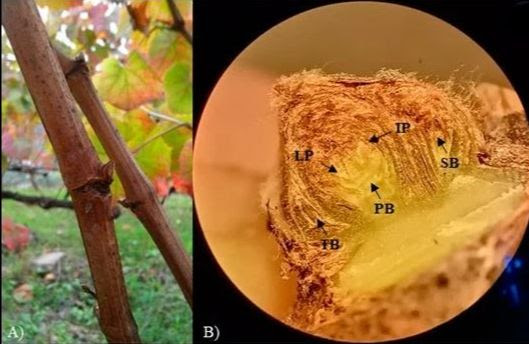
We were recently contacted by a grower distraught over his consistently low yield. Yield-quantity is a funny thing for producers of quality grapes destined for fine-wine production. Growers love a heavy year but winemakers are weary of over-cropping. Usually on a high-crop year, much of that crop ends up dropped. It’s hard to find that happy medium that satisfies both parties. When what you’re bringing in can’t cover farming costs, that’s a problem for everyone. The usual suspects...and it's not Kevin Spacey Shatter or “coulure” (from the French word couler meaning to fall off or leak) brought about by abortion of flowers or ovaries is a typical reason for a light crop. Flowering is a very delicate time during the vintage. If your vines are water-stressed you might find that flowers never set, i.e. turn into berries. If nutrients are out of whack, you might find the same thing. An excess of nitrogen or deficiency of boron or zinc, for instance, c
00