
Filter Post Type
NewsVideoProductEventLink
Sort:
Most Recent
1–10 of 111
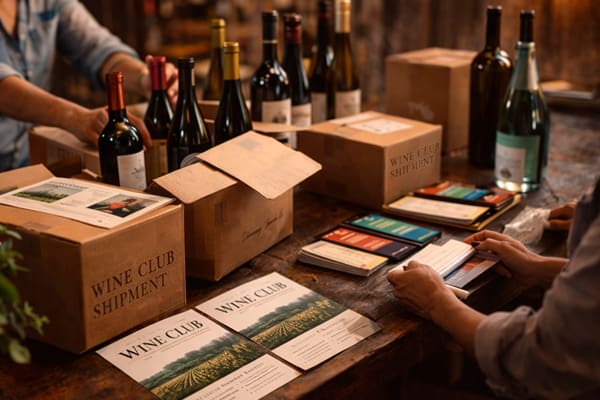
Why Wine Clubs Aren’t Working, And What’s Replacing Them For many wineries, the biggest challenge today isn’t attracting new customers; it’s keeping the ones they already have. Wine clubs once represented the most stable revenue engine for wineries. Members signed up, shipments went out quarterly, and predictable revenue flowed in. It was the foundation of direct-to-consumer success. But that foundation is cracking. Recent industry data reveals a troubling trend: nearly 40% of wine club members cancel within the first year. In a market where customer acquisition costs are climbing, and competition for attention has never been fiercer, losing members at this rate isn’t just a retention problem; it’s a profitability crisis. The math is unforgiving. If acquiring a new club member costs hundreds of dollars in marketing, tasting room labor, and incentives, losing them before they’ve generated meaningful lifetime value means wineries are bleeding money with every signup. And yet, some winer
00
April 9, 2026
Advantages of early AI search visibility for wineries and how-to system for achieving results. AI is quickly becoming the first place consumers turn when deciding what wine to buy, which winery to visit, and what experiences are worth their time. For wineries, this shift represents more than a new marketing channel. It is a fundamental change in how discovery, consideration, and purchase decisions are made. The key insight: AI search visibility compounds over time. Wineries that invest early in being visible, understandable, and trusted within AI-driven search environments gain a measurable advantage that grows. Each mention, citation, and recommendation strengthens future visibility, creating a flywheel effect that late adopters will struggle to match. This is not about quick wins or isolated tactics. It is about building a durable presence across the digital ecosystem that AI systems rely on to generate answers. As these systems learn from consistent signals, brands that show up earl
00
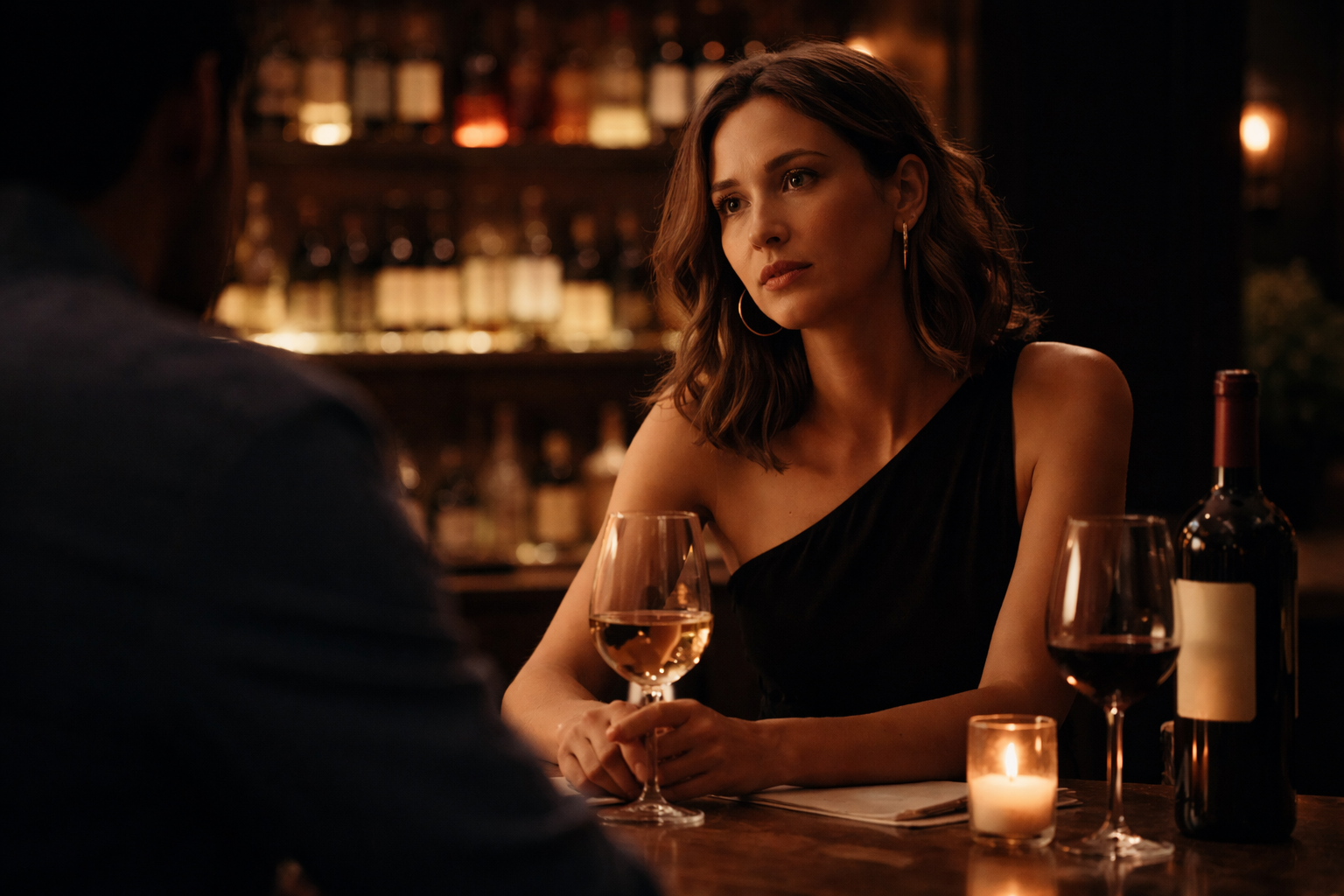
For most wineries, marketing still follows a familiar path: email campaigns, wine clubs, tasting room experiences, and social media. These channels continue to drive direct-to-consumer sales, but they are also becoming increasingly saturated. Reaching new customers often requires more content, more spend, and more competition for the same audience. At the same time, another force is shaping consumer behavior at scale—film and television. A single streaming series can influence travel, dining, fashion, and brand awareness almost overnight. Within those moments, wine is already present. It appears in dinner scenes, celebrations, restaurants, and quiet evenings at home, serving as a natural extension of lifestyle and hospitality. Historically, however, the bottles used on screen have rarely represented real wineries. That is beginning to change. Wine product placement is emerging as a viable and strategic marketing channel for wineries looking to expand beyond traditional touchpoin
00
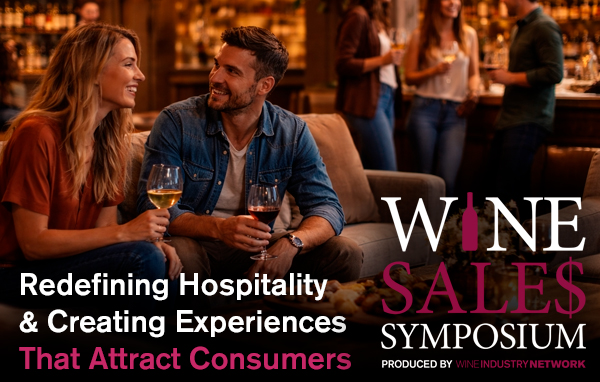
From hospitality-driven visitation to loyalty and strategic partnerships, the Wine Sales Symposium explores where revenue growth is coming from now The path to winery growth looks different than it did even a few years ago. Today’s most successful wineries are not relying on a single channel or a single tactic. Instead, they are building growth through a combination of stronger customer experiences, deeper retention strategies, and brand partnerships that extend reach beyond traditional wine audiences. At this year’s Wine Sales Symposium, several sessions will explore how these shifts are reshaping sales and marketing strategies across the industry. One of the most important changes is happening in hospitality and visitation. Consumers—especially Millennials and Gen Z—are increasingly choosing experiences that feel personal, memorable, and aligned with their identity. For wineries, that means visitation is no longer simply about tasting wine; it’s about de
00
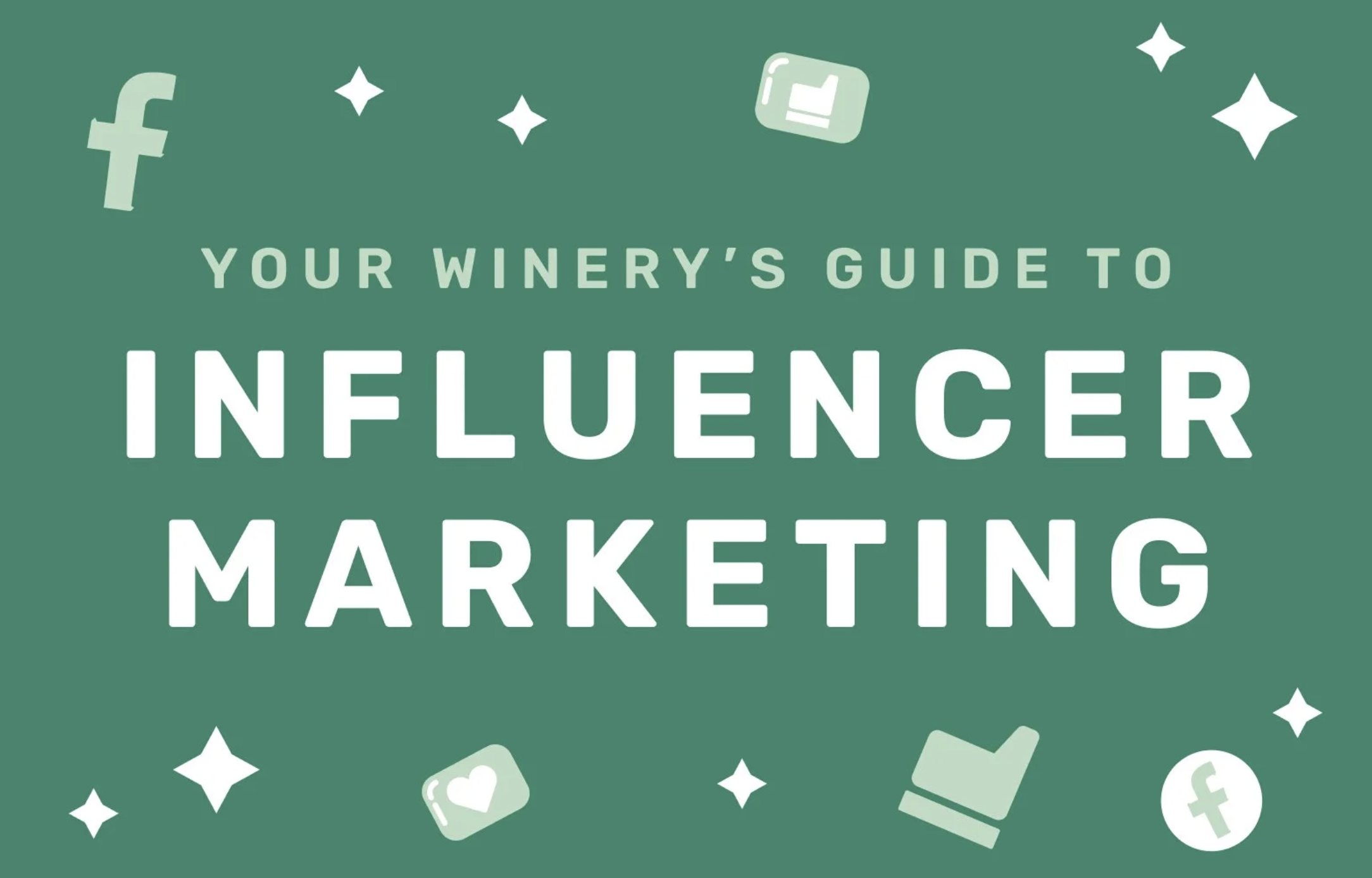
Why Wineries Need Influencer Marketing Now Here's a number that should reshape how you think about marketing: 69% of consumers trust influencer recommendations more than information coming directly from a brand That's not a slight edge. That's a fundamental shift in how people decide what to buy. For wineries, this matters more than it does for most industries. Wine is a considered purchase wrapped in uncertainty. Your potential customer is standing in a tasting room or scrolling through an online store, wondering: Will I like this? Is it worth the price? Am I making the right choice? Influencer content answers those questions in ways traditional marketing cannot. When a trusted voice says "I tried this Pinot and it's incredible with grilled salmon," that carries weight. It's a peer recommendation disguised as content. Instagram and TikTok now drive wine discovery among younger audiences, and 87% of Gen Z consumers say they're willing to buy products
00
February 19, 2026
At LibDib, one of our core cultural mantras comes from our longtime technology leader, Richard Brashears: “If you are always ready, then you never have to get ready.” It started with our engineering team. If someone asked for a demo, the answer was yes. If someone wanted to see progress, it was ready. No scrambling. No excuses. Just an advanced preparation meeting opportunity. That mindset now runs through the entire company. And, in today’s beverage alcohol environment, it may be one of the most important philosophies a Maker can adopt. Change Is No Longer the Exception Distributors are exiting markets. Large houses are consolidating. Portfolios are being rationalized. Big alcohol companies are selling brands, triggering redistribution across states. Executive teams are shifting priorities. Inventory resets are forcing hard decisions about which brands get attention and which do not. You may suddenly find your distributor leaving a state. Or you may find yourself al
00
February 12, 2026

On April 7-8, 2026, a collection of esteemed wine professionals will gather in Santa Rosa, Calif., to evaluate entries in the 2026 Press Democrat North Coast Wine Challenge. Competition managers are now accepting entries for the 14th annual NCWC, considered among the most prestigious wine challenges in the United States. This regional competition rates wines exclusively produced and bottled in Northern California’s premier winegrowing region to determine which wines are considered the Best of the Best. Eligible wines must be made from fruit sourced in the North Coast AVAs of Lake, Mendocino, Napa, Sonoma, Marin and parts of Solano counties. This includes any bottled wine labeled with these AVAs as their main source of grapes and whose winery is in California. “The Press Democrat North Coast Wine Challenge is unique in that only wines made from grapes grown in the six North Coast counties are allowed to enter,” says Daryl Groom, chief judge of NCWC. “With that, t
00
January 22, 2026
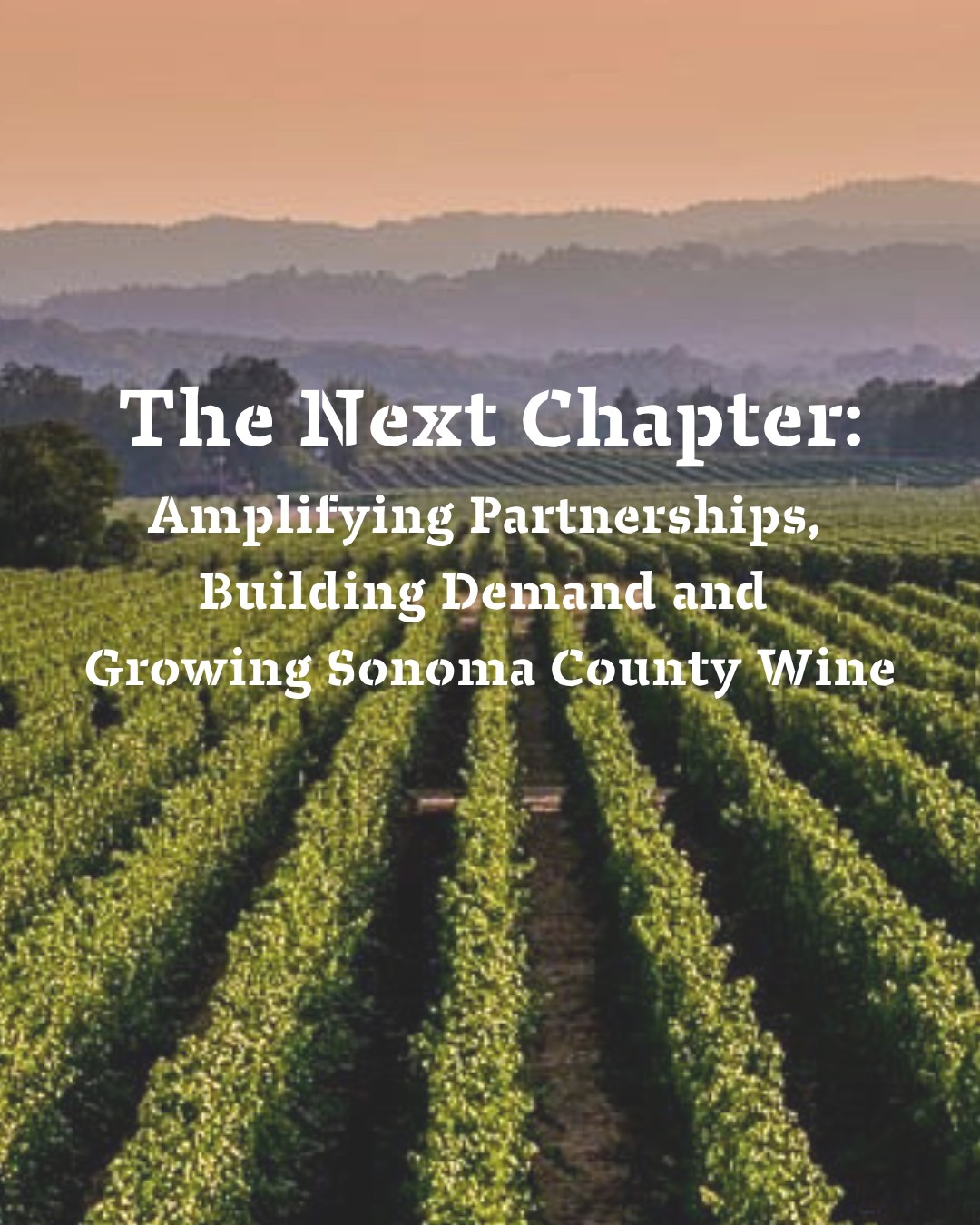
Sonoma County Winegrowers Reorganizes to Scale Proven Collaborations and Unlock National Growth Opportunities At its annual Dollars & $ense meeting today, themed, “The Next Chapter: Elevating What Works and Expanding What’s Possible,” Sonoma County Winegrowers (SCW) announced a strategic reorganization and renewed organizational focus to build demand, expand partnerships, and increase sales of Sonoma County wines to support long-term grower success. The moves reflect a proactive response to an evolving marketplace and are designed to ensure Sonoma County remains competitive, relevant, and well-positioned for future growth. Moving forward, Jennifer Dieckmann, currently Chief Operating Officer of Sonoma County Winegrowers, will assume the role of Executive Director and COO, leading the organization’s day-to-day operations, program execution, and team leadership, while maintaining operational excellence and strengthening grower and stakeholder engagement
00
Dry January is no longer just a health challenge or a new-year reset—it’s a global movement. But here’s the kicker: savvy brands know that real success in the no- and low-alcohol (No/Low) category comes from building momentum well beyond one month. At BevZero, we help our clients turn the buzz of January into a sustainable, year-round beverage strategy using expert product development, cutting-edge dealcoholization services, and full-spectrum beverage solutions. Let’s talk about how. Why Dry January Is Only the Beginning Dry January consistently delivers a spike in consumer interest, online searches, and sales for No/Low products—especially non-alcoholic wines, beers, and spirits. But interest doesn’t flatline in February. In fact, there are multiple high-impact moments throughout the year where brands can meet growing demand: Spring (March – May): Holidays like St. Patricks, Easter, and Mothers Day can be a great time to provide low or no
00

January 12, 2026
Winners Speak Out: Competitions Help Producers Reach New Audiences
A conversation about using medals and top competition awards to boost brand awareness among consumers and industry buyers. By Alexandra Russell As 2026
00