Filter Post Type
NewsVideoProductEventLink
Sort:
Most Recent
1–10 of 65

Sustainability in winemaking comes down to operational decisions. The right equipment can reduce refrigeration demand, lower water use, cut product loss, and simplify production flow without compromising wine quality. That is where BevZero’s equipment portfolio stands out: it addresses the day-to-day constraints wineries actually face during
beverage product development
, from cold stabilization and insulation to dealcoholization and wastewater management.
Key Takeaways
Wineries improve sustainability through systems, not one-off fixes.
BevZero distributes equipment that targets major production pain points, including energy-intensive refrigeration, water waste, and process inefficiency.
ClearAlc supports lower-impact dealcoholization.
The system uses a single-pass vacuum distillation process designed for high energy efficiency, low operating temperatures, and minimal water use.
Tank-level efficien
00

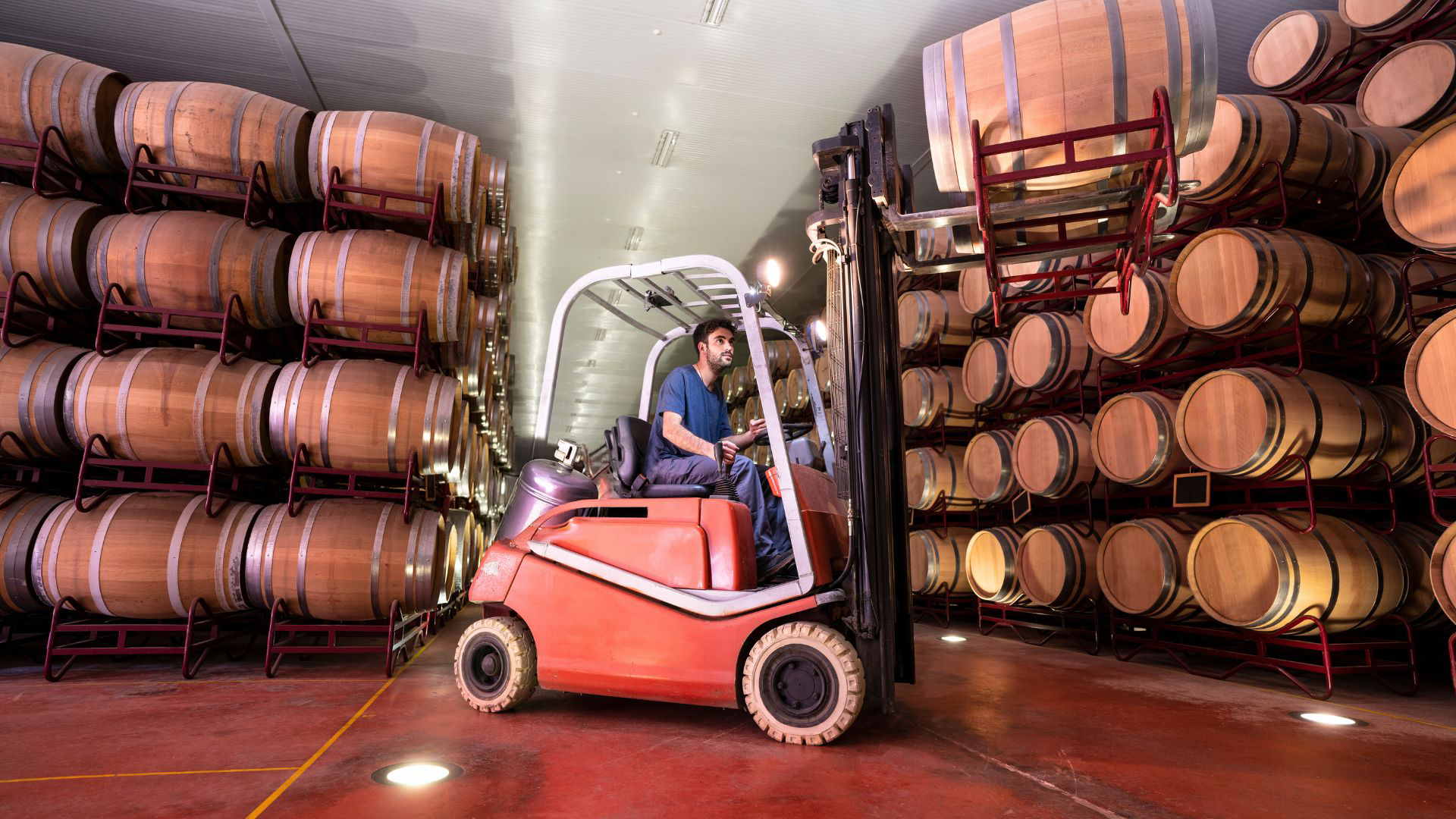
Forklifts may not be glamorous, but they’re the unsung heroes of vineyard and winery logistics. From transporting grapes during harvest to moving barrels in cellars, propane-powered forklifts get the job done efficiently and safely indoors and out. Unlike diesel or gas alternatives, propane forklifts offer cleaner emissions, lower maintenance needs, and consistent power output making them ideal for use across your entire operation. Why Vineyards Choose Propane for Material Handling: Safe for use inside bottling rooms, warehouses, and barrel storage Stronger torque than electric options, especially on uneven terrain Faster refueling vs. battery charging = less downtime during harvest Lower emissions and quieter operation enhance worker safety When every second counts during crush, propane forklifts deliver reliability with every lift. Find out how Suburban Propane can elevate your vineyard and agricultural operations. Get in touch by clicking the "send me info" bu
00


The crush pad is the heartbeat of any winery during harvest season. It’s where grapes are received, sorted, and prepared for fermentation—a critical workspace that can make or break the efficiency of your operations. A well-designed crush pad doesn’t just improve workflow; it protects fruit quality, reduces labor strain, and ensures safety for your staff. Understanding the Crush Pad Workflow Before designing or upgrading a crush pad, it’s essential to understand the flow of operations. Grapes typically move from vineyard bins to receiving areas, then through destemmers and presses, and finally into fermentation tanks. Every step must be seamless to avoid bottlenecks that can slow down production. When planning your crush pad layout, consider: Equipment Placement: Position destemmers, presses, and conveyors to minimize travel distance. Efficient placement reduces handling and potential grape damage. Accessibility: Forklifts, carts, and workers should have clear
00
Tanks are critical production tools that must be handled safely. Pressure management is essential, especially for sparkling wine and other carbonated beverages, but even still wines benefit from properly designed and maintained tanks. Container Logic’s stainless steel tanks combine durability, precision, and safety features to protect both wine and the people working with it. Why Pressure Ratings Matter Every tank has a pressure limit, measured in bars. Selecting the right rating is vital: Still Wine: Even low-pressure environments can experience minor pressure buildup during fermentation. Using appropriately rated tanks prevents leaks, deformation, and safety hazards. Sparkling Wine & Carbonated Beverages: Secondary fermentation generates significant internal pressure. Tanks must safely handle this pressure to avoid blowouts, maintain product quality, and protect staff. Container Logic offers tanks rated from 1 bar to 7 bar, allowing wineries to choose the perfect ve
00
September 25, 2025
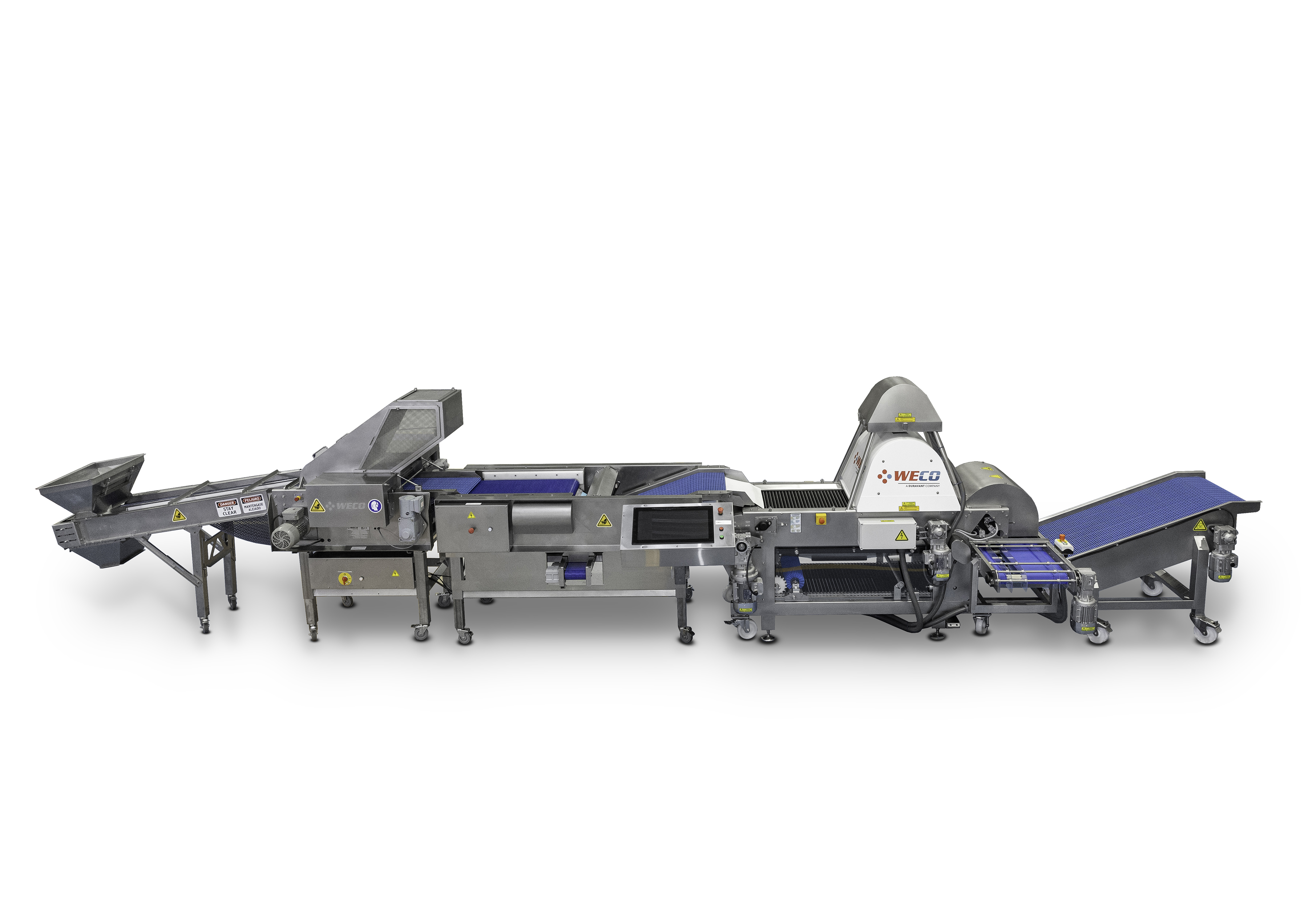
Duravant’s Food Sorting and Handling Group, including operating companies Key Technology, PPM Technologies and WECO, will showcase their world-class equipment at Pack Expo Las Vegas booth W-1044. Delivering high-performance optical sorters, conveyors and other processing solutions, Duravant helps customers maximize food safety and ensure product quality while increasing yield, reducing labor and improving operational efficiencies. “Food growers, processors and packers are navigating significant hurdles right now, from workforce shortages to market uncertainty. With companies making very targeted investments, we're focused on providing technology that offers immediate value by automating manual tasks, minimizing training, simplifying sanitation and boosting overall productivity,” said Jack Lee, Duravant Group President – Food Sorting and Handling. “Our group’s comprehensive equipment portfolio and decades of experience enable us to deliver the ide
00


In the wine industry, your employees are at the heart of everything—from the vineyard to the cellar to the tasting room. Protecting them means protecting your business. Workers’ compensation can be complex, but with Brandt Insurance as your partner, you’ll have guidance, advocacy, and access to the most competitive coverage available. Benefits of having Brand Insurance Represent you Claims If one of your employees suffers an injury on the job, as your broker, we will provide immediate advice and guide you through the process. We work with the claims adjusters to ensure the claim is handled quickly and appropriately. Safety Services We offer safety services and consultations in preventing workplace accidents. Claims Reserving We are also the intermediary between the employer and the insurance carrier to prevent misunderstandings that can lead to over-receiving of a claim. X-Mod Review We review experience modifications (X-Mods) for employers. W
00
.png)
August 6, 2025
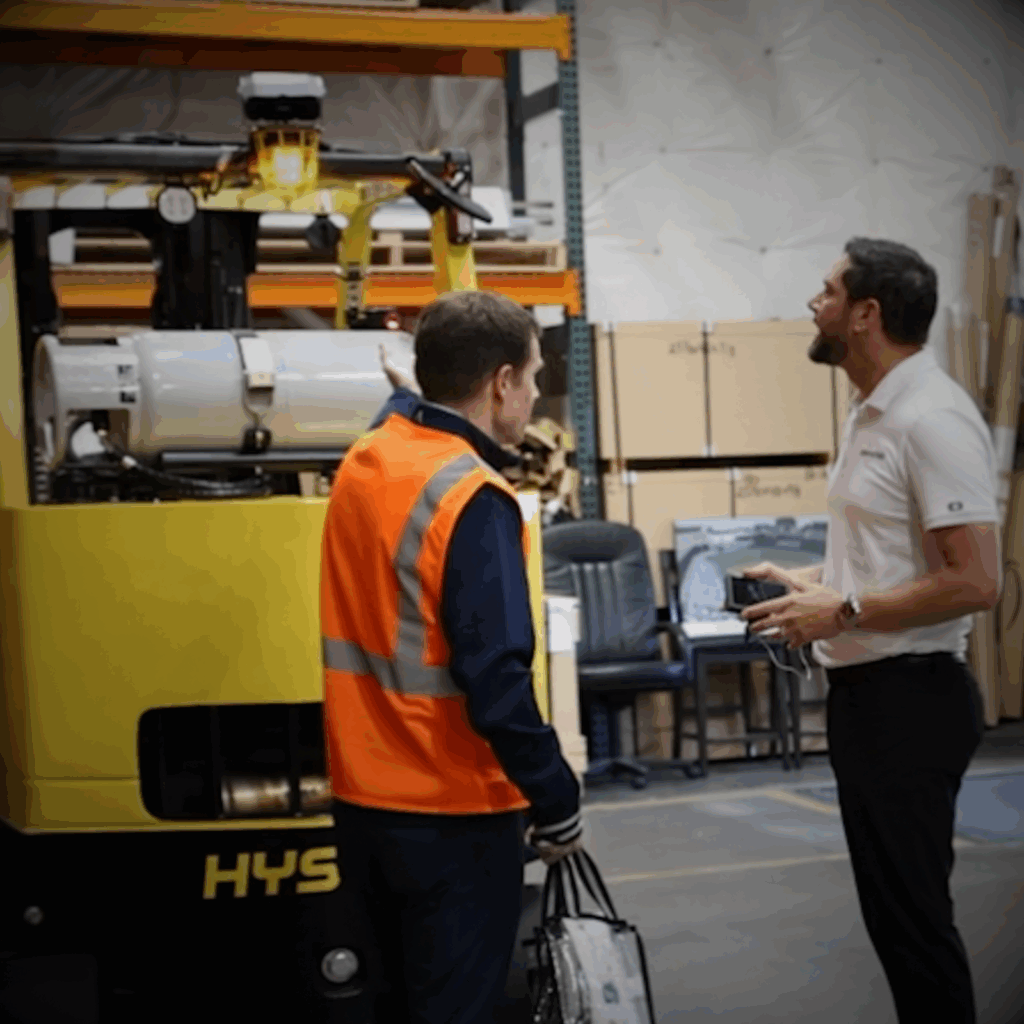
In warehouses where people and machines operate in close quarters, pedestrian safety is a critical concern. At the recent PMH Forklift Safety event in Seattle, attendees witnessed firsthand how technology is stepping up to protect workers. One standout innovation was the Hyster Pedestrian Awareness Camera System, presented by TJ Ryals of Speedshield Technologies. This wireless forklift system represents a major leap forward in accident prevention with its smarter, more human-aware approach to pedestrian detection. Designed to retrofit easily into existing fleets and requiring only very limited training, the system is positioned to redefine warehouse safety standards throughout the industry. Beyond Object Detection: Smarter Vision for Safer Operations While previous safety systems have focused on detecting all nearby objects, the Pedestrian Awareness Camera System goes further. It’s purpose-built to recognize pedestrians specifically, ignoring inanimate obstacles to minimize
00
August 5, 2025
If you employ full-time staff, seasonal crews, or part-time help in Oregon’s wine industry, there’s a new law that could change how you approach labor planning and workplace disputes—especially during your busiest seasons. Oregon Senate Bill 916 (SB 916) makes Oregon the first state in the country to offer unemployment insurance (UI) benefits to both public and private sector employees who are engaged in a labor strike. Why Provide Unemployment Benefits to a Striking Workforce? Lawmakers behind the bill say it’s about fairness. Their argument is that workers who are lawfully on strike shouldn’t be forced to choose between standing up for better conditions and being able to pay their bills. They point out that most strikes in Oregon don’t last long—about eight or nine weeks on average—and believe a short-term safety net could lead to more productive negotiations. But not everyone agrees. Many employers, especially in agriculture and manufa
00
August 4, 2025
Starting January 1, 2026, a new Oregon law will significantly reshape how liability works in private construction projects. Under Senate Bill 426 (SB 426), property owners and general contractors can now be held liable for wage theft committed by subcontractors, even those buried deep in the contracting chain. Oregon Gov. Tina Kotek signed SB 426 into law on June 9, 2025. It’s a landmark move—and one that raises the stakes for compliance. Here’s what Oregon businesses need to know, and how they can start preparing now. What’s the Big Change Under SB 426? If you’re a property owner or GC in Oregon, SB 426 brings a shift in risk you can’t afford to ignore. The law says you are jointly and severally liable for unpaid wages, penalties, and benefits owed by any subcontractor working under your contract—even if you weren’t directly involved and had no knowledge of the issue. In short, it’s no longer enough to say, “That wasn’t
00
You can glean a lot of information about a wine from the label. The next time you walk down a wine aisle, you may notice that you feel comfortable with the common terms and symbols like vintage, place of origin, and percent alcohol, but feel some confusion when you see some of the increasingly present ones like natural, vegan, and organic. In this week’s Marketing Tip, we’re giving you a green wine glossary: 5 common wine designations defined so you’ll wonder no longer. Your Green Wine Glossary Vegan Not every wine fits a vegan lifestyle. During the winemaking process, small particles can cause haziness or unwanted flavor properties. Winemakers can add a fining agent that will bind to these tiny particles and make them large enough to be filtered out. Many fining agents are animal-based – for example: egg whites, casein, and gelatin. Wine that was fined with any of these materials cannot be considered vegan. Vegan wines include those that
00