
Filter Post Type
NewsVideoProductEventLink
Sort:
Most Recent
1–10 of 115

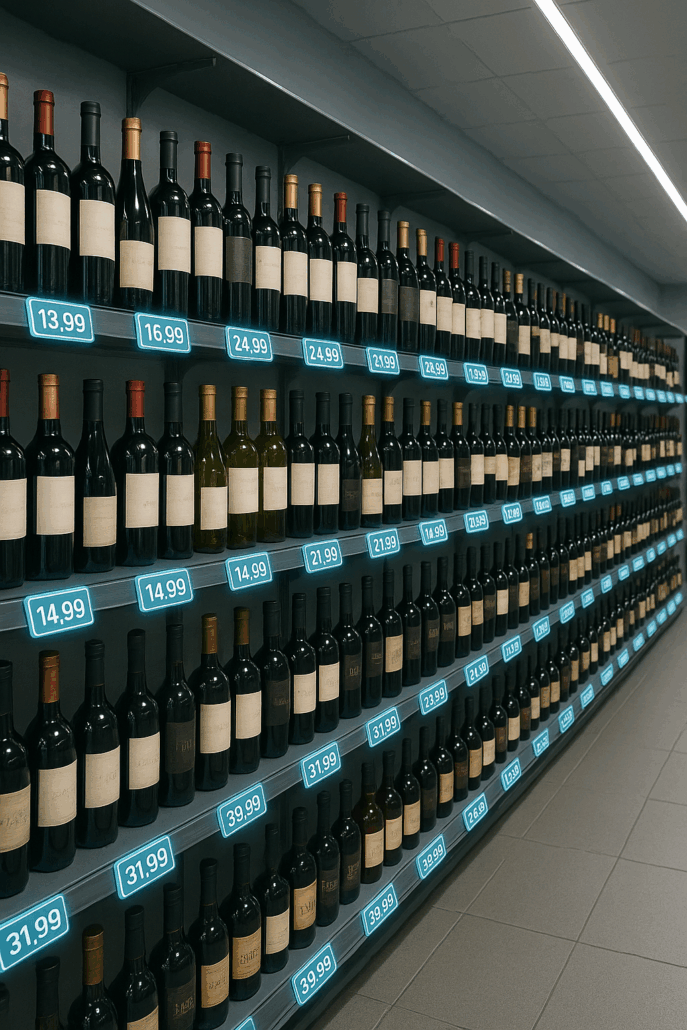
Why It’s Time to Take Control of Chain Retail Pricing In the wine & spirits business, the difference between a best-seller and a case that never sees the shelf often comes down to something so mundane, it’s almost embarrassing to say out loud: Pricing. Not the actual price point — the accuracy of it. There are already plenty of reasons your product might not make it to the shelf — a buyer reorg, a freight delay, the seasonal shuffle, or simply the chaos of modern retail. So when you’ve beaten the odds and secured a coveted placement with one of the nation’s top chain retailers, the last thing that should kill the momentum is a clerical error. And yet, that’s exactly what happens when the price on the invoice doesn’t match the price in the retailer’s system. One mismatch, and the product gets refused at the dock — benched before it ever had a shot. No match = no receiving. No receiving = no shelf placement. No pl
00

April 28, 2026
You are invited to participate in a research study examining how tariff and trade policy changes shape business strategy in the U.S. wine industry. This study is being conducted by Dr. InHaeng Jung, Assistant Professor at Sonoma State University. The purpose of this study is to better understand how U.S. wineries respond to tariffs and trade policy changes, and what strategies they use to protect their operations and manage costs. For more information and to take the survey, click here.
00

April 8, 2026
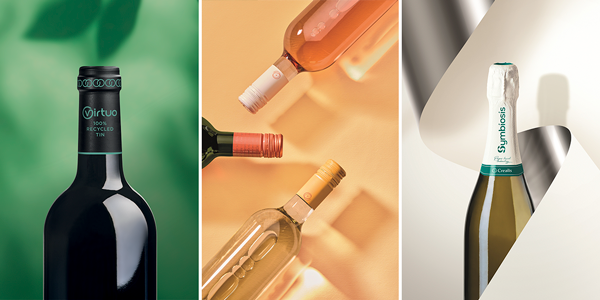
The wine market is less predictable than ever, and so is the consumer. Rapid fluctuations in the economy or political situation mean customers have less certainty in potential sales, so when inflation or tariffs rise or fall, or a retail account is gained or lost, wineries need a quick turnaround to capture the sale. That often means last-minute orders with a sense of urgency. Bringing It All Together Crealis CEO Enrico Bracesco is transitioning the eight companies Crealis has acquired (Maverick, Corchomex, Rivercap, Enoplastic, Sparflex, Le Muselet Valentin, Supercap, Pe.Di), which together have a heritage dating back 70 years, into a cohesive organization under a single name: Crealis. The wine business will now have an integrated business unit with centralized operations, including supply chain, manufacturing, quality and R&D. This unification provides more agility, increases procurement synergies and results in tighter delivery times. Spirits will have a separate pro
00

April 1, 2026

We are certainly living in different times—times that are difficult to predict and even harder to plan for. Challenges originating far outside our professional world are quickly impacting our day-to-day operations and, ultimately, your business. Throughout 2026, suppliers across the industry have faced significant disruption, and those challenges have inevitably flowed downstream to our valued wine and spirits customers. While none of us welcome this level of uncertainty, it is also not entirely unexpected given the global environment we’re operating in. Recently, the Wine Industry Network published a timely and insightful article that underscores the importance of preparation. The message is clear: we must plan ahead, secure what we can, and remain ready for continued volatility. Duties, tariffs, currency fluctuations, transportation challenges, and unexpected fees are all contributing to rising costs—and the reality is, no one can predict what will come next. What
00
Green shoots: Is this a “transitional moment”? With spring getting underway, this month’s California Report assesses vineyard conditions, grape demand, and whether the bulk wine and grape markets are seeing the first tentative green shoots of recovery: Is the industry in a “transitional moment” before growth returns later this year or next? We dive into recent reports that case-good sales declines in the US are slowing, using the latest SipSource US wholesale depletions data to pick out some sales trends. The convergence of pricing toward California-appellation levels on all but a select handful of wines theoretically enables bulk wine buyers to make their decisions based purely on which samples best meet their quality/character specifications. This has opened up product development and scope for wine companies to attack potential retail opportunities. With wine aisles growing shorter, this is a challenging time to “buy the dip” with inn
00
February 24, 2026
On February 20, 2026, in a victory for American beer, wine, and spirits importers, the Supreme Court in Learning Resources, Inc. v. Trump, 607 US ____, Slip Op., February 20, 2026 (“Learning Resources”) struck down President Trump’s imposition of tariffs under the International Emergency Economic Powers Act (“IEEPA”). The Trump administration had used IEEPA to justify certain tariffs imposed on imported goods from various countries in 2025, including beer, wine and spirits. Despite the decision in the importers’ favor, no one is popping the Champagne quite yet. First, while the Court’s opinion invalidated the Trump administration’s IEEPA tariffs, it has no effect on the administrations’ ability to rely on other statutes to impose tariffs. Second, on the same day that the Supreme Court issued its decision, the President issued a proclamation imposing a 10% worldwide tariff under a different federal law (discussed in more detail belo
00

February 23, 2026

Afternoon Brief: Supreme Court Hands Wine Trade a Small Victory, but Trump Plots New Levies
The highest court in the US has ruled that sweeping import tariffs exceeded presidential authority, offering a brief reprieve for the global wine trade. The relief may be short-lived, however, as Donald Trump moves swiftly to impose fresh levies under a seldom-used 1974 trade law...
Doug FrostPremiere Napa ValleyAdrienne SmithNapa Valley Wine StudyLivermore Valley Wine CommunityConcha y ToroSebastiani WineryWine Origins AllianceProWine TokyoVictor SchwartzVOS SelectionsMatt DeSilvaRosscienda VineyardJanet MiertschinPortree CellarsJill MontgomeryThe Original Pickle ShotOut of the BoxAwtomicLiberation DistributionGuala ClosuresHouse of SmithBella Oaks
00
February 20, 2026
Afternoon Brief, February 20
00
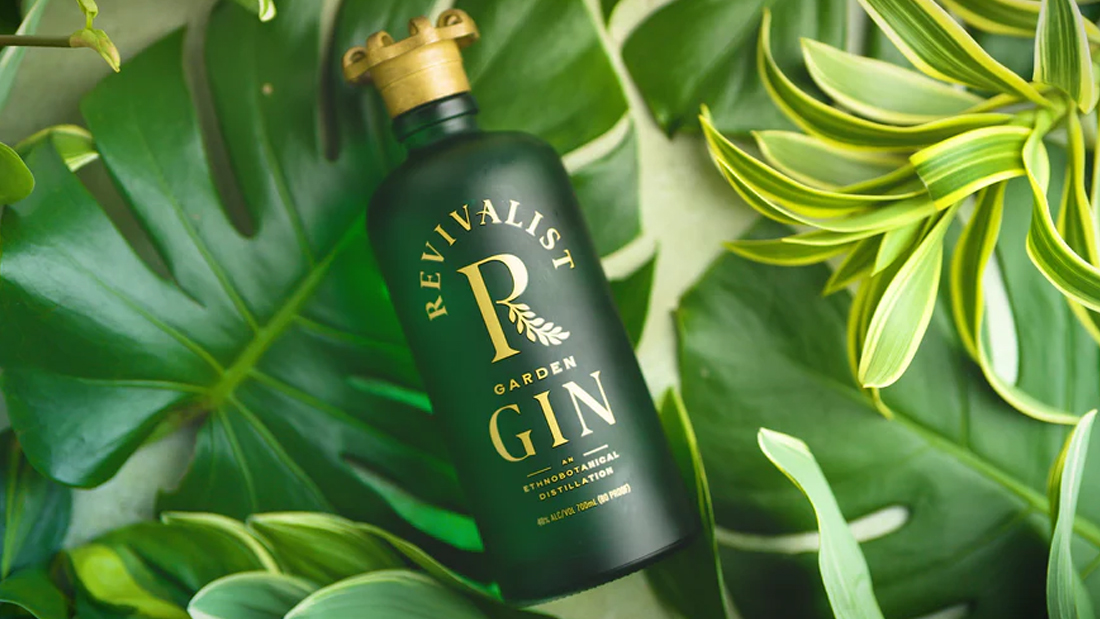
The wine and spirits industry is standing on the precipice of a major design evolution. For years, “premium” was defined by weight, excess, and tradition. For 2026, a new definition of luxury is emerging; one that values intelligence over mass, and tactile storytelling over simple visual appeal. For brand owners and procurement leaders, staying ahead of these glass packaging trends in 2026 is no longer just about aesthetics; it is a matter of strategic survival. From the rise of “quiet luxury” and right-weighted glass to the complex pressures of global supply chains, the packaging decisions made today will define brand resilience tomorrow. In this forecast, we explore how sustainable luxury, ergonomic innovation, and smart supply chain strategies are reshaping the premium landscape, and how Global Package provides the specialized glass solutions needed to help you navigate this future. The State of Glass Packaging for Wine & Spirits At Global Package, we&r
00

February 10, 2026

After 30 years of moving up and to the right, the American wine industry hit a wall. Not a temporary slowdown or a soft patch. A structural shift that requires a fundamentally different marketing playbook. 2025 was the reality check. 2026 is the year wineries either adapt or watch their customer base age out beneath them. The data is now unambiguous: wine sales dropped approximately 6% in 2024, marking the steepest decline in decades according to SipSource industry data. More troubling than the headline number is what's driving it. This isn't a recession blip or a bad vintage. It's a fundamental realignment of who drinks wine, how they buy it, and what they expect from the brands they choose. Here are the five trends reshaping the US wine market and what they mean for your brand's survival. The Demographic Disruption The wine industry built its growth on one generation: Baby Boomers. That generation is now aging out. The Wine Market Council's 2025 U.S. Consumer Ben
00