
Filter Post Type
NewsVideoProductEventLink
Sort:
Most Recent
1–10 of 34
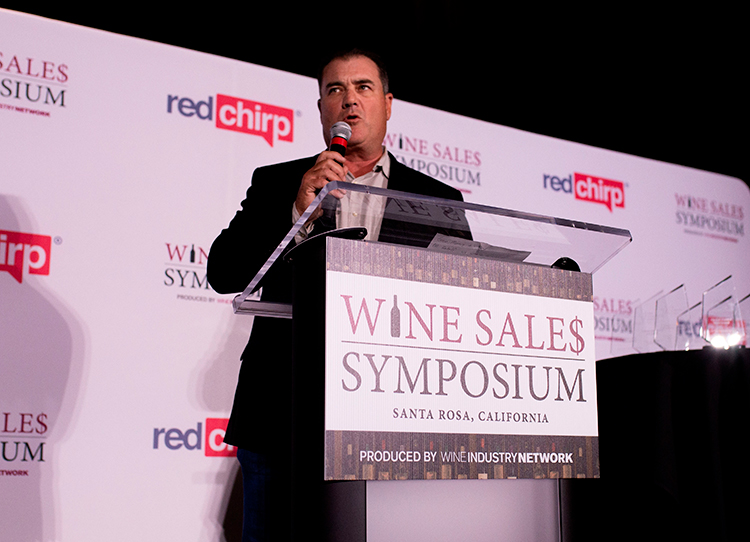
Winery leaders and industry experts explore the strategies shaping the future of wine sales. The wine industry narrative over the past two years has been dominated by decline: falling consumption, shrinking distributor portfolios, and weakening consumer loyalty. The headlines suggest an industry in freefall. But the reality is more nuanced - and more useful. Yes, overall wine consumption continues to face pressure. Consumer behavior is fragmenting in ways that challenge traditional approaches. But the full story isn’t simply decline. It’s divergence. Some wineries are still growing. Some categories are holding steady while others contract. Some sales channels are thriving while others struggle. The difference often comes down to whether wineries have adapted their strategies to match the market that exists today, not the one that existed three years ago. At Wine Industry Network’s Annual Wine Sales Symposium on May 13, Dr. Chris Bitter will present research on what’s actually happening
00

From hospitality-driven visitation to loyalty and strategic partnerships, the Wine Sales Symposium explores where revenue growth is coming from now The path to winery growth looks different than it did even a few years ago. Today’s most successful wineries are not relying on a single channel or a single tactic. Instead, they are building growth through a combination of stronger customer experiences, deeper retention strategies, and brand partnerships that extend reach beyond traditional wine audiences. At this year’s Wine Sales Symposium, several sessions will explore how these shifts are reshaping sales and marketing strategies across the industry. One of the most important changes is happening in hospitality and visitation. Consumers—especially Millennials and Gen Z—are increasingly choosing experiences that feel personal, memorable, and aligned with their identity. For wineries, that means visitation is no longer simply about tasting wine; it’s about de
00
Join winery leaders and industry experts to explore the strategies shaping the future of wine sales. The wine industry is entering a period of significant change. Consumer behavior is shifting, visitation patterns are evolving, and the traditional paths to market are being redefined. To succeed in this environment, wineries must rethink how they attract customers, build lasting relationships, and grow their brands. The Wine Sales Symposium, taking place on Wednesday, May 13, brings together winery leaders and industry experts for a full day focused on the strategies shaping wine sales today and in the years ahead. This year’s program explores critical topics that will cover: • Hospitality Innovation: Reimagining tasting room experiences to attract Millennials and Gen Z through values-driven programming, experiential design, and strategic partnerships • Wine Club and Customer Retention: Data-driven approaches to reducing churn, building membership value,
00
February 10, 2026

After 30 years of moving up and to the right, the American wine industry hit a wall. Not a temporary slowdown or a soft patch. A structural shift that requires a fundamentally different marketing playbook. 2025 was the reality check. 2026 is the year wineries either adapt or watch their customer base age out beneath them. The data is now unambiguous: wine sales dropped approximately 6% in 2024, marking the steepest decline in decades according to SipSource industry data. More troubling than the headline number is what's driving it. This isn't a recession blip or a bad vintage. It's a fundamental realignment of who drinks wine, how they buy it, and what they expect from the brands they choose. Here are the five trends reshaping the US wine market and what they mean for your brand's survival. The Demographic Disruption The wine industry built its growth on one generation: Baby Boomers. That generation is now aging out. The Wine Market Council's 2025 U.S. Consumer Ben
00

January 22, 2026
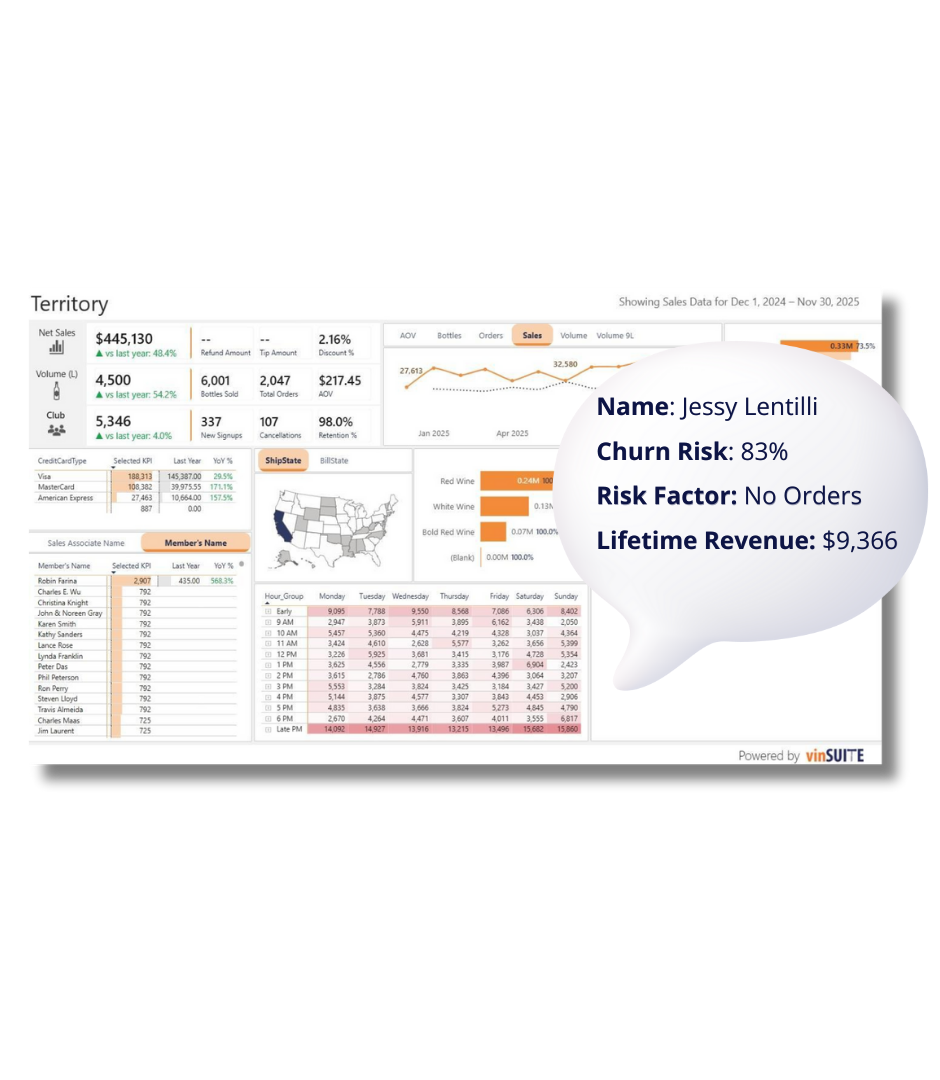
vinSUITE Launches vinSIGHT: Analytics Platform That Predicts Wine Club Churn with Up to 94% Confidence New intelligence layer helps wineries see revenue risk before it's too late and gain clear visibility into what's working across all sales channels NAPA, CA | January 21, 2026 — vinSUITE, a winery direct-to-consumer software platform, today announced the launch of vinSIGHT, a comprehensive analytics solution that transforms winery sales data into actionable insights. The platform analyzes historical customer behavior patterns to predict wine club churn with up to 94% confidence, enabling wineries to protect revenue before members cancel. Wine club churn traditionally appears in reports only after the revenue is already lost. vinSIGHT changes that by bringing hidden patterns into view, identifying subtle behavioral shifts (declining engagement, changing purchase patterns, and reduced interaction) that signal di
00
January 20, 2026
The wineries with the most loyal wine clubs aren't the ones with the best discounts. They're the ones with the strongest emotional identity. This will sound counterintuitive to anyone who's ever tried to stem club churn by sweetening the deal with free shipping or an extra bottle. But the data tells a different story. Companies with strong emotional connections to customers outperform competitors' sales growth by 85%. Not 8.5%. Eighty-five percent. The question isn't whether emotional connection matters. It's how you build one. Enter brand archetypes: a framework rooted in Jungian psychology that helps wineries create the kind of deep, identity-based loyalty that discounts can never buy. When wineries align their story, experience, and messaging with a core archetype, wine club loyalty stops being a battle against churn and becomes a natural expression of who they are. What Are Brand Archetypes? (And Why They Work in the Wine Industry) Brand archetypes are 1
00
November 12, 2025
The Post-Harvest Drop-Off Fall brings a flurry of activity to wine country. Tasting rooms fill with eager visitors, social media buzzes with harvest photos, and the energy is palpable. Then November arrives, and for many wineries, engagement plummets. According to Silicon Valley Bank's 2024 Direct-to-Consumer Wine Survey, the average winery converts less than 15% of harvest event attendees into repeat customers by year-end. This represents an enormous missed opportunity. The wineries that thrive year-round don't view harvest as a seasonal peak but as the starting point of a strategic customer journey. Harvest Is Your Customer Acquisition Funnel Stop thinking of harvest events as isolated experiences and start viewing them as the top of your sales funnel. Smart consumer brands recognize that seasonal events provide a prime opportunity to collect valuable customer data while creating memorable brand experiences. These touchpoints become the first step in an ongoing relat
00
Facebook/Meta: Turning Fans into Wine Club Members Expanding on insights from our Wine Club Scorecard, this post explores one of the most underused yet powerful tools for wine club growth: Facebook. While platforms like TikTok and Instagram often grab attention, Facebook remains one of the most effective drivers of wine club engagement and conversion when paired with Meta’s advanced targeting and advertising tools. With 72% of wine consumers aged 35–65 actively using Facebook, this is not just a social network—it’s an opportunity to build real relationships, deepen loyalty, and guide new members into your wine club. Yet most wineries still treat Facebook as a newsfeed instead of a growth engine. Sporadic posts, static bottle shots, and low engagement can’t compete with a thoughtful strategy that uses Facebook the way it was meant to be used: to connect, converse, and convert. Let’s explore how to turn Facebook into a true wine club acquisition chann
Wine Club GrowthWine Club MarketingFacebook for WineriesMeta AdvertisingWine Club AcquisitionSocial Media Strategy for WineriesDigital Marketing for WineriesWine Club RetentionFacebook AdsWinery Community BuildingCustomer EngagementHow to Grow a Wine Club with FacebookBest Facebook Strategies for WineriesWinery Marketing Tips 2025Using Meta Ads to Increase Wine Club MembershipWine Industry Marketing InsightsWine Club ScorecardWIN Series 2025DTC Wine MarketingvinSUITE Insights
00
October 7, 2025

Your Current Marketing Won't Work for Younger Wine Drinkers The generational shift in wine consumption is happening faster than most wineries are prepared to handle. According to Wine Intelligence's US Wine Consumer Trends 2025 report, millennials will surpass baby boomers as the largest wine-consuming demographic by value this year. Meanwhile, the oldest members of Gen Z (born 1997-2012) are now turning 28 and developing their own distinctive wine preferences. The problem? Most wineries continue marketing as if their primary audience is still over 55. The messaging, channels, and tactics that worked for boomers actively repel younger buyers. Let's examine what actually works when marketing to these crucial demographics. What Younger Wine Consumers Actually Want Millennial Wine Drinkers (Ages 29-44) Millennials approach wine fundamentally differently than their parents: What They Value: Transparency about production methods and ingredients Sustainable and ethical busines
00
Wine clubs have long been the backbone of direct-to-consumer (DTC) sales. But with shifting consumer expectations and the rise of subscription culture, from streaming services to meal kits, wineries are rethinking the traditional club. Subscription models promise flexibility for customers, stability for wineries, and in many cases, less operational strain. We asked four leading technology providers (Awtomic, Commerce7, OrderPort, and VinSuite) to share their insights on how wineries can successfully add or adapt subscriptions. We also gathered a few winery examples to show how creative models are being used today. This list is in no way exhaustive, there are many winery DTC software/SaaS providers with options, and the landscape is continuously evolving. For a deeper dive, check out this article by WineBusiness Monthly with all the providers, trends, and a very helpful comparison chart. What Are Wine Subscriptions? At their core, wine subscriptions are a modern twist on the tradi
00