
Filter Post Type
NewsVideoProductEventLink
Sort:
Most Recent
1–6 of 6


It’s the same conversation in boardrooms, discussion boards, symposiums, and industry reports: “Younger consumers just aren’t drinking wine like previous generations.” Sure, the concern is valid. But the narrative misses key nuances. The reality is that younger consumers are still just that—young. Their drinking habits, lifestyle priorities, and financial realities don’t yet match those of past generations at the same life stage. But instead of writing off Gen Z or younger Millennials, the wine industry needs to adjust its approach. The traditional playbook doesn’t account for how younger consumers live, what they value, or how they engage with brands. If wineries want to stay relevant, it’s time to rewrite the script. 1. Younger Consumers Will Age Into Wine—Just Like Boomers Did A common misstep in the industry’s current panic is comparing a 23-year-old Gen Zer to a 45-year-old Gen Xer. The latter has had decades to develop
00


The Marketing Behind Come Over October Hopefully, by now, you’ve seen some wineries participate in Come Over October, a new program launched to benefit the wine industry. Our industry is facing a critical shift where the cultural narrative around wine is being scrutinized. At the same time, loneliness and isolation are now at epidemic levels, and the simple act of sharing wine, which has always been a catalyst for connection, seems to be losing its place. The goal of Come Over October, launched by wine journalist Karen MacNeil and PR veterans Gino Colangelo and Kimberly Noelle Charles, is to counter these trends. The idea is simple: encourage friends, family, and colleagues to “come over” in October to share a bottle and reconnect. It’s not about fancy wine pairings or breaking the bank—just using wine as a focus to celebrate being together in an increasingly disconnected world. The wine industry, as always, adapts to challenges, and this campaign is a re
00

June 11, 2024
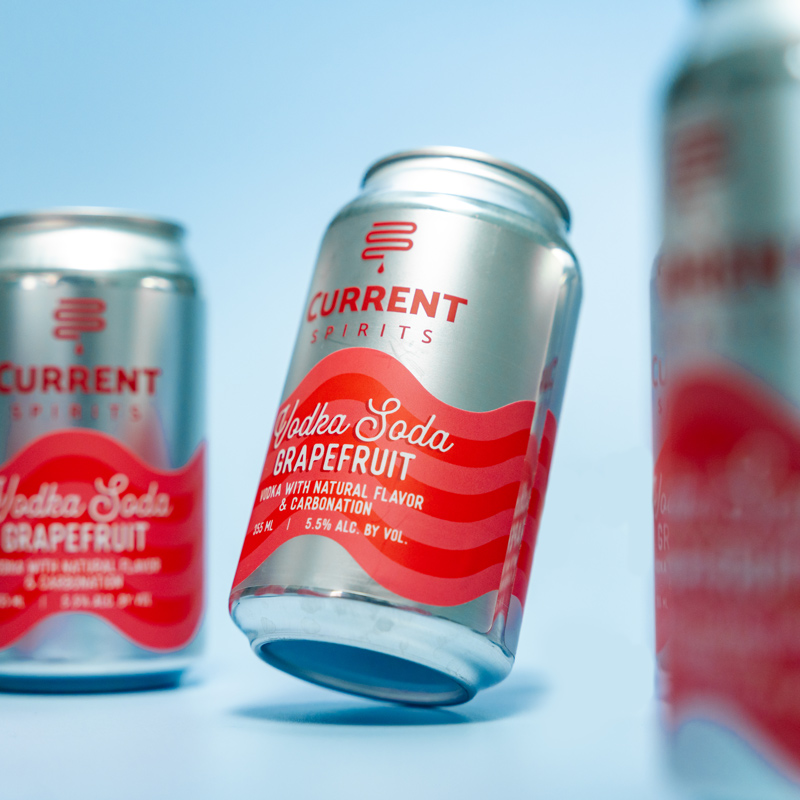
Ready-to-drink (RTD) beverages are taking the alcoholic beverage industry by storm. From refreshing spiked seltzers to pre-made cocktails, RTDs offer consumers convenience without sacrificing quality or flavor. They’re a perfect choice for any occasion, whether it’s a poolside hangout or a rooftop party. As the demand for these delicious and convenient drinks soars, the need for efficient and reliable equipment to produce them also rises. At Prospero Equipment, we offer state-of-the-art solutions to help you capitalize on the booming RTD market and meet this growing demand. What are RTD Beverages? RTD beverages, also known as pre-mixed cocktails, are alcoholic drinks that come ready to enjoy straight from the can or bottle. Their surge in popularity can be attributed to several factors, including their convenience – grab one and go, no bartending skills required! – variety, with options to suit every taste from fruity and light to spirit-based and complex, and m
00


Afternoon Brief: Bidding Smart at Napa's Big Barrel Auction
Our US editor finds there were some bargains to be had at the scaled-down Napa Valley Vintners auction...
00

The Northern Hemisphere harvests are now complete and all have come in lighter than average, though the shortfalls in Italy and Spain (both estimated by OIV to be -9% versus the five-year average) are not dramatic in an historical context, unlike France’s very light 34 million hectolitres, down 27% since 2020. We estimate California’s crop to be short of the 4-million-ton mark that could be said to be the approximate state ‘average’, though not as short as 2020’s 3.4 million tons. These short crops north of the equator have ensured this year’s global wine production will be – according to the OIV – “extremely low” at 247.1-253.5 million hectolitres, down from a provisional figure for 2020 of 262 million and 7% down from the 20-year average. However, it ought to be noted that the OIV also identified the 2021 Southern Hemisphere as having had a “record-high” crop, up 19% versus 2020, with only New Zealand seein
00

July 15, 2020
For the past several years, there’s been a massive boom in the small-batch wine and spirits market. Younger generations of consumers have shown a preference for more authentic and personal brands, and the craft beer trend paved the way for exciting new liquor and wine brands to emerge.
Consumers are looking for new and unique alcohol brands. And these consumer desires influence how shelf space is utilized, inevitably altering the purchasing decisions of wholesale buyers
Small-batch wine and spirits producers have two distinct advantages within these target demographics:
1. They can capitalize on new trends. Note the hard seltzer frenzy. Demand for White Claw led other brands to rush their own unique version to market. Larger brands then produced their own spin on the alcoholic beverage trend and a year later we have a market full of hard seltzers. You can see this with bourbon, mezcal, and gin brands as well.
2. They can easily experiment. A small-batch Maker can easily take a “ris
00