
Filter Post Type
NewsVideoProductEventLink
Sort:
Most Recent
1–10 of 42

Sustainability in winemaking comes down to operational decisions. The right equipment can reduce refrigeration demand, lower water use, cut product loss, and simplify production flow without compromising wine quality. That is where BevZero’s equipment portfolio stands out: it addresses the day-to-day constraints wineries actually face during
beverage product development
, from cold stabilization and insulation to dealcoholization and wastewater management.
Key Takeaways
Wineries improve sustainability through systems, not one-off fixes.
BevZero distributes equipment that targets major production pain points, including energy-intensive refrigeration, water waste, and process inefficiency.
ClearAlc supports lower-impact dealcoholization.
The system uses a single-pass vacuum distillation process designed for high energy efficiency, low operating temperatures, and minimal water use.
Tank-level efficien
00

April 8, 2026
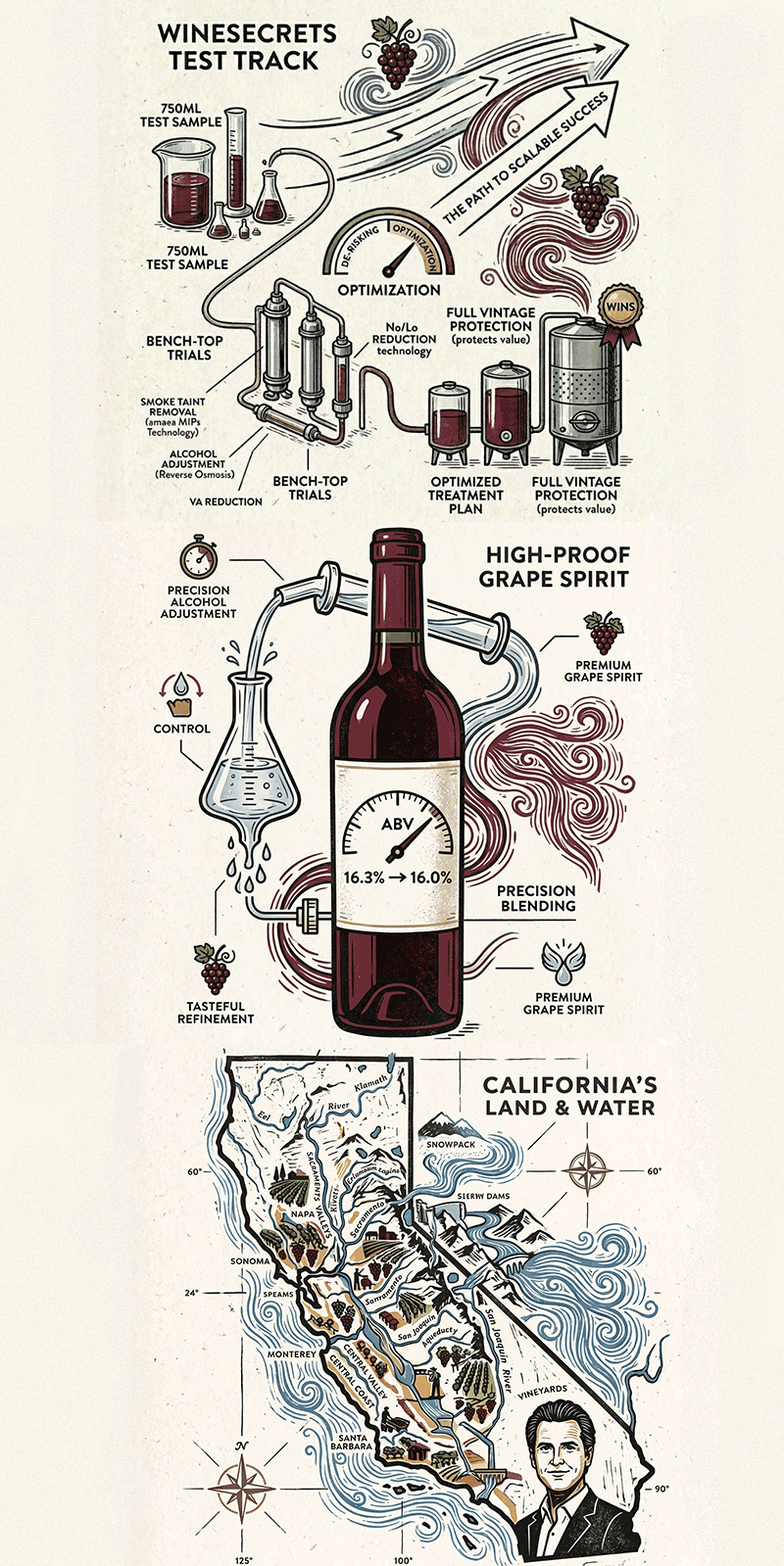
Winery Wastewater Is a Resource Hiding in Plain Sight On this and related water-cost issues, Recovered Water Solutions works with wineries and processors to better understand water use, identify loss points, and develop practical recovery and reuse strategies that improve cost control, efficiency, and long-term resilience. Don't forget Winesecrets for: Premium Grape Spirits for Precision Adjustment Precision Filtration. Less Loss. Better Outcomes. Call or email Eric@winesecrets.com for more information about our water recovery and resuse services. Or visit recwatersolutions.com. Toll Free: (888) 656-5553 Direct: (707)329.6411
00
February 16, 2026
In the world of low- and no-alcohol beverages, innovation isn’t a buzzword — it’s a necessity. After BevZero’s recent WINnovation award, spotlighting game-changing achievements in wine technology, it’s time we take you deeper into the system that’s redefining alcohol removal: ClearAlc. Exclusively distributed by BevZero and engineered and manufactured by Tomsa Destil, ClearAlc is the next generation of dealcoholization equipment. It brings a blend of precision, sustainability, and versatility unique to the beverage world — and it’s earning attention for good reason. Let’s open the hood on ClearAlc and explore what makes this technology not only unique but award-worthy. What Is ClearAlc? At its core, ClearAlc is a patented vacuum distillation system that removes alcohol from wine, cider, and spirits using a single-pass, high-efficiency process. But this isn’t just about pulling out ethanol — ClearAlc
00

Membrane filter cartridges are an essential tool for wine clarity and microbiological stability, but they do not have to be a disposable expense. With the right regeneration practices, wineries can restore flow, maintain sterility, and significantly extend cartridge life, which reduces both cost and waste. Instead of replacing filters as soon as they show pressure spikes or reduced throughput, regeneration allows winemakers to return a used cartridge to near-new performance. The result is better filtration economics and more predictable bottling runs. The Case for Regeneration ✔ Restores flow and keeps pressures low ✔ Preserves pore integrity for sterile filtration ✔ Minimizes premature replacement ✔ Reduces landfill waste and supplier spend ✔ Protects wine quality through consistent performance Most clogged filters are not worn out. They are simply loaded with colloids, yeast, and fine solids. Regeneration removes that load and resets the membrane. Typical Regenera
00
October 22, 2025
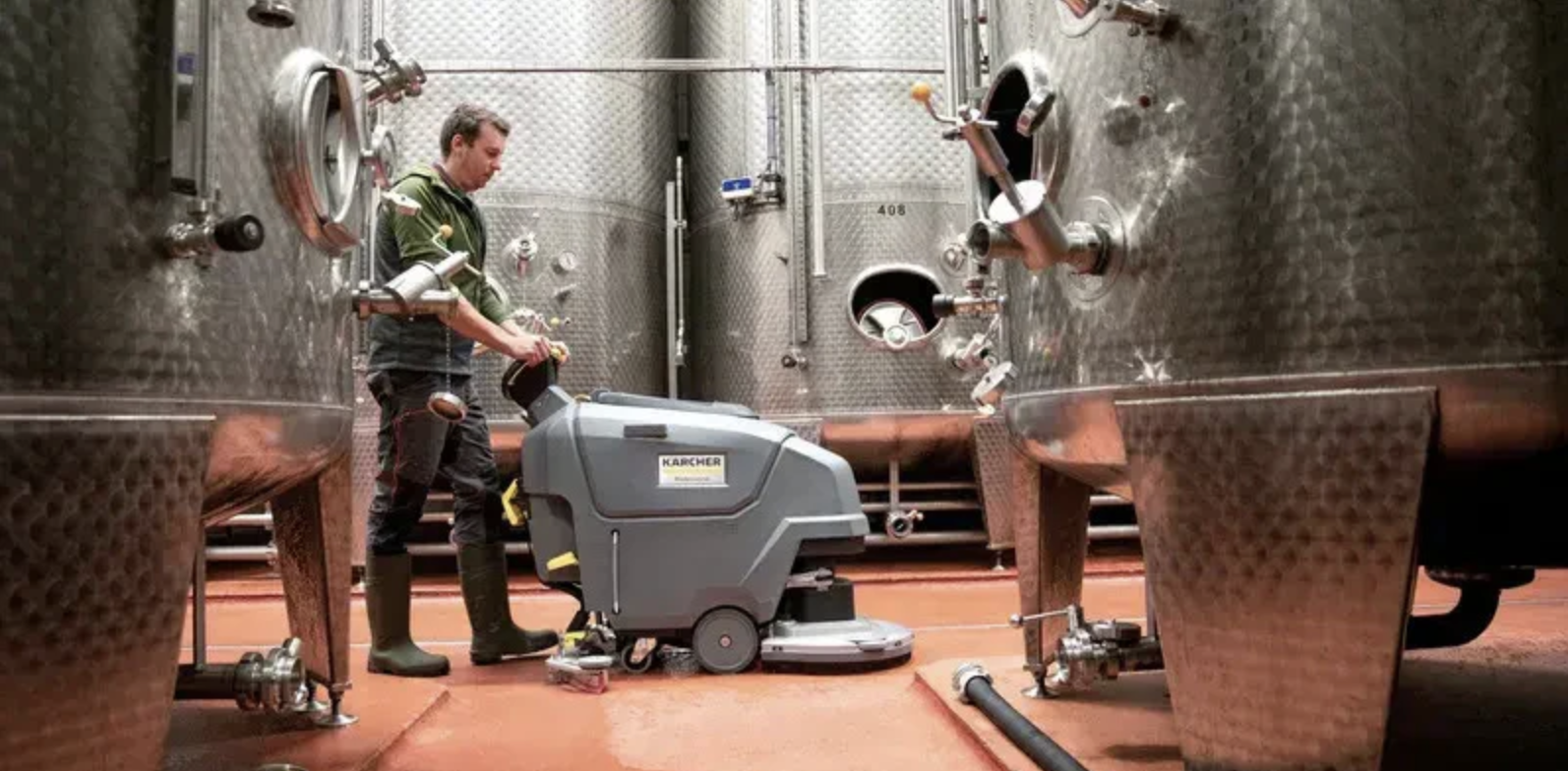
Using a floor scrubber in a wine cellar is important for maintaining hygiene, preventing contamination, and protecting your investment. Traditional cleaning methods like mopping can spread microorganisms that thrive in the cellar's humid environment, potentially spoiling the wine. Superior Hygiene and Contamination Prevention Remove mold and bacteria: Wine cellars are dark and humid environments, which are perfect breeding grounds for mold and bacteria. A floor scrubber thoroughly cleans and disinfects surfaces, removing the organic residues (like spilled wine or grape solids) that microorganisms feed on. Prevent off-flavors: Contamination from floor microbes can be aerosolized during cleaning or dragged into contact with equipment and barrels. This can introduce unwanted flavors into the wine, compromising its quality and taste. Clean porous surfaces: While seamless polymer floors are ideal, many cellars have concrete floors, which are porous and can harbor contamina
00

October 21, 2025
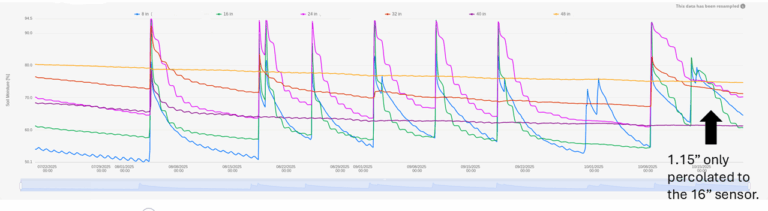
Hear me out Up and down the California Coast, we got some rain last week. Up North, places got around 1.3” with up to 2” closer to the ocean. Down south in Paso Robles, we’re looking similar numbers of between 1.5” and 2”. So, one would naturally think that if we were irrigating post-harvest (as we highly recommend), we can stop now. As you may have suspected by the title of this article, that may or may not be the case. Profile Picture Here at AV, we love looking at soil moisture charts. However, in the case of rainfall, it can be misleading. Looking at the graph below, you can see that irrigations produce a clear spike indicating how deeply water percolated and how long it took to be completely depleted by plant roots. Rain doesn’t deliver the same concentrated volume you’re used to getting with a drip emitter. Therefore it doesn’t infiltrate the soil in the same way. You may see shallower percolation from the inch plus of rain we got
00
August 27, 2025

Event Type: Webinar
Date: 10/23/2025
Learn how data-driven approaches can provide accurate, real-time data that supports long-term groundwater sustainability & better decision-making, and improves recharge outcomes. Groundwater recharge is a crucial strategy for managing water resources sustainably, making the ability to monitor and manage recharge efforts in real time more important than ever. Join our free 45-minute Thought Leader webinar to learn how data-driven approaches can provide accurate, real-time data that supports better decision-making, improves recharge outcomes, and supports long-term groundwater sustainability. Presented by Kassy Chauhan, Special Projects Manager at Fresno Irrigation District (FID) and Executive Officer of the North Kings Groundwater Sustainability Agency (GSA), and Christopher Lundeen, Engineering Technician III at FID. Webinar Topics An overview of California’s Sustainable Groundwater Management Act (SGMA) and the development of GSAs Implementing and leveraging monitoring
00
For over 30 years, we’ve partnered with wineries of all sizes to provide expert winemaking services tailored to real-world harvest needs. From precision alcohol adjustment and dealcoholization services to fermentation troubleshooting, BevZero is here to take complexity out of the crush season and help you produce your best wine, every time. We don’t just support winemakers, we work alongside them. Our global team of winemakers, food scientists, and beverage technologists are embedded in the industry, bringing first-hand experience and scientific expertise to every solution. Why BevZero? A Partner Rooted in Innovation Founded in 1991, BevZero pioneered vacuum distillation for alcohol reduction in wine, a process that quickly became a standard in the industry. But our commitment to innovation didn’t stop there. Today, BevZero operates globally, offering advanced winemaking support from our facilities in the U.S., Spain, and South Africa. Our services are designed to sol
00

March 17, 2025
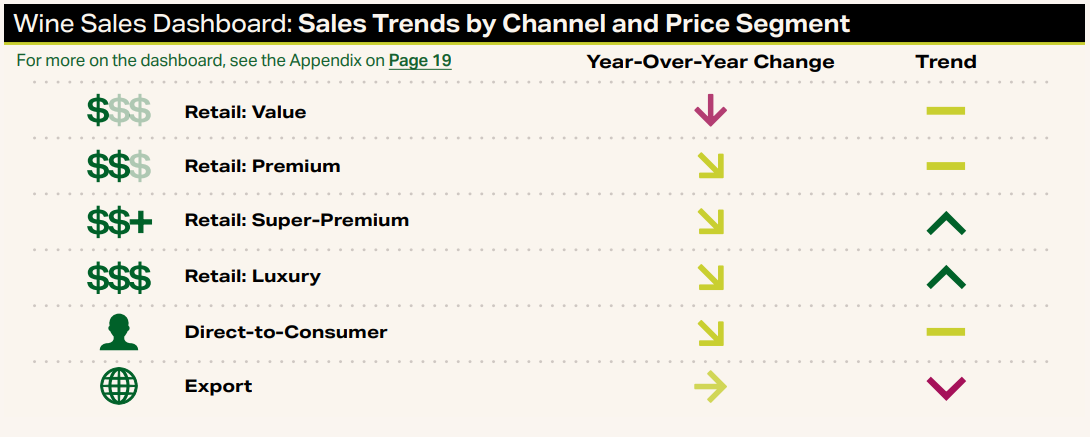
Flexibility and focus will be key this year, as the economic backdrop for wine sales has become murkier, and the grape market still looks long despite a short harvest in 2024. The 2024 numbers are in, and they confirm that off-premise wine sales have not bottomed yet. They are descending at a slower rate, though, due mainly to improvement in the super-premium and luxury segments. Alternatively, the slump deepened in the direct-to-consumer (DtC) and on-premise channels. The economy continues to sail along at a reasonable pace, and the labor market remains solid. But consumer sentiment, which has been treading water, took a dive in early 2025 due to intense uncertainty and negative inflation news. The Spring 2025 Issue of Winescape includes: Breaks down the 2024 grape crush numbers by variety and region Lays out key factors for a recovery in the grape market Reviews wine sales data for 2024 and shares the outlook for 2025 Download the Spring 2025 Winescape
00
February 12, 2025
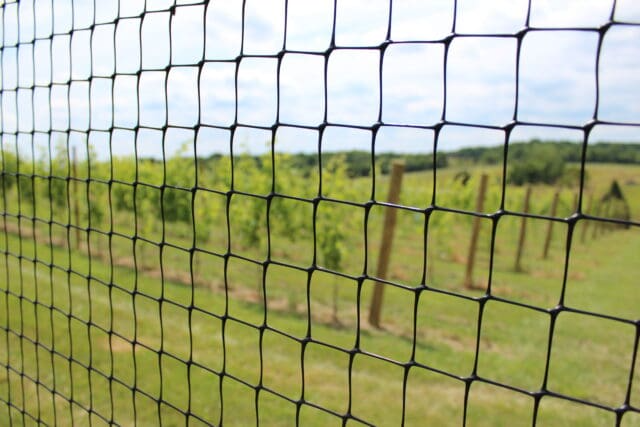
Cost-Effective Fencing for Small and Medium Vineyards For small and medium vineyards, balancing crop protection with budget constraints can be a challenging task. Wildlife damage, particularly from deer, can significantly impact yields and threaten a vineyard’s bottom line. While large-scale vineyards often have the resources to invest in high-tech solutions, smaller wineries need affordable yet reliable options to safeguard their vines. The Challenges of Wildlife Management for Small and Medium Vineyards Smaller vineyards often face unique challenges when it comes to wildlife management. Limited budgets can make it difficult to invest in extensive control systems, while the smaller scale of operations means even minimal wildlife damage can result in significant revenue loss. Additionally, managing labor and maintenance costs further stretches already limited resources, leaving vineyards vulnerable to the impact of deer and other wildlife. “We’ve seen time and time ag
00