
Filter Post Type
NewsVideoProductEventLink
Sort:
Most Recent
1–6 of 6


Four 2026 Napa Valley Grape Listings from One Source This month’s featured grape offerings bring together four red varietals from the same seller, giving wineries a focused opportunity to explore multiple lots through one point of contact. From the bold color and structure of Petite Sirah and Petite Verdot to the depth, lift, and blending flexibility of Cabernet Sauvignon and Cabernet Franc, this collection offers winemakers a practical way to build or refine a 2026 red wine program with intention. Whether you’re sourcing fruit for a standalone bottling, strengthening a Bordeaux-style blend, or planning ahead for the coming harvest, these listings provide a strong starting point for conversations around availability, fit, and program needs. Cabernet Franc An expressive red variety that can bring lift, aromatics, and finesse to blends or standalone bottlings. View Listing Petite Verdot A classic blending variety with color, tannin, and aromatic intensity for Bordeaux-style program
00
April 22, 2026
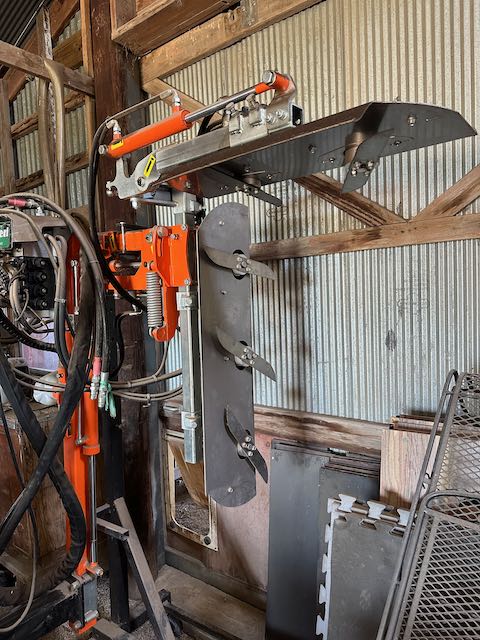
Hedge Faster. Farm Smarter. Now available: Rinieri CRV 132 Vine Hedger — a practical, high-efficiency solution for vineyards preparing for canopy management as the growing season ramps up. As shoots extend and canopy density increases, hedging becomes a critical step in maintaining vine balance, airflow, and sun exposure — all of which directly impact fruit quality and disease pressure. Equipment like the Rinieri CRV 132 helps streamline this process, allowing vineyards to reduce labor demands while maintaining clean, consistent cuts across rows. With canopy work approaching quickly, listings like this offer a timely opportunity to get ahead of the season and improve operational efficiency. View Listing The WIN Marketplace is built to connect buyers and sellers across the wine industry, and equipment listings like this Rinieri CRV 132 Vine Hedger highlight how the platform helps vineyards access the tools needed to manage critical stages of the growing season. As canopy management be
00
Event Type: Seminar
Location: McIntyre Vineyards, 31901 Sanchez Rd., Soledad, CA 93960
Date: 6/27/2025
Join us to explore how pollinator conservation, hedgerows, and innovative technology can enhance vineyard health and productivity. Learn practical strategies to protect beneficial species, reduce pesticide impacts, and attract birds that support your vines. Experience a guided hedgerow walk at McIntyre Vineyard, gain insights from an expert panel discussion, and witness a demonstration of beneficial insect release. REGISTER Speakers: Madeline Kangas, Xerces Society Sara Frazer, Monterey Pacific Jazmin Lopez, Pisoni Vineyards Jaclyn Bennett, Parabug Sam Earnshaw, Hedgerows Unlimited JoAnn Baumgartner, Wild Farm Alliance CE Approved: DPR 1.5 - O; CA 2 - S
00

August 26, 2024
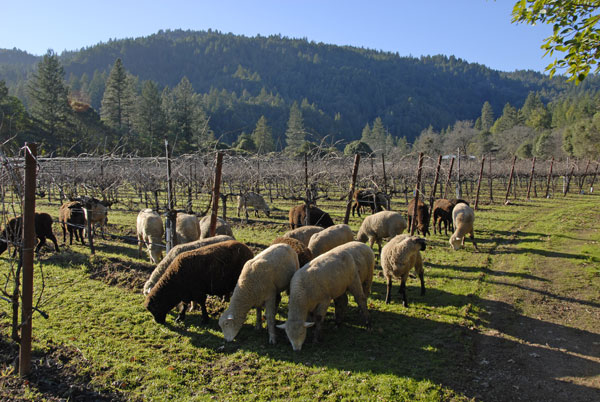
At the edge of the coastal redwoods lies a ranch where two young doctors from upstate New York, Marguerite (known as Beba) and Paul Frey, settled on 95 acres to raise their family. Their home is nestled between the Mendocino and Coastal mountain ranges in a narrow valley that opens into Mendocino County’s Redwood Valley. The headwaters of the Russian River lie just 5 miles north, past a Buddhist monastery, and upward into the mountains. The Frey family grew to twelve children amid the valley’s natural beauty and abundant native plants and wildlife while its vineyards and gardens thrived in the fertile soil. “My mom and dad bought the ranch in 1962, the year I was born,” says Frey Winery winemaker Paul Frey (the younger). “Then they got all of us kids out there to plant the vineyards in 1967. We started making wine in 1978 and became an official bonded winery in 1980. Our wineries were organic from the beginning ― before the term organic was defined
00

Lange Twins has implemented individual regenerative practices but now they are asking, what would happen if they stacked them? Kendra Altnow, Sustainability Manager at Lange Twins Family Winery & Vineyards and a 5th generation Lange shares Project Terra. The goals are to increase biodiversity, build and enrich the soil and improve watersheds through shifting farming practices, restoration, and conservation. They are accomplishing this through grazing livestock, establishing permeant ground cover, reducing tillage, improving native habitat, and reducing reliance on herbicides, insecticides, and fungicides. LISTEN IN Resources: REGISTER | June 12, 2024 : Regenerative Agriculture in a Production Vineyard 2.0 Tailgate 121: Regenerative Agriculture (Rebroadcast) BIFS Field Day Cover Cropping and Livestock Grazing for Regenerative Agriculture Blue Point Conservation Science California Department of Farming and Agriculture Center for Land Based Learning Commun
00


When it comes to the cork industry’s challenge to win the closures battle, one enormous boost has come in the findings of a Lifecycle Assessment study by Ernst & Young, which shows as scientific fact how cork stoppers can reduce by a quarter the total carbon footprint of an average bottle of still table wine and by almost half that of a bottle of sparkling wine. Mike Turner talks to world-leading cork supplier Amorim, which commissioned the study, and suggests that for an industry that has often been forced into owning a narrative, the carbon footprint argument sits neatly with an already impressive record of sustainability and biodiversity. By Mike TurnerApril 29, 2020 “Amorim has always advocated that science can highlight the problem as well as the solutions, whether that realm is TCA taints or carbon emissions,” writes Turner. For the last 30 years, the cork industry has been under attack. Wine producers that didn’t have easy geograph
00