
Filter Post Type
NewsVideoProductEventLink
Sort:
Most Recent
1–10 of 51
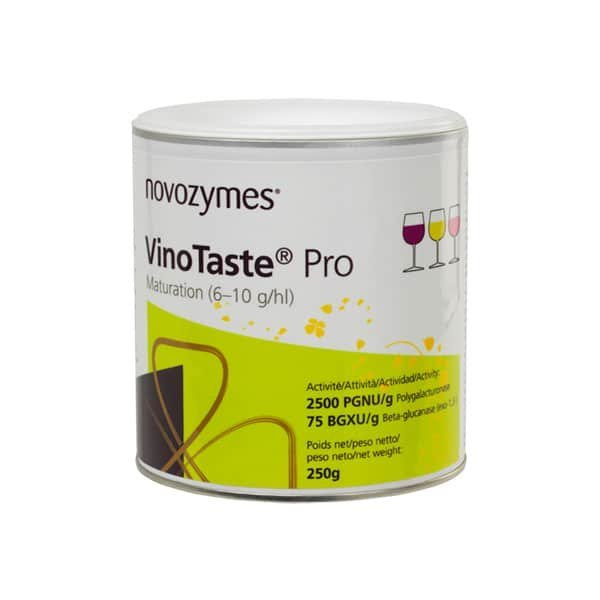
Ensuring good wine filterability is key to saving time, protecting quality, and avoiding costly production issues. Poor clarification and high polysaccharide levels can quickly lead to fouled membranes and slow filtration. We are excited to introduce our innovative solutions to help you streamline clarification, reduce microbial load, and improve the overall quality of your wines. Improve Filterability with Oenoflow Max Œnoflow Max is formulated with specific enzymatic activities (pectinase, AG-II-hydrolase, hemicellulase, and β-glucanase) to break down a wider variety of complex polysaccharides compared to other enzymes on the market. This advanced formulation ensures a more effective and cleaner filtration process, saving time and preserving the purity of your wine. Better filtration, better balance, less time with VinoTaste Pro VinoTaste Pro is a purified enzymatic blend of pectinase and β-glucanase that improves clarification while enhancing wine quality. Impro
00
Every winemaker knows that fermentation is a delicate dance between art and science. Behind every great wine lies a thriving microbial ecosystem—some organisms we invite, others we need to keep far away. Mastering that balance is what separates clean, stable wines from those plagued by faults, spoilage, or inconsistency. Fermentation: Harnessing the Right Microbes During alcoholic fermentation, controlling microbial populations ensures your chosen yeast strain dominates the process. This helps achieve a complete and predictable transformation of sugars into alcohol and COâ‚‚ without unwanted by-products that can dull aroma or flavor. In malolactic fermentation, Oenococcus oeni converts malic acid to the softer lactic acid, reducing sharpness and enhancing mouthfeel. But MLF is also a vulnerable moment: the wine’s natural defenses are low, and spoilage microbes can easily gain ground. When MLF isn’t desired, those bacteria must be inhibited completely to protect the wi
00
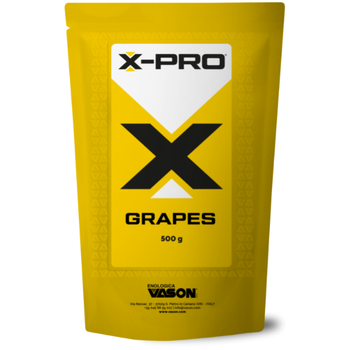
X-PRO® GRAPES Natural Redox Protection for White & Rosé Juices X-PRO® GRAPES is a unique solution for redox balance and natural stabilization in white and rosé juices. Developed with the innovative X-PRO® process, this product combines specific inactivated yeast (LIS) with a special plant-based chitosan to provide clean, aromatic, and well-balanced wines - with significantly reduced sulfite use. DISCOVER X-PRO® GRAPES WHAT IS IT? Inactivated yeast obtained via X-PRO® technology Enriched with active chitosan from Aspergillus niger Presented in aggregated form (flakes) Easily soluble, ideal for early-stage treatment of juice WHY USE IT? X-PRO® GRAPES provides targeted antioxidant protection and supports clean fermentations by reducing suspended solids and microbiota. Key benefits: Improved redox stability from pressing to finished wine Faster clarification and better yield Preservation of varietal aromas over time Ideal for o
00

You can glean a lot of information about a wine from the label. The next time you walk down a wine aisle, you may notice that you feel comfortable with the common terms and symbols like vintage, place of origin, and percent alcohol, but feel some confusion when you see some of the increasingly present ones like natural, vegan, and organic. In this week’s Marketing Tip, we’re giving you a green wine glossary: 5 common wine designations defined so you’ll wonder no longer. Your Green Wine Glossary Vegan Not every wine fits a vegan lifestyle. During the winemaking process, small particles can cause haziness or unwanted flavor properties. Winemakers can add a fining agent that will bind to these tiny particles and make them large enough to be filtered out. Many fining agents are animal-based – for example: egg whites, casein, and gelatin. Wine that was fined with any of these materials cannot be considered vegan. Vegan wines include those that
00
March 14, 2025

From blog posts and email campaigns to Instagram Reels and virtual tastings, the content you create sets the tone for how people discover, engage with, and connect to your winery. Great content isn’t just filler for your website or social media—it’s a powerhouse tool for growing your winery’s audience, converting casual visitors into loyal wine club members, and driving revenue. Even better, content works double-duty: it supports inbound marketing, by attracting new customers who find you organically, and outbound marketing, by amplifying your message through ads, email, and other promotional efforts. Whether you’re sharing your winemaking journey, crafting a how-to wine pairing guide, or highlighting your latest release, well-planned content is key to building your brand and boosting your sales. Here’s how to create winery content that attracts, engages, and converts your audience into loyal customers and club members. What Is Inbound Marketi
00
March 10, 2025
Let me introduce amaea, the latest addition to VA Filtration’s suite of services. amaea is an award-winning, molecular filtration technology known for its unrivalled selectivity - allowing winemakers to enhance product quality while preserving the integrity of their wines. Using molecularly imprinted polymers (MIP), amaea targets and removes undesired molecules, without the need for fining agents, masking or excessive stripping. The result? Refined and more balanced wines. Why winemakers are choosing amaea: Precise removal of unwanted compounds – from balancing bitterness to remediating smoke impacts and pyrazines Preserves varietal character and body Reduces waste by replacing single-use fining agents Saves time with rapid, real-time results Tailored solutions to achieve desired sensory outcomes We are currently offering in-house bench trials, where my team is available to demonstrate how this breakthrough technology can benefit your winery. Contact our team to book your
00
February 12, 2025
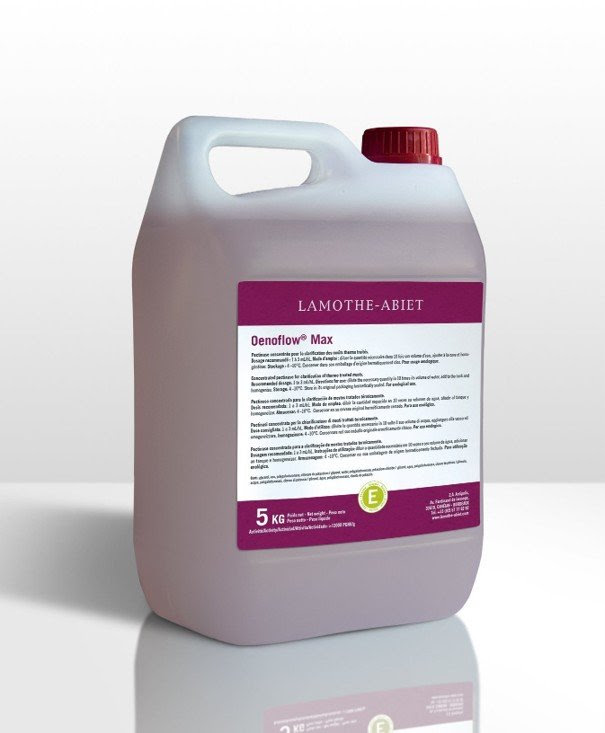
Say goodbye to clogged filters & preserve your wine quality Maintaining optimal filterability is crucial for ensuring a smooth production process. Clogged filters can cause delays and negatively impact the final product. That’s why it's essential to address these filtration challenges early and efficiently. We’re excited to introduce our innovative solutions to help you streamline clarification, reduce microbial load, and improve the overall quality of your wines. Œnoflow® Max - Improve filterability Œnoflow® Max is formulated with specific enzymatic activities (pectinase, AG-II-hydrolase, hemicellulase, and β-glucanase) to break down a wider variety of complex polysaccharides compared to other enzymes on the market. This advanced formulation: Enhances Filterability: Ensures smoother, more efficient filtration, reducing membrane fouling.\ Improves Clarification: Especially effective for wines from damaged grapes. This enzyme ensures a more e
00
November 11, 2024
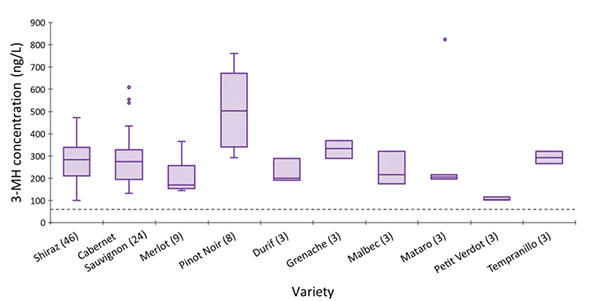
One impact of global warming is warmer growing seasons and heat waves that result in slightly higher alcohol content and more ripe, concentrated flavors. Growers often leave red grapes on the vine longer to build deeper color, richer tannins, and more intense, complex flavors. The downside of this solution is that it can shift the wine profile toward prune or jammy characteristics while losing the fresh fruit notes. The loss of these aromatic notes may make the wine less appealing to consumers, as there is a rising preference for freshness, illustrated by the growing trend toward drinking white wines. That freshness factor can be attributed to thiols, which play a significant role in the aromatic intensity of red wines. Recent studies, including research conducted by the Australian Wine Research Institute (AWRI) in 2019, have shown that red wines, like whites and rosés, contain thiols. These compounds, particularly 3MH (mercaptoethanol), bring freshness and notes
00
.jpg)
August 27, 2024

Join us at the largest industry trade show & conference in the heart of wine country! Campaign URL Copy Twitter 0 tweets Subscribe Past Issues RSS TranslateEnglish العربية Afrikaans беларуÑÐºÐ°Ñ Ð¼Ð¾Ð²Ð° българÑки català ä¸æ–‡ï¼ˆç®€ä½“) ä¸æ–‡ï¼ˆç¹é«”) Hrvatski ÄŒesky Dansk eesti keel Nederlands Suomi Français Deutsch Ελληνική हिनà¥à¤¦à¥€ Magyar Gaeilge Indonesia íslenska Italiano 日本語 ភាសាážáŸ’មែរ í•œêµì–´ македонÑки јазик بهاس ملايو Malti Norsk Polski Português Português - Portugal Română РуÑÑкий Español Kiswahili Svenska עברית Lietuvių latviešu slovenÄina slovenšÄina ÑрпÑки தமிழ௠ภาษาไทย Türkçe Filipino україÌнÑька Tiếng Việt THURSDAY, DECEMBER 5, 2024 SONOMA COUNTY FAIRGROUNDS &midd
00

By Roberto Pavesi, Fermentis Sales Manager for South Europe Just 15 years ago, Prosecco was almost entirely sold in Italy. Now, it is the world’s best-selling sparkling wine, with 600 million bottles produced in 2020. This phenomenon has evidently to do with a strong wine identity and a rich history, but also to the producers determination that built Prosecco into a billion-dollar brand. Let's see how they worked and what significant challenges they will face in the decade ahead. Roberto Pavesi A SIMPLE STYLE BUT A SHARP STRATEGY The success of Prosecco is global and it has lifted dozens of families from an economic crisis and a lack of outlets for the wine produced. But tensions exist on the exhaustion of the land linked to monoculture, and on the position to be adopted: should Prosecco remain a simple wine or become “the new champagne,” as the English already say? The history of Prosecco resembles a fairy tale. In the Treviso countryside, we always used to drink
00