
Filter Post Type
NewsVideoProductEventLink
Sort:
Most Recent
1–3 of 3

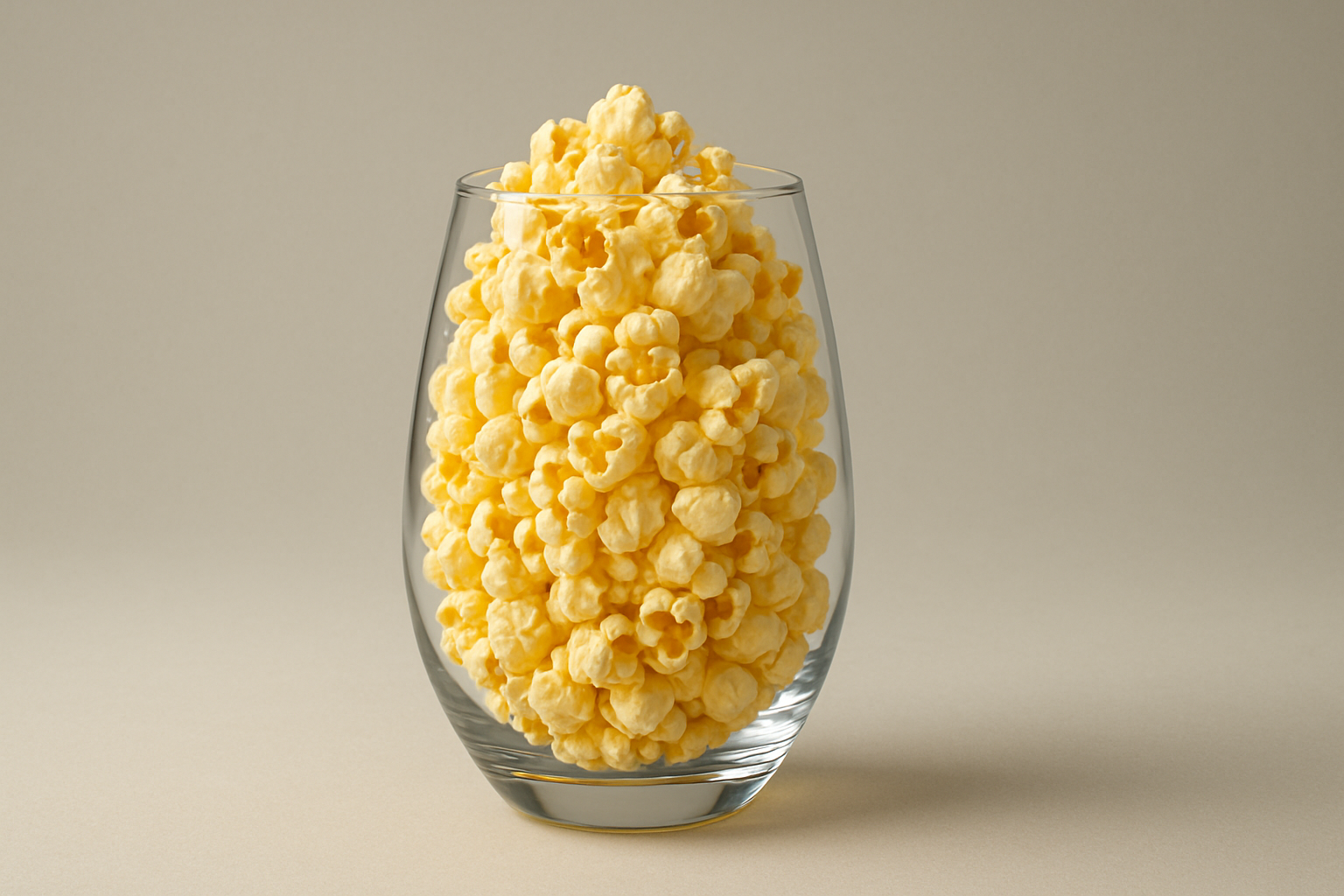
To Butter or Not to Butter... One notable byproduct of malolactic bacteria (other than lactic acid!) is diacetyl, a compound that imparts buttery or popcorn-like aromas. While some aim to promote this character in their wines, others may prefer to minimize it. Read on to learn more about winemaking decisions that influence diacetyl production. Tips for Managing Diacetyl Strain Selection Some ML strains like PN4™and BETA™ produce more diacetyl, while strains like VP41™, O-MEGA™, and ML PRIME™ produce less. Inoculation Timing Co-inoculation of yeast and bacteria minimizes diacetyl, since yeast consumes it as bacteria produce it. Lees Contact Yeast and bacteria in the lees aren't necessarily dead; they can remain alive for months. Lees contact allows for the consumption of diacetyl, decreasing the total amount in the wine. SO2 Management Adding SOâ‚‚ just after MLF protects diacetyl. SOâ‚‚ binds to diacetyl in a reversible reaction. Initiall
00
October 25, 2024

Malolactic Fermentation Feasibility: Factors Affecting Ease of MLF There are several factors that influence malolactic fermentation (MLF). This includes obvious factors like alcohol, pH, and SO2 but also includes less obvious factors like alcoholic fermentation difficulty, yeast nutritional requirements, etc. Read on to learn more about some of these less frequently considered factors. READ THE FULL ARTICLE Beyond the Basics Temperature Most cellars are actually too cold and inhibitory to malolactic bacteria. The ideal temperature range for MLF is between 18-22°C (64-72°F). If you consistently see sluggish or stuck MLFs, consider conducting MLF in tank or in a warmer space. Yeast Nutrient Need Bacteria require nutrients. Certain yeast strains have high nutrient demands and may leave the wine depleted of nutrtients (see yeast product description). In these cases we recommend using a malolactic fermentation nutrient. Malic Acid Level Very low malic acid concentrations (&l
00
🎤 Today, we give the floor to Robert Smith, winemaker from Quixote Winery in the Stags Leap district of Napa Valley. 🍇 Robert has been using Lallemand Oenology products through Scott Laboratories for about 10 years to produce wines from his 27 acres of grapevines. 🎬 He shares his experience with VP41 and SILKA, our natural selected wine bacteria with us. More information on each product: - VP41: Click here - SILKA:Click here Thank you Robert! Your browser does not support HTML5 video.
00