
Filter Post Type
NewsVideoProductEventLink
Sort:
Most Recent
1–10 of 51


I'm gonna need everybody to stay calm. But I might - might - have a sliver of good wine data news to share with you. The latest Enolytics Snapshot came out this week, reporting on the month of February, and here's the big takeaway: "February's performance reveals an industry adapting to new realities rather than spiraling downward." Now. If you know us at all, you know that Enolytics is not prone to dramatics or exaggeration. "Cautious stability" is what we're calling it in this month's Snapshot analysis. So, again, everybody stay calm. But we think that not "spiraling downward" is a pretty big deal right now, so we're going to hover here for a moment. Please visit our Snapshots page and see for yourself. It's free for everyone to access. You'll see Q1 so far, and the month of February alone, and the last twelve months. Scroll down, and you'll see Wine Club Metrics, and the WISE Triple Score (because yay WISE!)
00

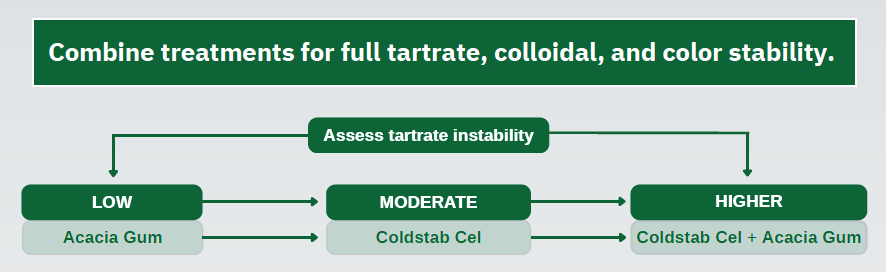
Tartrate stabilization helps keep wines bright, clear, and free of the “wine diamonds” that consumers often perceive as a flaw. While traditional cold stabilization works, it can be time- and energy-consuming, and can affect aromatics and flavor. Today, there are smart, innovative stabilization solutions that eliminate the need for chilling while protecting wine quality and making cellar work easier. Carboxymethylcellulose (CMC) CMC is a cellulose-based solution that acts by interfering with crystal growth. While traditional stabilization induces crystal formation, CMC prevents them from developing in the first place. It provides reliable stability without chilling and helps preserve pH, aroma, and flavor. CMC is a strong choice for white and rosé wines where clarity and freshness are priorities. Acacia Gum Acacia gum, made from the sap of Acacia trees, coats the tiny tartrate particles so they cannot grow into visible crystals. It also helps protect color, making it
00

Stop reacting to cancellations. A proactive strategy for spotting and saving at-risk wine club members before they leave. vinSUITE Blog Wine Club Retention Strategy: What to Do With At-Risk Members Wine club churn rarely starts with a cancellation. It starts earlier with small moments that don’t look urgent on a report: a skipped shipment, a failed card update that lingers, a pickup that keeps getting missed, a shipping issue that takes too long to resolve, or a member who goes quiet. This post shares a proactive strategy for spotting risk early and responding with the right action—without turning retention into a constant scramble. In this post, you’ll learn: What “at-risk” looks like before a cancellation A 4-step framework to stabilize and save members Exactly what to send (templates included) The “Save Before They Cancel” Framework (quick preview) Proactive retention works because it fixes friction before it becomes frustratio
00
Loyalty, Deconstructed: Small Moments, Big Retention What actually makes members stick? In Session 4, Jason Curtis sits down with industry veteran Brian Baker to break down loyalty into practical, repeatable steps you can deploy without requiring bigger discounts or heavy lifting. In this replay, you’ll learn: Story by generation: Gen Z (values & moments), Millennials (experiences), Gen X (clarity), Boomers (legacy). Micro-exclusivity that scales: tiny lots, off-menu pours, member-only moments that feel special. Personalization beyond the name: preferences, simple “your year in wine” recaps, timely outreach. Surprise & delight: thoughtful unboxing layers, quick QR thank-you videos, occasional “upgrade” moments. Hospitality that converts: use the 80/20 guest-talk ratio and a 3-second pause to show you’re listening. Community & values: partner events, cause alignment, and easy member micro-communities. “Aim small, miss small. Start l
wine club loyaltywine club retentionmember engagementdirect-to-consumer (DTC)winery marketingpersonalizationcustomer experiencesurprise and delightexclusive accessmicro-exclusivitystorytellinghospitalitycommunity buildinggenerational marketingGen Z marketingcustomer lifetime value (CLV)unboxinggamification
00

August 5, 2025
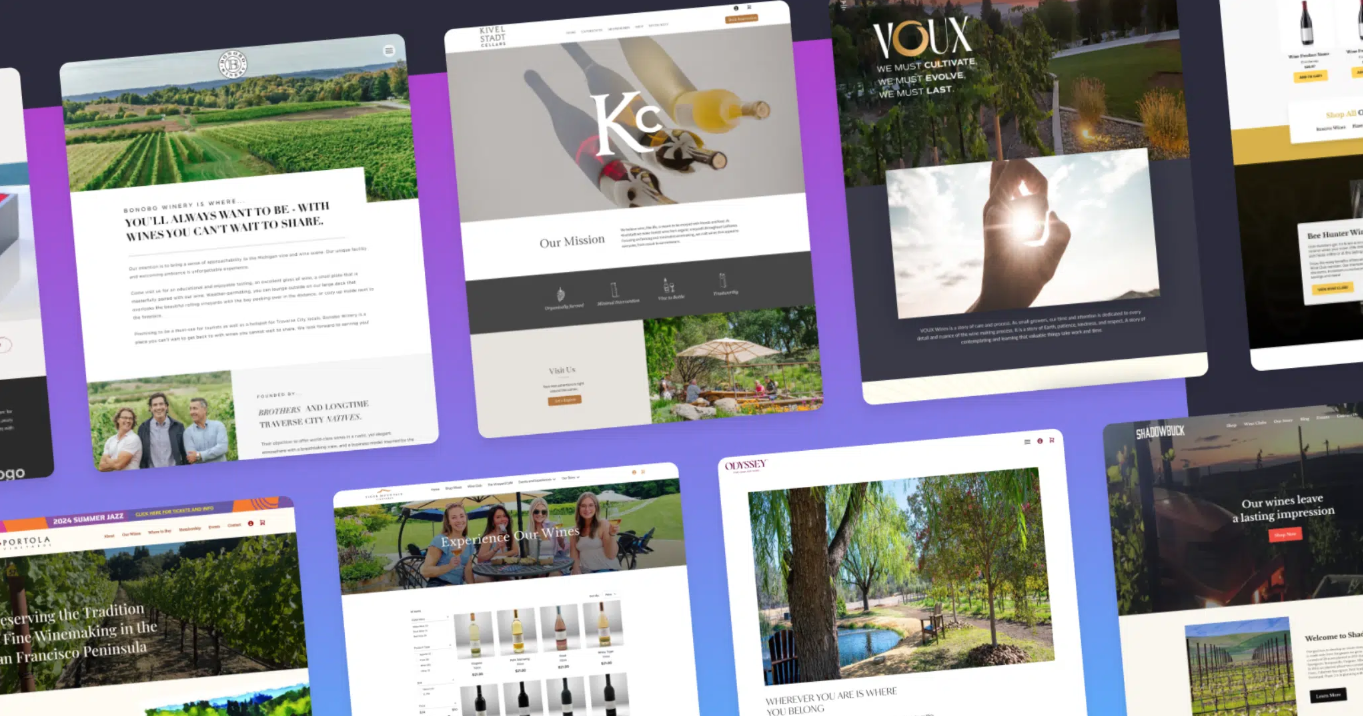
Stunning homepage photography. A poetic paragraph about the vineyard. Elegant design. But then… nothing happens. No shop activity. No wine club signups. No urgency to buy. No navigation to guide the visitor on where to go next. And if someone does find the shop or club page, they’re met with a clunky checkout or sign-up form that feels like an obstacle course, especially on mobile. This is where so many wineries fall short. Your winery website isn’t just a digital brochure; it’s your hardest-working DTC sales channel. When it’s built and optimized the right way, it’s selling wine, growing your club, booking visits, and telling your story 24/7. When it's not? You’re losing potential revenue every single day. The good news is that these problems aren’t permanent. They’re fixable, and we’ve seen wineries transform their online performance in just a few weeks once the right changes are made. After conducting hundreds of winer
00

July 18, 2025
Bridging the Gap: APS Packaging Launches Experiential Learning Fund for Future Wine & Beverage Leaders APS Packaging, in collaboration with the UC Davis Department of Viticulture and Enology, took a group of students to tour Hess Persson Estates and Infinity Bottling! We noticed the need for real-world skills and industry knowledge in the classroom, so we kick-started the “APS Packaging Experiential Learning Fund.” This fund is a game-changer for students as it provides students with invaluable opportunities, including field trips, guest speaker presentations, and hands-on education focused on bottling and its significance. A huge thank you to David Davenport and Jessica Tuteur from Infinity Bottling, Mimi Storts and Andy Strasser from Hess Persson Estates, and Sergio Ciocchetta from MBF North America for taking the time to talk to us about the importance of automation. Automating a bottling line boosts efficiency, consistency, and cost-effectiveness, making it a vita
00


Afternoon Brief: Lodi Grapegrowers Pray for Tariffs
While tariffs have wine importers running scared, growers in Lodi see them as a lifeline to save their vineyards...
Wine Marketing Council World of Pinot Noir Project Zin Lewis Cellars SommConWashington State UniversityOregon State UniversityUC DavisColumbia Gardens Wine & Artisan VillageWine EnthusiastCiattiLucidWild EstateRio Neches VineyardsDiageoJoel WrightChateau Ste. MichelleFalcon KitesVinterActiveCopper Peak LogisticsClark Pest ControlL’Ecole № 41Frog's Leap WineryTiny Wine
00
May 28, 2025
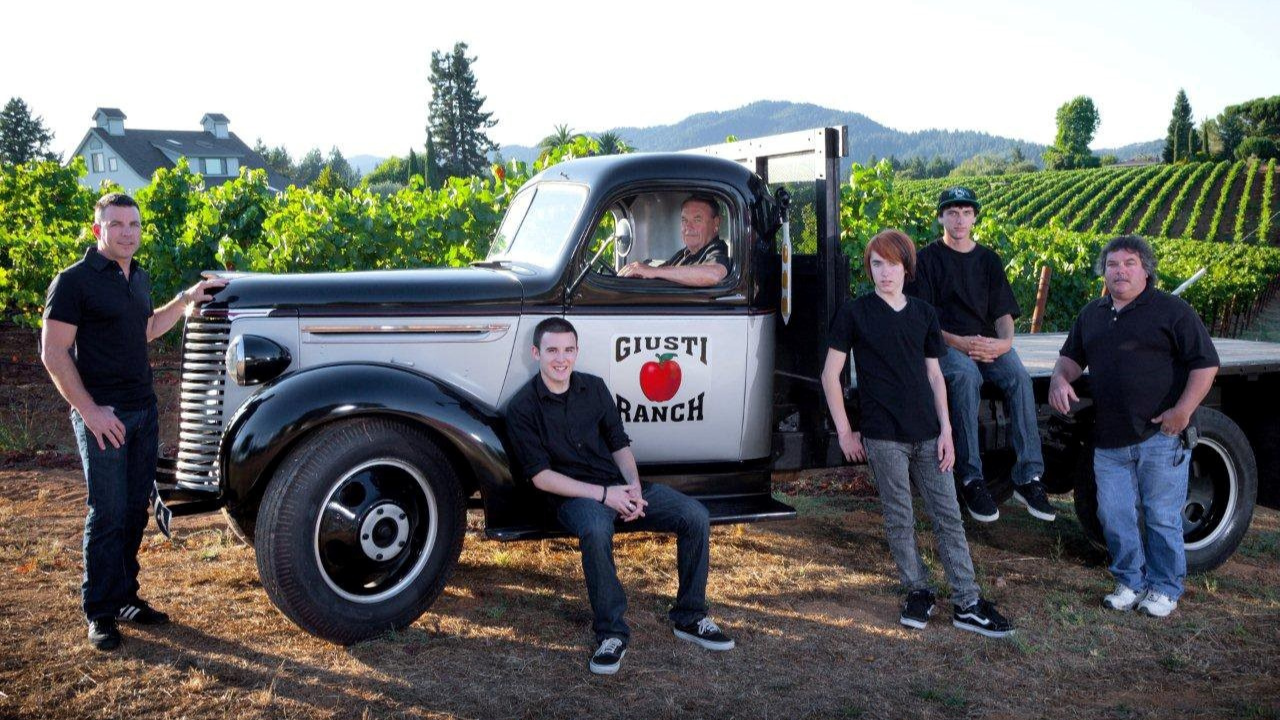
Century Club: Giusti Ranch & Vineyards - Sonoma County Winegrowers
By Virginie Boone Among the esteemed members of TheSonoma County Winegrowers Century Club, the Giusti family has been farming in Sonoma County since 1875. Originally from San Pelligrinetto, Italy (within []
00

May 22, 2025
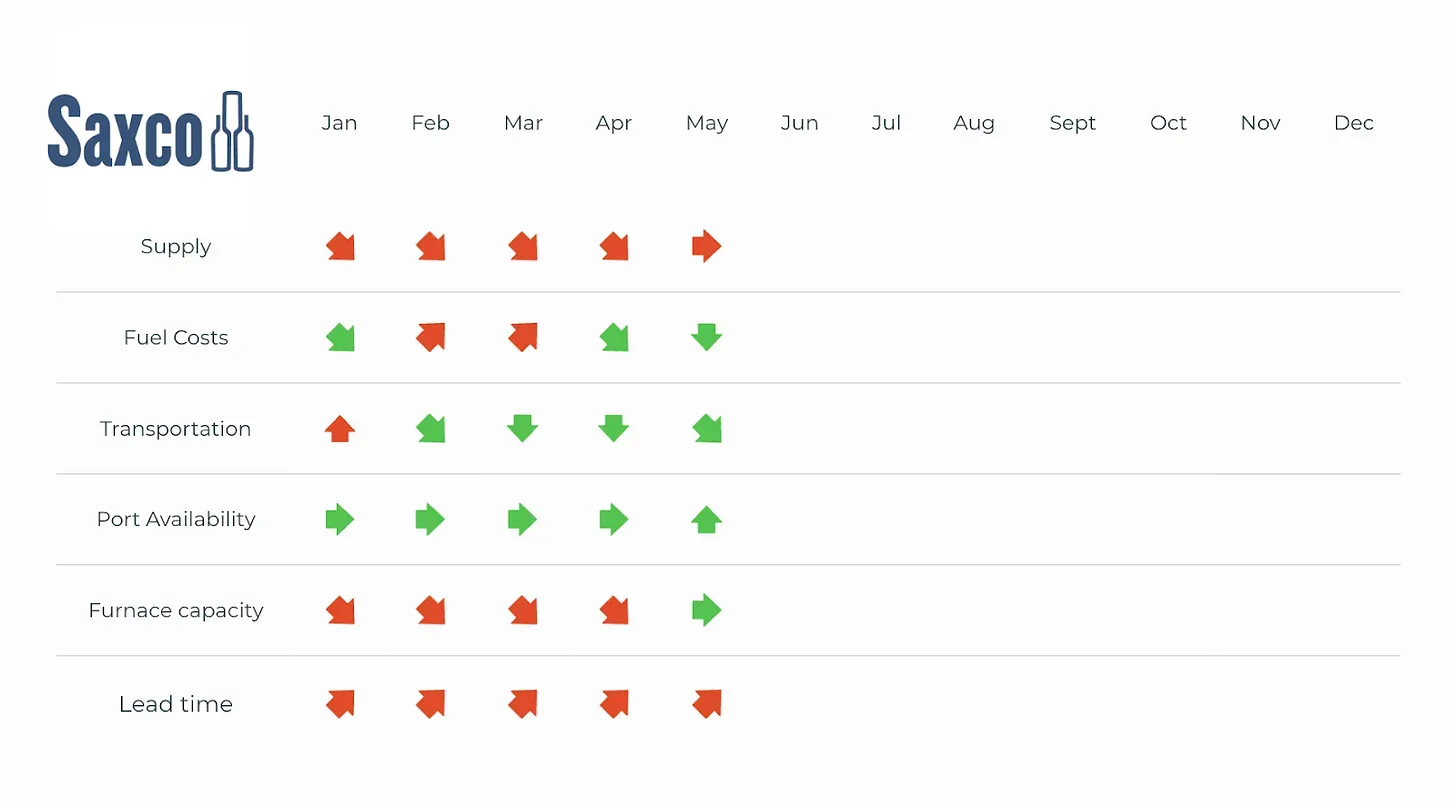
In recent years, US trade policy developments – including broad tariffs and anti-dumping/countervailing duties – have disrupted global supply chains and increased costs across multiple industries. The wine and spirits sector, in particular, continues to experience the ripple effects of trade tensions involving key packaging sources such as China, Mexico, and Canada, along with ongoing tariffs on aluminum and steel. On April 2, 2025, President Trump invoked emergency trade powers under the International Emergency Economic Powers Act (IEEPA), imposing a 10% “baseline” IEEPA tariff on most imported products from most countries, effective April 5. Higher tariff rates on imports from 57 countries were temporarily suspended for all but China, providing a 90-day reprieve. Meanwhile, China was subjected to 125% IEEPA reciprocal tariffs plus 20% IEEPA “fentanyl” tariffs, as well as any other applicable tariffs, such as the 25% China Section 301 tariffs initia
00

You can glean a lot of information about a wine from the label. The next time you walk down a wine aisle, you may notice that you feel comfortable with the common terms and symbols like vintage, place of origin, and percent alcohol, but feel some confusion when you see some of the increasingly present ones like natural, vegan, and organic. In this week’s Marketing Tip, we’re giving you a green wine glossary: 5 common wine designations defined so you’ll wonder no longer. Your Green Wine Glossary Vegan Not every wine fits a vegan lifestyle. During the winemaking process, small particles can cause haziness or unwanted flavor properties. Winemakers can add a fining agent that will bind to these tiny particles and make them large enough to be filtered out. Many fining agents are animal-based – for example: egg whites, casein, and gelatin. Wine that was fined with any of these materials cannot be considered vegan. Vegan wines include those that
00